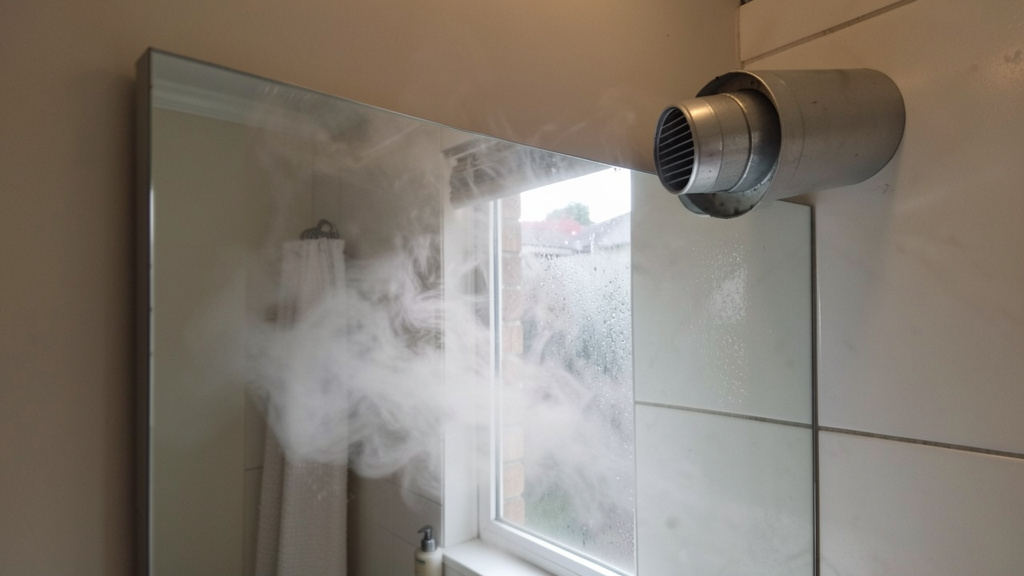
Understanding Ventilation as a Layered System—Not Just a Fan—to Support Structural Integrity and Everyday Comfort
Bathroom ventilation serves a fundamental role in home maintenance: managing moisture generated during routine activities to help protect building materials and support indoor air quality. When humid air lingers after showers or baths, it may gradually affect surfaces and hidden assemblies. This guide synthesizes widely accepted building science principles, code references, material considerations, and practical habits to help you develop a thoughtful, adaptable approach to bathroom moisture control. Whether you’re evaluating an existing setup, planning a renovation, or seeking reliable maintenance practices, this resource offers balanced, actionable insights grounded in observable patterns and system-aware thinking.
Introduction: Recognizing Moisture as a Manageable Factor
In many homes, the bathroom exhaust fan operates quietly in the background—often unnoticed until an issue arises. Signs like recurring condensation on windows, peeling paint near the shower, or a persistent musty scent may indicate that moisture isn’t being adequately managed. Unlike sudden structural failures, moisture-related concerns typically develop incrementally. Warm, humid air moves through small gaps—around light fixtures, under doors, or through wall penetrations—and may encounter cooler surfaces within concealed assemblies. When this occurs repeatedly, conditions can become favorable for mold growth or material degradation over time.
Organizations such as the Environmental Protection Agency (EPA) and the American Society of Heating, Refrigerating and Air-Conditioning Engineers (ASHRAE) emphasize mechanical exhaust as a key strategy for managing bathroom humidity. ASHRAE Standard 62.2 specifies minimum ventilation rates for residential bathrooms to support healthy indoor environments. While a single shower doesn’t “deposit half a gallon of water” with laboratory precision, it does introduce significant moisture vapor into a confined space. Left unaddressed, cumulative exposure may contribute to maintenance challenges. Viewing ventilation as an integrated system—encompassing airflow design, material choices, usage habits, and environmental context—provides a more resilient foundation than focusing solely on fan specifications. This guide walks you through that holistic perspective, offering adaptable pathways suited to diverse home types, climates, and lifestyles.
The Three-Pillar Framework: A Systems Approach to Bathroom Moisture Management
Effective moisture management relies on three interconnected elements. Strengthening all three creates a more dependable outcome than optimizing any single component in isolation. This framework shifts focus from “Which fan should I buy?” to “How do all parts work together to address moisture where it forms and travels?”
Pillar 1: Moisture Behavior—Understanding Movement and Condensation
Moisture in the air (humidity) follows predictable physical principles. When warm, moisture-laden air contacts a surface at or below its dew point temperature, condensation occurs. In bathrooms, visible condensation appears on mirrors or windows. More critically, invisible condensation may form within wall cavities, ceiling assemblies, or insulation—especially where temperature differences are pronounced.
Typical Shower Event Dynamics
During a standard warm shower:
– Humidity levels rise noticeably within minutes
– Air temperature increases modestly above room baseline
– Moisture-laden air naturally migrates toward cooler zones and available pathways (under doors, through penetrations)
Without active exhaust, this air disperses into adjacent spaces or infiltrates building assemblies. In concealed areas with limited airflow, repeated exposure may gradually affect organic materials. Building investigations often note elevated moisture readings in framing near poorly ventilated bathrooms—highlighting why proactive management matters.
Climate Context Matters
Geographic location influences moisture behavior and system design considerations:
– Cold Climates (Zones 5–8): Significant indoor-outdoor temperature differences increase condensation risk within wall cavities and unconditioned duct runs. Insulating exhaust ducts becomes especially important.
– Hot-Humid Climates (Zones 1–3): Outdoor air may carry high moisture content. Exhaust-only systems still remove humid indoor air, but pairing ventilation with air conditioning or supplemental dehumidification can enhance overall humidity control.
– Mixed or Marine Climates (Zones 4): Moderate temperatures with variable humidity call for balanced strategies—adequate fan runtime, well-sealed ducts, and attention to seasonal shifts.
Illustrative Scenario: In a Pacific Northwest home (Zone 4C), a bathroom fan exhausted through a long, uninsulated duct in an unconditioned attic. During cooler months, condensation formed inside the duct, occasionally dripping near the grille. The resolution involved insulating the duct and verifying proper slope toward the termination point—not increasing fan power. This underscores Pillar 1’s insight: Effective ventilation addresses where moisture travels and condenses, not just the visible steam in the room.
Core Insight: Hidden condensation sites—within walls, ceilings, or ducts—often pose greater long-term considerations than surface-level humidity. System design should account for these pathways.
Pillar 2: Ventilation System Design—Balancing Airflow, Ducting, and Component Selection
Translating moisture understanding into a functional system requires attention to sizing, component selection, duct integrity, and termination. Precision here prevents common performance gaps.
Step 1: Determining Appropriate Airflow (CFM)
While “1 CFM per square foot” is a common starting point, a more tailored approach considers room volume, fixture count, and climate context. ASHRAE 62.2 and the International Residential Code (IRC) provide foundational guidance:
Practical Sizing Approach:
1. Calculate Volume: Length × Width × Ceiling Height (e.g., 8′ × 10′ × 8′ = 640 ft³)
2. Apply Air Changes: 8 air changes per hour (ACH) is standard; 10–12 ACH may suit high-moisture use (deep tubs, frequent long showers)
– Formula: (Volume × ACH) ÷ 60 = Minimum CFM
– Example: (640 × 10) ÷ 60 ≈ 107 CFM
3. Adjust for Fixtures (IRC Appendix M Guidance):
– +50 CFM per shower/tub
– +50 CFM per toilet
– +100 CFM for jetted tubs or steam generators
4. Consider Climate Nuance (Optional Refinement):
– Colder climates: Slightly higher CFM may compensate for denser air and faster condensation risk
– Humid climates: Ensure adequate runtime; CFM adjustments are less critical than duct integrity and termination
Important Note: Oversizing significantly (e.g., 300+ CFM in a small bathroom) can create strong negative pressure, potentially drawing unconditioned air through building leaks or affecting combustion appliance safety. Balance is key. When in doubt, consult a qualified HVAC professional or refer to local code requirements.
Guidance Table for Common Scenarios
| Bathroom Type | Approx. Size | Typical Fixtures | Estimated CFM Range* | Notes |
|—————|————–|——————|———————-|——-|
| Powder Room | 35–50 ft² | Toilet | 50–70 CFM | Short runtime often sufficient |
| Standard Bath | 60–80 ft² | Shower, Toilet | 110–150 CFM | Most common residential scenario |
| Master Bath | 90–120 ft² | Tub, Shower, Toilet | 150–220 CFM | Consider dual grilles for larger layouts |
| Steam Shower | Dedicated | Steam Generator | 200–300+ CFM | Requires manufacturer-specific venting |
*Ranges reflect volume, fixtures, and typical climate adjustments. Always verify against current local codes.
Step 2: Selecting Fan Technology Thoughtfully
Fan performance depends heavily on matching technology to installation realities.
Axial vs. Centrifugal Fans
– Axial Fans: Suitable for very short, straight duct runs (under 10 ft). Performance declines noticeably with bends or resistance.
– Centrifugal Fans (Recommended for Most Installations): Maintain airflow better through longer runs, bends, or roof terminations due to higher static pressure tolerance. Ideal for real-world bathroom layouts.
Key Features to Evaluate
– Sound Level (Sones):
– ≤1.0 sone: Very quiet (ideal for bedrooms or quiet zones)
– 1.0–1.5 sones: Acceptable for most bathrooms
– >2.0 sones: Often perceived as disruptive; generally avoid
Note: Sone scale is logarithmic; 1.0 sone sounds roughly twice as loud as 0.5 sones.
– Control Options:
– Timer Switches: Ensure adequate runtime (e.g., 20–30 minutes post-shower). Simple and reliable.
– Humidity Sensors: Activate fan when humidity rises; include adjustable delay-off timers to prevent premature shutoff.
– Continuous Low-Speed Mode: Runs quietly (10–20 CFM) between uses—helpful in humid climates or tightly sealed homes.
– Integrated Units vs. Separate Components:
For new installations, separate exhaust fan and light fixtures often offer longer service life. Fans typically require replacement before LED lights; separate units allow targeted repairs. Integrated units are practical for direct replacements where housing exists.
Scenario Insight: A bathroom with an 18-foot duct run containing two bends requires a centrifugal fan rated for actual delivered CFM at 0.25″ static pressure (industry test standard). A fan rated only for “free air” CFM may underperform significantly in this configuration.
Step 3: Ductwork Integrity—Often the Deciding Factor
Even a high-quality fan underperforms with compromised ducting. Attention to material, sizing, sealing, and slope makes a measurable difference.
Material Selection
– Rigid Metal Duct (Galvanized Steel/Aluminum): Lowest airflow resistance, zero leakage potential. Best performance where feasible.
– Flexible Aluminum Duct (Fully Extended): Acceptable alternative. Must be pulled taut during install to minimize turbulence. Insulate thoroughly when routed through unconditioned spaces.
– Flexible Vinyl/Plastic Duct: Not recommended. Ribbed interior traps moisture and lint; degrades over time. Prohibited by IRC Section M1507.2 in many jurisdictions.
Sizing and Layout Principles
– 4-inch duct: Suitable for fans up to ~110 CFM with short, straight runs
– 6-inch duct: Recommended for fans above 110 CFM or runs exceeding 15 feet
– Minimize bends: Each 90° elbow adds resistance equivalent to 10–15 feet of straight duct
– Support duct every 4 feet to prevent sagging (sags collect condensation)
– Slope duct slightly (¼” per foot) toward termination in cold climates to guide condensation outward
Termination Best Practices
– Roof or Wall Cap: Use a cap with a functional backdraft damper to prevent cold air infiltration and pest entry when fan is off.
– Critical Avoidance: Never terminate into soffit vents, attics, crawlspaces, or wall cavities. Exhaust must exit outside the building envelope. Moisture reintroduced into concealed spaces creates significant remediation challenges.
– Placement: Position termination cap at least 3 feet from windows, doors, or HVAC intakes to avoid recirculation.
Installation Checklist
✅ Seal all duct joints with UL 181A-P metal foil tape (not cloth duct tape)
✅ Seal fan housing perimeter to drywall with acoustic sealant to prevent attic leakage
✅ Insulate entire duct run in unconditioned spaces (R-6 or higher recommended)
✅ Verify damper on termination cap moves freely before closing up
✅ Ensure adequate makeup air (e.g., slight door undercut) to avoid excessive negative pressure
Pillar 3: Behavioral and Environmental Integration—Supporting the System
Hardware functions within a human and environmental context. Small, consistent habits significantly enhance system effectiveness.
Usage Protocols That Matter
– Runtime: Operate fan during bathing and for 20–30 minutes afterward. Timers or humidity sensors help ensure consistency.
– Door Position: Keep bathroom door closed during and after use. This contains moist air, allowing the fan to exhaust it efficiently. Opening the door disperses humidity into hallways and reduces exhaust effectiveness.
– Window Use (Contextual): In mild, dry weather, cracking a window slightly while the fan runs can provide makeup air, reducing negative pressure. Avoid relying solely on windows—effectiveness varies with wind, humidity, and temperature.
– Surface Wiping: Using a squeegee on shower walls/glass after use reduces residual moisture, lessening the load on the ventilation system.
Supplemental Practices
– Bath Mats: Place absorbent mats outside the shower/tub area. Hang to dry after use.
– Towel Management: Avoid leaving damp towels bunched inside the bathroom; transport to a well-ventilated area to dry.
– Dehumidifier Partnership: In bathrooms without feasible ducting (e.g., some interior layouts), a dedicated dehumidifier paired with a low-CFM recirculating fan can help manage humidity. Monitor with a hygrometer.
– Mirror Treatment: Anti-fog sprays or coatings reduce condensation without depending on fan runtime—a small comfort enhancement.
Seasonal Awareness
– Cold Months: Extend fan runtime slightly. Ensure duct insulation is intact to prevent internal condensation. Cold surfaces (windows, exterior walls) reach dew point faster.
– Humid Seasons: If your fan has continuous low-speed mode, it may help maintain baseline humidity control. Running air conditioning concurrently supports overall dehumidification.
– Mild Weather: When outdoor humidity is low (<50% RH), brief natural ventilation (window open opposite door) can complement mechanical exhaust.
Complementary Strategies: Layering Defense Beyond the Fan
Ventilation is primary, but resilient moisture management often involves multiple supportive layers.
Material Selection for Moisture Resilience
Choosing appropriate materials reduces vulnerability during inevitable moisture exposure:
Walls and Ceilings
– Standard Drywall: Acceptable in low-splash zones (e.g., behind toilet) with moisture-resistant paint.
– Glass-Mat Drywall (e.g., DensArmor Plus): Fiberglass mat facing resists mold and moisture absorption. Recommended for full bathroom coverage.
– Cement Board: Essential substrate behind tile in wet areas (showers, tub surrounds). Non-organic and dimensionally stable when wet.
– Paint: Use mold-inhibiting formulations with semi-gloss or satin finish for better moisture shedding.
Flooring Considerations
– Recommended: Porcelain tile, luxury vinyl plank (WPC/SPC core), sheet vinyl with welded seams
– Use Caution: Solid hardwood or standard laminate may swell with repeated moisture exposure
– Installation Detail: Waterproof underlayment (e.g., Schluter Ditra) beneath tile accommodates minor movement and blocks moisture migration to subfloor
Fixtures and Hardware
– Select corrosion-resistant finishes (PVD, stainless steel) for faucets and hardware
– Use stainless or coated fasteners in wet zones
– Ensure shower doors feature functional weep holes to drain residual water
Windows: Strategic Support, Not Primary Solution
Windows can assist ventilation but have limitations:
– Effective Use: Open slightly during fan operation in dry, calm conditions to provide makeup air. Close after fan cycle completes.
– Limitations: In high outdoor humidity (>60% RH), opening windows introduces additional moisture. Wind can disrupt airflow patterns. Significant heat loss occurs in cold weather.
– Window Specifications: Double-glazed units with Low-E coatings and warm-edge spacers reduce interior condensation risk on the glass itself. Proper flashing during installation directs water outward.
Technology for Consistency
Automation addresses the human factor—forgetting to run the fan:
– Timer Switches ($25–$50): Simple upgrade ensuring minimum runtime.
– Humidity-Sensing Switches ($40–$80): Activate fan when humidity rises; include adjustable delay-off. Require neutral wire (common in post-2011 homes).
– Smart Integration: Voice control, occupancy sensors, or whole-home IAQ monitors add convenience. Prioritize reliability over complexity for core function.
Balanced Perspective: Automation supports consistency but isn’t mandatory. A manual switch used reliably is more effective than an unused smart system. Choose solutions matching household habits and budget.
Troubleshooting Common Scenarios: A Diagnostic Pathway
Even well-designed systems may face challenges. This structured approach identifies likely causes without assuming worst-case outcomes.
Scenario: Persistent Condensation on Windows or Mirrors
Step-by-Step Check:
1. Fan Operation: Hold a lightweight tissue near the grille. Does it adhere firmly during operation? Weak suction suggests airflow issues.
2. Runtime: Is the fan running sufficiently long after use? Install a timer switch if manual operation is inconsistent.
3. Duct Inspection (If accessible): Look for kinks, crushing, excessive bends, or disconnected sections.
4. Termination: Verify the outside cap damper opens freely and isn’t blocked.
5. Climate Context: In very cold weather, some interior window condensation may occur despite good ventilation due to extreme surface cooling. Temporary interior window film can help in winter; ensure windows have appropriate glazing for your climate.
Note: If condensation appears between double-pane window glass, the seal has failed—unrelated to ventilation. Contact a window professional.
Scenario: Lingering Musty Odor
Investigation Path:
1. Source Identification:
– Near floor? Check for leaks under sink, toilet base, or damp mats.
– Near ceiling? Inspect attic space above bathroom for staining or mold (safely, with precautions).
– At grille? Clean fan housing inlet and grille.
2. Runtime Audit: Confirm fan runs adequate duration. Smart plugs with usage tracking can verify.
3. Duct Leakage: With fan running, feel along accessible duct sections for air leaks (seal with metal foil tape).
4. Holistic Check: Odors may originate elsewhere—dirty HVAC filters, nearby dryer vents, or attic debris near termination point. Investigate broadly.
Scenario: Visible Mold on Surfaces (Small Areas Only)
Important Safety Note:
⚠️ For mold covering more than 10 square feet, or if health concerns exist, consult a qualified remediation professional. Disturbing large colonies can release spores.
⚠️ Avoid bleach on porous surfaces (drywall, grout). The EPA notes bleach doesn’t penetrate deeply, and residual moisture may encourage regrowth.
For Small, Isolated Areas (<10 sq ft):
1. Ventilate: Run exhaust fan continuously during cleanup.
2. Clean: Apply undiluted white vinegar, wait 60 minutes, gently scrub with soft brush, rinse. Vinegar is effective against many common mold types with minimal fumes.
3. Dry Thoroughly: Use a portable fan (blowing outward if window is open) to accelerate drying.
4. Prevent Recurrence: After drying, apply a mold-inhibiting primer before repainting. Address the underlying moisture source (e.g., inadequate ventilation, leaks).
Root Cause Review:
☐ Is fan runtime sufficient?
☐ Is ducting sealed, insulated (if in unconditioned space), and properly terminated?
☐ Are surfaces well-sealed (re-caulk tub/shower edges annually with 100% silicone)?
☐ Is bathroom door kept closed during/after use?
☐ Is there adequate makeup air (test: tissue held at door crack shouldn’t be strongly sucked inward)?
Scenario: Unusual Fan Noise
| Sound Type | Likely Cause | Practical Step |
|---|---|---|
| Rattling/Vibration | Loose mounting, unsecured duct | Tighten hardware; add rubber isolators between housing and framing |
| Whistling | Air turbulence at grille or sharp bend | Replace plastic grille with metal; smooth duct bends if possible |
| Grinding/Metallic | Motor bearing wear | Replace fan assembly—continued use risks failure |
| Loud Whooshing | Undersized duct or excessive resistance | Evaluate duct layout; may require professional assessment |
Noise Reduction Tip: An inline duct silencer (acoustic liner section) installed downstream can reduce sound transmission without restricting airflow.
Sustainable Maintenance Practices: Preserving System Performance
Consistent, light-touch care extends equipment life and maintains effectiveness. Integrate these into seasonal home routines:
Monthly (5 Minutes)
- Remove and clean grille with mild soap/water; dry completely before reinstalling
- Visually confirm termination cap damper operates freely from outside
- Verify timer or sensor activates correctly
Quarterly (15 Minutes)
- Inspect duct inlet (with grille removed) for visible lint/debris; gently vacuum accessible areas
- Clean termination cap screen and damper mechanism; apply silicone lubricant to pivot points if stiff
- Check sealant around ceiling grille; reapply 100% silicone if cracked
Annually (During HVAC Service)
- Request airflow verification (anemometer test at grille)
- Inspect duct runs in accessible areas (attic, crawlspace) for damage, sagging, or insulation gaps
- Confirm electrical connections are secure and GFCI protection functions (required by NEC for units near wet areas)
Replacement Guidance
| Observation | Consideration |
|---|---|
| Intermittent operation | Could be switch/wiring; evaluate repair vs. replacement cost |
| Noticeable airflow decline | Clean grille/duct inlet first; if unchanged, assess fan or duct issues |
| Grinding noises | Replace promptly—bearing failure is imminent |
| Age >10–12 years | Proactive replacement may prevent mid-use failure |
| Sensor malfunction | If integrated, replacement may be more practical than repair |
Replacement Safety: Always turn off power at the breaker and verify with a non-contact tester before handling wiring. When uncertain, consult a licensed electrician.
Your Questions, Answered
Q: Is it ever acceptable to vent a bathroom fan into the attic or crawlspace?
A: No. Building codes (IRC M1507.3) require exhaust to terminate outside the building envelope. Venting into attics, crawlspaces, or wall cavities introduces moisture directly into concealed assemblies, creating conditions favorable for mold growth, wood decay, and insulation damage. Repair costs for resulting damage can be substantial. Always route exhaust outdoors with a dampered cap.
Q: My bathroom has no exterior walls. What are my venting options?
A: Three common pathways exist:
1. Through the Roof: Most frequent solution for interior bathrooms. Route duct through attic to a roof cap. Insulate thoroughly and ensure proper slope.
2. Through the Floor: If accessible crawlspace exists, route duct downward and out through the foundation wall. Requires careful slope to prevent condensation pooling.
3. Recirculating System + Dehumidifier: Install a high-CFM fan with MERV/HEPA filtration plus a dedicated dehumidifier. Less effective than true exhaust but viable where ducting is impossible. Monitor humidity closely with a hygrometer; target under 60% RH after use. Always confirm feasibility with a qualified professional.
Q: How can I test if my current fan is adequate?
A: Simple tissue test: With fan running, hold a small piece of tissue against the grille. It should adhere firmly throughout operation. For greater precision:
– Use an affordable anemometer ($20–$30) to measure airflow velocity at the grille
– Multiply velocity (FPM) by grille area (sq ft) to estimate actual CFM
– Compare to the estimated requirement for your bathroom size and fixtures (see sizing table earlier)
If actual CFM is below 80% of target, investigate duct restrictions or consider an upgrade.
Q: Are combination fan/heater units safe?
A: Units certified by a recognized testing laboratory (UL, ETL) and installed per manufacturer instructions can be safe. Critical checks:
– Heater element must be isolated from exhaust airflow path
– Unit must include thermal overload protection
– Wiring must support combined electrical load (often requires dedicated circuit)
– Grille must remain unobstructed at all times
However, separate fan and heater units often provide greater longevity and redundancy. If the heater component fails in a combo unit, ventilation may be lost. Evaluate based on your specific needs and installation constraints.
Q: Why does water sometimes drip from my fan grille?
A: This typically indicates condensation forming inside the duct, commonly due to:
– Duct running through unconditioned space (attic) without insulation
– Duct sloping toward the fan instead of the termination point
– Very long duct runs with multiple bends slowing airflow
Solutions: Insulate the entire duct run (R-6+), verify slope toward termination cap, and ensure the cap damper closes tightly when off. In persistent cases, shortening the duct run or consulting a professional may be warranted.
Q: Does bathroom ventilation impact energy use?
A: Yes, but thoughtfully managed ventilation supports overall efficiency:
– Consideration: Exhausting conditioned air requires replacement air, which the HVAC system must heat or cool. Using timers/sensors to limit runtime to necessary periods minimizes this effect. ENERGY STAR-certified fans use less electricity.
– Benefit: Preventing moisture damage preserves insulation effectiveness (wet insulation loses significant R-value) and avoids energy waste from compromised building assemblies.
A typical 110 CFM ENERGY STAR fan running 30 minutes daily consumes minimal electricity—often under $3 annually depending on local rates. The protective value generally outweighs this small cost.
Q: What options exist for historic homes where ducting is challenging?
A: Adaptive approaches include:
– High-CFM recirculating units with robust filtration (e.g., HEPA + carbon), paired with a dedicated dehumidifier
– Window-mounted exhaust fans (used during/after bathing) where operable windows exist
– Strategic use of portable dehumidifiers with continuous drain options
– Moisture-absorbing products (silica gel) as supplemental aids
Prioritize monitoring with a hygrometer. Document conditions and consult preservation specialists familiar with historic structures to balance moisture control with architectural integrity.
Q: Where should the fan grille be positioned?
A: Place the grille directly over the shower or tub area—ideally centered—to capture rising moisture at the source. Maintain at least 3 feet from the shower threshold. Avoid placement near the door (draws moisture into hallways) or solely over the vanity. In larger bathrooms (>70 sq ft), two smaller fans (e.g., one over shower, one near tub) may provide more even coverage than a single large unit.
Q: What’s the difference between CFM and Sones?
A: They measure distinct aspects:
– CFM (Cubic Feet per Minute): Airflow volume—indicates moisture removal capacity.
– Sones: Perceived sound level—indicates noise. 1.0 sone resembles a quiet refrigerator; 0.5 sones is near whisper-quiet.
Both matter: Sufficient CFM ensures effectiveness; low sones encourage consistent use. Modern centrifugal fans often achieve 110 CFM at ≤0.8 sones—seek this balance.
Q: Can bathroom fans spread germs between rooms?
A: Properly designed exhaust systems remove air from the bathroom and expel it outdoors—they do not recirculate air to other rooms. Makeup air enters through normal building leaks (doors, windows) or dedicated intakes. To maintain hygiene:
– Never share a single fan duct between two bathrooms
– Ensure ducts are sealed to prevent leakage into wall cavities
– Clean grilles periodically to minimize dust buildup
Standard operation poses no meaningful infection risk. Focus on proven practices: handwashing, surface cleaning, and consistent ventilation.
Q: Continuous low speed vs. intermittent high speed—which is better?
A: Context determines suitability:
– Continuous Low Speed (10–20 CFM): Beneficial in humid climates, tightly sealed homes, or for occupants with respiratory sensitivities. Maintains stable humidity between uses. Annual energy cost is typically low ($5–$15).
– Intermittent High Speed: Efficient for dry climates or infrequently used bathrooms.
– Hybrid Approach (Ideal Where Available): Fans with continuous low-speed mode plus humidity-activated boost (e.g., Panasonic WhisperGreen Select) offer adaptable performance. Choose based on climate, usage patterns, and comfort priorities.
Q: Which building codes apply to bathroom ventilation?
A: Key U.S. references include:
– International Residential Code (IRC) Section M1507: Requires mechanical exhaust vented outdoors for bathrooms with bathing fixtures. Minimum 50 CFM intermittent or 20 CFM continuous.
– ASHRAE Standard 62.2: Specifies ventilation rates and requires backdraft dampers on terminations.
– National Electrical Code (NEC) Article 410.10: Mandates GFCI protection for fan units installed over tubs/showers.
– Local Amendments: Always verify with your municipal building department. Requirements vary (e.g., California Title 24 mandates humidity-sensing controls in new construction). Codes update periodically—confirm current standards before installation.
Conclusion: Building Confidence Through Informed Action
Bathroom ventilation exemplifies how thoughtful system design supports long-term home resilience. By integrating an understanding of moisture behavior, precise component selection, duct integrity, and supportive daily habits, you create layered protection that adapts to your home’s unique context. This isn’t about perfection—it’s about progress. Small, consistent actions compound into meaningful outcomes: preserved materials, enhanced comfort, and supported indoor air quality.
Three Foundational Practices
- Exhaust Outdoors Reliably: Ensure all moisture-laden air exits the building envelope through a sealed, dampered termination.
- Right-Size with Context: Base airflow decisions on room volume, fixtures, and climate—not just square footage. Prioritize delivered performance over catalog ratings.
- Maintain Consistently: Simple monthly checks prevent minor issues from becoming major concerns.
Your Next Step (Within 24 Hours)
👉 After your next shower, stand in the bathroom and hold a small piece of tissue against the exhaust grille. Does it adhere firmly for the duration the fan runs?
This quick check provides immediate insight. If adhesion is weak, note the fan model (often on a label inside the housing) and termination location. This concrete observation replaces uncertainty with a clear starting point—whether cleaning a grille, adjusting a timer, or researching targeted improvements. Knowledge grows through action.
A Broader Perspective
Thoughtful moisture management reflects a quiet form of home stewardship. It honors the materials that shelter us and supports the well-being of everyone who lives within these walls. By approaching ventilation with curiosity and care, you contribute to a healthier living environment today and help preserve your home’s integrity for years to come. Progress, not perfection, is the goal. Start where you are, use what you have, and build confidence one informed decision at a time.
Explore Related Guidance for a Healthier Home:
Understanding Whole-House Humidity Management | Mold Prevention Strategies for Basements and Attics | Practical Indoor Air Quality Monitoring for Homeowners | Building Envelope Basics: Windows, Walls, and Weatherization | Seasonal Home Maintenance Checklist | Water Intrusion Response: Immediate Steps to Minimize Damage | Smart Home Sensors for Environmental Awareness