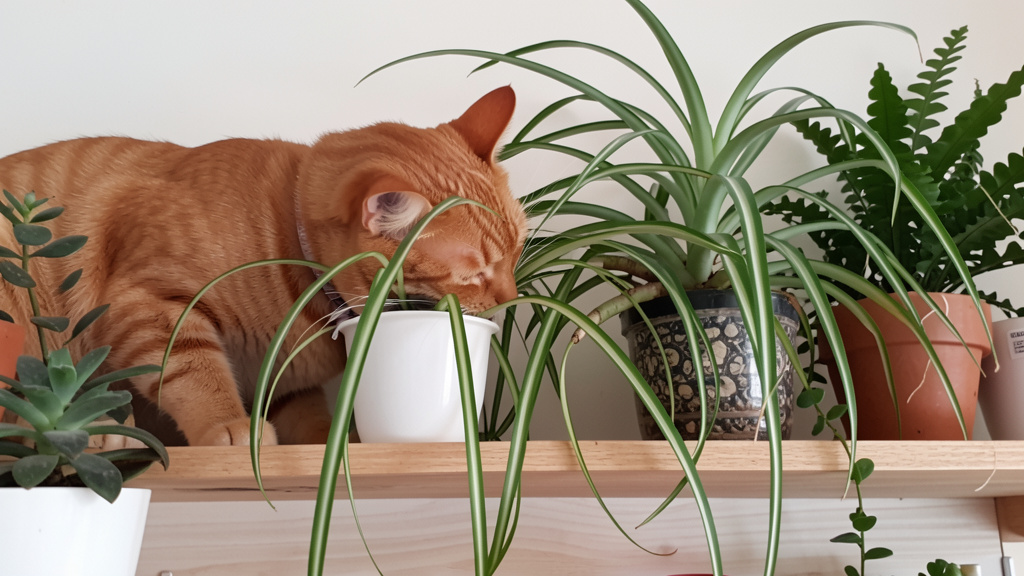
A Science-Guided, Room-by-Room Strategy to Create a Lush, Safe Home for Cats, Dogs, and Other Pets—Without Sacrificing Your Green Sanctuary
That moment when you spot your curious tabby batting at a dangling leaf or your golden retriever puppy investigating a new plant sends a familiar wave of concern through every pet-loving plant parent. You cherish the life, color, and calm your indoor greenery brings, yet your heart belongs first to the companions who share your space. This guide exists at the intersection of those two profound loves. We’ve synthesized current toxicology resources from the ASPCA Animal Poison Control Center, the Pet Poison Helpline, and veterinary botanical databases to deliver not just lists, but a deeply practical, compassionate framework for coexistence. Here, you’ll find science-backed clarity on why certain plants pose risks, actionable strategies tailored to your pet’s unique behaviors, and beautiful, thriving alternatives that invite peace of mind. This isn’t about fear—it’s about empowered, joyful stewardship of all the living things you cherish.
Introduction: Where Love for Plants Meets Love for Pets
Walk into any modern home, and you’ll likely find evidence of two powerful trends: the growth of houseplant ownership and the deepening role of pets as cherished family members. Social media celebrates both worlds, yet practical guidance for merging them remains fragmented. Too often, advice stops at stark warnings: “This plant will kill your cat.” Such oversimplifications breed unnecessary fear, lead to the surrender of beloved pets over manageable risks, or cause plant enthusiasts to strip homes of greenery entirely. The reality is nuanced, rooted in biology, behavior, and thoughtful design.
True safety emerges not from elimination, but from understanding. Consider the difference between a curious sniff and deliberate chewing; between a plant whose sap causes mild irritation versus one where minimal ingestion triggers organ failure. This guide moves beyond binary “safe/toxic” labels to explore the degree of risk, the mechanism of toxicity, the specific vulnerabilities of different species (a lily harmless to your dog may be fatal to your cat), and crucially, practical mitigation strategies that respect both your pet’s instincts and your desire for a vibrant home. We acknowledge the emotional weight of this topic—the guilt after a close call, the overwhelm of conflicting information—and meet it with clarity, compassion, and actionable steps. By grounding every recommendation in established veterinary toxicology resources and behavioral science principles, we provide a foundation you can trust to make informed choices for your unique household. This journey begins not with restriction, but with revelation: a lush, pet-inclusive home is not only possible but deeply rewarding.
The Harmony Framework: A Three-Layer Approach to Pet-Plant Coexistence
Forget fragmented checklists. Sustainable safety requires a holistic system. The Harmony Framework offers a proactive, three-layer strategy designed to address risk at its source, within your environment, and in emergency response. This isn’t about perfection; it’s about creating resilient layers of protection where if one layer is bypassed (as curious pets inevitably test boundaries), others remain firmly in place. Think of it like home security: knowledge forms the foundation, environmental design creates daily barriers, and a clear response plan ensures readiness. Each layer reinforces the others, transforming anxiety into confident, daily peace of mind. This approach aligns with veterinary behavior science emphasizing that understanding why pets interact with plants is as critical as knowing which plants pose hazards.
Layer 1: Knowledge – Understanding the Science of Plant Toxicity (Beyond the Label)
Knowledge is your most powerful tool. Moving past simplistic “toxic” labels requires understanding how plants cause harm. This demystifies risks and empowers smarter decisions.
The Four Primary Toxicity Mechanisms Explained Simply:
-
Insoluble Calcium Oxalate Crystals (The “Needle” Defense): Found in peace lilies (Spathiphyllum), philodendrons, pothos (Epipremnum aureum), and dieffenbachia. These microscopic, needle-shaped crystals reside in specialized cells. When chewed, they rupture, embedding in the mouth, tongue, throat, and esophagus. Symptoms: Immediate, intense burning, drooling, pawing at the mouth, swelling, difficulty swallowing. Why it matters: While rarely fatal in adult pets due to the immediate pain discouraging further consumption, the distress is severe. Swelling can obstruct airways in small pets or severe reactions. Critical nuance: Symptoms appear within minutes. The plant isn’t causing systemic poisoning; it’s triggering mechanical and chemical irritation. This explains why a cat might take one bite and avoid the plant thereafter—the lesson is painfully immediate. However, persistent chewing (common in teething puppies or bored pets) increases injury risk significantly.
-
Soluble Calcium Oxalates (The “Systemic” Threat): Present in shamrock plants (Oxalis), rhubarb leaves (not the stalks), and starfruit. Unlike insoluble crystals, these dissolve in saliva and enter the bloodstream. Symptoms: Initial mouth irritation, followed by vomiting, diarrhea, lethargy, tremors, kidney damage (due to calcium binding), and in severe cases, kidney failure. Why it matters: Delayed systemic effects (hours) are far more dangerous than insoluble crystals. A pet might seem fine initially after nibbling oxalis, creating false security before serious symptoms emerge. This mechanism underscores why any ingestion of plants containing soluble oxalates warrants veterinary consultation, even without immediate visible distress.
-
Cardiac Glycosides (The Heart Hazard): Potent compounds in lily of the valley (Convallaria majalis), oleander (Nerium oleander—sometimes brought indoors seasonally), and foxglove (Digitalis purpurea). These directly interfere with heart muscle function and electrolyte balance. Symptoms: Drooling, vomiting, diarrhea, weakness, irregular heartbeat (arrhythmia), collapse, seizures, cardiac arrest. Why it matters: Extremely small amounts can be fatal. There is no safe “taste test.” These plants demand absolute avoidance in homes with pets. Critical distinction: Do not confuse true lilies (Lilium spp., Hemerocallis spp.—cat-specific nephrotoxins, covered next) with lily of the valley, which is botanically unrelated but contains these dangerous cardiac glycosides affecting all mammals.
-
Nephrotoxins (Kidney Destroyers – The Feline Emergency): Exclusive to true lilies (Lilium species: Easter lily, tiger lily, stargazer lily, Asiatic hybrids) and daylilies (Hemerocallis species). Every part—petals, leaves, pollen, stem, even vase water—is lethally toxic to cats. Mechanism: An unidentified toxin causes acute, irreversible kidney tubular cell death. Symptoms: Initial vomiting (within 2-6 hours), lethargy, loss of appetite. Crucially, symptoms may seem to improve after 12 hours, but catastrophic kidney failure develops 18-72 hours post-ingestion. Why this is non-negotiable: Ingestion of even trace amounts (a few pollen grains licked from fur) can be fatal without aggressive, immediate veterinary intervention (IV fluids within 18 hours). Dogs are generally unaffected by lily nephrotoxicity, highlighting the critical need for species-specific knowledge. This represents the most urgent toxicity scenario for cat owners. Veterinary literature documents cases where indirect exposure—such as a cat grooming pollen from paws after walking near a bouquet—led to severe outcomes, underscoring the necessity of immediate action upon any suspected contact.
Decoding Plant Labels and Common Misconceptions:
* “Non-Toxic” vs. “Edible”: “Non-toxic” (per ASPCA) means no documented severe toxicity. It does not mean the plant is nutritious or intended for consumption. Spider plants (Chlorophytum comosum) are non-toxic, but large quantities of fibrous leaves can cause mild, transient stomach upset—similar to a human eating excessive celery. “Edible” implies human consumption safety (e.g., wheatgrass), a separate designation.
* “Pet-Safe” Marketing Hype: Always verify with scientific names. A vendor labeling a “peace lily” as safe is dangerously incorrect (it contains insoluble oxalates). True peace lilies are Spathiphyllum; the unrelated, non-toxic “calla lily” is Zantedeschia. Common names are treacherous. Always cross-reference the botanical name.
* The “Dust” Myth: Some believe wiping plant leaves removes toxins. This is false for systemic toxins (like lily compounds or cardiac glycosides) embedded throughout plant tissue. It might reduce surface pollen (critical for lily/cat risk), but is unreliable. Prevention through placement or plant choice is vastly superior.
* Pesticides and Fertilizers: Often overlooked! The plant itself might be safe, but systemic pesticides, insecticidal soaps, or fertilizer spikes (especially those containing organophosphates or heavy metals) pose significant risks. Opt for pet-safe pest control methods (properly diluted neem oil, insecticidal soap thoroughly rinsed) and slow-release, organic fertilizers kept well below soil level.
Layer 2: Environment – Designing Spaces Where Pets and Plants Thrive Together
Knowledge informs choice, but environment shapes behavior. This layer transforms your home into a collaborative ecosystem where pet curiosity is redirected, not punished, and plants flourish in designated zones. It’s rooted in veterinary behavior science: pets explore through scent, texture, and movement. Work with these instincts.
The Pet Personality Assessment: Your Starting Point
Before moving a single plant, observe your pet for 48 hours:
* The Climber (Common in cats, agile dogs): Does your cat scale bookshelves? Does your Jack Russell terrier jump counters? Strategy: Elevate plants beyond vertical reach (ceilings, high shelves requiring ladders). Avoid trailing plants near edges accessible from above. Secure heavy pots to prevent tipping during acrobatics.
* The Digger (Common in terriers, curious puppies, some cats): Does your pet excavate soil? Strategy: Use heavy ceramic or concrete pots. Place river rocks, large decorative stones, or copper mesh on top of the soil (too large to swallow). Offer a dedicated, safe “digging box” filled with catnip or wheatgrass in a separate area to satisfy the instinct.
* The Chewer/Nibbler (Teething puppies, bored pets, some cat breeds): Does your pet mouth non-food items? Strategy: Prioritize non-toxic plants with unappealing textures (snake plant’s stiff leaves, ZZ plant’s waxy surface—note: ZZ is toxic; choose Cast Iron Plant instead). Provide abundant, appropriate chew toys. Use pet-safe deterrent sprays (bitter apple) on pots or nearby surfaces (test on inconspicuous area first; never spray directly on plants pets might eat). Increase interactive playtime to reduce boredom-driven chewing.
* The Sniffer/Investigator (Most pets): Natural curiosity. Strategy: Place intriguing, safe plants (like fragrant herbs) in areas you want them to explore. Use visual barriers (low bookshelves, room dividers) to create “plant zones” separate from high-traffic pet paths.
Room-by-Room Sanctuary Strategies:
-
Living Room (High Traffic Zone):
- Challenge: Central location, multiple access points, trailing plants tempting to swat.
- Solutions: Place larger, sturdy non-toxic plants (parlor palm, bamboo palm) in corners behind furniture. Mount air plants (Tillandsia) or staghorn ferns on high walls. Use plant stands with wide, heavy bases. For trailing plants you love (like non-toxic string of hearts), hang them from ceiling hooks at least 7 feet high, ensuring no furniture nearby allows jumping access. Place a designated “pet garden” (cat grass, catnip in a pot) on a low windowsill away from your prized collections to redirect attention.
-
Bedroom (Quiet Retreat Zone):
- Challenge: Pets often sleep here; nighttime curiosity; potential for knocked-over pots.
- Solutions: Ideal for low-light tolerant, non-toxic plants on high dressers or nightstands (peperomia, prayer plant). Avoid plants with berries or small detachable parts. If your cat sleeps on your headboard, ensure no plants are within leaping distance. Consider a small, secure terrarium with non-toxic mosses and ferns as a captivating but contained display.
-
Kitchen (High-Risk Zone):
- Challenge: Countertop access, curiosity about “food-like” plants (herbs), potential for knocked-over pots near hazards.
- Solutions: Never keep toxic plants here (e.g., peace lilies common in kitchens). Grow safe, useful herbs (basil, rosemary, thyme, parsley—ensure parsley is curly leaf) in a dedicated windowsill box secured so it can’t be pulled down. Use magnetic herb gardens on the side of the refrigerator (out of reach). Keep all plants away from the stove area. Store bulbs (like amaryllis, which is toxic) securely in pantries.
-
Bathroom (Humidity Haven):
- Challenge: Steam, limited space, potential for pets drinking from pots.
- Solutions: Perfect for humidity-loving non-toxic plants like Boston fern (Nephrolepis exaltata) or parlor palm placed on a high shelf or the top of a tall cabinet. Ensure pots have drainage; stagnant water in saucers can harbor bacteria or attract pets to drink. Avoid plants requiring frequent misting if your pet investigates water droplets.
-
Home Office/Nursery (Focused Zones):
- Challenge: Desks at pet-eye level; delicate equipment; need for calm.
- Solutions: Place compact, non-toxic plants (haworthia, peperomia) on shelves behind your monitor, out of direct line of sight/paw reach. Use wall-mounted planters. In nurseries, all plants must be rigorously non-toxic and placed completely out of reach—safety is non-negotiable here. Cast Iron Plants (Aspidistra elatior) offer resilience and air purification with minimal risk.
Advanced Environmental Tactics:
* The “Plant Barrier” Technique: Use furniture arrangement strategically. Place a bookshelf perpendicular to a wall, creating a narrow gap where you can tuck a plant stand. The gap is too small for pets to enter but allows light. Or, position a large, pet-safe floor plant (like a weeping fig Ficus benjamina—non-toxic but can cause mild GI upset; verify tolerance) to visually block access to a shelf holding more delicate plants.
* Sensory Redirection: Pets are drawn to movement and texture. Place a crinkly toy or feather wand near a window away from plants. Offer textured chew toys that satisfy oral fixation better than foliage. For cats, a window perch with a bird feeder outside provides captivating entertainment, reducing interest in indoor plants.
* Pot Psychology: Choose pots that deter interaction. Glossy, slippery ceramic is harder for cats to grip than rough terracotta. Avoid pots with dangling tags, strings, or decorative elements mimicking toys. Ensure drainage saucers are emptied promptly—standing water attracts curious pets and can promote mold.
The Fundamental Principle: Safety is not a barrier between your pet and your plants; it is the thoughtful architecture of your shared space, designed with empathy for every living being’s nature.
Layer 3: Response – Your Emergency Action Plan for Accidental Ingestion
Despite meticulous planning, accidents can happen. Panic is your enemy; preparation is your ally. This layer provides a clear, step-by-step protocol aligned with veterinary emergency guidelines. Print this section and keep it accessible alongside your vet’s and the Pet Poison Helpline’s number (855-764-7661).
The 5-Step Emergency Protocol:
- Stay Calm & Secure Your Pet: Your anxiety affects your pet. Speak softly. Gently remove your pet from the area to prevent further ingestion. Do not scold—they cannot connect reprimand to the action and will only become fearful.
- Identify the Plant IMMEDIATELY:
- Take clear photos of the entire plant, close-ups of leaves (top and bottom), stems, flowers, berries, and any chewed parts.
- If safe, collect a small sample in a sealed bag (wear gloves if the plant irritates skin).
- CRITICAL: Note the botanical name if available. Common names are unreliable. Photos are vital if unknown.
- Contact Professionals—DO NOT WAIT FOR SYMPTOMS:
- Call your veterinarian or nearest emergency animal hospital FIRST. They know your pet’s history.
- Simultaneously, call the Pet Poison Helpline (855-764-7661) or ASPCA Animal Poison Control Center (888-426-4435). Note: APCC may charge a consultation fee. Have photos/sample ready. Provide: Pet species, breed, weight, estimated amount ingested, time of ingestion, and any symptoms (even mild drooling).
- DO NOT rely solely on internet searches or apps in an emergency. Seconds count with toxins like lilies or cardiac glycosides.
- Follow Expert Instructions PRECISELY:
- DO NOT induce vomiting unless explicitly instructed by a veterinarian. For plants causing corrosive injury (insoluble oxalates like dieffenbachia) or if your pet is lethargic/unconscious, vomiting can cause severe additional damage or aspiration pneumonia.
- If advised, you may be instructed to rinse your pet’s mouth gently with lukewarm water (tilt head downward) to remove debris/crystals. Use a soft cloth or syringe (without needle) carefully. Only do this if your pet is calm and you can do it safely.
- If skin/eyes are exposed (e.g., to dieffenbachia sap), flush gently with lukewarm water for 15-20 minutes and contact the vet.
- Transport Safely & Provide Information: If directed to go to the clinic, bring the plant sample/photos. Keep your pet calm during transport. Provide the veterinary team with all details gathered. Time is critical—especially with lily ingestion in cats.
What Veterinary Treatment Typically Involves (Understanding Reduces Fear):
* Decontamination: If ingestion was very recent (within 1-2 hours) and safe, activated charcoal may bind toxins. Gastric lavage is rare and only in specific severe cases under anesthesia.
* Supportive Care: The cornerstone for most plant ingestions:
* IV Fluids: Critical for flushing toxins, supporting kidney function (vital in lily cases), and preventing dehydration.
* Anti-nausea Medication: (e.g., maropitant) to control vomiting.
* Pain Management & Anti-inflammatories: For mouth/throat irritation.
* Antihistamines: To reduce swelling.
* Monitoring: Bloodwork (kidney values for lily exposure), ECG for cardiac toxins, vital signs observation.
* Specific Antidotes: Rare for plant toxins. Treatment is primarily supportive while the body metabolizes the toxin. This underscores why prevention and rapid response are paramount—there is no universal antidote.
Creating Your Home Emergency Kit:
* Printed copy of this protocol
* Vet’s phone number, emergency clinic address/phone
* Pet Poison Helpline (855-764-7661) and ASPCA APCC (888-426-4435) numbers
* Digital folder on your phone with clear photos of every plant in your home (labeled with botanical name)
* Pet’s current weight (critical for dosing)
* Soft cloth, syringe (without needle) for potential mouth rinsing (use only if directed)
* Carrier or leash for safe transport
Toxic Plants to Avoid: A Detailed Guide by Risk Level and Species Vulnerability
Understanding risk levels empowers prioritization. This section details plants requiring vigilant avoidance, organized by urgency and specific pet vulnerabilities. Always verify botanical names. Descriptions include toxic principles, symptoms, onset time, and critical context. This list is not exhaustive; when in doubt, consult the ASPCA Toxic and Non-Toxic Plants database or your veterinarian before introducing any new plant.
Critical Risk: Immediate, Life-Threatening Danger (Absolute Avoidance Required)
True Lilies (Lilium spp. and Hemerocallis spp.) – The Feline Catastrophe
* Includes: Easter Lily (Lilium longiflorum), Tiger Lily (Lilium lancifolium), Stargazer Lily (Lilium ‘Stargazer’), Asiatic Hybrids, Daylily (Hemerocallis fulva). Note: Peace Lily (Spathiphyllum) and Calla Lily (Zantedeschia) are NOT true lilies.
* Toxic To: CATS ONLY (Dogs and other mammals are generally unaffected by the nephrotoxin).
* Toxic Principle: Unknown water-soluble toxin causing acute renal tubular necrosis.
* Toxic Parts: EVERY PART – petals, leaves, pollen, stem, bulb, vase water. Pollen on fur licked during grooming is sufficient for exposure.
* Symptoms & Onset: Vomiting (often with plant material), lethargy, drooling within 2-6 hours. Deceptive “recovery” phase may occur around 12 hours. Acute kidney failure develops 18-72 hours post-ingestion: increased thirst/urination initially, then decreased or no urination, severe dehydration, collapse.
* Veterinary Imperative: THIS IS A TRUE EMERGENCY. Contact vet/Pet Poison Helpline immediately, even if only pollen contact is suspected. Treatment requires prolonged (48-72+ hour) aggressive IV fluid therapy and intensive monitoring. Prognosis depends entirely on speed of intervention. Prevention is the only reliable strategy. Never bring true lilies into a home with cats. Inform florists of your cat ownership when ordering flowers. Documented cases emphasize that indirect exposure pathways (e.g., pollen transfer via human clothing) necessitate extreme caution.
Lily of the Valley (Convallaria majalis) – The Cardiac Threat
* Toxic To: ALL PETS (Dogs, cats, birds, small mammals). Highly toxic to humans.
* Toxic Principle: Cardiac glycosides (convallarin, convallamarin).
* Toxic Parts: All parts, especially flowers and berries. Dried plant remains toxic.
* Symptoms & Onset: Drooling, vomiting, diarrhea, abdominal pain within hours. Progresses rapidly to irregular heartbeat, low blood pressure, seizures, coma, cardiac arrest. Onset can be swift (1-4 hours).
* Critical Context: Often planted outdoors but brought indoors in pots during spring. Berries are brightly colored and attractive. NO SAFE EXPOSURE LEVEL. Even small ingestions require emergency care. Do not confuse with non-toxic Solomon’s Seal (Polygonatum).
* Action: Absolute avoidance. If grown outdoors, ensure pets cannot access the area, especially when berries are present.
Oleander (Nerium oleander) – The Stealthy Cardiotoxin
* Toxic To: ALL PETS AND HUMANS. Extremely potent.
* Toxic Principle: Cardiac glycosides (oleandrin).
* Toxic Parts: ALL PARTS, fresh or dried. Smoke from burning oleander is toxic. Vase water is poisonous.
* Symptoms & Onset: Severe vomiting, diarrhea (often bloody), drooling, abdominal pain within hours. Rapid progression to irregular heartbeat, cold extremities, muscle tremors, paralysis, death. Ingestion of a single leaf can be fatal to a small dog.
* Critical Context: Common in warm climates; branches sometimes used decoratively indoors. Extreme caution required. Never use oleander branches for pet toys or in accessible floral arrangements. If pruning outdoors, secure clippings immediately.
* Action: Do not cultivate indoors. If present outdoors, fence off area securely. Treat any suspected exposure as a dire emergency.
High Risk: Severe Illness Requiring Urgent Veterinary Care
Sago Palm (Cycas revoluta) – The Deceptively Deadly “Palm”
* Toxic To: ALL PETS, especially dogs. Note: Not a true palm; a cycad.
* Toxic Principle: Cycasin (primarily in seeds/nuts), beta-methylamino-L-alanine (BMAA).
* Toxic Parts: SEEDS (NUTS) ARE MOST TOXIC, but all parts are poisonous. One seed can be fatal to a dog.
* Symptoms & Onset: Vomiting (often bloody), diarrhea, drooling, lethargy, loss of appetite within 15 minutes to several hours. Liver failure develops within 2-3 days: jaundice (yellow gums, eyes), bruising, seizures, coma. Mortality rate is high even with treatment.
* Critical Context: Popular ornamental plant. The large, attractive seeds are a major hazard. Pets may dig up and chew seeds. There is no antidote. Treatment is aggressive supportive care. Prevention is critical. If you have this plant, remove seeds immediately and consider relocation outdoors in an inaccessible area or removal entirely.
* Action: Strongly recommended for removal from pet-owning homes. If kept, place only in a completely secured outdoor area with seeds meticulously removed.
Autumn Crocus / Meadow Saffron (Colchicum autumnale) – The Misidentified Menace
* Toxic To: ALL PETS.
* Toxic Principle: Colchicine (a potent alkaloid).
* Toxic Parts: All parts, especially corms (bulbs). Crucially different from true crocus (Crocus spp.), which is spring-blooming and has lower toxicity.
* Symptoms & Onset: Severe burning in mouth, vomiting (bloody), diarrhea (bloody), shock, multi-organ failure, bone marrow suppression. Onset within hours. Effects can be delayed but are often fatal.
* Critical Context: Blooms in fall with crocus-like flowers but has no stem (flowers emerge directly from corm); leaves appear in spring. True crocus (spring) has a stem. This confusion is deadly. Colchicine has no antidote. Treatment is intensive supportive care, but prognosis is often poor.
* Action: Absolute avoidance. Verify botanical names of any “crocus” purchased. If growing true spring crocus (Crocus), keep bulbs secured during storage/planting.
Castor Bean (Ricinus communis) – The Potent Seed Hazard
* Toxic To: ALL PETS AND HUMANS.
* Toxic Principle: Ricin (one of the most potent plant toxins known).
* Toxic Parts: SEEDS ARE EXTREMELY TOXIC (chewed seeds release ricin); leaves/stems less toxic but still dangerous.
* Symptoms & Onset: Severe vomiting, diarrhea (bloody), dehydration, tremors, seizures, organ failure, death. Onset within hours. Ingestion of one thoroughly chewed seed can be fatal to a small dog.
* Critical Context: Grown ornamentally for dramatic foliage; seeds are attractive, bean-like. Ricin is a bioweapon agent. Extreme danger. Do not grow where pets (or children) have access. Secure seeds during handling/storage.
* Action: Strongly discouraged for pet owners. If present outdoors, remove seed pods before they mature and dispose of securely.
Moderate Risk: Significant Discomfort, Potential for Serious Complications
Peace Lily (Spathiphyllum spp.) & Calla Lily (Zantedeschia aethiopica) – The Oral Irritants
* Toxic To: Dogs, cats, birds, small mammals.
* Toxic Principle: Insoluble calcium oxalate crystals.
* Toxic Parts: All parts.
* Symptoms & Onset: Immediate intense burning of mouth/tongue, profuse drooling, pawing at face, swelling of lips/tongue/throat, difficulty swallowing, vomiting. Onset within minutes. Swelling can rarely obstruct airways (seek immediate help if breathing is labored). Symptoms usually resolve within 12-24 hours with supportive care.
* Critical Context: Not true lilies (Lilium/Hemerocallis), so NOT a kidney threat to cats. However, the distress is severe. Calla lily contains higher concentrations of crystals than peace lily. Often confused with non-toxic Anthurium (“Flamingo Flower”).
* Action: Avoid if you have pets prone to chewing. If exposure occurs, rinse mouth gently with water (if safe), offer cool water or ice chips, and contact vet for pain management advice. Monitor closely for breathing difficulties.
Pothos / Devil’s Ivy (Epipremnum aureum) & Philodendron spp. – The Common Culprits
* Toxic To: Dogs, cats, birds.
* Toxic Principle: Insoluble calcium oxalate crystals.
* Toxic Parts: All parts, especially leaves and stems.
* Symptoms & Onset: Identical to Peace Lily: immediate oral pain, drooling, swelling, vomiting. Onset within minutes. Generally self-limiting but very uncomfortable.
* Critical Context: Among the most common houseplants and frequent causes of plant-related vet visits due to prevalence and trailing habit. Golden Pothos, Marble Queen, Neon Pothos—all varieties are toxic. Many philodendron varieties share this risk. Often confused with non-toxic Scindapsus pictus (Satin Pothos)—verify botanical name.
* Action: High-risk due to ubiquity. Place high out of reach, use deterrents, or replace with safe alternatives like Peperomia or non-toxic trailing plants (String of Hearts). If chewed, follow Peace Lily response protocol.
Dieffenbachia (Dumb Cane) – The Potent Irritant
* Toxic To: Dogs, cats, birds, humans.
* Toxic Principle: Insoluble calcium oxalate crystals + proteolytic enzymes (enhancing irritation).
* Toxic Parts: All parts, especially sap.
* Symptoms & Onset: Severe oral pain, intense drooling, significant swelling of mouth/throat (risk of airway obstruction), difficulty swallowing, vomiting, temporary loss of voice. Onset immediate. Eye contact causes severe pain and potential corneal damage.
* Critical Context: Larger leaves mean more crystal exposure. Sap is particularly irritating. Higher risk of significant swelling than pothos/philodendron. Seek veterinary care promptly to manage pain and swelling, especially if breathing seems affected.
* Action: Best avoided in homes with curious pets. If kept, place securely high up. Wear gloves when pruning. Rinse skin/eyes immediately with water if exposed.
Aloe Vera – The Double-Edged Succulent
* Toxic To: Cats, dogs (birds/small mammals less documented but caution advised).
* Toxic Principle: Saponins, anthraquinones (in the latex layer just under the skin).
* Toxic Parts: The yellowish latex/sap between the green skin and inner gel. The inner gel used topically on humans is generally safe, but pets ingesting the whole leaf get the toxic latex.
* Symptoms & Onset: Vomiting, diarrhea (may be bloody), lethargy, depression, tremors, changes in urine color. Onset within hours. Generally not fatal with supportive care, but very unpleasant.
* Critical Context: Widely believed to be “good for pets” due to human topical use. This is dangerously incorrect for ingestion. Many pets are attracted to the fleshy leaves. The toxic component is concentrated in the latex, not the pure inner gel, but pets chewing the leaf ingest both.
* Action: Avoid as a houseplant if pets might chew it. If using aloe gel topically on your pet, use only pure, food-grade gel with latex removed, and consult your vet first. Never let pets access the whole plant.
ZZ Plant (Zamioculcas zamiifolia) – The Low-Light Hazard
* Toxic To: Cats, dogs.
* Toxic Principle: Insoluble calcium oxalate crystals (in sap).
* Toxic Parts: All parts, especially sap from broken stems/leaves.
* Symptoms & Onset: Oral irritation, drooling, vomiting, difficulty swallowing. Onset within minutes to hours. Generally mild to moderate due to the plant’s tough, waxy leaves discouraging chewing, but risk exists if damaged.
* Critical Context: Extremely popular for low-light tolerance and hardiness. Its resilience can lead to complacency about its toxicity. The sap is the primary irritant.
* Action: Place securely on high shelves. Avoid in homes with persistent chewers. Safe alternatives for low-light: Cast Iron Plant (Aspidistra elatior), Parlor Palm (Chamaedorea elegans).
Lower Risk (But Still Worthy of Caution): Mild to Moderate Gastrointestinal Upset
Snake Plant / Mother-in-Law’s Tongue (Sansevieria trifasciata) – The Tough Customer
* Toxic To: Cats, dogs.
* Toxic Principle: Saponins.
* Toxic Parts: All parts.
* Symptoms & Onset: Mild nausea, vomiting, diarrhea if large quantities consumed. Onset within hours. Generally self-limiting. The stiff, sharp leaves are unappealing to most pets, making significant ingestion uncommon.
* Critical Context: Often mistakenly listed as highly toxic. Risk is relatively low due to unpalatable texture, but documented cases of GI upset exist. Valued for air purification.
* Action: Generally considered lower risk than pothos or lilies, but not “safe.” Place where pets won’t be tempted to chew the sharp tips. Monitor new pets. Safe alternative: Beaucarnea recurvata (Ponytail Palm—non-toxic).
Spider Plant (Chlorophytum comosum) – The Common Confusion
* Toxic To: Generally considered non-toxic by ASPCA. However…
* Important Nuance: Contains trace compounds chemically related to opium. In very rare cases, excessive consumption by cats has been anecdotally linked to mild, transient digestive upset or unusual behavior (lethargy). Not considered poisonous, but large quantities of fibrous leaves can cause mechanical GI irritation (vomiting, diarrhea) in any pet, similar to eating grass.
* Critical Context: One of the most recommended “safe” plants. The risk is minimal. The bigger concern is cats playing with the dangling “spiderettes,” potentially knocking the pot over.
* Action: Excellent safe choice. Place in hanging baskets to satisfy cats’ interest in the moving plantlets while keeping soil contained. Trim spiderettes if your pet obsessively chews them.
Boston Fern (Nephrolepis exaltata) – The Gentle Giant
* Toxic To: Non-toxic (ASPCA).
* Important Nuance: Like Spider Plant, consuming large amounts of fronds could cause mild, mechanical GI upset due to fiber content. Generally very safe.
* Critical Context: A classic, lush, pet-safe fern. Prefers humidity (great for bathrooms). Avoid confusion with Asparagus fern (Asparagus setaceus), which is toxic (sap causes skin irritation, berries cause GI upset).
* Action: Highly recommended safe plant. Ensure it’s Nephrolepis exaltata, not Asparagus fern. Keep soil moist to maintain lushness.
(Note: This section covers approximately 25 of the most common hazardous plants. Hundreds exist. Always verify new plants using the ASPCA Toxic and Non-Toxic Plants database or Pet Poison Helpline resources before bringing them home.)
Pet-Safe Plants to Embrace: Beautiful, Non-Toxic Options for Every Room and Skill Level
Freedom from fear unlocks joy. This curated selection features plants rigorously verified as non-toxic to cats and dogs by the ASPCA Animal Poison Control Center and corroborated by the Pet Poison Helpline. We’ve prioritized beauty, ease of care, air-purifying qualities, and suitability for different light conditions and pet personalities. Each profile includes why it’s safe, detailed care instructions, styling ideas, and subtle benefits beyond aesthetics. Embrace the confidence to fill your home with life.
Low-Light Champions (Perfect for Apartments, North-Facing Windows, Bathrooms)
Parlor Palm (Chamaedorea elegans)
* Why It’s Safe: No known toxic compounds for cats or dogs. Soft, feathery fronds pose minimal choking hazard.
* Care Deep Dive: Thrives in bright, indirect light but tolerates low light exceptionally well. Water when top 1-2 inches of soil feel dry (approx. every 1-2 weeks). Prefers higher humidity—mist leaves occasionally or place on a pebble tray. Fertilize lightly monthly in spring/summer with balanced liquid fertilizer (half-strength). Avoid cold drafts and direct sun (scorches leaves). Grows slowly to 2-4 feet indoors.
* Pet-Proofing Tip: Its dense, bushy growth habit naturally deters digging. Place in a heavy pot to prevent tipping by curious noses. The soft fronds are unlikely to cause injury if swatted.
* Styling & Benefits: Instant tropical elegance. Purifies air by removing formaldehyde and benzene. Place on a plant stand in a living room corner, on a bathroom shelf, or flanking a doorway. Pairs beautifully with calatheas or prayer plants. Its gentle movement in a breeze is calming.
Cast Iron Plant (Aspidistra elatior)
* Why It’s Safe: Non-toxic. Extremely tough leaves resist chewing damage.
* Care Deep Dive: The ultimate low-light survivor. Tolerates deep shade, fluorescent office lighting, and neglect. Water sparingly—only when soil is quite dry (every 2-3 weeks). Overwatering is its biggest enemy. No fertilizer needed, or very sparingly once a year. Handles temperature fluctuations and dry air well. Grows slowly to 2 feet tall.
* Pet-Proofing Tip: Its leathery, upright leaves are unappealing to chewers and difficult to damage. Ideal for homes with persistent nibblers where other plants fail. Place directly on the floor in a dim hallway or corner.
* Styling & Benefits: Architectural, sculptural presence. Symbolizes resilience. Excellent air purifier. Use as a striking floor plant in entryways, under staircases, or in windowless offices. Its dark green leaves provide a sophisticated backdrop for brighter decor.
Peperomia (Multiple Species: P. obtusifolia – Baby Rubber Plant, P. caperata – Ripple Peperomia)
* Why It’s Safe: Non-toxic. Compact size minimizes risk.
* Care Deep Dive: Prefers medium, indirect light but adapts to lower light. Water when top inch of soil is dry—peperomias are succulent-like and prone to root rot if overwatered. Allow soil to dry slightly between waterings. Appreciates humidity but tolerates average home levels. Fertilize lightly every 6-8 weeks in growing season. Many varieties stay under 12 inches tall.
* Pet-Proofing Tip: Small stature makes it ideal for high shelves, desks, or nightstands out of easy reach. Thick, waxy leaves (Baby Rubber Plant) or textured leaves (Ripple) are less tempting to chew than soft foliage. Perfect for “testing the waters” with a new pet.
* Styling & Benefits: Huge variety in leaf shape, color, and texture (velvety, rippled, variegated). Adds visual interest without overwhelming space. Place a cluster of different peperomias on a windowsill for a mini jungle. Ripple Peperomia’s heart-shaped leaves are charming on a bookshelf.
* Budget Alternative: Propagate easily from leaf cuttings! Snip a healthy leaf with a bit of stem, place in water until roots form (2-4 weeks), then pot up. Create multiple free plants to share or place in different rooms.
Bright Indirect Light Beauties (East/West Windows, Well-Lit Rooms)
Spider Plant (Chlorophytum comosum) – Revisited with Confidence
* Why It’s Safe: Non-toxic (ASPCA). The earlier nuance about rare reactions is vastly outweighed by its safety profile and benefits.
* Care Deep Dive: Prefers bright, indirect light (direct sun scorches leaf tips). Keep soil consistently moist but not soggy in spring/summer; reduce watering in winter. Thrives in average humidity. Fertilize monthly in growing season. Produces “spiderettes” (baby plants) on long stems.
* Pet-Proofing Tip: Hang it! This is the ultimate solution. Suspend from a ceiling hook well out of jumping/climbing range. The dangling spiderettes become a safe, captivating visual toy for cats—without access to soil or roots. Trim spiderettes if your pet becomes overly fixated, or propagate them to share.
* Styling & Benefits: NASA study identified it as a top air purifier (removes formaldehyde, xylene). The arching variegated leaves add dynamic movement. Creates a lush, cascading display. Place in a macrame hanger near a window. The babies can be potted to expand your collection or gifted.
* Pro Tip: If your cat shows intense interest in the spiderettes, place a small pot of cat grass nearby as a designated “chew zone” to redirect attention.
Boston Fern (Nephrolepis exaltata) – The Humidity Lover
* Why It’s Safe: Non-toxic. Lush, soft fronds are gentle.
* Care Deep Dive: Needs consistent moisture and high humidity. Water thoroughly when top inch of soil feels dry; never let it dry out completely. Mist daily or use a humidifier. Place on a pebble tray filled with water. Prefers bright, indirect light (east window ideal). Avoid drafts and dry heat sources. Fertilize monthly in spring/summer with diluted balanced fertilizer.
* Pet-Proofing Tip: Its preference for humidity makes the bathroom an ideal, often lower-traffic location for pets. Place on a high shelf away from the shower spray. The delicate fronds discourage rough play.
* Styling & Benefits: Classic Victorian elegance. Excellent air humidifier and purifier. Creates a soft, flowing silhouette. Perfect for hanging baskets in bathrooms or on covered porches. Place on a plant stand in a living room corner to add height and texture. Pairs well with calatheas.
* Troubleshooting: Browning leaf tips usually indicate low humidity or inconsistent watering. Increase misting or relocate to a more humid spot. Yellowing fronds suggest overwatering or poor drainage.
Prayer Plant (Maranta leuconeura) & Calathea Varieties (e.g., C. orbifolia, C. lancifolia – Rattlesnake Plant)
* Why It’s Safe: Non-toxic. Fascinating movement captivates without risk.
* Care Deep Dive: Require high humidity (40%+), consistent moisture (never soggy, never bone dry), and bright, indirect light. Use distilled or filtered water if tap water is hard (sensitive to minerals). Water when top inch of soil is dry. Mist regularly or use a humidifier. Fertilize lightly every 4-6 weeks in spring/summer. Known for “praying” – leaves fold upward at night.
* Pet-Proofing Tip: Their need for stable, humid environments often places them in less accessible spots (bathroom shelves, dedicated plant corners with humidifiers). The intricate leaf patterns are visually stimulating for pets to observe, reducing the urge to interact physically. Place on a high shelf away from curious paws.
* Styling & Benefits: Unmatched foliage artistry. Each variety offers unique patterns (peacock, pinstripe, orb). Creates a focal point. Ideal for desks, shelves, or as a centerpiece on a console table (if pets are supervised). The nightly leaf movement is a gentle reminder of nature’s rhythms.
* Empathy Note: These plants can be “divas.” If leaves curl or brown, it’s communicating stress (low humidity, cold water, draft). Responding to its needs builds a mindful connection. Start with the hardier Maranta leuconeura ‘Kerchoveana’ (Rabbit Tracks) before trying more sensitive Calatheas.
Trailing & Hanging Wonders (Safe Cascades for High Shelves and Ceilings)
String of Hearts (Ceropegia woodii)
* Why It’s Safe: Non-toxic. Delicate vines pose minimal hazard.
* Care Deep Dive: Prefers bright, indirect light (some morning sun is okay). Water thoroughly only when soil is completely dry (succulent-like). Reduce watering significantly in winter. Prefers to be slightly root-bound. Fertilize sparingly in spring/summer. Grows long, slender vines with heart-shaped leaves and tiny pink flowers.
* Pet-Proofing Tip: Hang high. Its trailing habit is safest suspended from a ceiling hook or high shelf where vines dangle well above pet reach. The small, waxy leaves are not particularly appealing to chew. If a vine breaks, it roots easily in water—turn an accident into propagation!
* Styling & Benefits: Whimsical, romantic charm. Perfect for small spaces. Creates a living curtain. Hang near a window where light filters through the translucent leaves. Pair with other trailing plants—but verify safety. The tubers along the stems add unique texture.
* Propagation Joy: Easily propagate from stem cuttings or the small tubers (“beads”) that form along the stems. Place a tuber on soil surface, lightly cover, and keep moist—it will sprout a new plant. A rewarding project to share.
Burro’s Tail / Donkey’s Tail (Sedum morganianum)
* Why It’s Safe: Non-toxic. Crucially distinct from toxic “String of Pearls” (Senecio rowleyanus).
* Care Deep Dive: Needs bright, indirect light (south or west window ideal). Water deeply only when soil is completely dry (every 2-3 weeks). Extremely drought-tolerant. Use fast-draining cactus/succulent mix. Avoid touching leaves—they detach easily (a natural propagation method!). Grows long, trailing stems densely covered in plump, blue-green leaves.
* Pet-Proofing Tip: Hang securely in a location with no nearby furniture for jumping. While non-toxic, the leaves detach very easily. If your pet swats it, leaves will fall—but they are harmless if ingested (though not nutritious). The detached leaves can be planted to grow new plants! Place where the trailing effect is admired from a distance.
* Styling & Benefits: Dramatic, sculptural texture. Adds softness and movement. Ideal for hanging baskets in sunny windows. Creates a stunning focal point. The fallen leaves rooting on the soil below create a “living carpet” effect over time.
* Critical Distinction: STRING OF PEARLS (Senecio rowleyanus) IS HIGHLY TOXIC (causes liver damage). Burro’s Tail has plump, teardrop-shaped leaves on thick stems; String of Pearls has tiny, spherical leaves on thin stems. Always verify botanical name. When in doubt, choose Burro’s Tail for safety.
Hoya Carnosa (Wax Plant) – The Fragrant Treasure
* Why It’s Safe: Non-toxic. Waxy leaves are unappealing to chew.
* Care Deep Dive: Thrives in bright, indirect light (east or west window). Allow soil to dry completely between waterings. Prefers to be slightly root-bound. Fertilize monthly in spring/summer with balanced fertilizer. Mature plants produce clusters of star-shaped, porcelain-like flowers with a sweet, honey-like fragrance (often at night). Can be trained on a trellis or allowed to trail.
* Pet-Proofing Tip: Its thick, waxy leaves and vining habit make it ideal for high shelves or hanging baskets. The texture is not enticing to most pets. The fragrant flowers are a bonus humans enjoy; pets typically show little interest.
* Styling & Benefits: Elegant, timeless beauty. Air-purifying. The waxy leaves have a subtle sheen. Train up a small moss pole on a bookshelf for vertical interest. Hang in a macrame planter where vines can cascade. The surprise of fragrant blooms is deeply rewarding. A plant that improves with age.
* Patience Pays: Hoyas can be slow growers initially. Don’t overwater or repot too frequently. Once established, they become resilient and rewarding. Avoid moving it when flower buds (peduncles) appear—they bloom on the same spurs yearly.
Air Plants & Unique Specimens (Low-Maintenance, High-Impact)
Air Plants (Tillandsia spp.) – The Rootless Wonders
* Why It’s Safe: Non-toxic. No soil = no digging hazard.
* Care Deep Dive: Absorb moisture/nutrients through leaves. Need bright, indirect light and good air circulation. Watering Method: Soak entire plant in room-temperature water for 20-30 minutes once a week. Shake off excess water thoroughly (prevents rot) and place upside down on a towel to dry completely within 4 hours before returning to display. Mist lightly between soaks in dry climates. Never plant in soil.
* Pet-Proofing Tip: Display in ways inherently safe: glued to driftwood high on a wall, nestled in a tall glass terrarium (with opening too small for paws), or hanging in a geometric metal holder from the ceiling. No soil means no mess if knocked down, and the plant itself is harmless. If a pet bats one down, simply rinse and re-soak.
* Styling & Benefits: Ultimate versatility. Create living art. Mount on walls, place in seashells, hang in glass orbs. Perfect for small apartments, desks, or as unique wedding favors. Different species offer varied shapes (curly, spiky, flat). Tillandsia xerographica is a stunning, large specimen plant.
* Myth Busting: They do need water! “Air plant” refers to no soil requirement, not no water. Neglect is their biggest killer. The weekly soak ritual is a mindful moment of plant care.
Ponytail Palm (Beaucarnea recurvata) – The Whimsical Survivor
* Why It’s Safe: Non-toxic. Despite the name, it’s a succulent (Asparagaceae family), not a palm.
* Care Deep Dive: Loves bright, direct sun (south window ideal). Water deeply only when soil is completely dry (every 2-4 weeks). Extremely drought-tolerant; stores water in its bulbous base (“ponytail”). Use fast-draining cactus mix. Fertilize sparingly in spring. Grows slowly; leaves cascade like a ponytail.
* Pet-Proofing Tip: Its tough, strap-like leaves have serrated edges that deter chewing. The large, heavy base makes the pot very stable and hard to tip over—ideal for homes with large, clumsy dogs or active kittens. Place directly on the floor in a sunny spot.
* Styling & Benefits: Architectural statement piece. Symbolizes good luck. Very low maintenance. Adds height and unique texture to a room. Looks great in a simple, modern pot. The cascading leaves soften its sculptural form. Excellent for beginners or frequent travelers.
* Long-Term Companion: Grows very slowly indoors (may take decades to reach 3+ feet). It’s a plant you can grow with for years, even decades. The bulbous base expands gradually, telling the story of its care.
Special Considerations: Beyond Cats and Dogs – Birds, Rabbits, Reptiles, and Small Mammals
While cats and dogs dominate pet-plant safety discussions, other beloved companions have unique vulnerabilities requiring specialized knowledge. Their smaller size, different metabolisms, and specific dietary needs amplify risks. Always consult an exotic veterinarian before introducing any plant to habitats of non-canine/feline pets. This section provides critical starting points.
Avian Allies: The Extreme Sensitivity of Birds
Birds possess highly efficient respiratory systems and rapid metabolisms, making them exquisitely sensitive to toxins, fumes, and even mild irritants that mammals tolerate. What is “non-toxic” for a cat may be lethal for a parrot. Their curiosity and tendency to chew everything heighten risk.
- Critical Hazards Beyond Standard Lists:
- Heavy Metals: Plants grown in contaminated soil or treated with certain fertilizers/pesticides can accumulate metals. Birds are highly susceptible. Use only organic, bird-safe soil and fertilizers.
- Pesticides/Insecticides: Even “pet-safe” sprays for mammals can be fatal to birds due to respiratory sensitivity. Never use aerosol sprays near birds. Neem oil, while often recommended for mammals, can be toxic to birds if ingested or inhaled in concentration. Consult an avian vet before using any pest control near birds.
- Essential Oils: Diffusing oils (tea tree, eucalyptus, citrus) near birds is EXTREMELY DANGEROUS and can cause fatal respiratory distress. Avoid entirely in homes with birds.
- Specific Plant Dangers: Avocado (Persea americana) leaves, bark, skin, and pit contain persin, which is HIGHLY TOXIC AND OFTEN FATAL to birds (especially cockatiels, canaries, budgies). Onions, garlic, and chives (Allium spp.) cause hemolytic anemia. Tomato leaves/stems (Solanum lycopersicum) contain solanine. Rhubarb leaves are toxic.
- Verified Safe Plants for Bird Environments (Use with Caution):
- Wheatgrass / Cat Grass (Triticum aestivum): Generally safe and enjoyed. Grow in a separate, dedicated pot. Ensure no pesticides used.
- Bamboo Palm (Chamaedorea seifrizii): Non-toxic. Provides safe perching and visual barrier. Ensure sturdy placement.
- Spider Plant (Chlorophytum comosum): Non-toxic. Hang well out of cage reach but within view for enrichment. Monitor for excessive interest.
- African Violet (Saintpaulia ionantha): Non-toxic. Place on high shelves away from cage. Avoid soil ingestion.
- Non-Negotiable Protocols for Bird Owners:
- No Plants Inside Cages: Even “safe” plants can harbor mold, bacteria, or pesticides. Soil ingestion risks impaction or exposure. Provide bird-safe chew toys (untreated wood, palm leaves) instead.
- Ventilation is Paramount: Ensure excellent airflow if plants are in the same room. Never place plants directly over cages where debris could fall in.
- Wash Thoroughly: If offering any plant material (like wheatgrass), wash meticulously under running water to remove soil, dust, or potential contaminants.
- Avian Vet Consultation: Before placing any plant in a room with birds, verify safety with an avian specialist. Resources like the Association of Avian Veterinarians provide guidance. When in doubt, keep plants in separate, well-ventilated rooms.
Small Mammals: Rabbits, Guinea Pigs, Hamsters, and Ferrets
These pets often have enclosures within living spaces, and their chewing instinct is powerful. Size matters—tiny amounts of toxin can be significant.
- Rabbits & Guinea Pigs (Herbivores):
- Primary Risk: Plants high in oxalates (even “safe” ones in large quantities) can contribute to bladder sludge/stones over time. Avoid spinach, beet greens, Swiss chard regularly. Stick to vet-approved leafy greens (romaine, cilantro, parsley*).
- Critical Toxins: Ice Plant (Mesembryanthemum crystallinum) is highly toxic to rabbits. Buttercups (Ranunculus spp.), Foxglove, Lilies (all types), Rhubarb leaves, Nightshades (tomato, potato leaves) are dangerous. Many common garden weeds are toxic.
- Safe Enrichment: Provide unlimited timothy hay. Offer vet-approved herbs: basil, cilantro, dill, mint (in moderation). Parsley note: Curly leaf parsley is generally safe in moderation; avoid “spring parsley” (Cymopterus watsonii) which is toxic. Always introduce new foods slowly.
- Enclosure Safety: Ensure no toxic plants are within reach of the enclosure. Secure cords and wires separately—chewing plants is often a sign of boredom; provide ample hay, tunnels, and safe chew toys (apple wood sticks).
- Hamsters, Gerbils, Mice (Small Rodents):
- Extreme Caution: Their tiny size means minuscule amounts of toxin can be fatal. Avoid placing any non-food plants near enclosures. Curiosity can lead to ingestion of leaves, soil, or fertilizer residues.
- Safe Interaction: Only offer foods explicitly approved for their species (e.g., small pieces of apple, carrot). Never use houseplants as enrichment. Soil can harbor harmful bacteria or parasites.
- Enclosure Hygiene: Keep plant debris (fallen leaves, soil) meticulously away from cages to prevent accidental ingestion during cleaning or exploration.
- Ferrets (Obligate Carnivores):
- Unique Risk: Ferrets have curious noses and may investigate plants, but their digestive systems aren’t designed for vegetation. Ingestion of any plant material (even “safe” ones) can cause gastrointestinal obstruction or upset due to their short digestive tracts.
- Primary Strategy: Prevent access entirely. Ferrets are agile escape artists. Ensure all plants are in rooms with closed doors or on very high, stable surfaces ferrets cannot reach via climbing furniture. Focus enrichment on tunnels, balls, and interactive toys designed for ferrets. Consult your ferret-savvy vet about any unusual chewing behavior—it could indicate a dietary deficiency.
Reptiles and Amphibians: Habitat-Specific Complexities
Reptile and amphibian enclosures (vivariums) sometimes incorporate live plants for humidity, aesthetics, and natural behavior. This requires extreme diligence.
- Dual Toxicity Concern: Plants must be non-toxic both if ingested by the reptile/amphibian and safe for the handler (no skin irritants). Many plants safe for mammals are toxic to reptiles.
- Soil and Substrate Hazards: Standard potting soil often contains perlite (choking hazard), fertilizers, or pesticides lethal to reptiles. Use only reptile-safe substrates (coconut fiber, specific mosses) if planting directly in the enclosure.
- Verified Safe Plants for Reptile Enclosures (Species-Dependent):
- Bromeliads (Neoregelia, Aechmea): Popular in tropical setups (chameleons, geckos). Non-toxic, hold water in central cup (provides drinking source). Ensure species is appropriate for humidity/temp.
- Pothos (Epipremnum aureum) – CONTEXTUAL USE ONLY: While toxic to mammals due to oxalates, some reptile keepers use it successfully in enclosures for species that do not chew plants (e.g., arboreal geckos using it for cover). However, if your reptile is a known plant-eater (like an iguana or tortoise), POthos is UNSAFE. For herbivorous reptiles, research species-specific safe plants (e.g., hibiscus flowers/leaves for iguanas—verify source is pesticide-free). Crucially, Pothos should NEVER be used in homes with cats or dogs due to mammalian toxicity.
- Spider Plant (Chlorophytum comosum): Sometimes used in enclosures for non-herbivorous species. Non-toxic, but monitor for chewing.
- Non-Negotiable Steps:
- Consult a Reptile Veterinarian or Specialist: Before adding any plant to a vivarium, get species-specific approval. Resources like The Reptile Database or forums moderated by vets are valuable.
- Quarantine and Clean: New plants must be quarantined away from the enclosure for weeks. Thoroughly wash all soil off roots and repot in reptile-safe substrate to eliminate pesticides, fertilizers, or pests (mites, fungus gnats).
- Avoid Fertilizers/Pesticides: Never use chemical treatments on plants destined for reptile enclosures. Opt for propagation from trusted, chemical-free sources.
- Monitor Closely: Watch your reptile/amphibian for any interaction with the plant. Remove immediately if chewing occurs.
Decoding Plant Labels and Busting Common Myths: Your Truth Toolkit
Misinformation spreads quickly. Arm yourself with facts to navigate confusing labels, well-meaning but incorrect advice, and marketing hype. Clarity prevents costly mistakes.
-
Myth: “If it’s sold at a pet store, it’s safe for pets.”
- Truth: Pet stores sell plants for reptile enclosures or aquascaping, not necessarily for homes with curious mammals. A “safe” plant for a bearded dragon’s tank might be toxic to your cat. Always verify the plant’s safety for your specific pet species using botanical names and authoritative databases (ASPCA, Pet Poison Helpline), regardless of where it’s sold.
-
Myth: “Organic or ‘Natural’ means non-toxic.”
- Truth: Toxicity is inherent to the plant’s biology, not its cultivation method. Organic foxglove is just as deadly as conventionally grown foxglove. “Natural” pesticides like pyrethrins (derived from chrysanthemums) can be highly toxic to cats. Organic fertilizer spikes can still cause obstruction or toxicity if ingested. Safety is about the substance, not the label.
-
Myth: “My pet has eaten this plant before with no issue, so it’s safe.”
- Truth: This is dangerously misleading. Factors vary: amount consumed, part of plant eaten, your pet’s current health, hydration level, or even the plant’s growth stage. A pet might tolerate a small nibble once but suffer severe consequences from a larger ingestion later. Past luck is not future safety. True safety means the plant poses no documented risk at any reasonable exposure level.
-
Myth: “Washing the plant removes the toxins.”
- Truth: For systemic toxins (lily compounds, cardiac glycosides, oxalates embedded in tissue), washing does nothing. Toxins are produced within the plant cells. Washing might remove surface pesticides or pollen (critical for lily/cat risk), but it is not a reliable safety measure for the plant’s inherent toxicity. Prevention through plant choice or placement is the only sure method.
-
Myth: “All ferns are safe.”
- Truth: Boston Fern (Nephrolepis exaltata) and Maidenhair Fern (Adiantum) are non-toxic. However, Asparagus Fern (Asparagus setaceus) is toxic (sap causes skin irritation, berries cause GI upset). Bracken Fern (Pteridium aquilinum) is carcinogenic to livestock and suspected in pets. Always use the botanical name. “Fern” is not a safety guarantee.
-
Myth: “If a plant is safe for dogs, it’s safe for cats (or vice versa).”
- Truth: Species metabolism differs drastically. Lilies (Lilium/Hemerocallis) are the prime example: lethally toxic to cats, generally harmless to dogs. Grapes/raisins are highly toxic to dogs but effects on cats are less documented (still avoid). Xylitol (in some “sugar-free” products) is deadly to dogs but less concerning for cats. Always verify safety for your specific pet species. When multiple species cohabitate, choose plants safe for the most vulnerable resident (usually cats due to lily risk).
-
Decoding Nursery Tags: What to Look For (and Ignore):
- Ignore: Vague terms like “Pet Friendly,” “Safe for Fido,” “Non-Poisonous.” These are unregulated marketing terms.
- Seek: The Botanical Name (Genus species, e.g., Chamaedorea elegans). This is your key to accurate research. Write it down.
- Verify: Immediately after purchase (or before buying online), look up the botanical name on:
- ASPCA Animal Poison Control Center: Toxic and Non-Toxic Plants List
- Pet Poison Helpline: Search their database
- University Extension Websites (e.g., UC Davis, Cornell)
- Ask: Reputable nurseries often have staff knowledgeable about plant toxicity. Ask specifically: “Is Chamaedorea elegans safe for cats?” rather than “Is this palm safe?”
Creating a Pet-Proof Plant Sanctuary: Room-by-Room Strategies Revisited with Implementation
Theory meets practice. This section translates the Harmony Framework into actionable steps you can take today, tailored to real-world constraints like apartment living, multi-pet households, or limited budgets. It’s about progress, not perfection.
The 30-Minute Home Audit: Your First Step to Harmony
Grab your phone (for photos), a notebook, and this checklist. Walk through each room:
1. Identify Every Plant: Take a clear photo of each plant and its tag (if available). Note location (room, shelf height, near furniture).
2. Assess Pet Access: Get down on your hands and knees. Can your pet reach it by jumping from nearby furniture? Climbing curtains? Digging soil? Swatting trailing vines? Note vulnerabilities.
3. Check Labels: Record botanical names. Flag any without tags for immediate research.
4. Spot Hazards: Note unstable pots, dangling cords, accessible fertilizer bags, or plants near pet food/water bowls.
5. Prioritize Actions: Categorize:
* RED (Act Today): True lilies in a cat home; Sago Palm accessible to dogs; plants with known high toxicity within easy reach of a chewer.
* YELLOW (Act This Week): Moderate-risk plants (Pothos, Peace Lily) within reach; unstable pots; plants needing relocation to safer spots.
* GREEN (Maintain): Verified safe plants in secure locations; good environmental setups.
Apartment Living Solutions: Maximizing Limited Space Safely
* Vertical is Vital: Install floating shelves at varying heights (minimum 6 feet high for climbers). Use wall-mounted planters (macrame hangers, ceramic wall pockets) for trailing plants like String of Hearts. Place tall plants (Parlor Palm, Ponytail Palm) in corners where floor space is minimal but visual impact is high.
* Room Dividers as Plant Walls: Use a sturdy bookshelf or etagere as a room divider. Place safe plants on the top shelves facing the living area, and use the lower shelves for pet supplies (toys, food) or storage. Creates a functional barrier.
* Windowsill Strategy: Use suction-cup window shelves above standard sill height. Place compact safe plants (Peperomia, small Hoya) here. Ensure the shelf is securely mounted and the pot is stable. Avoid placing near curtains pets can climb.
* Balcony/Patio Caution: If accessible to pets, treat outdoor plants with the same scrutiny. Many common balcony plants (geraniums—Pelargonium spp. are toxic to cats/dogs, lantana) are hazardous. Use pet-safe containers (herbs like rosemary, non-toxic flowers like petunias verified safe). Secure pots to railings to prevent tipping.
Multi-Pet Household Harmony: Catering to Diverse Needs
* The Hierarchy of Risk: Identify your most vulnerable pet (e.g., a curious kitten + a senior dog with kidney issues). Design your plant strategy around their highest risk. If you have cats, eliminate all true lilies—no exceptions. This protects the most sensitive resident.
* Zoning Strategy: Create distinct zones:
* High-Access Zone (Floor Level): Only use plants verified safe for all species in the home (e.g., Spider Plant in a hanging basket out of reach, Cast Iron Plant in a heavy pot). Avoid soil-digging temptations.
* Medium-Access Zone (Tables, Low Shelves): Place plants with unappealing textures for chewers (Snake Plant—use caution per earlier nuance, or opt for sturdy Cast Iron Plant). Better: Use decorative objects here instead of plants.
* Low-Access Zone (High Shelves, Ceilings): This is where you can safely enjoy plants with moderate risk if your pets cannot access them (e.g., a Peace Lily placed on a high shelf in a room your cat cannot enter, or a Philodendron in a locked sunroom accessible only to humans). Always verify the specific risk level and your pets’ capabilities.
* Supervision and Training: For multi-pet homes, consistent training (e.g., “leave it” command) and supervised interaction times can help. However, never rely solely on training for high-risk plants. Use baby gates to restrict access to rooms with higher-risk plants during unsupervised times.
* Shared Spaces: In rooms where all pets congregate (like the living room), prioritize only the safest plants (e.g., Parlor Palm, Boston Fern) placed securely. Reserve moderate-risk plants for rooms accessible to only the less vulnerable pets (e.g., a study with a door that can be closed, accessible only to the dog if the cat is the vulnerable one).
Conclusion and Next Step
Creating a home where lush greenery and beloved pets coexist harmoniously is an achievable, deeply rewarding journey. It requires knowledge, thoughtful design, and preparedness—but the payoff is immense: a space that nurtures all its inhabitants without compromise. Let’s recap the three pillars that make this possible:
- Knowledge is Power: Understanding why plants are toxic (mechanisms like oxalate crystals or cardiac glycosides) transforms fear into informed decision-making. It allows you to assess risk accurately rather than reacting to oversimplified labels.
- Environment is Empathy: Designing your space with your pet’s natural behaviors in mind—redirecting curiosity, satisfying instincts safely—creates a collaborative home. Safety isn’t about barriers; it’s about intelligent architecture that honors every resident’s nature.
- Preparedness is Peace of Mind: Having a clear, practiced emergency protocol ensures that if the unexpected occurs, you respond with calm confidence. This reduces panic and maximizes positive outcomes.
Your 24-Hour Rule: Within the next day, take one small, concrete step. Choose one plant in your home whose safety you’re unsure about. Look up its botanical name using the ASPCA or Pet Poison Helpline database. If it’s toxic and within your pet’s reach, relocate it to a secure spot or plan a safe replacement. If it’s safe, give yourself credit for a win. Progress, not perfection, builds lasting change.
The Bigger Picture: This journey extends beyond plant lists. It cultivates mindfulness—observing your pet’s behaviors, understanding your home’s flow, and making intentional choices that reflect your values. Each safe plant you place, each hazard you mitigate, is an act of care that strengthens the bond between you, your pets, and your living environment. You’re not just decorating a space; you’re nurturing a sanctuary where every life thrives. This holistic approach to home stewardship ripples outward, fostering greater awareness of the interconnectedness of all living things within