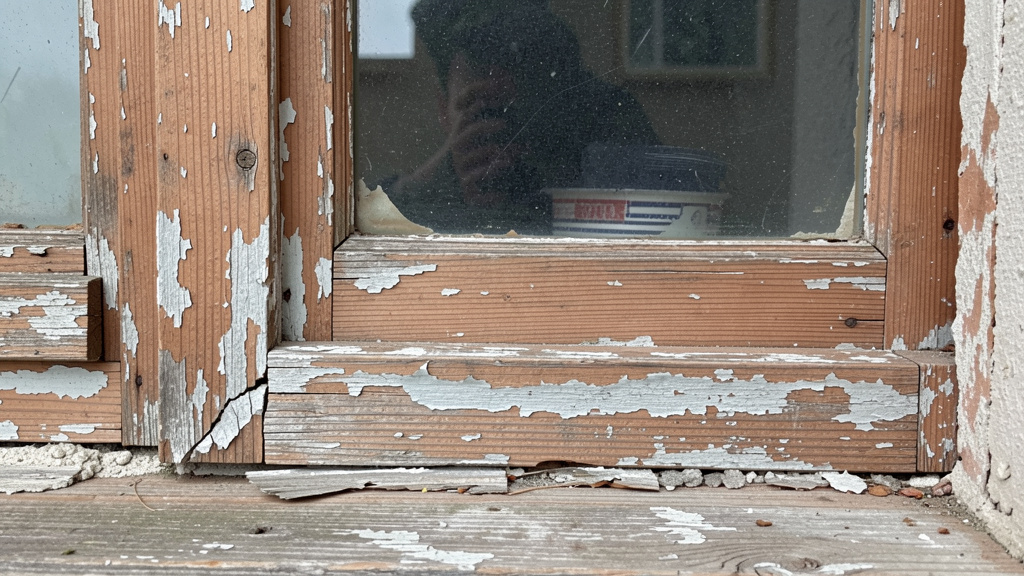
Move beyond guesswork with a clear-eyed, condition-based approach to maintaining your home’s protective envelope. This guide delivers observable signs, practical response paths, and adaptable strategies tailored to your climate, budget, and home’s unique history—so you can act with confidence, not anxiety.
Your home’s exterior functions as an integrated defense system. Paint provides the visible shield against UV exposure and weathering. Sealants create flexible, moisture-resistant barriers at critical joints and transitions. Fixtures—lighting, hardware, plumbing, vents—serve functional roles while maintaining envelope continuity. When one element shows distress, it often signals interaction with another layer. A blistered paint patch below a window may trace back to a compromised sealant bead above. Rust on a hose bib can reveal chronic moisture exposure from failed flashing or drainage. This guide empowers you to read these signals accurately. Grounded in building science principles and real-world patterns, it offers a systematic framework to assess, prioritize, and respond—protecting your home’s structural integrity, efficiency, and long-term value without unnecessary expense or alarm.
Introduction: Learning Your Home’s Language of Wear
Take a slow walk around your property on a dry, overcast morning. Notice the subtle cues: a hairline separation beside the door frame, faint discoloration beneath a downspout, a porch light lens clouded by sun exposure. These are not random flaws. They are your home communicating its condition. Every material responds predictably to environmental forces—thermal expansion, moisture cycles, UV exposure, biological activity. Recognizing these patterns shifts you from reactive worry to informed stewardship.
Modern building practice emphasizes system thinking. Isolated fixes often miss root causes. Repainting over bubbling siding without addressing underlying moisture intrusion leads to rapid recurrence. Replacing a corroded faucet without evaluating drainage or sealant integrity invites repeat failure. This guide introduces the Three-Layer Defense Framework—a practical methodology used by preservation professionals to diagnose holistically. You’ll learn to connect visible symptoms across layers, understand contributing factors (climate, material age, installation quality), and choose responses aligned with your situation. Whether you handle small tasks yourself or prepare precise documentation for a qualified contractor, this knowledge safeguards your largest investment and supports a healthier living environment. Timely, targeted attention to these elements consistently supports long-term durability and reduces the likelihood of escalating repair needs.
The Three-Layer Defense Framework: Seeing Connections, Not Just Symptoms
Visualize your home’s exterior as an integrated assembly—not a collection of separate parts. Paint forms the primary weather-facing surface. Sealants manage movement and block moisture at transitions between materials. Fixtures interface with essential systems (electrical, plumbing, ventilation) while maintaining envelope integrity. Damage in one layer frequently originates in another.
- Layer 1: The Paint Shield – Your visual and environmental barrier. Failure here is often the first visible indicator of deeper dynamics.
- Layer 2: The Sealant Barrier – The critical moisture-management system at joints, penetrations, and material transitions. Failure here is frequently the underlying contributor to Layer 1 and Layer 3 issues.
- Layer 3: Functional Fixtures – Hardware, lighting, plumbing, and vents that serve daily needs. Failure here poses immediate functional or safety considerations and can accelerate deterioration in adjacent layers.
Why this layered perspective matters: Many resources list isolated warning signs (“peeling paint,” “cracked caulk”). This framework teaches diagnostic tracing. See bubbling paint beneath a window? Immediately inspect the sealant bead above and around that window. Notice rust near a hose bib? Check the wall surface behind it for moisture staining or compromised sealant. This approach prevents wasted effort, avoids recurring issues, and builds credible dialogue with professionals. When you describe observed connections—”I see paint blistering below the window and confirmed separation in the sealant joint above”—you demonstrate informed awareness. This clarity helps ensure proposed solutions address actual conditions, not just surface appearances. This isn’t about perfection; it’s about progressing from uncertainty to actionable understanding.
Condition Over Calendar: Why Timing Is Personalized
Avoid rigid timelines like “repaint every 7 years” or “recaulk every 5 years.” Real-world performance depends on multiple variables:
– Exposure: A north-facing wall in a humid climate weathers differently than a sheltered south wall in an arid zone.
– Material Quality: High-performance sealants in stable conditions may endure longer than budget products in high-stress locations.
– Installation Quality: Proper surface prep, joint design, and flashing details profoundly influence longevity.
– Environmental Stressors: Coastal salt spray, intense UV regions, freeze-thaw cycles, or heavy tree cover create unique demands.
Your home’s history matters more than generic schedules. The Framework equips you to assess current condition using observable cues. Prioritize based on risk: a separated sealant joint above a window (potential interior moisture pathway) warrants attention before uniform paint fading on a protected garage wall. This precision helps allocate time and resources wisely—addressing genuine vulnerabilities while avoiding premature or unnecessary work. It also fosters realistic expectations: some wear is normal; the goal is recognizing when intervention supports long-term resilience.
Layer 1: The Paint Shield — Interpreting Visual and Tactile Cues
Exterior coatings do more than provide color. Quality formulations balance UV resistance, moisture management (shedding liquid while allowing vapor escape), flexibility for substrate movement, and resistance to biological growth. When these properties diminish, protection weakens. Below are key indicators that refreshment is warranted, with context on contributing factors and thoughtful next steps.
Understanding Paint’s Evolving Role
Paint degrades gradually. Early signs often reflect environmental interaction rather than total failure. Light chalking on a sun-drenched wall after five years may be normal weathering for that product and exposure. Widespread blistering after one season suggests preparation issues or an unresolved moisture source. Context is essential. Consider:
– Climate Influence: Humid regions accelerate biological growth; intense sun accelerates fading and binder breakdown; freeze-thaw cycles stress film flexibility.
– Substrate Matters: Wood expands/contracts with moisture; metal heats/cools rapidly; masonry retains moisture differently. Coating performance varies accordingly.
– Product Suitability: Using interior-grade paint outside, or vinyl-specific paint on wood, leads to premature issues. Always verify product labeling for your substrate and climate zone.
Key Indicators Requiring Attention
1. Alligatoring (Deep, Interconnected Cracking)
- Observe: Polygonal cracks exposing primer or substrate, common where rigid coatings (older oil-based) underlie flexible modern paints.
- Context: Indicates severe loss of elasticity. The film can no longer accommodate substrate movement. Each crack invites moisture penetration.
- Consider: This often stems from applying new paint over an incompatible or degraded existing layer. Surface preparation is critical for resolution. Ignoring it risks substrate saturation and accelerated deterioration beneath the paint film.
2. Blistering and Bubbling
- Observe: Raised areas ranging from pinhead to several inches. Press gently; softness or moisture release indicates active issues.
- Context: Caused by trapped moisture/vapor (from behind the siding, improper drying before painting, or painting in direct hot sun) or loss of adhesion.
- Consider: Blistering below a window often traces to failed sealant or flashing above it. Address the moisture source first. Repainting without resolution guarantees recurrence. Test moisture levels behind intact paint with a pinless meter if concerned.
3. Excessive Chalking
- Observe: Significant colored powder transfers to a white cloth wiped across the surface. Accompanied by noticeable fading or rough texture.
- Context: Some chalking is designed weathering. Heavy chalking signals binder degradation—often from UV exposure exceeding the product’s formulation limits or low initial quality.
- Consider: Chalky surfaces compromise adhesion for new coatings. Thorough cleaning (and possibly a bonding primer) is essential before repainting. In high-sun regions, select paints explicitly formulated for UV resistance.
4. Peeling and Flaking
- Observe: Paint lifting at edges or detaching in sheets. Note location: bottom edges suggest moisture wicking from soil; widespread peeling may indicate preparation issues or substrate problems.
- Context: Adhesion failure rarely has a single cause. Investigate contributing factors: surface contamination during prior painting, chronic moisture exposure, or underlying substrate decay.
- Consider: If peeling concentrates near ground level, evaluate soil grading and drainage first. Repairing paint without correcting splash-back or poor drainage leads to repeated failure.
5. Accelerated Fading or Staining
- Observe: Uneven color loss (especially on south/west exposures) or persistent streaks not removed by cleaning (e.g., tannin bleed from wood).
- Context: Rapid fading suggests inadequate UV protection for the climate. Tannin bleed indicates primer failure to block natural wood resins.
- Consider: Dark colors absorb more heat, potentially increasing cooling loads over time. For future projects, research product suitability for your specific exposure. Staining near fixtures may signal moisture pathways needing investigation.
6. Persistent Biological Growth
- Observe: Black, green, or fuzzy patches resistant to light cleaning. Confirm with a diluted bleach test (lightens biological growth; dirt remains).
- Context: Thrives where moisture lingers and mildewcides are depleted. Indicates prolonged dampness from shade, poor airflow, clogged gutters, or underlying moisture intrusion.
- Consider: Cleaning alone is temporary if environmental conditions persist. Trim overhanging branches, clean gutters, improve drainage, and select coatings with enhanced mildew resistance for the area. Oxygen bleach cleaners are generally safer for surfaces and landscaping than chlorine-based options.
7. Rust Staining from Embedded Metal
- Observe: Orange or reddish streaks originating from nails, flashing, or trim—paint may otherwise appear intact.
- Context: Moisture has reached ferrous metal, and the primer’s corrosion inhibition is compromised. The metal component itself may be deteriorating.
- Consider: This is a warning sign for the fastener or flashing integrity. Spot-treatment requires wire-brushing rust, applying a rust-inhibiting primer, and repainting. If widespread, evaluate whether underlying metal components need replacement. Use corrosion-resistant fasteners (stainless steel, hot-dipped galvanized) in repairs.
8. Substrate Softness Beneath Paint
- Observe: Paint may bubble or peel. Press firmly with an awl or screwdriver tip; soft, spongy, or crumbly wood indicates decay.
- Context: Paint failure is secondary; the substrate is compromised due to prolonged moisture exposure. Common at window sills, door thresholds, or bottom siding edges.
- Consider: This requires substrate repair before repainting. Small areas may accept epoxy wood consolidants; extensive rot needs professional assessment. Ignoring soft spots allows decay to spread inward, potentially affecting structural framing.
9. Brittle Paint Film
- Observe: Paint powders, flakes easily, or feels like dry plastic when gently scraped. Common on very old coatings or surfaces under extreme UV stress.
- Context: Loss of flexibility means the film cannot withstand normal substrate movement. Failure is imminent with seasonal shifts.
- Consider: Proactive refreshment is more efficient than waiting for widespread peeling. Full surface preparation becomes more difficult once large sections detach.
10. Visible Substrate at Edges or High-Wear Zones
- Observe: Underlying material clearly visible on sharp corners, trim edges, or areas near doors—indicating severe film thinning.
- Context: Edges naturally receive less coating coverage and experience more abrasion. Exposed substrate has zero protection from UV and moisture.
- Consider: These weak points accelerate localized deterioration and become initiation sites for larger failures. During repainting, pay special attention to achieving adequate film build on edges and complex profiles.
The Guiding Insight: Paint symptoms often reflect conditions originating in Layer 2 (sealants) or Layer 3 (fixtures). Diagnose the contributing factors before refreshing the surface—otherwise, the same issue is likely to reappear.
Conducting a Thoughtful Paint Assessment
- When: Dry, overcast day. Direct sun hides subtle flaws; moisture masks true conditions.
- Tools: Camera, notepad, ladder (stable), soft brush, white cloth, diluted bleach solution (for growth testing). A pinless moisture meter ($30–$80) detects hidden moisture behind intact paint—a valuable diagnostic aid.
- Method: Work top to bottom. Focus on high-risk zones: below roof valleys/chimneys, window/door perimeters, bottom edges near soil, shaded walls, prior repair sites. Document observations: “East wall, 2 ft left of window: blistering present; moisture meter reading 22% at blister site.” Photos create a clear baseline.
Response Pathways: Proportional and Practical
- Spot Repair May Suffice When:
- Affected area is small (<5% of surface).
- Cause is identified and corrected (e.g., fixed clogged gutter above the spot).
- Surrounding paint is sound (passes gentle scrape test).
- Color/sheen matching is feasible (bring a chip to the store; note faded paint is challenging to match).
-
Process: Remove all loose material to sound edges, repair substrate, prime bare areas and feathered edges, apply topcoat extending slightly onto sound paint.
-
Full Refresh Is Warranted When:
- Failure covers >10–15% of the surface.
- Paint is universally brittle, heavily chalked, or severely faded.
- Multiple underlying causes are suspected (requires comprehensive prep).
- Lead-based paint is suspected (pre-1978 homes; consult EPA guidelines—disturbing lead paint requires specific protocols; professional assessment is strongly advised).
- Note: Attempting to “spot paint” large failing areas often creates a patchwork appearance and shortens the lifespan of the entire coating system.
Surface Preparation: The Foundation of Longevity
Industry experience consistently emphasizes that preparation determines coating longevity far more than product brand. Skipping steps invites premature failure.
1. Clean Thoroughly: Remove dirt, chalk, mildew. Start with garden hose. For growth, use oxygen bleach solution (follow label instructions; safer for plants than chlorine bleach). Rinse well. Pressure washing requires caution: low pressure (<1500 PSI), wide fan tip, held 12+ inches away, moving with wood grain. High pressure forces water behind siding. When uncertain, hand-wash.
2. Repair Substrate: Scrape all loose paint to sound edges. Sand feathered transitions smooth. Repair rotted wood with appropriate epoxy systems. Fill cracks with exterior-grade filler. Replace severely damaged boards.
3. Prime Strategically: Prime all bare wood, metal, or repaired areas. Use stain-blocking primer for knots, rust, or tannin bleed. Bonding primer aids adhesion on chalky surfaces that couldn’t be fully cleaned. Primer seals the substrate and ensures uniform topcoat absorption.
4. Final Clean: Remove all dust with a tack cloth before painting.
Selecting Coatings Thoughtfully
- Match to Substrate:
- Wood: 100% acrylic latex (flexible, breathable). Avoid oil-based on bare wood (traps moisture).
- Vinyl Siding: Use paint labeled “for vinyl.” Choose colors equal to or lighter than original to prevent heat-related warping.
- Stucco/Brick: High-build acrylic elastomeric (bridges hairline cracks) or quality 100% acrylic.
- Metal: Rust-inhibiting primer (zinc-rich or DTM) followed by acrylic topcoat. Galvanized metal requires specific primers.
- Climate Considerations:
- High Sun/Heat: Prioritize UV resistance, fade resistance, lighter colors.
- Humid/Rainy: Maximize mildew resistance and breathability (vapor permeability).
- Freeze/Thaw Zones: Flexibility is critical; high-quality acrylics perform best.
- Sheen Selection:
- Flat/Matte: Hides imperfections; lower durability. Best for low-traffic, historic applications.
- Satin/Eggshell: Balanced durability, cleanability, and subtle appearance. Ideal for most siding.
- Semi-Gloss/Gloss: Highest durability and moisture resistance. Recommended for trim, doors, shutters. Highlights surface flaws.
- Safety & Regulations: Verify VOC compliance for your region. For pre-1978 homes, assume lead paint is present. Consult EPA guidelines or a certified professional before disturbing surfaces. Wear appropriate PPE (respirator, goggles, gloves) during prep work.
Realistic DIY Scope Assessment
- Beginner Tasks: Small spot repairs (<10 sq ft), repainting a single door or shutters, touch-ups on sound surfaces.
- Intermediate Projects: Repainting a single wall section (e.g., garage), all trim on one elevation. Requires ladder safety confidence, consistent technique, understanding of prep sequence. Allow multiple weekends.
- Advanced Projects: Full repaint of a simple, single-story home. Demands significant time (several weekends), meticulous prep discipline, weather awareness (paint only in 50–90°F, low humidity, dry forecast), and comfort working at height. Equipment rental (airless sprayer) adds complexity.
- Professional Engagement Recommended For:
- Multi-story homes requiring scaffolding/lifts.
- Complex architecture (steep roofs, intricate trim).
- Suspected lead paint (pre-1978).
- Extensive substrate repair (rot, damage).
- Uncertainty about moisture sources or preparation. A contractor’s expertise in surface preparation often determines long-term success. Request detailed bids specifying prep steps. Ask: “How will you address moisture sources or substrate issues before painting?”
Common Pitfalls and Mindful Prevention
- Painting Over Moisture: Verify surface is dry (24+ hours after rain/washing). Address the moisture source first.
- Ignoring Weather Windows: Paint only within manufacturer’s temperature/humidity guidelines. Avoid direct hot sun on the surface being painted.
- Skipping Primer on Bare Spots: Leads to poor adhesion, flashing (uneven sheen), and rapid failure at repair sites.
- Using Interior Paint Outside: Lacks UV stabilizers and flexibility; fails quickly.
- Insufficient Coverage: Apply two thin coats rather than one thick coat. Thick coats crack; thin coats lack protection. Follow manufacturer’s spread rate.
Layer 2: The Sealant Barrier — Protecting Critical Transitions
Sealants (often called caulk in DIY contexts) perform silent but vital work at joints between dissimilar materials—window frames and siding, siding laps, trim intersections, roof penetrations. They accommodate movement while blocking water, air, insects, and dust. A small gap in a high-risk location can channel significant moisture into wall cavities over time. This layer demands attentive observation.
The Essential Functions of Sealants
- Water Management: Forms a flexible barrier directing water away from vulnerable joints.
- Air Sealing: Reduces uncontrolled airflow, supporting comfort and efficiency.
- Movement Accommodation: Expands and contracts with temperature shifts and substrate movement without losing adhesion.
Failure occurs through loss of adhesion, internal cracking, or material degradation. Unlike widespread paint issues, sealant failure is often localized but disproportionately impactful. Water follows the path of least resistance—a tiny gap above a window can lead to interior damage below.
Key Indicators of Compromised Sealants
1. Cracks or Fissures Within the Bead
- Observe: Fine lines or splits running through the sealant material, not just at edges. Common in rigid sealants exposed to sun and movement.
- Context: Creates direct pathways for moisture ingress via capillary action. UV exposure accelerates degradation.
- Consider: Even hairline cracks warrant attention in high-risk locations (above windows, roof intersections). Proactive replacement prevents interior moisture issues.
2. Separation from Substrate(s)
- Observe: Visible gap between sealant bead and siding, window frame, or trim. A fingernail may insert into the space.
- Context: Adhesion loss renders the sealant ineffective. Causes include surface contamination during application, incompatible sealant type, excessive joint movement, or substrate deterioration (e.g., rotted wood).
- Consider: This is a high-priority issue. Water, air, and pests can enter freely. Investigate why adhesion failed before reapplying.
3. Hard, Brittle Texture
- Observe: Sealant feels rock-hard, not slightly flexible. Crumbles or powders when pressed firmly.
- Context: Loss of flexibility means it cannot accommodate normal movement. Failure is imminent with the next temperature shift or wind event.
- Consider: Proactive replacement is simpler and less disruptive than emergency repair after water intrusion occurs. Age is a factor—sealants degrade over time even if visually intact.
4. Persistent Biological Staining
- Observe: Black, green, or dark staining on the bead, especially in shaded/damp areas, resistant to cleaning.
- Context: Indicates chronic moisture presence. While some staining is cosmetic, it can signal underlying moisture issues or inadequate mildewcides in the sealant.
- Consider: Treat the stain as a clue. Investigate for poor drainage, blocked gutters, or ventilation issues contributing to dampness. Cleaning alone won’t resolve the root condition.
5. Gaps Allowing Light or Airflow
- Observe: Visible gap wider than 1/8 inch. Shine a flashlight along the joint from outside on a dark day; light visible inside confirms breach. Feel for drafts.
- Context: Sealants are designed for specific joint dimensions. Oversized gaps indicate improper initial installation or significant substrate movement (settling, warping).
- Consider: High priority for repair. Allows significant air infiltration (energy loss), water entry during wind-driven rain, and pest access. Large gaps may require structural evaluation before resealing.
6. Interior Water Staining Below Joint
- Observe: Discoloration, bubbling paint, or soft spots on interior walls/ceilings directly below an exterior sealant joint.
- Context: Confirmed evidence of active water intrusion. The sealant barrier has failed.
- Consider: Address immediately. Interior damage (drywall saturation, mold potential, framing decay) escalates quickly. Exterior sealant repair is urgent; assess interior damage thoroughly.
7. Insect Activity or Debris in Joint
- Observe: Ants, spiders, or debris packed into the gap where sealant should be.
- Context: Clear sign the barrier is breached. Insects exploit gaps for nesting; debris traps moisture against substrates.
- Consider: Remove old material completely. Inspect for pest damage or moisture-related decay behind the joint before resealing.
8. Age and Known History
- Observe: Sealant is original to a home >15 years old, or last replaced over a decade ago. May feel hard even if visually intact.
- Context: All sealants have finite service lives influenced by chemistry, UV exposure, and movement. Internal degradation can precede visible failure.
- Consider: Proactive replacement in critical locations (windows, doors, roof intersections) is prudent preventative maintenance. “Looks okay” isn’t always reliable. Age alone can justify refreshment in high-risk zones.
Methodical Sealant Inspection Protocol
Inspect deliberately, not casually. Use gloves to gently press and assess flexibility. A small mirror helps view undersides of sills or eaves. Prioritize:
– Windows & Doors: All four sides. Pay close attention to head (top) and sill (bottom) joints—water flows downward.
– Roof Intersections: Where roof meets wall, chimney, dormers, skylights—high-stress water-shedding zones.
– Siding Joints: Horizontal laps, panel seams, corners, intentional movement joints in stucco/masonry.
– Penetrations: Around pipes, vents, cables, hose bibs entering walls.
– Foundation Interface: Where wall meets foundation—critical for moisture and pest control.
– Trim Elements: Where crown molding, shutters, or brackets meet walls.
Document findings: “North window, west corner: sealant separated 1/4 inch at sill joint, brittle.” This creates a precise action list.
Selecting Sealant Thoughtfully for Longevity
Choosing the right product prevents premature failure. Match to materials, movement needs, and exposure.
| Sealant Type | Best Applications | Key Strengths | Important Considerations | Typical Service Life* |
|---|---|---|---|---|
| Hybrid Polymers (MS Polymers) | Recommended for most exterior homeowner uses: windows, doors, siding, trim, masonry | Paintable, excellent adhesion to diverse materials, high flexibility, UV resistant, low odor, easy cleanup | Higher initial cost than basic acrylics; widely available | 15–20+ years |
| Polyurethane | Wood-to-wood, wood-to-siding, painted surfaces, concrete, high-movement joints | Strong adhesion, paintable, very flexible, durable | Messier application; requires mineral spirits cleanup; sensitive to moisture during cure | 10–15+ years |
| Silicone | Glass-to-frame, metal roofs, gutters, high-movement/wet areas | Extremely flexible, UV resistant, waterproof, wide temperature range | Generally not paintable (check label); can attract dirt; use 100% silicone | 15–20+ years |
| Butyl Rubber | Flashing seams, roof repairs, metal roofing, below-grade | Excellent metal adhesion, stays flexible, good moisture barrier | Strong odor during application; not paintable; can stain some surfaces | 10–15 years |
| Acrylic Latex | Interior trim, low-movement painted wood joints (temporary) | Easy water cleanup, paintable, low cost, low odor | Poor flexibility; cracks with movement; degrades in UV/sun; not for wet areas | 3–7 years |
*Service life varies significantly based on installation quality, joint design, exposure, and climate. These are general estimates under favorable conditions.
Selection Guidance:
– Paintability: For joints that will be painted (most window/trim perimeters), choose paintable sealants: Hybrid Polymer, Polyurethane, or Acrylic Latex. Avoid standard silicone unless the label explicitly states “paintable” (Hybrids are generally more reliable for paintable applications).
– Movement Capability: Check product label for “Joint Movement Capability” (e.g., ±25%, ±50%). Higher values suit joints with significant expansion/contraction (e.g., large gaps between dissimilar materials like wood and metal). ±25% suffices for most residential window/door perimeters.
– Substrate Compatibility: Verify product suitability for your materials (wood, vinyl, aluminum, brick). Hybrid Polymers offer the broadest adhesion profile for mixed-material joints.
– Climate Factors: In intense UV regions, prioritize UV-resistant formulations (Silicone, Hybrid). In freeze/thaw zones, confirm low-temperature flexibility ratings.
– Modern Recommendation: For most exterior homeowner applications (resealing windows, doors, trim, siding joints), a high-quality Hybrid Polymer (MS Polymer) sealant offers the best balance of performance, ease of use, paintability, and longevity. Brands like Sashco Big Stretch, GE Advanced Silicone 2 (hybrid formula), or OSI Quad Max are well-regarded. Investing in quality sealant is cost-effective prevention.
Step-by-Step Replacement Process for Durable Results
Rushing leads to poor adhesion and quick failure. Patience ensures longevity.
1. Remove Old Material Completely: Use a sharp utility knife, caulk removal tool, or oscillating tool with scraper blade. Cut along both edges, then remove the bead. Dig down to clean, sound substrate or original backing rod. Leaving old material creates a weak bond. Wear safety glasses.
2. Clean Meticulously: Brush out debris. Wipe joint with mineral spirits (for polyurethane/silicone) or isopropyl alcohol (for hybrids/acrylics) on a clean rag to remove dust, oil, or release agents. For mold/mildew, clean with diluted bleach solution first, rinse thoroughly, and ensure bone dry before proceeding. A hairdryer on cool setting can aid drying. Moisture is the top cause of reseal failure.
3. Prepare the Joint (If Needed): For deep joints (>1/2″ deep), insert a foam backer rod. It provides uniform depth (prevents 3-sided adhesion failure), saves material, and allows proper movement. Position rod 1/4″ below surface. For very wide gaps (>3/4″), investigate if structural repair is needed first—sealant alone isn’t sufficient.
4. Apply Primer (If Recommended): Some sealants (e.g., polyurethanes on concrete or untreated wood) require primer for optimal adhesion. Follow product instructions precisely.
5. Cut Nozzle & Load Gun: Cut nozzle tip at 45 degrees. Start with a small hole; you can enlarge if needed. Pierce inner seal. Use a quality caulk gun with smooth plunger action.
6. Apply the Bead: Hold gun at 45 degrees. Apply steady, even pressure while moving smoothly along the joint. Aim for a continuous bead that slightly overfills the joint. Work in manageable 3–4 foot sections.
7. Tool the Bead: Immediately smooth with a caulk finishing tool, damp finger (dipped in soapy water or appropriate solvent), or plastic spoon. This presses sealant into joint corners for maximum adhesion, eliminates air pockets, and creates a concave profile that sheds water effectively. Wipe away excess.
8. Allow Proper Cure: Follow product cure time instructions (typically 24–72 hours before rain exposure). Temperature and humidity affect cure time—check the label. Protect the area if rain is forecast. Do not paint (if applicable) until fully cured.
Practice Tip: Test technique on scrap wood first. A smooth, consistent bead improves appearance and performance.
When Sealant Failure Signals Deeper Issues
Repeated failure in the same location may indicate underlying problems:
– Frame Movement: Recurring sealant failure around one window may signal frame shifting due to settlement or installation issues. Consult a qualified window or structural professional.
– Inadequate Flashing: Sealant is not a substitute for proper flashing (integrated water-resistive barriers behind siding at penetrations). Persistent leaks suggest flashing may be missing or damaged—requires professional investigation.
– Excessive Joint Movement: If gaps consistently widen beyond sealant capability, structural settling or improper siding installation may be factors. Address the root cause before resealing.
– Chronic Moisture Source: Persistent mold on sealant near a specific area might indicate hidden leaks (roof, plumbing) or condensation issues within the wall assembly. Investigate thoroughly.
Layer 3: Functional Fixtures — Safety, Function, and Integration
“Fixtures” encompass all mounted hardware serving active roles: lighting, door hardware, plumbing outlets, vents, electrical components. Unlike passive barriers (paint, sealants), fixtures endure mechanical stress, electrical loads, frequent use, and direct weather exposure. Failure here can pose immediate safety considerations and accelerate deterioration in adjacent layers. Each fixture creates a penetration point in the envelope; proper installation includes integrated flashing and weatherproofing.
Defining Exterior Fixtures in Context
This guide covers:
– Lighting: Porch lights, security lights, pathway lights, soffit/garage fixtures.
– Hardware: Door knobs, handlesets, deadbolts, hinges, mailboxes, address plaques.
– Plumbing: Hose bibs (outdoor faucets), frost-proof sillcocks, irrigation valves.
– Ventilation: Bathroom/kitchen exhaust caps, dryer vents, attic/Foundation vents.
– Electrical: Outdoor outlets (GFCI-protected), conduit penetrations, meter box interfaces.
– Other: Doorbells, security cameras, motion sensors.
Each requires evaluation for safety, function, weatherproofing, and integration with Layers 1 and 2.
Key Indicators for Evaluation and Refreshment
1. Corrosion, Rust, or Pitting on Metal
- Observe: Orange rust on steel/iron, white powder on aluminum, deep pits or flaking. Common on hose bibs, door hardware, light bases, vent caps.
- Context: Weakens structural integrity. Rust on a hose bib stem risks breakage during use. Corrosion often indicates compromised protective coatings and ongoing moisture exposure—frequently linked to failed sealant (Layer 2) around the base.
- Consider: Surface rust may be cleanable; deep pitting or flaking warrants replacement. For plumbing fixtures in freeze zones, corrosion increases burst risk. Address surrounding sealant and drainage to prevent recurrence.
2. Cracked, Cloudy, or Brittle Lens Covers
- Observe: Plastic lenses yellowed, cracked, or heavily clouded (beyond surface dirt). Glass lenses with cracks.
- Context: Compromises the fixture’s weather barrier. Moisture, insects, and debris enter, causing internal corrosion, electrical issues, reduced light output, or fire risk. Cloudiness often signals UV degradation of plastic.
- Consider: Replacement is usually necessary—lens-only replacement is rarely feasible. Choose fixtures rated for “Wet Locations” (not just “Damp”) for exposed areas. Integrated LED fixtures often offer better longevity and weather resistance.
3. Loose or Unstable Mounting
- Observe: Fixture wobbles when touched. Visible stripped/missing screws. Mounting plate detached from wall.
- Context: Creates gaps for water/pest entry (Layer 2 failure). Wind stress fatigues wires or plumbing connections. Instability often stems from rotted mounting substrate (wood behind fixture)—a Layer 1 substrate issue.
- Consider: Do not simply tighten screws. Remove fixture to inspect substrate. Rotted wood requires repair before remounting. Secure mounting into framing (not just sheathing) for heavy fixtures.
4. Electrical Irregularities
- Observe: Flickering lights unrelated to bulb issues. Frequent GFCI outlet tripping when fixture is used. Buzzing sounds. Visible sparks require immediate power shutoff and professional help.
- Context: Critical safety indicators. Often caused by moisture intrusion (failed seals, cracked lenses), rodent-damaged wiring, or faulty connections. GFCI tripping is a life-saving response to current leakage—frequently moisture-related.
- Consider: Do not ignore. Turn off power at the breaker. Consult a licensed electrician. Moisture tracking into wall cavities can cause hidden damage. Safety must come first.
5. Water Leakage Around Mounting Points
- Observe: Water dripping, staining, or pooling around fixture base during/after rain. Interior stains directly behind fixture.
- Context: Confirmed water intrusion. The fixture’s integrated gasket, flashing, or surrounding sealant (Layer 2) has failed.
- Consider: Address immediately. Water entering wall cavities leads to rot, mold, and insulation damage. Repair involves removing fixture, assessing substrate, replacing gaskets/flashing, and resealing properly.
6. Outdated Safety Features
- Observe: Outdoor electrical outlets lacking GFCI protection (“Test/Reset” buttons). Outlets without “in-use” weatherproof covers (allow cords while closed). Missing vacuum breakers on hose bibs.
- Context: GFCI protection is required by modern electrical codes for outdoor outlets—it prevents lethal shock by cutting power during current leakage (critical near water). Vacuum breakers prevent backflow contamination of home water supply.
- Consider: Upgrading non-GFCI outlets is a high-priority safety improvement. Hire a licensed electrician. Install vacuum breakers on all hose bibs (required by plumbing code in most areas). Safety upgrades protect occupants and support compliance.
7. Efficiency and Functionality Gaps
- Observe: Fixtures using only incandescent/halogen bulbs. Non-functional lighting. Single-pane vent caps. Fixtures lacking dusk-to-dawn or motion sensing.
- Context: Older fixtures consume more energy, provide poorer light quality, and require frequent bulb changes. Non-functional lighting reduces safety and curb appeal.
- Consider: Upgrading to integrated LED fixtures offers significant energy savings, longer service life (15,000–25,000+ hours), better light distribution, and smart features (motion sensing, photocells). Calculate potential savings: replacing four 60W-equivalent incandescent porch lights with LEDs can reduce annual electricity use substantially. Improved functionality enhances security and convenience.
8. Physical Damage
- Observe: Dents, cracks, bends from impact (lawn equipment, hail, branches). Shattered lenses. Exposed wires.
- Context: Compromises weatherproofing, structural integrity, and safety. Creates immediate pathways for moisture and pests.
- Consider: Replace damaged fixtures promptly. A bent hose bib spout is weakened and prone to failure—especially during freezing conditions. Safety hazards (exposed wires) require immediate attention.
9. Aesthetic and Functional Mismatch
- Observe: Outdated, mismatched, heavily stained, or non-functional fixtures. Peeling paint on housings.
- Context: While subjective, cohesive, well-maintained fixtures significantly influence curb appeal and perceived home care. Non-functional lighting creates safety concerns for visitors. Peeling paint on fixtures signals neglect that buyers may extrapolate to the entire property.
- Consider: Updating fixtures is a high-impact, moderate-investment improvement. Choose a consistent finish (e.g., matte black, oil-rubbed bronze) across porch lights, house numbers, and mailboxes. Ensure all lighting functions reliably. Small updates yield noticeable returns in ambiance and perceived value.
Fixture-Specific Guidance for Safe, Effective Updates
Lighting Fixtures: Prioritize Safety and Weatherproofing
- Critical First Step: Turn off power at the circuit breaker. Verify with a non-contact voltage tester before touching wires. Never rely solely on the wall switch.
- Weatherproofing Essentials: Select fixtures rated for “Wet Locations” for exposed areas (porch ceilings, open eaves). Ensure a intact rubber or foam gasket seals between mounting plate and wall/ceiling. Replace cracked or hardened gaskets.
- Wiring Practices: Use waterproof wire connectors (filled with sealant gel) for connections inside the electrical box. Tuck wires neatly to avoid pinching during remounting.
- Smart Upgrades: Integrated LED fixtures with photocells (dusk-to-dawn) or motion sensors enhance security and convenience while reducing energy use. Verify compatibility with existing wiring or smart home systems.
- Professional Help: Hire a licensed electrician if you are uncomfortable with electrical work, if wiring is damaged/corroded, if new circuits are needed, or if local code requires it. Safety is non-negotiable.
Door Hardware: Security and Weather Management
- Security Check: Ensure deadbolts extend at least 1 inch into the strike plate. Secure strike plates with 3-inch screws anchoring into wall framing (not just the jamb). Consider ANSI/BHMA Grade 1 or 2 locks for primary entry doors.
- Weatherproofing: Inspect door sweeps and thresholds. Replace if cracked, brittle, or not sealing tightly (check for light gaps). Lubricate hinges and locks annually with graphite or silicone lubricant (avoid WD-40—it attracts dirt).
- Material Selection: In coastal or humid areas, choose solid brass, stainless steel, or high-quality powder-coated finishes. Avoid inexpensive zinc alloys prone to rapid corrosion. Match finishes for visual cohesion.
- Installation Tip: When replacing hardware, fill old screw holes with wood toothpicks and glue before installing new screws for a secure hold.
Plumbing Fixtures (Hose Bibs): Preventing Freeze and Contamination
- Frost-Proof vs. Standard: Standard bibs have the valve seat inside the wall—water trapped in the spout can freeze and burst the bib. Frost-proof sillcocks position the valve seat inside the heated house; the spout drains automatically. Strongly recommended in climates with freezing temperatures. Identify: long stem (6–12+ inches) with handle perpendicular to wall suggests frost-proof; short bib with parallel handle is likely standard.
- Replacement Priority: If you have standard bibs in a freeze-prone area, plan replacement with frost-proof models before cold weather. Hire a plumber if soldering (copper) or specialized tools (PEX) are needed.
- Seasonal Practice: Even with frost-proof bibs, disconnect hoses in winter. A connected hose can trap water in the spout, causing freeze damage. Install a vacuum breaker (anti-siphon device) on each bib to prevent contaminated water from entering your home’s supply—required by plumbing code in most jurisdictions.
Vent Covers and Caps: Maintaining Airflow and Exclusion
- Exhaust Vents (Bath/Kitchen): Ensure caps have functional flappers that close tightly when the fan is off. Replace cracked, brittle, or missing caps promptly. Bird or insect nests block airflow, causing moisture buildup inside your home (potential for attic mold). Choose caps with fine mesh screens that don’t restrict airflow.
- Dryer Vents: Use rigid metal ducting (not flexible plastic/foil) from dryer to exterior cap. Clean lint from the cap screen regularly. Replace plastic caps with metal—they resist melting from dryer heat and deter pests. Ensure the cap flap opens freely; a stuck flap reduces efficiency and is a fire hazard.
- Attic/Foundation Vents: Check for blockages (leaves, nests). Verify screens are intact to exclude rodents and insects. In high-wind or hail areas, consider impact-resistant vent covers.
Navigating Codes, Permits, and Professional Support
- Electrical Work: Replacing a like-for-like fixture may be DIY in some areas if you are skilled and local code allows. However, installing new circuits, adding outlets, or panel work almost always requires a permit and licensed electrician. National Electrical Code (NEC) requirements are safety-critical. When uncertain, hire a professional. The modest cost outweighs fire risk or failed inspections.
- Plumbing Work: Replacing a hose bib may be DIY with proper tools and water shutoff access. However, altering supply lines, adding valves, or working on main lines typically requires a licensed plumber and permit per International Plumbing Code (IPC) standards.
- Structural Considerations: Mounting heavy fixtures (large cameras, heavy mailboxes) may require anchoring into framing. If you discover significant rot or damage behind a fixture during removal, stop and consult a qualified contractor.
- Smart Approach: Before starting:
- Check your local building department website for permit requirements.
- Honestly assess your skill level and comfort with the task.
- For electrical, gas-related, or structural elements, professional installation is often the wisest investment in safety and longevity.
Integrating the Three Layers: A Sustainable Maintenance Rhythm
The Framework’s greatest value emerges through consistent, low-effort observation—not crisis response. Integrating brief checks into seasonal routines builds awareness and prevents small issues from becoming major projects. This section offers a adaptable calendar and priority-setting guidance.
A Flexible Seasonal Inspection Guide
Adapt timing and focus to your local climate and home specifics.
- Late Winter (February/March): Post-Storm Assessment
- Focus: Evaluate winter weather impact.
- Actions: Inspect roof edges, gutters, and downspouts for damage. Check sealant joints around windows/doors stressed by freeze-thaw cycles. Test all GFCI outlets. Ensure downspouts direct water ≥5 feet from foundation. Look for ice dam evidence (attic moisture stains).
-
Layer Focus: Layer 2 (Sealants), Layer 3 (Fixtures—GFCIs, vents).
-
Spring (April/May): Pre-Summer Readiness
- Focus: Prepare for moisture, insects, and sun exposure.
- Actions: Conduct a full Three-Layer walkthrough using protocols from earlier sections. Clean gutters thoroughly. Inspect irrigation connections at hose bibs. Check paint on south/west walls for early UV stress. Verify all exterior lights function. Trim vegetation away from walls to improve airflow and reduce moisture retention on siding. Inspect foundation perimeter for soil grading issues.
-
Layer Focus: All layers; emphasize moisture management.
-
Summer (June/July): Monitor Heat and Activity
- Focus: Observe heat/UV effects and biological activity.
- Actions: Inspect high-sun exposures for paint blistering or sealant softening. Check for insect nests near fixtures or joints. Ensure irrigation isn’t spraying directly onto walls. Test outdoor lighting during evening hours. Monitor shaded areas for persistent dampness or growth.
-
Layer Focus: Layer 1 (Paint), Layer 2 (Sealants in heat), Layer 3 (Fixtures).
-
Fall (September/October): Pre-Winter Preparation
- Focus: Secure the envelope before cold, wet weather.
- Actions: Final inspection of all three layers. Clean gutters and downspouts thoroughly. Disconnect and drain hoses from hose bibs (if not frost-proof). Check door/window weatherstripping. Inspect attic vents for blockages. Address any identified sealant failures or fixture issues before winter sets in. Service heating system exhaust vents.
-
Layer Focus: All layers; prioritize moisture exclusion and safety.
-
Winter (December/January): Indoor Observation & Planning
- Focus: Monitor from indoors; plan spring actions.
- Actions: After snowfall, check for ice dams or snow buildup against walls (from inside, look for drafts near windows/doors—may indicate sealant issues). Note concerns for spring repair. Avoid exterior work in freezing conditions unless emergency. Review photos/documentation from prior inspections.
- Layer Focus: Indirect Layer 2 assessment; planning.
Prioritizing Actions: A Practical Risk Lens
Not all findings require immediate action. Use this lens to allocate effort wisely:
– Address Promptly (Within Days/Weeks): Active water leakage, electrical irregularities (flickering, GFCI tripping), loose heavy fixtures, safety hazards (non-GFCI outlets near water sources), blocked dryer vents.
– Schedule Soon (Within 1–3 Months): Separated sealant in high-risk zones (above windows, roof intersections), widespread paint failure on moisture-prone walls, corroded plumbing fixtures in freeze zones, non-functional security lighting.
– Plan for Next Season: Cosmetic paint fading on sheltered walls, minor sealant cracks in low-risk areas, upgrading to energy-efficient fixtures, aesthetic mismatches.
– Monitor: Stable, aged sealant with no separation or brittleness; minor surface dirt on fixtures; uniform, slow paint fading on durable substrates.
This approach reduces overwhelm. Focus energy where it matters most for safety, moisture control, and long-term resilience.
Your Questions, Answered
Q: How often should I inspect my home’s exterior?
A: A brief visual scan monthly (while taking out trash, etc.) builds familiarity. Conduct a more thorough Three-Layer inspection seasonally using the calendar above. After major storms, add a targeted check of vulnerable areas (roof edges, gutters, windows).
Q: Can I repaint over old paint without removing it all?
A: Yes, if the existing paint is sound (no peeling, bubbling, or flaking when gently scraped), clean, and properly prepared. Remove all loose material, clean thoroughly, prime bare spots and feathered edges, then apply topcoat. Painting over failing paint guarantees premature failure of the new coat.
Q: What’s the difference between caulk and sealant?
A: In common usage, “caulk” often refers to acrylic latex products for interior/low-movement uses. “Sealant” typically denotes higher-performance, flexible products (silicone, polyurethane, hybrid) for exterior/movement-prone joints. For exterior work, prioritize flexible, UV-resistant sealants rated for your specific application.
Q: How do I know if my sealant is still effective?
A: Press it gently. It should feel slightly flexible, not rock-hard or crumbly. Check for cracks, separation from substrates, or gaps. Age matters—sealants in critical locations (windows, roof intersections) older than 10–15 years warrant proactive evaluation even if visually intact. When in doubt, replacement is inexpensive insurance.
Q: Are all outdoor electrical outlets required to have GFCI protection?
A: Modern electrical codes (NEC) require GFCI protection for all outdoor outlets. If your home has older non-GFCI outlets, upgrading is a high-priority safety improvement. Hire a licensed electrician to ensure proper installation and compliance. Never use outdoor appliances near non-GFCI outlets, especially in damp conditions.
Q: What should I do if I suspect lead paint (pre-1978 home)?
A: Do not sand, scrape, or disturb the paint. Consult EPA guidelines (epa.gov/lead) or your local health department. For small repairs, use lead-safe work practices: contain dust, use HEPA vacuum, wear PPE. For larger projects, hire a certified lead abatement professional. Testing kits are available, but professional assessment is most reliable.
Q: How can I prevent paint from peeling in the future?
A: Success hinges on preparation and moisture management: 1) Address underlying causes (failed sealant, poor drainage, leaks) before painting. 2) Clean and repair substrate meticulously. 3) Prime all bare areas. 4) Choose high-quality paint formulated for your substrate and climate. 5) Paint within recommended temperature/humidity ranges. 6) Maintain gutters and drainage to keep walls dry.
Q: Is upgrading to frost-proof hose bibs worth it?
A: In climates with freezing temperatures, absolutely. Standard bibs trap water in the spout, which can freeze, expand, and burst the bib—causing significant indoor flooding. Frost-proof sillcocks position the valve inside the heated space, allowing the spout to drain. The modest upgrade cost prevents potentially costly water damage. Hire a plumber if you lack plumbing experience.
Q: Can I replace an exterior light fixture myself?
A: If you are experienced with electrical safety (turning off power at the breaker, verifying with a tester), and replacing a like-for-like fixture with intact wiring, it may be feasible. However, if wiring is corroded/damaged, the box is compromised, or you are unsure, hire a licensed electrician. Safety must be the priority—electrical errors pose fire and shock risks.
Q: How do I choose the right sealant for my windows?
A: For most residential window resealing where painting is intended, a high-quality Hybrid Polymer (MS Polymer) sealant is ideal—it offers excellent adhesion, flexibility, paintability, and UV resistance. Ensure the product label specifies compatibility with your window material (vinyl, wood, aluminum) and substrate (siding type). Avoid standard silicone if painting over the bead.
Q: What are subtle signs of hidden moisture damage behind siding?
A: Watch for: persistent paint blistering/bubbling in the same spot after repair, soft or discolored interior drywall below exterior joints, musty odors near walls, rust stains on interior fasteners, or efflorescence (white powder) on foundation walls. A pinless moisture meter can detect elevated moisture levels behind intact surfaces. When suspected, consult a professional for assessment.
Q: How does maintaining these elements affect home value?
A: A well-maintained exterior signals overall home care to buyers and inspectors. Addressing functional issues (leaks, safety hazards) prevents costly repairs that deter buyers. Thoughtful updates to fixtures and paint enhance curb appeal—a factor studies link to faster sales and stronger offers. More importantly, proactive care protects your investment by preserving structural integrity and avoiding escalation of minor issues.
Conclusion: Stewardship Through Awareness
You now hold a practical framework for engaging with your home’s exterior—not as a source of anxiety, but as a system you can understand and support. The Three-Layer Defense Framework transforms scattered observations into meaningful insights: connecting a paint bubble to a sealant gap, linking fixture corrosion to moisture pathways. This knowledge empowers deliberate action over reactive panic.
Recap the Core Principles:
1. Interconnection Matters: Always consider how Layers 1, 2, and 3 interact. Diagnose root contributors, not just surface symptoms.
2. Condition Guides Timing: Your home’s unique exposure, materials, and history—not generic calendars—determine when attention is needed. Observe, document, and respond proportionally.
3. Preparation Enables Longevity: Whether painting, resealing, or replacing fixtures, thorough preparation and addressing underlying causes are non-negotiable for durable results.
4. Safety and Realism Anchor Decisions: Prioritize safety (electrical, lead, structural). Match projects to your skills; know when to engage qualified professionals. Progress, not perfection, builds resilience.
Your 24-Hour Action Step:
Within the next day, take one small, concrete step. Walk around your home for ten minutes. Using your phone, photograph one area that catches your attention—a window sealant joint, a section of siding, a porch light. Note what you see using the Framework: “Layer 2: Sealant at northwest window head shows slight separation.” Save the photo. This single act breaks the inertia of uncertainty and anchors your awareness. No repair needed yet—just observation. This is the foundation of proactive stewardship.
The Bigger Picture:
Caring for your home’s exterior is an ongoing dialogue between steward and structure. It’s not about achieving a flawless facade, but about listening to subtle cues and responding with informed care. Each thoughtful action—replacing a compromised sealant bead, updating a safety feature, refreshing paint before substrate damage occurs—preserves structural integrity, supports efficiency, and safeguards your family’s well-being. This mindful approach cultivates confidence, protects your investment, and honors the home that shelters your life. You are not just maintaining a house; you are nurturing a legacy of care.
Continue Your Home Care Journey:
Understanding Exterior Paint Failure Modes | Mastering Weatherproofing: Flashing, Drainage & Sealants | DIY Safety First: When to Call a Professional | Seasonal Home Maintenance Calendar Template | Choosing Exterior Materials for Your Climate Zone | Electrical Safety Outdoors: A Homeowner’s Guide | Preventing Moisture Intrusion: A Systems Approach