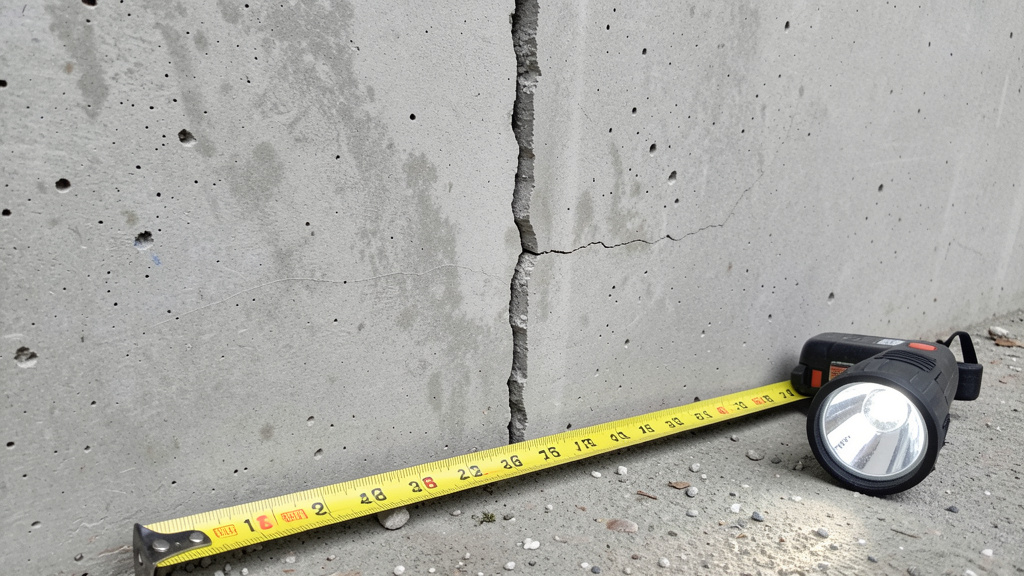
Stop Guessing, Start Fixing: A Step-by-Step Guide to Identifying the Cause, Choosing the Right Repair Path, and Protecting Your Home’s Structural Integrity
Foundation cracks and settlement exist on a spectrum—from hairline fissures requiring only monitoring to significant shifts needing professional evaluation. This guide provides a clear, evidence-based pathway to assess your foundation’s condition, interpret warning signs accurately, and determine appropriate next steps with confidence. You’ll learn practical documentation techniques, understand which indicators warrant attention, and discover proactive strategies to support your home’s long-term stability. Grounded in established building science principles and widely recognized engineering guidelines, this resource transforms uncertainty into informed action.
Introduction
Your home’s foundation serves as the critical interface between built structure and dynamic earth. When cracks appear or floors feel uneven, concern is natural—but not every anomaly signals serious trouble. Many minor cracks result from normal concrete curing or seasonal soil movement, while some subtle signs may indicate developing issues requiring attention. The real challenge for homeowners lies not in noticing a crack, but in accurately interpreting its meaning and determining a measured response. This guide bridges that gap through a structured, observational framework informed by industry-recognized diagnostic approaches. We move beyond alarm-driven narratives to deliver clarity—equipping you with tools to document changes, recognize patterns, and make decisions aligned with your home’s actual condition. Whether you’re noting a fine line in a basement wall or investigating a sticking door upstairs, this resource offers a calm, methodical path forward to safeguard your home thoughtfully and effectively.
The Foundation Health Assessment Framework: Your Four-Step Diagnostic Pathway
Before considering repairs or contacting professionals, implement this sequential process. Skipping steps risks misinterpreting symptoms or overlooking underlying contributors. This framework adapts widely accepted diagnostic logic used in structural evaluations into an accessible workflow for homeowners. Each phase builds deliberately on the previous one, creating a clear evidence trail to guide your decisions with confidence and context.
Step 1: Document and Measure Every Crack and Shift (The Evidence Collection Phase)
Why this step matters: Visual impressions can be misleading. A crack that feels worse after heavy rain may show no measurable change. Objective documentation removes emotional bias and establishes a reliable baseline for tracking over time. Without consistent records, distinguishing stable conditions from active movement becomes guesswork.
How to document thoroughly:
1. Gather simple tools: Smartphone camera, measuring tape, level (4-foot preferred), notepad, painter’s tape, and a small ruler or coin for scale.
2. Sketch a foundation map: Draw a basic outline of your foundation perimeter (basement, crawl space, or slab edge). Mark windows, doors, utility lines, and support columns. Use this as your ongoing reference.
3. Photograph systematically: Capture clear, well-lit images of every crack or anomaly. Include a ruler or coin in each close-up for scale. Take wide shots showing context (e.g., crack relative to a window). Name files clearly with location and date (e.g., “Basement_NorthWall_Crack_20240615.jpg”).
4. Measure key details:
* Width: Note if hairline (<1/16 inch) or wider. A printable crack comparator card (available from engineering extension resources) aids consistency.
* Length: Record total vertical or horizontal extent.
* Displacement: Place small tape markers on both sides of the crack. Measure the gap between them. Re-check monthly. Widening = active movement.
* Levelness: Rest your level on interior floors (especially near exterior walls), window sills, and door frames. Note bubble position. For greater accuracy across rooms, a rented laser level is helpful. Record deviations simply (e.g., “bubble off-center by two lines”).
5. Log environmental context: Jot down recent weather patterns (heavy rain, extended dry spell, freeze-thaw cycles), changes to drainage, or nearby construction activity. This context is vital for Step 2.
Key documentation pitfalls to avoid:
* Focusing only on the most visible crack: Document all anomalies. A small crack near a known plumbing area may be more significant than a larger, stable one elsewhere.
* Skipping interior signs: Foundation movement often manifests indoors. Note sticking doors/windows, diagonal drywall cracks at corners, gaps between walls and ceilings, or noticeable floor slopes. Photograph these too.
* Omitting dates: Undated records cannot track progression. Consistency in timing and method is what gives your documentation value.
The Fundamental Principle: Documented change over time—not the mere presence of a crack—is the most reliable indicator of active movement. A stable wider crack is often less concerning than a hairline crack showing consistent widening. Your records transform subjective worry into objective insight.
Step 2: Decode the Clues: Crack Patterns, Settlement Signs, and Environmental Context
Raw measurements gain meaning through pattern recognition. This step teaches you to correlate physical evidence with probable causes—like reading symptoms to understand an underlying condition. Context is everything.
Crack Pattern Interpretation Guide:
| Crack Location & Pattern | Typical Association | Consider Monitoring If… | Warrants Closer Review If… |
|---|---|---|---|
| Vertical Crack (Centered) | Concrete shrinkage during initial curing (common in first few years). | Hairline width; consistent over 6+ months; centered between structural points. | Widening steadily; located near corners; accompanied by interior signs. |
| Vertical Crack (Near Corner) | Possible differential movement at a stress point. | Very fine; no change over time; no related interior symptoms. | Wider at top or bottom; adjacent walls show similar patterns; nearby doors/windows stick. |
| Stair-Step Crack (Masonry/Brick) | Movement affecting mortar joints—often settlement-related. | Very fine hairline; stable over multiple seasons. | Crack follows joints in a distinct “step” pattern; bricks show offset; width exceeds hairline. |
| Horizontal Crack (Basement Wall) | Potential lateral pressure from soil or moisture. | Extremely rare in stable conditions; usually requires professional perspective. | Visible with any wall curvature; near mid-height; associated with dampness or soil saturation outside. |
| Diagonal Crack (≈45-degree angle) | Often linked to point-load stress or localized settlement. | Isolated; stable; no progression noted over time. | Originates near a support post, heavy fixture, or addition; extends into floor; widens. |
| Crack Radiating from Opening | Stress concentration around windows/doors. | Fine; stable; only one opening affected. | Multiple openings on same wall affected; frames visibly distorted; crack widens. |
| Random Spiderweb Cracking (Surface) | Surface-level drying (plastic shrinkage) or efflorescence residue. | Shallow to touch; wipes clean; no depth. | Deep; associated with spalling (flaking concrete); dampness present. |
Settlement Sign Interpretation:
* Uniform Settlement: Entire foundation lowers evenly. Rarely causes structural distress (though utility connections may need attention). Signs: House sits lower relative to grade; gaps under siding are consistent; doors/windows operate normally relative to each other. Usually not urgent unless extreme or sudden.
* Differential Settlement: This is the primary concern. Different foundation sections settle at varying rates. Signs: Doors/windows stick only on one side of the house; diagonal drywall cracks; measurable floor slope; visible gaps between foundation and framing. Warrants investigation to understand cause.
* Heaving: A section is pushed upward (opposite of settling). Signs: Cracks wider at the bottom; floors bulge locally; doors bind at the top. Often linked to soil expansion from moisture absorption (e.g., clay soils) or frost action in cold climates. Requires evaluation.
Connecting to Environmental Context (The “Why Now?” Factor):
* Heavy Rain / Poor Drainage: Saturated soil increases pressure against walls or washes away supporting soil. Check for clogged gutters, downspouts discharging near the foundation, or soil graded toward the house.
* Extended Dry Periods: Clay soils shrink, potentially creating gaps under foundation edges. Look for soil visibly pulling away from the foundation perimeter.
* Seasonal Freeze-Thaw: Water in cracks expands when frozen, potentially widening them. More relevant in regions with recurring sub-freezing temperatures.
* Plumbing Leaks (Visible or Suspected): Constant moisture softens soil beneath slabs or footings. Watch for unexplained humidity spikes, damp spots on slabs, or unexpected water usage.
* Nearby Construction or Tree Removal: Vibrations or soil disturbance can affect foundation support. Note timing correlation with observed changes.
Illustrative Scenario:
A homeowner notes a fine vertical crack near the northeast basement corner. Documentation shows it widened slightly over four months. Indoors, the bedroom door on that corner sticks at the top. Outside, soil has pulled away from the foundation on the north side following a dry period. Gutters are clear, but the downspout empties close to the foundation.
Interpretation Path: Differential movement is plausible. Seasonal soil shrinkage on the drier north side may have reduced support under the northeast corner, causing minor settling. The downspout location may contribute to uneven moisture. Suggested Path: First, improve drainage (extend downspout discharge away from foundation). Monitor the crack and door operation closely for 3–6 months. If movement stabilizes, the issue may be managed. If progression continues, seek professional evaluation.
Step 3: Determine the Likely Root Cause Category
Effective action addresses the underlying driver, not just the visible symptom. Misidentifying the cause often leads to temporary fixes and recurring issues. Most foundation concerns involve soil and moisture dynamics.
Common Root Cause Categories:
-
Soil-Related Factors (Frequently Involved):
- Expansive Soils: Certain soils (like clays) swell when wet and shrink when dry, creating cyclical stress. Signs: Cracks that appear to open/close with seasons; movement correlating with wet/dry periods.
- Inadequate Soil Compaction: Fill soil beneath the foundation wasn’t sufficiently compacted before construction. Settlement may occur gradually, often within the first decade.
- Soil Erosion/Washout: Water (from leaks or poor drainage) carries away supporting soil. Signs: Sudden localized settling; hollow sounds under slabs; visible voids in crawl spaces.
- Organic Material Decay: Decomposing roots or buried debris create voids. Signs: Settlement near areas where large trees were recently removed.
-
Water Management Factors (Often Intertwined with Soil):
- Surface Water Issues: Gutters/downspouts directing water toward the foundation; soil graded toward the house. Leads to soil saturation or erosion.
- Subsurface Moisture: Plumbing leaks (supply or drain lines) introducing persistent moisture under slabs or near footings.
- High Water Table: Persistent groundwater exerting pressure. Signs: Dampness in below-grade spaces even without recent rain; mineral deposits (efflorescence) on walls.
-
Structural or Design Factors (Less common in established homes, critical when present):
- Original Construction Elements: Footing size/depth or reinforcement levels suited for expected soil conditions at time of build. Issues may emerge if soil behavior differs significantly from assumptions.
- Added Loads: Significant modifications (e.g., heavy masonry fireplace, second-story addition) not accounted for in original design. Signs: Settlement or cracking localized under the new load.
-
External Event Factors:
- Significant Ground Disturbance: Major nearby excavation, heavy construction, or seismic activity.
- Tree Root Influence: Large roots near the foundation can extract soil moisture (contributing to shrinkage) or, upon removal, leave voids as they decay.
Guiding Questions for Your Situation:
* Does observed movement align with weather patterns (worsens after heavy rain or prolonged dry spells)? → Points toward soil moisture dynamics.
* Is there evidence of moisture issues (dampness, efflorescence, suspected leaks)? → Water management is likely a key factor.
* Is movement concentrated under a specific area (recent addition, heavy fixture)? → Consider localized soil support or load factors.
* Did changes appear suddenly after a specific event (construction nearby, major tree removal)? → External event may be the trigger.
* Are issues widespread and appeared early in the home’s life? → May warrant review of original construction factors.
Important Insight: Most situations involve multiple contributing factors. Example: Poor surface drainage (water) saturates expansive soil (soil), increasing pressure on a wall. Addressing only the crack without improving drainage risks recurrence. Sustainable solutions consider the full context.
Step 4: Choose Your Path Forward (The Decision Guide)
With documentation, pattern interpretation, and root cause consideration complete, you can determine a measured next step. This guide clarifies the boundary between homeowner-manageable actions and situations requiring professional expertise. When uncertainty exists, professional evaluation provides valuable peace of mind.
| Observed Condition | Likely Context | Suggested Homeowner Path | Professional Evaluation Recommended? | Timing Consideration |
|---|---|---|---|---|
| Stable, hairline vertical cracks. No interior signs. No change documented over 6+ months. | Typical concrete curing or minor aging. | Monitor annually. Cosmetic sealing optional for appearance or dust control. | Generally not needed. | Ongoing observation. |
| Slowly widening vertical/diagonal cracks. Mild door sticking. Soil gap visible after dry period. | Soil moisture imbalance likely contributing. | 1. Prioritize moisture management: Extend downspouts ≥6 ft away; verify soil slopes away from foundation; during severe drought, light perimeter watering may help stabilize soil moisture (avoid saturation). 2. Monitor closely for 3–6 months. | If movement stabilizes after moisture corrections: likely not. If movement continues/worsens: yes. | Address drainage promptly; monitor diligently. |
| Horizontal crack with visible wall curvature. Significant door/window binding on that wall. Dampness present. | Potential for significant lateral pressure or structural stress. | 1. Do not delay. 2. Contact licensed structural professionals promptly for assessment. 3. Immediate interim steps: Ensure gutters/downspouts are clear and directing water away; avoid adding soil pressure against the affected wall section. | Yes – Urgent | Seek assessment within 1–2 weeks. |
| Stair-step cracks in masonry > hairline width. Multiple interior diagonal cracks. Noticeable floor slope. | Indicates active differential movement. | 1. Do not attempt cosmetic repairs (patching cracks won’t address movement). 2. Consult a licensed structural engineer for diagnosis and repair specification. | Yes – Required | Schedule evaluation within a few weeks. |
| Sudden localized settling. Hollow sound under slab. Recent plumbing leak history. | Soil washout beneath slab is plausible. | 1. Confirm any leak is fully repaired. 2. Consult foundation repair specialists experienced with slab stabilization methods. | Yes – Required | Address within weeks to prevent progression. |
| Fine surface spiderweb cracking. No depth. Wipes clean. | Surface-level drying effect; cosmetic only. | Clean area. Apply concrete sealer or flexible caulk if desired for appearance. No structural implication. | Not needed. | None. |
Understanding Professional Evaluation (If Pursued):
If your assessment indicates professional input, knowing the process fosters confidence and helps avoid pitfalls:
1. Initial Assessment: Reputable firms often provide complimentary inspections. A qualified technician will review your documentation, conduct measurements, and discuss history.
2. Engineering Report (Highly Recommended for Significant Concerns): For issues suggesting structural involvement, an independent licensed structural engineer (distinct from a repair contractor) can provide a formal report. This typically includes:
* Documented observations and measurements.
* Analysis of probable causes.
* Specific, engineered repair recommendations (if needed).
* Obtaining an independent engineer’s report before major repairs is a prudent step to ensure solutions address the actual cause.
3. Repair Proposal Review: If repairs are recommended, detailed proposals should specify:
* Exact methodology and materials.
* Full scope (including site restoration, interior repairs).
* Projected timeline.
* Warranty terms (coverage, duration, transferability).
* Total cost breakdown.
4. Seek Multiple Perspectives: Obtain at least two or three detailed proposals from licensed, insured contractors with verifiable references. Compare scope and warranty details, not just price.
Professional Selection Considerations:
* Verify state licensing and insurance coverage.
* Check references and reviews focused on communication and problem-solving.
* Be cautious of high-pressure tactics, vague proposals, requests for large upfront payments, or reluctance to work with an independent engineer’s findings.
* Trust your judgment—choose a professional who explains clearly and respects your questions.
Foundation Types and Material-Specific Considerations
The significance of a crack depends heavily on foundation material and construction type. Context matters.
Poured Concrete Foundations
- Shrinkage Cracks: Common during initial curing (first 1–2 years). Typically vertical, random, hairline to fine width, consistent top-to-bottom. Usually stable. Action: Monitor. Seal if moisture or aesthetics are concerns.
- Structural Cracks: Often diagonal, horizontal, or wider at one end; may show offset. Suggest external forces (settlement, pressure). Action: Investigate context per Framework Steps 2–3.
- Cold Joints: Straight-line cracks where concrete pours met. Can be a path for moisture. Action: Seal thoroughly; monitor for movement.
Concrete Block (CMU) Foundations
- Mortar Joint Cracking: Most frequent issue. Mortar is weaker than block. Cracks following joints (horizontal or stair-step) indicate movement. Action: Stair-step patterns warrant cause investigation. Widespread horizontal joint cracking suggests lateral pressure.
- Block Damage: Spalling (surface flaking) or cracking through the block unit suggests significant stress or moisture intrusion. Action: Professional assessment is advisable.
Brick Foundations (Common in Older Homes)
- Mortar Deterioration: Crumbling mortar (pointing failure) allows water entry, accelerating damage. Action: Tuckpointing (replacing mortar) is essential maintenance; often manageable for small areas.
- Stair-Step Cracking: Classic indicator of settlement in brickwork. Severity increases with width and brick displacement. Action: Investigate underlying cause; cosmetic repair alone is insufficient if movement is active.
- Bowing/Bulging: Bricks displaced inward or outward. Critical sign requiring prompt professional assessment.
Slab-on-Grade Foundations
- Shrinkage Cracks: Random pattern, usually fine, often within first year. Control joints (intentional grooves) are designed weak points—cracks within them are expected. Action: Monitor cracks outside control joints.
- Settlement Cracks: May follow straight lines, show vertical offset, or correlate with interior drywall cracks above. Action: Investigate potential causes (soil washout, compaction).
- Heaving Cracks: Slab lifted upward; crack may be wider at the base. Often near plumbing lines or tree roots. Action: Identify potential cause (leak? roots?); professional input is often needed.
Settlement: Understanding Movement Realistically
Not all foundation movement indicates failure. Some degree of adjustment is normal over a structure’s lifespan. The focus should be on active, progressive movement and its impact on the living space.
Types of Movement Revisited
- Total Settlement: The overall downward movement. Minor, uniform settlement is often accommodated by the structure without damage.
- Differential Settlement: The critical factor. The difference in settlement between two points. Significant differential movement (often informally noted when floor slope becomes noticeable or doors bind) can stress the structure. Measurement helps: using a level or string line to compare heights across spans provides objective data.
- Angular Distortion: A specific form of differential movement where rotation occurs. Highly stressful to structures; typically requires professional instrumentation to assess fully but manifests as severe diagonal cracking.
Practical Monitoring Tips
- Simple Level Check: Place a long level on floors near exterior walls. Note bubble position. Repeat in the same spot seasonally.
- String Line Method: Stretch a taut string across a room (e.g., basement). Measure the distance from string to floor at multiple points. Changes over time indicate slope development.
- Door/Window Function: Keep a log of which doors or windows stick and when. Sudden or worsening binding on multiple openings on one side of the house is noteworthy.
Clarifying Common Misconceptions
- Myth: “Any crack means my foundation is failing.”
Reality: Most homes develop some cracks over time due to material behavior and environmental interaction. Context—type, location, activity, and correlation with other signs—is essential. - Myth: “If it hasn’t moved in years, it’s permanently stable.”
Reality: Dormant conditions can change due to new factors (prolonged drought, new construction nearby, plumbing issues). Periodic observation remains wise. - Myth: “Foundation repair is always extremely expensive.”
Reality: Costs vary widely. Addressing root causes early (e.g., improving drainage) often involves modest investment and can prevent larger expenses later. Many minor conditions require only monitoring. - Myth: “Piering is the only solution for settlement.”
Reality: Piering addresses settlement symptoms but not always the cause (e.g., ongoing drainage issues). Comprehensive solutions address both cause and effect. Sometimes, stabilizing the cause halts progression without major intervention.
Repair Approaches: Matching Method to Verified Need
Selecting a repair method before confirming the root cause is ineffective. This overview explains common techniques in context, emphasizing that professional diagnosis should precede repair decisions. Never attempt structural repairs without verified cause and professional guidance.
For Managing Water Entry Through Stable Cracks
- Epoxy Injection:
Context: Used for stable, non-leaking cracks in poured concrete where structural bonding is desired. Low-viscosity resin is injected to seal and bond crack faces.
Considerations: Requires stable crack; not suitable for active leaks under pressure or block foundations. Best performed by experienced technicians. Restores monolithic integrity where appropriate. - Polyurethane Injection:
Context: Expanding polymer foam seals cracks against water. Effective for damp or actively leaking cracks in poured concrete; can fill voids behind walls.
Considerations: Primarily a water-sealing solution; does not restore structural strength. Technician selects hydrophobic (for damp) or hydrophilic (for active leaks) formulations. A valuable tool when water management is the goal.
For Addressing Settlement (Always Pair with Root Cause Resolution)
- Steel Push Piers:
Context: Heavy-duty steel shafts hydraulically driven to stable soil/bedrock depth. Brackets attach to footings; gradual lifting may be possible.
Considerations: Suited for significant settlement where deep competent soil exists. High load capacity. Requires excavation and equipment access. Lifting is done incrementally under monitoring. Crucially, the cause of settlement (e.g., poor drainage) must be resolved concurrently. - Helical Piers:
Context: Screw-like shafts torqued into the ground; installation torque correlates to capacity. Brackets attach for support or lifting.
Considerations: Often used in cohesive soils, limited access sites, or for lighter loads. Minimal vibration during install. Engineering determines proper size, depth, and spacing. Also requires concurrent root cause resolution. - Slab Stabilization (Mudjacking or Polyurethane Foam):
Context: Material injected beneath settled slabs (driveways, patios, interior floors) to lift and support. Foam is lighter and expands to fill voids; slurry is denser.
Considerations: Addresses the symptom (sunken slab). Must confirm and resolve the cause of settlement first (e.g., repair plumbing leak causing soil washout). Otherwise, recurrence is likely. Foam is often preferred for interior use due to lighter weight and faster cure.
For Walls Under Lateral Pressure
- Wall Anchors:
Context: Interior wall plate connected via rod to an exterior anchor in stable soil. Gradual tightening can correct bowing over time.
Considerations: Requires accessible exterior space for anchor installation. Actively addresses the pressure source. Significant excavation involved. - Carbon Fiber Reinforcement:
Context: High-strength strips bonded vertically to the interior wall surface to resist further inward movement.
Considerations: Does not straighten an existing bow—only prevents progression. Ideal for minor movement, preventative reinforcement, or situations with no exterior access. Surface preparation and installation quality are critical for effectiveness. Not a correction method.
For Cosmetic Repair of Stable Cracks Only
- Flexible Sealants:
Context: Acrylic or polyurethane caulk for hairline cracks in stable conditions. Accommodates minor seasonal movement.
Process: Clean crack thoroughly, insert backer rod if deep, apply sealant.
Note: Purely cosmetic/moisture-dust control. Not structural. Reapplication may be needed over years. - Surface Patching:
Context: Hydraulic cement or patching compound for small holes or very minor surface flaws.
Note: Hydraulic cement sets quickly and can stop minor seepage temporarily but is brittle. Not a long-term structural solution. Best for stable, non-critical areas.
When to Seek Professional Input: Clear Guidance
Your safety and your home’s integrity are paramount. These guidelines help identify situations warranting expert perspective. When in doubt, consultation is a prudent investment.
Situations Warranting Prompt Professional Evaluation (Within Weeks)
- Horizontal cracks in poured concrete walls, especially with any visible inward curvature.
- Stair-step cracking in brick or block foundations with noticeable width or brick displacement.
- Multiple new diagonal drywall cracks combined with measurable floor slope or multiple sticking doors/windows on one side of the house.
- Visible gaps appearing between the foundation wall and floor slab, or between foundation and wood framing above.
- Documented progression of cracks or settlement signs over several months despite implementing basic moisture management.
Situations Requiring Immediate Attention (Contact Professionals Promptly)
- Sudden, noticeable settlement in a specific area (e.g., a room floor drops perceptibly).
- Major new cracks appearing suddenly after a significant event (earthquake, severe storm, nearby excavation).
- Visible structural compromise: wall collapse, large sections of concrete breaking away, or severe bowing worsening rapidly.
- Significant water intrusion through a foundation crack during rain, suggesting a major breach.
Scenarios Where Professional Assessment Offers Valuable Clarity
- Preparing to buy or sell a home with noted foundation observations.
- Planning major renovations (additions, basement finishing) and wanting confirmation of foundation condition.
- Persistent uncertainty despite documentation and monitoring—peace of mind has value.
- Reviewing repair proposals to ensure scope aligns with diagnosed cause.
Finding the Right Professional:
* For Diagnosis & Specification: A Licensed Structural Engineer (SE) provides unbiased analysis, identifies probable causes, and specifies necessary repairs (if any). They do not perform repairs, reducing conflict of interest. Search your state’s engineering licensing board website.
* For Repair Execution: A Licensed Foundation Contractor should have:
* Valid state license for foundation work.
* Proof of insurance (liability and workers’ compensation).
* Verifiable experience and references (contact them).
* Willingness to follow an engineer’s specifications.
* Clear, detailed written proposals and warranty terms.
* Trust Your Instincts: Choose professionals who communicate clearly, answer questions patiently, and prioritize understanding the cause.
Realistic Cost Considerations for Foundation Work
Costs vary significantly based on location, project scope, accessibility, and local market conditions. The following ranges are illustrative estimates based on aggregated industry data to support informed budgeting. Always obtain multiple detailed, written proposals.
| Work Type | Illustrative Cost Range | Key Variables |
|---|---|---|
| Crack Injection (Sealing) | Several hundred to low thousands per crack | Crack size/length, material (epoxy vs. polyurethane), accessibility |
| Interior Drainage System + Sump Pump | Several thousand to mid-teens of thousands | Perimeter length, soil conditions, system complexity, finishing |
| Exterior Waterproofing (Excavation) | Mid-teens of thousands and up | Wall area, excavation depth/difficulty, membrane type, drainage integration |
| Push or Helical Piers (Per Pier) | Low to mid-thousands per pier | Depth required, soil conditions, equipment access, number of piers |
| Slab Stabilization (Foam or Slurry) | Hundreds to low thousands per slab section | Slab size, lift height, material type, cause resolution |
| Wall Anchors or Carbon Fiber (Per Unit) | Hundreds to low thousands per unit | Wall height, number of units, access constraints |
| Licensed Structural Engineer Report | A few hundred to low thousands | Complexity, site visit required, report detail |
Essential Cost Context:
* Root Cause Resolution is Separate: Costs above typically address the symptom. Fixing the underlying cause (e.g., installing French drains, repairing plumbing leaks) is a distinct, essential expense. Reputable professionals will address both.
* Warranty Clarity: Review warranty terms carefully: What is covered (materials, labor)? Duration? Transferable to future owners? Reputable firms offer meaningful warranties on structural work.
* Permits and Engineering: Major structural repairs often require building permits and engineered plans. Factor in associated fees. Reputable contractors manage this process.
* Full Scope Clarity: Ensure proposals include all aspects: site preparation, repair work, cleanup, landscaping restoration, interior repairs, and warranty details. Avoid vague descriptions.
* Financing Options: Many firms offer financing. Compare terms carefully. Home equity options may provide lower interest rates.
Prevention: The Proactive Homeowner’s Strategy
The most effective foundation care is consistent, proactive stewardship focused on managing moisture—the single most influential factor for most homes. These practices, integrated into routine home maintenance, significantly reduce risk.
Foundational Water Management Practices
- Gutter and Downspout Maintenance:
- Clean gutters at least twice yearly (spring and fall); more often if surrounded by trees.
- Ensure downspouts discharge water a minimum of 6 feet away from the foundation perimeter. Use rigid extensions or buried drain lines where feasible.
- Tip: During heavy rain, observe water flow. Adjust extensions if water pools near the foundation.
- Proper Grading:
- Soil should slope away from the foundation consistently. A gentle slope of approximately 6 inches over the first 10 feet is a common guideline.
- Checking: After rain, watch where water flows. Does it move toward or away from the house? Correct negative grading by adding clean fill soil (not loose topsoil), tamped firmly in layers. Maintain 4–6 inches of clearance between soil and wood siding.
- Thoughtful Landscaping:
- Avoid planting water-intensive trees or shrubs within 10–15 feet of the foundation. Roots seek moisture, potentially drying soil unevenly.
- During prolonged, severe droughts, light, targeted watering around the perimeter (using a soaker hose for short durations) may help maintain soil moisture stability—only if soil is visibly pulling away. Goal is consistency, not saturation. Over-watering is equally harmful.
- Use gravel or permeable pavers near downspout discharge points to prevent soil erosion.
Interior Awareness and Monitoring
- Control Humidity: In basements or crawl spaces, maintain relative humidity below 60% using ventilation or a dehumidifier. High humidity accelerates wood decay and mold growth.
- Prompt Leak Repair: Fix dripping faucets, running toilets, or appliance leaks immediately. Monitor water bills for unexplained increases, which can signal hidden leaks.
- Seasonal Visual Checks: Briefly inspect foundation walls (in accessible areas) and the home’s perimeter during spring (after thaw) and fall (before freeze). Note new cracks, damp spots, or soil gaps. Compare to your documentation.
Sustainable Monitoring Habit
- Annual Review: Set a calendar reminder (e.g., home purchase anniversary) to revisit your foundation map, re-measure key cracks, and re-check levels. Update photos. This builds a valuable historical record.
- Post-Event Check: After significant weather events (major storm, extended dry spell), do a quick visual scan for changes.
- Mindset Shift: View foundation care as ongoing home stewardship—like roof or HVAC maintenance. Small, consistent efforts prevent major issues and preserve your home’s integrity and your peace of mind for decades.
Your Questions, Answered
Q: How do I know if a foundation crack is serious?
A: Focus on context, not just presence. A stable, hairline vertical crack in poured concrete is often benign shrinkage. Horizontal cracks with wall curvature, stair-step cracks in masonry showing width or displacement, or any crack documented to be widening steadily warrant professional evaluation. Always correlate with interior signs like sticking doors, sloping floors, or new drywall cracks.
Q: Can I fix a foundation crack myself?
A: Only for stable, non-structural, cosmetic cracks where the root cause is confirmed resolved (e.g., a dormant shrinkage crack). Use flexible concrete caulk after thorough cleaning. Never attempt DIY repair on active cracks, cracks with water leakage, structural cracks (horizontal, wide diagonal), or any crack showing signs of movement. Misdiagnosis can worsen the issue. When uncertain, consult a professional.
Q: Will homeowner’s insurance cover foundation repairs?
A: Standard policies typically exclude damage from gradual processes like soil settlement, shrinkage, or maintenance issues (e.g., clogged gutters). Coverage might apply for sudden, accidental events explicitly listed in your policy, such as damage directly caused by a burst pipe leading to soil washout (though pipe repair itself may not be covered) or earthquake damage (with a separate endorsement). Review your specific policy details and discuss with your agent proactively.
Q: How long do foundation repairs last?
A: Repairs addressing both the verified symptom and the underlying cause, performed correctly with appropriate materials, are designed for long-term performance. Solutions like properly installed piers to competent soil often carry robust warranties. However, if the root cause (e.g., persistent poor drainage) remains unaddressed, any repair is at risk of premature failure. Warranty terms vary—review them carefully.
Q: Does a repaired foundation affect home value?
A: A properly documented repair, supported by engineering reports and transferable warranties, demonstrates responsible maintenance and can support value. Conversely, undocumented repairs or concealed issues create uncertainty for buyers and inspectors. Full transparency with professional documentation is the most trustworthy approach during resale.
Q: Are foundation problems common?
A: Yes. Most homes experience some degree of minor cracking or movement over time due to soil dynamics, weather cycles, and material aging. The critical distinction is between stable conditions (normal aging) and active, progressive movement. Regular, calm observation helps differentiate the two.
Q: Can tree roots damage my foundation?
A: Direct cracking by roots is uncommon with sound foundations. However, roots significantly impact soil moisture: thirsty trees near the house can dry soil, causing shrinkage and settlement. Additionally, when large roots decay after tree removal, voids may form, leading to settlement. Maintain trees at a prudent distance (consult an arborist for species-specific guidance); root barriers may be an option in some cases.
Q: What’s the difference between a foundation contractor and a structural engineer?
A: A Licensed Structural Engineer (SE) is a degreed, licensed professional who diagnoses issues, determines probable causes, and specifies what repairs are needed (providing stamped calculations/reports). They act as an independent consultant. A Foundation Contractor is a licensed tradesperson who executes repairs. For significant concerns, an independent engineer’s assessment provides unbiased guidance before repair decisions.
Q: How do I find a trustworthy foundation repair company?
A: Verify state license and insurance. Check references and reviews focusing on communication and problem-solving. Require detailed written proposals specifying methods, materials, scope, timeline, and warranty. Ensure they welcome working from an independent engineer’s report. Avoid high-pressure sales, unusually low bids, or large upfront payment demands. Trust professionals who educate and respect your process.
Q: Is foundation repair covered under new home warranties?
A: Builder warranties vary. They may cover defects in workmanship or materials (e.g., inadequate compaction) within specific timeframes (often 1–2 years for workmanship, up to 10 years for major structural elements). However, they typically exclude issues stemming from soil conditions (like expansive clay) or owner maintenance (e.g., poor drainage). Document concerns immediately and contact your builder per warranty terms if issues arise during the coverage period.
Q: Can I sell a house with foundation repairs?
A: Yes, and transparency is key. Providing full documentation—engineer’s report, repair specifications, contractor proposal, warranty details, and post-repair certification—builds buyer confidence. It demonstrates the issue was properly diagnosed and resolved by qualified professionals. Concealing repairs or providing incomplete information creates significant risk during inspections and negotiations.
Q: How often should I inspect my foundation?
A: Conduct a brief visual check twice yearly (spring and fall). Perform a quick scan after major weather events. For homes with documented past issues (even if repaired), an annual professional inspection may provide added assurance. Consistent, low-effort monitoring is the cornerstone of prevention.
Conclusion and Next Step
Foundation concerns need not provoke anxiety. Equipped with this structured Framework—Document, Decode, Determine Context, Decide Path—you hold the tools to move from uncertainty to informed action. You can now distinguish between normal aging and genuine concerns, communicate effectively with professionals if needed, and implement practical, preventative care that supports your home’s longevity. Remember the core insights: documented change over time is the clearest indicator; addressing moisture management is the most impactful preventative step; and consistent, minor stewardship yields immense long-term value.
-
Recap the 3 Foundational Actions:
- Document Calmly: Begin your foundation map and photo log today. Date everything.
- Decode Contextually: Use the pattern guides to interpret what you see without alarm.
- Manage Moisture Proactively: Verify downspouts extend away from the foundation and soil slopes outward—this single practice addresses the root of most preventable issues.
-
The 24-Hour Step: Within the next day, spend 15 minutes walking your home’s perimeter (inside and out). Choose one actionable item: clear debris from one gutter section, extend a downspout temporarily with a hose, or take dated photos of an area you’ve wondered about. Action builds confidence.
-
The Enduring Perspective: Your foundation is part of a dynamic system interacting with the earth beneath it. Embrace stewardship over fear. The consistent, thoughtful habits of prevention—managing water, observing change, addressing small issues early—compound into lasting protection for your home and profound peace of mind. You are now empowered to be the informed, proactive guardian of your home’s foundation.
Explore Our Complete Home Integrity System:
Understanding Your Local Soil: A Homeowner’s Guide | Mastering Home Moisture Control: Gutters, Grading & Drainage | Decoding Structural Reports: What Homeowners Should Know | Basement Waterproofing Strategies: Interior and Exterior Approaches | The Seasonal Home Maintenance Planner: Protecting Your Investment Year-Round