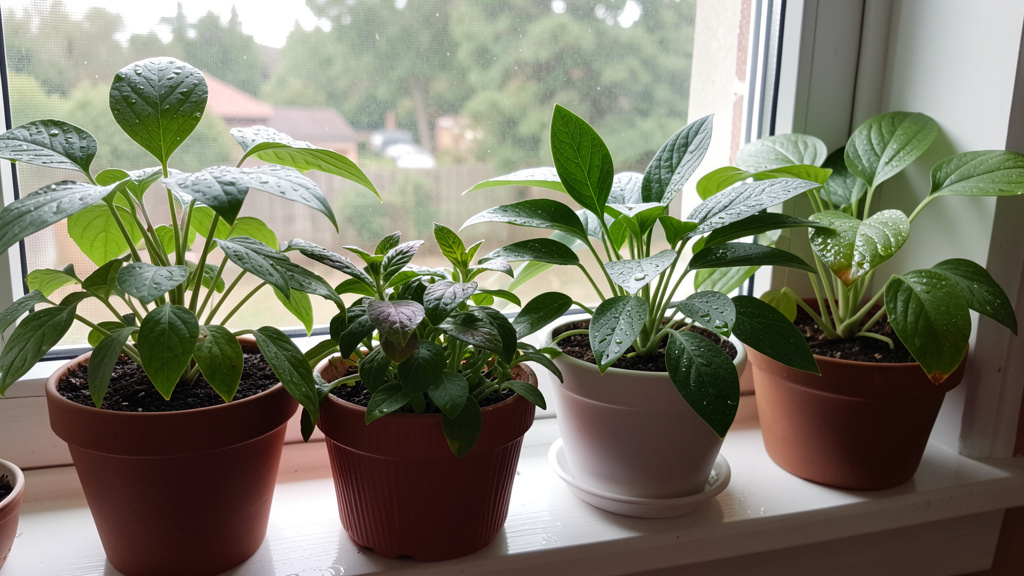
Move beyond guesswork with a science-informed, step-by-step system that transforms your approach to plant parenting—covering everything from choosing the right plant to diagnosing yellow leaves and beyond.
Indoor plant care doesn’t have to be confusing. This comprehensive guide breaks down the essential elements of plant health into an actionable framework, empowering you to create the perfect environment for any houseplant. Learn the why behind watering cues, decode light requirements with precision, and troubleshoot common issues with confidence. Whether you’re nurturing your first snake plant or cultivating a diverse indoor collection, this guide provides foundational knowledge and practical techniques to support plant vitality. This framework distills core principles from established horticultural knowledge and observed patterns in successful indoor plant care, offering a reliable foundation adaptable to your unique space and circumstances.
Introduction
There’s a quiet magic in watching a new leaf unfurl on a monstera, or seeing a peace lily produce its elegant white spathe after months of patient care. Yet for many plant enthusiasts—whether beginners overwhelmed by conflicting advice or experienced growers facing stubborn issues—the journey often includes moments of frustration: the mysterious yellowing of leaves, the sudden droop of a previously vibrant fern, or the persistent struggle to maintain a fiddle-leaf fig. These challenges rarely stem from a lack of effort. Instead, they arise from fragmented knowledge—tips pulled from social media without context, generic care labels that ignore environmental variables, or well-intentioned but incomplete advice.
True plant care mastery requires understanding the interconnected systems that govern plant health. A watering cue means little without considering light exposure, pot material, seasonal shifts, and the plant’s evolutionary origins. This guide replaces fragmented tips with a unified, adaptable framework. We’ll move beyond “water when dry” to explore how to assess moisture accurately, why certain plants tolerate variable conditions while others require consistency, and when to intervene versus when to observe. By integrating botanical principles with practical, room-by-room strategies, you’ll develop the observational skills to read your plants’ subtle cues. This isn’t about memorizing rules for dozens of species; it’s about building a mental model that empowers you to care for any plant with growing confidence. Let’s begin by laying the foundation every thriving indoor garden requires.
The Plant Parenting Pyramid: A Five-Layer Framework for Success
Imagine plant care as a pyramid. At its base lie non-negotiable foundations—understanding your plant’s inherent nature. Each ascending layer builds upon the one below: environment, nourishment, maintenance, and vigilant observation. Neglecting any layer destabilizes the entire structure. This framework, developed through analysis of common care patterns and challenges in indoor horticulture, shifts the focus from reactive problem-solving to proactive cultivation. It transforms plant care from a series of isolated tasks into a cohesive practice rooted in observation and adaptation. Let’s ascend the pyramid, layer by layer, with concrete examples, common pitfalls, and adaptable solutions for every living situation.
Layer 1: Foundation – Decoding Your Plant’s Origins and Instincts
Every indoor plant carries an evolutionary blueprint shaped by its native habitat. A snake plant (Sansevieria trifasciata) thrives with infrequent watering because it evolved in seasonally dry African grasslands, storing water in thick, succulent leaves and rhizomes. Conversely, a maidenhair fern (Adiantum raddianum) requires consistent moisture and humidity, mirroring the shaded, misty forest floors of tropical regions. Ignoring this blueprint is a primary reason for plant decline. This layer is about becoming a plant detective—translating wild origins into thoughtful indoor care strategies.
Why This Layer is Non-Negotiable:
Plants cannot rapidly adapt to conditions vastly different from their native environment. Forcing a desert-adapted cactus into a damp, low-light bathroom invites rot. Placing a moisture-loving calathea in a sunny, dry windowsill leads to crispy, curling leaves. Understanding origins allows you to replicate key aspects of the natural habitat indoors, setting the stage for success. It transforms care from arbitrary rules (“water weekly”) to logical responses (“water when soil mimics the plant’s natural dry period”).
How to Research Your Plant’s Heritage:
1. Identify the Species Precisely: Use a plant identification app (PictureThis, Pl@ntNet) or consult the nursery tag. Common names cause confusion: “ZZ plant” refers specifically to Zamioculcas zamiifolia, while “peace lily” is Spathiphyllum spp. Scientific names prevent costly mistakes.
2. Investigate Native Range: Search “[Scientific Name] native habitat.” Note critical details:
– Climate Zone: Tropical (consistent warmth/humidity), subtropical, desert (arid, temperature swings), temperate (seasonal changes)?
– Natural Light: Forest understory (dappled indirect light), open savanna (bright direct sun), rocky cliffs (filtered light)?
– Water Patterns: Seasonal rainfall followed by dry periods? Year-round moisture? Episodic dew collection?
– Growth Habit: Epiphyte (grows on trees, needs airy media)? Terrestrial? Rosette-forming succulent?
3. Translate to Indoor Care:
– Example: ZZ Plant (Zamioculcas zamiifolia)
Native to eastern Africa’s seasonally dry grasslands. Stores water in potato-like rhizomes. Indoors: Use fast-draining soil (add extra perlite), water deeply only when the top 2–3 inches of soil are completely dry, and provide medium to bright indirect light. Tolerates lower light but grows slower; avoid prolonged exposure to temperatures below 50°F (10°C).
– Example: Boston Fern (Nephrolepis exaltata)
Native to humid tropical forests worldwide. Grows on forest floors with consistent moisture and filtered light. Indoors: Keep soil evenly moist (not soggy), provide moderate to high humidity (use a humidifier or pebble tray), place in bright indirect light (east window ideal). Avoid direct sun and dry air from heaters—leaves will brown rapidly.
– Example: String of Pearls (Senecio rowleyanus)
Native to arid regions of Southwest Africa. Evolved spherical leaves to minimize water loss. Indoors: Requires very fast-draining cactus mix, bright direct light (south window), and thorough watering only when soil is bone-dry. Overwatering causes pearls to shrivel and detach; underwatering makes them soft and deflated.
Common Mistakes to Avoid:
– Assuming All “Green Plants” Share Needs: A spider plant (Chlorophytum comosum) tolerates variable watering and lower humidity, while a prayer plant (Maranta leuconeura) demands consistent moisture and higher humidity. Treat each species uniquely.
– Overlooking Growth Habits: Is your plant a climber (monstera, needing a moss pole)? A trailer (string of hearts, requiring hanging space)? A rosette (echeveria, needing airflow between leaves)? This affects potting depth, support structures, and pruning approach.
– Ignoring Seasonal Cycles: Plants from regions with distinct seasons (e.g., Ficus lyrata) slow growth in winter. Reduce watering frequency significantly and pause fertilizing. Tropicals like pothos grow year-round but slower in winter—adjust care gradually as light changes.
Pro Tip: Create a Plant Profile Card
For each plant, maintain a digital note or physical card:
– Scientific Name:
– Native Habitat Summary:
– Light Preference (with window direction example):
– Watering Cue (e.g., “water when top 1.5 inches dry”):
– Humidity Needs (e.g., high, moderate, low):
– Special Notes (toxicity, support needs, seasonal quirks):
This personalized reference prevents guesswork. When troubleshooting, revisit the card—does current care align with origins? This practice builds intuitive expertise over time.
Layer 2: Environment – Engineering the Perfect Microclimate
Plants are exquisitely sensitive to their immediate surroundings. Light, temperature, and humidity form an interconnected triad; adjusting one element affects the others. A plant in bright light dries soil faster, requiring more frequent moisture checks. Higher humidity reduces transpiration, altering water needs. This layer is about harmonizing your indoor environment with your plant’s foundational needs—not fighting against it.
Mastering Light: The Primary Energy Source
Light fuels photosynthesis. It’s not merely “brightness” but a combination of intensity, duration (photoperiod), and quality. Understanding these dimensions prevents the most common care errors.
Decoding Light Levels with Precision:
– Direct Sunlight: Unfiltered sun hitting leaves (e.g., south-facing window in Northern Hemisphere, north-facing in Southern Hemisphere). Intense; can scorch shade-loving plants. Ideal for: Cacti, succulents, citrus, fiddle-leaf fig (acclimated gradually).
– Bright Indirect Light: Sunlight diffused by sheer curtains, reflected off walls, or filtered through tree branches outside. The gold standard for most tropicals. Place 1–3 feet from east/west windows. Ideal for: Monstera, philodendron, pothos, peace lily, calathea.
– Medium Light: Further from windows (4–6 feet), north-facing windows (NH), or rooms with multiple light sources. Ideal for: Snake plant, ZZ plant, parlor palm, Chinese evergreen.
– Low Light: No direct sun exposure; several rooms from windows, hallways, or bathrooms with no window. Only tolerant species survive. Ideal for: Cast iron plant (Aspidistra elatior), ZZ plant ‘Zenzi’, snake plant ‘Moonshine’. Growth will be slow; flowering is unlikely.
How to Assess Light Objectively:
1. Shadow Test (No Tools Needed): Hold your hand between the plant spot and the light source.
– Sharp, well-defined shadow with crisp edges = Direct light.
– Soft, blurry shadow where fingers are visible but edges fuzzy = Bright indirect light.
– Very faint shadow barely visible = Medium light.
– No discernible shadow = Low light.
2. Smartphone Lux Meter App: Apps like “LUX Light Meter Pro” provide approximate readings (calibrate per app instructions):
– Low light: < 500 lux (e.g., office with fluorescent lights)
– Medium light: 500–2,500 lux (e.g., 5 ft from north window)
– Bright indirect: 2,500–10,000 lux (e.g., 2 ft from east window)
– Direct sun: 10,000–50,000+ lux (e.g., south windowsill at noon)
Note: Most foliage plants thrive at 1,000–5,000 lux. Flowering plants (orchids, African violets) generally need 5,000–10,000 lux.
3. Observe Plant Responses Over 2–4 Weeks:
– Too Little Light: Leggy growth (long spaces between leaves), smaller new leaves, loss of variegation (reverts to solid green), leaning dramatically toward light source, minimal new growth.
– Too Much Light: Brown, crispy patches on leaves (sunburn), bleached or yellowed leaves, soil drying unusually fast after watering, leaf curling to reduce surface exposure.
Seasonal Light Shifts – A Critical Oversight:
Light intensity and duration change dramatically with seasons. A spot providing perfect bright indirect light in July may deliver insufficient light in January.
– Winter Strategy: Move light-loving plants closer to windows. Clean windows thoroughly—dirt can significantly reduce light transmission. Rotate plants weekly for even growth.
– Summer Strategy: Use sheer curtains to filter harsh midday sun. Move sensitive plants (calatheas, ferns) away from south windows. Monitor soil drying rates—adjust watering frequency accordingly.
– Hemisphere Note: In the Southern Hemisphere, north-facing windows receive the most sun. Adjust directional advice accordingly.
Artificial Lighting Solutions – No Window? No Problem:
For windowless offices, basements, or north-facing apartments, grow lights bridge the gap.
– Types & Best Uses:
– Full-Spectrum LED Panels: Energy-efficient, low heat, adjustable spectrum. Ideal for shelves or dedicated plant stands. Look for bulbs adjustable between warm (2700K) and cool (6500K) light.
– Clip-On LED Grow Lights: Affordable, targeted solution for single plants (e.g., desk orchid).
– T5 Fluorescent Tubes: Budget-friendly for propagation stations or low-light plants. Less efficient than LEDs but effective.
– Placement & Duration:
– Hang lights 6–12 inches above plant canopy. Too close risks heat stress; too far reduces efficacy.
– Use a timer: 12–16 hours daily mimics natural daylight. Start with 12 hours; increase if growth is slow.
– Pro Tip: Place a small thermometer under the light. If it reads above 85°F (29°C) after 1 hour, raise the light.
– Budget Alternative: A standard LED desk lamp with a 5000K–6500K “daylight” bulb provides supplemental light for low-to-medium light plants. Position 8–10 inches away for 8–10 hours daily.
– Emergency Fix: If a plant shows severe stretching (etiolation), move it immediately to the brightest available spot. Prune leggy stems back to a node to encourage bushier regrowth once light improves.
Temperature and Airflow: The Invisible Influences
Most houseplants originate from tropical or subtropical zones, preferring stable temperatures between 65°F–80°F (18°C–27°C). Sudden fluctuations cause stress.
Critical Temperature Guidelines:
– Avoid Drafts: Cold drafts from windows, doors, or AC vents shock plants, causing leaf drop (common in Ficus species). Hot air from radiators dries leaves rapidly and stresses roots.
– Nighttime Drops: A slight drop (5–10°F / 3–6°C) at night is natural and beneficial for many plants (triggers flowering in some orchids). Avoid placing plants where temperatures fall below 50°F (10°C) unless cold-hardy (e.g., Citrus, Olive).
– Seasonal Awareness:
– Winter: Keep plants several inches from cold windowpanes. Use thermal curtains at night. Avoid placing near frequently opened exterior doors.
– Summer: Ensure AC doesn’t blow directly on plants. Group plants away from vents.
– Heat Sources: Radiators, electronics, and kitchen appliances emit dry heat. Place a humidity tray between the plant and heat source if possible.
The Role of Airflow – Often Overlooked:
Gentle air movement strengthens plant stems (like wind strengthening trees outdoors) and reduces pest/disease risk by preventing stagnant, humid air where fungi thrive. However, strong, constant drafts are stressful.
– Ideal: A room with occasional natural breezes or a ceiling fan on low setting circulating air across the room, not directly at plants.
– Problem: Plants placed directly in the stream of a heating/cooling vent or oscillating fan. Symptoms: curled leaves, rapid soil drying, leaf edges browning.
– Solution: Use a small oscillating fan on the lowest setting positioned to create gentle room circulation. Place plants where airflow is indirect. For still rooms (common in modern sealed homes), run a fan 1–2 hours daily.
Humidity: Recreating Tropical Comfort
Humidity is the amount of water vapor in the air. Many popular houseplants (calatheas, ferns, orchids, fittonias) hail from rainforests where humidity is consistently moderate to high. Average home humidity, especially in winter with forced-air heating, can drop significantly—creating challenging conditions for tropical species.
Signs of Low Humidity Stress:
– Brown, crispy leaf tips or margins (most common)
– Curling or cupping leaves (plant conserving moisture)
– Increased susceptibility to spider mites (thrive in dry air)
– Failure of new leaves to unfurl properly (common in calatheas)
Effective Humidity-Boosting Methods – Ranked by Efficacy:
1. Humidifier (Most Effective): A small cool-mist humidifier placed near plant collections maintains consistent humidity. Ideal for orchid enthusiasts or fern collectors. Run as needed during dry months; clean regularly to prevent mold. Target moderate humidity levels (use a hygrometer to monitor).
2. Pebble Tray (Reliable & Passive): Fill a tray 1–2 inches deep with pebbles or gravel. Add water until level is just below the pebble tops. Place plant pot on pebbles. As water evaporates, humidity increases around the plant. Critical: Ensure pot sits on pebbles, not in water, to prevent root issues. Refill tray as needed.
3. Grouping Plants (Synergistic Effect): Plants release moisture through transpiration. Grouping several plants together creates a localized humid microclimate. Place humidity-loving species (ferns, calatheas) in the center, surrounded by more tolerant plants.
4. Terrariums / Glass Cloches (For Extreme Lovers): Closed terrariums trap moisture effectively for nerve plants (Fittonia), small ferns, or mosses. Caution: Ensure adequate airflow; use open terrariums for plants needing less humidity. Wipe condensation daily to prevent mold.
5. Misting (Limited Value): Light misting offers temporary relief but is ineffective for sustained humidity. Over-misting promotes fungal leaf spots (especially on fuzzy-leaved plants like African violets). Best practice: Mist only in the morning, allowing leaves to dry by evening. Use distilled water to avoid mineral spots.
Humidity Considerations by Plant Type:
| Plant Category | Humidity Preference | Examples | Adaptation Tips |
|—————-|———————|———-|—————–|
| High Humidity Lovers | High | Calathea, Maranta, Ferns, Orchids, Fittonia, Rex Begonia | Humidifier often essential; group with other plants; avoid drafty areas |
| Moderate Humidity | Moderate | Monstera, Philodendron, Pothos, Peace Lily, Anthurium | Pebble tray usually sufficient; occasional misting in dry climates |
| Low Humidity Tolerant | Low to Moderate | Snake Plant, ZZ Plant, Succulents, Cacti, Yucca | No special measures needed; avoid over-misting |
Regional Consideration:
– Arid Climates (Southwest US, Desert Regions): Humidity management is often necessary for tropicals. Prioritize humidifiers or grouping.
– Humid Climates (Southeast US, Coastal Areas): Less intervention needed, but ensure good airflow to prevent fungal issues.
– Winter Everywhere: Heating systems reduce indoor humidity. Implement humidity strategies proactively in fall.
The Fundamental Principle: Plants thrive not in a single perfect condition, but within a dynamic balance of light, temperature, and humidity that honors their evolutionary niche. Your role is to observe subtle cues, adjust incrementally, and harmonize these elements—creating a microclimate where vitality becomes possible.
Layer 3: Nourishment – Watering, Soil, and Feeding with Precision
This layer addresses the most frequent source of plant stress: inconsistent watering. But nourishment extends beyond water to the living soil medium and strategic feeding. Mastery here transforms anxiety into assurance.
The Art and Science of Watering
Watering is not a calendar event; it’s a responsive practice based on plant needs, environmental conditions, and pot dynamics. The “finger test” remains the most reliable method—but understanding why it works prevents errors.
The Guiding Principle of Watering:
Water thoroughly when the plant needs it, not when a schedule dictates. Needs vary daily based on light, temperature, humidity, season, pot size, and plant type.
Step-by-Step Watering Protocol:
1. Check Soil Moisture Accurately:
– Insert finger knuckle-deep (1–2 inches) into soil. For large pots (>10″ diameter), use a wooden chopstick—insert deeply, wait 10 seconds, withdraw. Dark, damp wood = moist soil; light, dry wood = dry soil.
– Moisture-Loving Plants (ferns, calatheas, peace lilies): Water when top ½ inch feels dry. Soil should feel like a damp sponge.
– Moderate-Water Plants (pothos, spider plants, philodendrons): Water when top 1–2 inches feel dry.
– Drought-Tolerant Plants (snake plants, ZZ, succulents): Water only when top 2–3 inches are completely dry, or use a moisture meter (aim for “Dry” reading).
2. Water Thoroughly: Pour room-temperature water slowly over the entire soil surface until you see a small amount draining from the bottom. This ensures the entire root ball is moistened and helps flush excess mineral salts.
3. Discard Excess Water Immediately: Never let the plant sit in standing water. Empty saucers within 15 minutes. Prolonged contact with water can suffocate roots.
4. Observe Drainage Speed: If water pools on soil surface or drains too slowly, soil may be compacted or pot lacks adequate drainage—address in Soil section.
Why This Method Works:
It prevents both underwatering (wilting, dry soil pulling from pot edges) and overwatering (a leading cause of plant decline, potentially leading to root issues). Roots require oxygen; constantly soggy soil displaces air pockets. Thorough watering encourages deep root growth, making plants more resilient.
Common Watering Mistakes – And How to Avoid Them:
– Calendar Watering: Watering every Tuesday regardless of need. Fix: Check soil before each watering. A plant in low light in December needs far less water than in bright light in July.
– Shallow Watering: Sprinkling a little water on top only moistens the surface. Fix: Water until it drains freely. For hydrophobic soil (water beads up), water in stages: apply half the intended amount, wait 10 minutes, then apply the rest.
– Using Cold Water: Cold water shocks tropical plant roots. Fix: Use room-temperature water. Fill a watering can and let it sit for a few hours.
– Ignoring Pot Material:
– Terracotta: Porous; wicks moisture away, drying soil faster than plastic. Ideal for succulents; requires more frequent checks for tropicals.
– Plastic/Glazed Ceramic: Non-porous; retains moisture longer. Ideal for moisture-loving plants; requires careful monitoring.
– Self-Watering Pots: Use with caution. Best for consistent-water plants (peace lilies, ferns). Avoid for drought-tolerant species. Check reservoir regularly; clean periodically to prevent algae.
Water Quality Considerations:
– Tap Water: Chlorine and fluoride are generally harmless to most plants at municipal levels. However, sensitive plants (prayer plants, spider plants, calatheas) may develop brown leaf tips. Fix: Let tap water sit uncovered for several hours before use; chlorine dissipates, though fluoride remains.
– Filtered Water: Ideal for sensitive species. Pitcher filters reduce chlorine and some minerals.
– Rainwater / Distilled Water: Excellent choices, especially for plants prone to mineral buildup (carnivorous plants, orchids). Collect rainwater in clean containers.
– Signs of Water Quality Issues: White crust on soil surface or pot edges indicates mineral/salt buildup. Fix: Flush soil thoroughly periodically: slowly pour room-temperature water equal to twice the pot volume through the soil, allowing it to drain completely.
Soil: The Living Foundation
Potting “soil” is not dirt—it’s a carefully engineered ecosystem providing physical support, moisture retention, drainage, aeration, and nutrient availability. Using garden soil indoors is strongly discouraged: it compacts, drains poorly, and may harbor pests or diseases.
Components of an Ideal Potting Mix:
– Base (Moisture Retention & Structure):
– Peat Moss: Traditional component; holds moisture well but is acidic and non-renewable.
– Coconut Coir: Sustainable alternative to peat; pH-neutral, excellent water retention, rewets easily when dry. Preferred by eco-conscious growers.
– Aeration/Drainage (Critical for Root Health):
– Perlite: Lightweight volcanic glass; creates air pockets, prevents compaction. Essential for most mixes.
– Pumice: Heavier than perlite; provides superior aeration and moisture balance. Ideal for succulents/cacti.
– Orchid Bark (Fir Bark): Chunky pieces create large air spaces; essential for epiphytes (orchids, anthuriums).
– Nutrients & Biology:
– Compost/Worm Castings: Provide slow-release nutrients and beneficial microbes. Use sparingly (10–20% of mix) to avoid compaction.
– Charcoal: Absorbs impurities, prevents odors, inhibits fungal growth. Helpful in closed terrariums or moisture-retentive mixes.
Customizing Soil for Plant Types – Recipes You Can Make:
– All-Purpose Mix (Pothos, Philodendron, Spider Plant):
2 parts coconut coir-based potting mix + 1 part perlite + 1 part compost/worm castings.
Why it works: Balanced moisture retention and drainage; compost feeds gently.
– Cactus/Succulent Mix (Snake Plant, ZZ, Echeveria):
1 part potting mix + 1 part perlite + 1 part coarse sand or pumice.
Why it works: Fast-draining; prevents issues in drought-tolerant species. Sand must be coarse (horticultural sand); fine sand compacts.
– Orchid Mix (Phalaenopsis, Dendrobium):
3 parts medium-grade fir bark + 1 part perlite + 1 part charcoal.
Why it works: Mimics epiphytic growing conditions; bark chunks allow roots to breathe and anchor.
– African Violet / Gesneriad Mix:
2 parts fine potting mix + 1 part perlite + 1 part vermiculite.
Why it works: Light, fluffy texture retains moisture without sogginess; vermiculite holds nutrients.
– Budget Tip: Buy a high-quality organic all-purpose potting mix (look for OMRI-listed). Amend with extra perlite (available affordably at garden centers) at a 3:1 mix ratio for improved drainage.
– Emergency Fix for Overwatered Plants: If soil is soggy and plant wilts:
1. Gently remove plant from pot.
2. Shake off excess soil; inspect roots.
3. Using sterilized scissors, trim all black, mushy, or slimy roots.
4. Rinse remaining healthy roots (firm, white/tan) under lukewarm water.
5. Repot in fresh, dry cactus/succulent mix (even for non-succulents—prioritize drainage during recovery).
6. Place in bright, indirect light with good airflow. Do not water for 7–10 days.
When to Refresh Soil:
Even with perfect watering, soil degrades over time: organic matter breaks down, compaction occurs, salts accumulate, nutrients deplete. Repotting with fresh soil every 12–24 months supports long-term health. Signs soil needs refreshing: water pools on surface, soil pulls away from pot edges, white crust appears, plant growth stalls despite proper care.
Feeding: Supplemental Nutrition
Plants in containers rely on you for nutrients, as potting mix nutrients deplete within 6–12 months. Fertilizing sustains health during active growth—it does not “force” growth. Over-fertilizing causes more harm than under-fertilizing.
Understanding Fertilizer Labels (N-P-K):
– N (Nitrogen): Promotes leafy green growth. High N = lush foliage.
– P (Phosphorus): Supports root development, flowering, fruiting. High P = more blooms.
– K (Potassium): Enhances overall vigor, disease resistance, stress tolerance.
– Example: A 10-10-10 fertilizer has equal parts N, P, K. A 20-10-10 has higher nitrogen—ideal for foliage plants.
Fertilizing Best Practices:
– When to Feed: Only during active growth (typically spring through early fall). Most plants slow growth in fall/winter; feeding then wastes nutrients and risks salt buildup. Exceptions: Winter-blooming plants (Christmas cactus, some orchids) need feeding during their bloom cycle.
– How Often & How Strong:
– “Weakly, Weekly”: Dilute liquid fertilizer to ¼–½ strength; apply with every other watering. Gentle and consistent.
– Slow-Release Granules: Mix into top inch of soil at start of growing season. Releases nutrients over months. Ideal for busy growers.
– Frequency Guide:
– Heavy feeders (ferns, fast-growing vines): Every 2–3 weeks diluted.
– Moderate feeders (most tropicals): Every 4–6 weeks diluted.
– Light feeders (succulents, cacti): Once at start of growing season; half-strength.
– Signs of Over-Fertilizing: Brown leaf tips, yellowing lower leaves, white crust on soil, sudden leaf drop. Fix: Flush soil thoroughly with water. Stop fertilizing for several months.
– Signs of Under-Fertilizing: Pale new growth, slow growth, small leaves, lack of flowering. Fix: Begin diluted feeding schedule; ensure light/water needs are met first (nutrient issues mimic other problems).
– Organic Options (Gentler, Sustainable):
– Worm Castings: Mix 1 part castings to 3 parts potting mix; or make “castings tea” (steep ½ cup in 1 gal water 24 hrs; strain and use).
– Fish Emulsion: Strong odor but nutrient-rich. Dilute heavily (1 tsp per gal).
– Seaweed/Kelp Extract: Rich in micronutrients and growth hormones. Use as foliar spray or soil drench.
– Special Cases:
– Orchids: Use specialized orchid fertilizer. Apply “weekly, weakly” (¼ strength with every watering).
– Citrus: Require micronutrients (iron, magnesium). Use citrus-specific formula; watch for yellowing between leaf veins.
– Carnivorous Plants (Venus Flytrap, Pitcher Plant): Grow in nutrient-poor soil. Never fertilize—feed insects sparingly or rely on natural prey. Fertilizer can damage roots.
Layer 4: Maintenance – Pruning, Cleaning, and Repotting
Proactive maintenance prevents problems, encourages vigorous growth, and enhances aesthetic appeal. It’s the difference between a surviving plant and a thriving specimen.
Pruning and Grooming
Why Prune?
– Remove dead, damaged, or diseased foliage to prevent energy waste and disease spread.
– Shape plants for aesthetics and encourage bushier, fuller growth.
– Control size in confined spaces.
– Promote flowering (for species like Hoya or Stephanotis).
– Improve air circulation within the plant canopy, reducing pest/disease risk.
How to Prune Correctly – Step by Step:
1. Sterilize Tools: Wipe blades of scissors, pruners, or knives with 70% isopropyl alcohol before and after each plant. Prevents disease transmission.
2. Cut at the Node: For vining or branching plants (pothos, philodendron, tradescantia), cut just above a leaf node (the slight bump on the stem where leaves emerge). This stimulates dormant buds below the cut to grow, creating bushier growth.
3. Remove Entire Leaves/Stems: For plants with basal growth (snake plants, peace lilies, hostas), cut the entire leaf stalk (petiole) at the soil line if yellowing, damaged, or diseased. Do not tear leaves.
4. Deadheading: Remove spent flowers promptly. For peace lilies, cut the entire flower stalk at the base once blooms fade. Redirects energy to foliage and future blooms.
5. Timing: Light grooming (removing yellow leaves) can be done anytime. Major pruning is best done in early spring, aligning with the start of active growth for fastest recovery. Avoid heavy pruning in late fall/winter.
Common Pruning Scenarios – Real Examples:
– Leggy Pothos with Bare Stems: Cut stems back to 2–3 nodes above the soil. The cuttings can be propagated in water. New growth will emerge from nodes below the cut, creating a fuller plant.
– Brown Tips on Spider Plant: Trim brown tips at a 45-degree angle following the natural leaf shape. Prevents further browning from spreading.
– Yellow Lower Leaves on Peace Lily: Gently pull or cut at the base. A few yellowing lower leaves is natural aging; excessive yellowing indicates overwatering or insufficient light.
– Overgrown Fiddle-Leaf Fig: Cut the main stem just above a node where you want branching to occur. Apply rooting hormone to the cut tip if propagating. New shoots will emerge below the cut.
– Moldy or Damaged Leaves on African Violet: Remove affected leaves at the base. Improve airflow and avoid wetting leaves during watering.
Leaf Cleaning – Often Neglected, Highly Impactful
Dust blocks available light, reducing photosynthesis efficiency. It also clogs stomata (pores for gas exchange), hindering transpiration and respiration. Clean leaves absorb light better, breathe easier, and showcase vibrant colors.
Cleaning Methods by Leaf Type:
– Large, Smooth Leaves (Monstera, Fiddle-Leaf Fig, Rubber Plant):
Use a soft, damp microfiber cloth. Wipe gently from base to tip, supporting the leaf underside with your other hand. For stubborn grime, add one drop of mild dish soap to a quart of water; rinse cloth thoroughly after. Dry with a soft cloth to prevent water spots.
– Small or Numerous Leaves (Pothos, Ivy, Ferns):
Place plant in sink or shower. Rinse thoroughly with lukewarm water (test temperature first). Support stems to avoid breakage. Allow to drain completely on a rack before returning to its spot. Do this early in the day so leaves dry fully.
– Fuzzy or Hairy Leaves (African Violet, Kalanchoe tomentosa, Gloxinia):
Never use water. Moisture trapped in hairs causes rot. Use a soft makeup brush or clean, dry paintbrush to gently dust leaves. Brush in the direction of hair growth.
– Succulents with Powdery Coating (Echeveria, Kalanchoe luciae):
The “bloom” (farina) is a protective coating. Wiping it off leaves permanent bare spots. Use a soft brush only if absolutely necessary; avoid touching leaves.
– Frequency: Clean leaves every 2–4 weeks. In dusty homes or near kitchens, clean monthly. Makes a visible difference in plant luster and health within days.
Repotting: When and How
Repotting is necessary when a plant becomes rootbound (roots circling the pot, growing out drainage holes) or when soil has degraded. It’s not about giving plants “more room to grow”—most prefer to be slightly rootbound. It’s about refreshing the growing medium.
Signs It’s Time to Repot:
– Roots visibly circling the soil surface or emerging from drainage holes.
– Water runs straight through the pot without being absorbed (soil has pulled away from sides or become hydrophobic).
– Plant is top-heavy and tips over easily.
– Growth has stalled significantly despite proper light, water, and feeding.
– It’s been 18–24 months since last repotting (soil degradation).
– Note: Some plants signal readiness by producing fewer or smaller leaves.
Step-by-Step Repotting Guide:
1. Choose the Right Pot: Select a pot only 1–2 inches larger in diameter than the current pot. A pot too large holds excess moisture, increasing risk of root issues. Ensure it has drainage holes. Terracotta is ideal for moisture control; plastic is lighter.
2. Prepare Materials: Fresh potting mix appropriate for the plant, new pot, sterilized scissors/pruners, newspaper or tarp for mess, optional rooting hormone.
3. Water the Plant 1 Day Prior: Slightly moist soil is easier to work with and reduces root damage.
4. Remove the Plant Gently:
– Place one hand over the soil surface, fingers around the base of the plant.
– Turn pot upside down. Tap the rim firmly against a table edge.
– If stuck, run a thin knife or spatula around the inner edge to loosen.
– Never pull the plant by its stems.
5. Inspect and Loosen Roots:
– Gently tease apart the root ball with fingers. Remove old soil.
– If roots are tightly circling (“pot-bound”), make 2–3 vertical slices about 1 inch deep around the sides and an “X” on the bottom. This encourages outward growth.
– Trim any black, mushy, or dead roots with sterilized scissors. Healthy roots are firm and white/tan.
6. Position in New Pot:
– Place 1–2 inches of fresh soil in the bottom.
– Set plant in, ensuring the top of the root ball sits ½–1 inch below the pot rim (allows space for watering).
– Fill around sides with soil, gently firming to eliminate large air pockets. Do not pack tightly.
7. Water and Acclimate:
– Water thoroughly until it drains freely.
– Place the plant in a spot with slightly less light than usual for 7–10 days to reduce transplant shock.
– Avoid fertilizing for 4–6 weeks to prevent stress on new root growth.
When NOT to Repot:
– If the plant is stressed (recently purchased, showing disease symptoms, or in bloom). Allow 2–4 weeks to acclimate first.
– During dormancy (late fall/winter) unless absolutely necessary (e.g., severe root issues).
– If the plant is flowering heavily; wait until blooms fade to avoid bud drop.
Alternative to Full Repotting: Top-Dressing
For large, established plants difficult to move (e.g., 4-foot fiddle-leaf fig):
1. Remove the top 1–2 inches of old soil carefully with a spoon or trowel.
2. Replace with fresh potting mix of the same type.
3. Water gently to settle.
This replenishes surface nutrients and improves soil structure without disturbing roots. Do annually in spring.
Layer 5: Vigilance – Monitoring, Troubleshooting, and Propagation
The final layer transforms you from a passive caretaker to an active observer. Early detection of issues prevents escalation. Propagation extends your plant family and deepens your understanding of plant biology.
Proactive Monitoring Routine
Spend 5–10 minutes weekly observing your plants. This builds intuition and catches problems early. Create a simple log (digital note or notebook):
| Date | Plant Name | Soil Moisture (Dry/Moist/Wet) | Observations (New Growth, Leaf Color, Pests) | Action Taken |
|---|---|---|---|---|
| June 10 | Monstera ‘Thai Constellation’ | Moist (top 1″ dry) | New leaf unfurling, vibrant green | Watered lightly |
| June 10 | Calathea Orbifolia | Moist | Slight curl on oldest leaf | Misted leaves, checked humidity |
Weekly Checklist:
– Soil Moisture: Finger test key plants. Note drying patterns.
– Leaf Inspection: Check tops and undersides of leaves for discoloration, spots, or pests.
– New Growth: Is it vibrant? Same size/color as mature leaves?
– Pot Stability: Lift pot—does it feel heavy (wet) or light (dry)? Are roots visible at drainage holes?
– Environment: Has light changed with season? Is humidity low due to AC/heating?
Patterns emerge over time: “My ZZ plant needs water every few weeks in winter, more frequently in summer.” This personalized data is invaluable.
Troubleshooting Common Issues – A Diagnostic Approach
When a problem arises, avoid jumping to conclusions. Follow this logical sequence:
- Identify the Symptom Precisely:
- Yellow Leaves:
- Lower leaves yellowing first, evenly: Often natural aging or underwatering. Check soil moisture.
- New leaves yellowing, pale: Could indicate overwatering (root issues), nutrient imbalance, or insufficient light.
- Yellow leaves with brown spots: Possible fungal issue (if spots are wet/mushy) or sunburn (if spots are dry/crispy).
- Brown Leaf Tips/Margins: Low humidity, minerals in water, underwatering (soil dried completely), or fertilizer residue.
- Drooping:
- Soil bone dry = underwatering.
- Soil soggy = overwatering/root issues.
- Soil moist = possible temperature shock or pest infestation.
- Leaf Drop: Sudden change in environment (draft, temperature shift), over/underwatering, or pests (check undersides).
- No New Growth: Dormancy (seasonal), insufficient light, rootbound, or needs nutrients.
-
White Powdery Substance on Soil: Harmless saprophytic fungus (feeds on decaying matter). Scrape off top layer; improve airflow; avoid overwatering.
-
Review Recent Changes (Last 2–4 Weeks):
- Moved the plant?
- Changed watering routine?
- Introduced a new plant nearby (potential pest source)?
- Season change affecting light/temperature?
-
Repotted or fertilized recently?
-
Check the Roots (If Severe or Unclear):
Gently remove the plant from its pot. Healthy roots: firm, white/tan, earthy smell. Problem roots: black/brown, mushy, slimy, foul odor. Fix: Trim affected roots, repot in fresh dry mix, withhold water 7–10 days.
Pest Identification and Organic Control – Quick Reference Guide
Early detection is critical. Inspect new plants thoroughly before bringing them home. Quarantine for 2–3 weeks.
| Pest | Identification | Organic Treatment Protocol | Prevention Tips |
|---|---|---|---|
| Spider Mites | Tiny dots (red/brown), fine webbing on undersides. Leaves speckled yellow. | 1. Isolate plant. 2. Shower plant thoroughly (tops & undersides). 3. Spray with insecticidal soap or neem oil solution (1 tsp neem oil + 1 tsp mild soap per quart water). 4. Repeat every 5–7 days for 3 weeks (breaks lifecycle). 5. Increase humidity—mites dislike moisture. |
Maintain moderate humidity. Wipe leaves regularly. Avoid drought stress. |
| Mealybugs | White, cottony masses in leaf axils, stem joints. Sticky residue (honeydew). | 1. Dab each bug with cotton swab dipped in 70% isopropyl alcohol. 2. Follow with neem oil spray. 3. Check weekly for 4 weeks; eggs hatch later. |
Inspect leaf axils weekly. Avoid over-fertilizing (soft growth attracts pests). |
| Scale | Brown/tan bumps on stems/leaves that don’t wipe off. Sticky honeydew below. | 1. Scrape off gently with fingernail or soft toothbrush. 2. Apply neem oil or horticultural oil (smothers eggs). 3. Repeat in 7–10 days. |
Improve airflow. Wipe stems monthly with damp cloth. |
| Fungus Gnats | Tiny black flies hovering near soil. Larvae (small white worms with black heads) in soil. | 1. Let soil dry completely between waterings (larvae need moisture). 2. Place yellow sticky traps near soil surface. 3. Apply Bacillus thuringiensis israelensis (BTI) to soil—a natural bacteria that targets larvae (Mosquito Bits®). 4. Top-dress soil with ½” sand to deter egg-laying. |
Avoid overwatering. Use well-draining soil. Store unused potting mix sealed. |
| Aphids | Small green/black bugs clustered on new growth, undersides. Sticky honeydew. | 1. Spray with strong stream of water to dislodge. 2. Apply insecticidal soap or neem oil. 3. Introduce ladybugs (for severe infestations in greenhouses). |
Keep plants healthy. Remove weeds near windows. |
Prevention is Paramount:
– Quarantine all new plants for 2–3 weeks.
– Avoid overwatering (primary cause of fungus gnats and root issues).
– Keep leaves clean and dry.
– Ensure good airflow around plants.
– Inspect plants during weekly monitoring.
Propagation: Multiplying Your Greenery
Propagation is deeply rewarding—a practical way to expand your collection, share with friends, or salvage a struggling plant. Methods vary by plant biology.
Stem Cuttings (Pothos, Philodendron, Tradescantia, Coleus):
1. Using sterilized scissors, cut a 4–6 inch stem just below a node. Include 2–3 leaves.
2. Remove leaves from the bottom 1–2 inches (where roots will form).
3. Water Propagation: Place cutting in jar of room-temperature water. Ensure at least one node is submerged. Change water weekly. Roots typically form within a few weeks. Transplant to soil once roots are 1–2 inches long.
4. Soil Propagation: Dip cut end in rooting hormone (optional but speeds rooting). Plant in moist potting mix. Cover with clear plastic bag to create humidity dome. Keep soil moist (not soggy). Roots establish over several weeks (test by gently tugging for resistance).
Why it works: Nodes contain meristematic tissue—undifferentiated cells capable of developing roots.
Leaf Cuttings (Snake Plant, African Violet, Peperomia):
– Snake Plant (Sansevieria):
Cut a healthy leaf into 2–3 inch horizontal sections. Let cuts callous (dry) for 24–48 hours. Plant each section upright in soil, noting which end was the base (roots form from the base end). Keep soil barely moist. New plantlets emerge over months. Note: Variegated varieties may lose variegation; propagate from rhizome division for true-to-type plants.
– African Violet (Saintpaulia):
Cut a healthy leaf with 1 inch of stem (petiole). Insert petiole into moist African violet mix. Cover with plastic dome. Keep warm (70–75°F / 21–24°C) and bright indirect light. New plantlets form at base over weeks.
Division (Peace Lily, Spider Plant, ZZ Plant, Ferns):
Ideal for clumping or rhizomatous plants. Best done during repotting in spring.
1. Remove plant from pot. Gently shake off soil to expose root structure.
2. Identify natural divisions—sections with their own roots and shoots.
3. Using sterilized knife or hands, separate sections. Ensure each division has healthy roots and at least 2–3 growth points.
4. Repot each division in appropriately sized pot with fresh soil. Water thoroughly.
Tip: Spider plants produce “pups” on stolons. Snip pups with some stem attached; root in water or soil.
Air Layering (For Large, Woody Stems: Fiddle-Leaf Fig, Rubber Plant):
Used when a plant has a bare stem but healthy top growth.
1. Select a healthy stem section 12+ inches below a node.
2. Make a small upward slanting cut 1/3 into the stem. Insert a toothpick to keep cut open.
3. Pack damp sphagnum moss around the cut. Wrap tightly with clear plastic wrap; seal ends with twist ties.
4. Roots will form in the moss over weeks. Once roots are visible through plastic, cut below the new root ball.
5. Pot the new plant in appropriate soil. Keep humid and shaded for 2 weeks while establishing.
Propagation Success Tips:
– Use clean, sharp tools to prevent disease.
– Provide bright, indirect light for cuttings—no direct sun (scorches tender new growth).
– Maintain consistent moisture for soil-propagated cuttings; use a humidity dome if home is dry.
– Patience is key; some plants (ZZ, snake plant) root slowly.
– Label cuttings with plant name and date.
– Troubleshooting: Cuttings rotting? Soil too wet; improve drainage. Cuttings shriveling? Too dry or too much light; increase humidity.
Navigating Common Frictions: Solutions for Real-World Challenges
Even with a solid framework, real life presents obstacles. Let’s address frequent pain points with empathy and practicality—because plant care happens in imperfect homes, not laboratories.
“I Keep Killing My Plants—Do I Just Not Have a Green Thumb?”
This is a pervasive myth. Plant care is a learnable skill, not an innate talent. Every experienced gardener has faced plant losses. The key is shifting perspective:
– Reframe “Setbacks”: A struggling plant is not a reflection of your worth; it’s data. What changed? What symptom appeared first? Use it as a learning opportunity. Journaling transforms frustration into insight.
– Start with Resilient Species: Build confidence with adaptable plants:
– Snake Plant (Sansevieria): Tolerates low light, infrequent watering, and neglect.
– ZZ Plant (Zamioculcas): Thrives with minimal attention; stores water in rhizomes.
– Pothos (Epipremnum): Forgiving of inconsistent watering; grows in low to bright light.
– Spider Plant (Chlorophytum): Hardy, produces “pups” easily; signals thirst clearly (leaves curl).
– Focus on One Plant: Don’t start with ten. Give full attention to one resilient plant for 2–3 months. Learn its cues. Success breeds confidence.
– Document Relentlessly: Keep a simple log: Date, plant name, action taken (watered, fertilized), observations. Patterns emerge: “My snake plant needs water when the soil feels dry several inches down.”
– Seek Community: Join online plant groups (Reddit’s r/houseplants, Facebook groups). Share photos and ask for help. You’ll discover you’re not alone—experienced growers love troubleshooting.
“My Apartment Has Terrible Light—Can I Still Have Plants?”
Absolutely. The solution lies in strategic plant selection and light augmentation—not forcing unsuitable plants to survive.
– Embrace True Low-Light Champions:
– Cast Iron Plant (Aspidistra elatior): Tolerates deep shade, temperature swings, and irregular watering. Slow grower but nearly indestructible.
– ZZ Plant ‘Zenzi’ or ‘Dwarf ZZ’: Compact varieties thrive in low light; drought-tolerant.
– Snake Plant ‘Moonshine’ or ‘Futura Superba’: Striking variegation holds up better in low light than solid green varieties.
– Pothos ‘Jade’: Solid green variety tolerates lower light than golden or marble queen (which lose variegation).
– Peace Lily (Spathiphyllum): Will bloom sporadically even in low light; dramatic droop signals thirst clearly.
– Maximize Existing Light:
– Place plants on shelves or tables closest to windows—even if not directly beside them.
– Use light-colored walls, mirrors, or white surfaces to reflect available light.
– Keep windows impeccably clean; dirt reduces light transmission.
– Rotate plants weekly: Spend one week in the brightest available spot, then move to a lower-light area while another plant takes its turn.
– Supplement Strategically:
– A single clip-on LED grow light ($15–$25) on a timer can sustain one light-hungry plant (e.g., a small monstera) in a dim corner.
– Group low-light tolerant plants together; their combined transpiration creates a slightly more favorable microclimate.
– Mindset Shift: Accept slower growth in low light. A plant surviving happily in low light is a success—not a failure waiting to happen.
“I Travel Frequently—How Do I Keep Plants Alive?”
Plan ahead with layered strategies tailored to trip length.
– For Trips Under 1 Week:
– Water thoroughly before leaving.
– Move plants away from direct sun to reduce water usage.
– Group plants together in the most humid room (bathroom if windowed).
– For Trips 1–2 Weeks:
– Wicking System: Insert a cotton rope through the drainage hole into a reservoir (jar/bottle of water). The rope draws water up to the soil. Test beforehand to ensure proper moisture level—too much water causes issues.
– Self-Watering Pots: Transfer plants to pots with built-in reservoirs. Fill reservoir before leaving. Best for consistent-water plants (peace lilies, ferns).
– Watering Globes: Glass globes inserted into soil release water slowly. Effectiveness varies by soil type; works best for moderate-water plants.
– For Trips Over 2 Weeks:
– Ask a Friend: Provide clear, written instructions: “Water the fern when top inch of soil is dry; do not water the cactus.” Include photos of “dry” vs. “moist” soil.
– Professional Plant Sitter: Many urban areas have plant-sitting services. Worth the investment for valuable collections.
– Temporary Relocation: Leave plants with a trusted friend who has similar light conditions.
– Universal Prep:
– Prune dead/dying leaves before leaving.
– Treat any pest issues thoroughly.
– Place saucers under pots to catch excess water (but ensure no standing water remains after initial drainage).
“I’m Worried About Pests—How Do I Prevent an Infestation?”
Prevention is vastly easier than eradication. Integrate these habits:
– Quarantine New Plants: Isolate for 2–3 weeks in a separate room. Inspect thoroughly (undersides of leaves, stems, soil surface) before introducing to your collection.
– Buy from Reputable Sources: Nurseries with good hygiene practices reduce risk. Avoid plants with visible pests, yellowing leaves, or sticky residue.
– Keep Plants Healthy: Stressed plants (from improper light/water) are more susceptible. Proper care builds resilience.
– Regular Inspections: During weekly monitoring, check leaf undersides and stem joints—the favorite hiding spots for pests.
– Cleanliness: Remove dead leaves promptly. Avoid letting water sit in saucers. Wipe leaves monthly.
– Natural Barriers:
– Sprinkle food-grade diatomaceous earth on soil surface to deter fungus gnats (harmless to plants/pets; wear mask when applying).
– Place sticky traps near soil to monitor for flying adults.
– If Infestation Occurs: Isolate immediately. Identify pest accurately (use magnifying glass). Treat with appropriate organic method (see Layer 5 table). Persistence is key—repeat treatments to break lifecycle.
“My Partner/Pet is at Risk—Are My Plants Safe?”
Safety must come first. Many common houseplants can be harmful if ingested.
– Research Before Buying: Consult the ASPCA Toxic and Non-Toxic Plants database or Pet Poison Helpline. Have the scientific name ready.
– Pet-Safe Plant Options (Non-Toxic to Cats/Dogs):
– Spider Plant (Chlorophytum comosum)
– Boston Fern (Nephrolepis exaltata)
– Calathea varieties
– Parlor Palm (Chamaedorea elegans)
– African Violet (Saintpaulia)
– Orchids (Phalaenopsis, Dendrobium)
– Peperomia species
– Haworthia (pet-safe succulent)
– Plants to Avoid with Pets/Children:
– Lilies (Lilium, Hemerocallis): Extremely toxic to cats—causes kidney failure. Avoid entirely in cat homes.
– Pothos, Philodendron, Monstera: Contain calcium oxalate crystals—cause mouth irritation, drooling, vomiting.
– Snake Plant, ZZ Plant: Saponins may cause gastrointestinal upset.
– Sago Palm (Cycas revoluta): Highly toxic; all parts dangerous.
– Placement Strategies:
– Hang plants (string of hearts, spider plant babies) out of reach.
– Place on high shelves or cabinets inaccessible to pets/children.
– Use physical barriers (baby gates for rooms, plant cages).
– Train pets with deterrents (bitter apple spray on pots—test on inconspicuous area first).
– Symptom Awareness: If ingestion is suspected, contact a veterinarian or poison control immediately. Have the plant’s name (scientific if possible) and estimated amount ingested ready. Do not induce vomiting unless instructed.
Your Questions, Answered
Q: How do I know if my plant is getting enough light?
A: Observe growth patterns over 3–4 weeks. Healthy growth shows vibrant leaf color, even spacing between leaves (nodes), and new leaves similar in size to mature ones. Insufficient light signs: leggy stems with large gaps between leaves, smaller new leaves, loss of variegation (turning solid green), leaning heavily toward the light source. Too much light: bleached or yellow leaves, brown crispy patches (sunburn), soil drying unusually fast after watering. Use the shadow test or a light meter app for objective measurement. Plants naturally respond to light conditions: stretching with long gaps between leaves (etiolation) is an adaptation to seek more light, while brown crispy patches indicate damage from excessive light exposure.
Q: Should I water my plants from the top or bottom?
A: Both methods have merits depending on the plant and situation. Top watering is standard—it flushes mineral salts from the soil and ensures even moisture distribution. Bottom watering (placing the pot in a tray of water for 15–30 minutes, allowing soil to absorb water through drainage holes) is excellent for plants prone to crown rot (like African violets) or when soil has become hydrophobic (water-repellent). However, bottom watering doesn’t flush salts, so alternate with top watering periodically. Always discard excess water after either method. For self-watering pots, follow manufacturer instructions—these systems rely on capillary action and require specific soil mixes.
Q: Why are the tips of my plant’s leaves turning brown?
A: Brown tips are commonly caused by inconsistent watering (allowing soil to dry completely then overwatering), low humidity, or minerals in tap water. Less commonly, fertilizer residue or rootbound conditions. Solution: Maintain consistent soil moisture appropriate for the plant (use finger test), increase humidity (pebble tray, humidifier), use filtered or rainwater for sensitive plants, and ensure the plant isn’t pot-bound. Trim brown tips with clean scissors at an angle following the leaf’s natural shape—this is cosmetic only and won’t harm the plant. If browning spreads inward, investigate root health.
Q: Can I use tap water for my plants?
A: For most houseplants, tap water is acceptable. However, sensitive plants (calatheas, prayer plants, spider plants) may develop brown leaf tips from minerals in tap water. Letting tap water sit uncovered for several hours allows chlorine to dissipate (minerals remain but are less concentrated). If your water is very hard (high mineral content), you may see white crust on soil—flush the soil periodically with distilled water or rainwater. When in doubt, use filtered water for sensitive species. Collecting rainwater in clean containers is an excellent sustainable option.
Q: How often should I fertilize my indoor plants?
A: Fertilize only during active growth periods (typically spring through early fall), usually every 4–6 weeks with a diluted balanced liquid fertilizer. Avoid fertilizing in fall and winter when growth slows for most plants. “Weakly, weekly” (very dilute fertilizer with each watering) is a safe alternative for consistent feeding. Never fertilize a dry plant or a stressed plant. Signs of over-fertilization include brown leaf tips and white crust on soil—flush the soil thoroughly with water if observed. Remember: fertilizer supplements good care; it doesn’t fix poor light or watering habits.
Q: My plant is growing tall but not bushy—how do I make it fuller?
A: This is often due to insufficient light (causing etiolation) or lack of pruning. First, ensure the plant receives adequate bright, indirect light. Then, prune the leggy stems just above a leaf node. This encourages dormant buds below the cut to grow, creating branching. For vining plants like pothos, you can also propagate the cuttings and plant them back into the same pot to create immediate fullness. Pinching off the growing tips of bushy plants (like peperomia or coleus) also promotes lateral growth. Rotate the plant regularly for even light exposure.
Q: What’s the difference between potting soil and potting mix?
A: The terms are often used interchangeably, but technically, “potting mix” is soilless—it contains no actual garden soil. It’s a blend of peat moss/coir, perlite, bark, etc., designed for container drainage and aeration. “Potting soil” may contain some garden soil, but high-quality products marketed for containers are usually soilless mixes. Always use a fresh, sterile potting mix for indoor plants; never use garden soil, which compacts in containers, drains poorly, and may contain pests, diseases, or weed seeds. Look for mixes labeled “organic” or “for containers.”
Q: How can I tell if my plant needs to be repotted?
A: Key signs include roots growing out of drainage holes, the plant becoming top-heavy, water running straight through the pot without being absorbed (soil has pulled away from sides), slowed growth despite proper care, or it’s been over 18 months since the last repotting. Gently remove the plant from its pot—if roots are densely circling the root ball like a mat, it’s rootbound and needs a slightly larger pot. Repot in spring if possible, using fresh potting mix appropriate for the plant type. Remember: most plants prefer to be slightly rootbound; repotting is primarily about refreshing degraded soil.
Q: Are there any houseplants that clean the air?
A: While the NASA Clean Air Study (1989) identified certain plants (snake plant, peace lily, spider plant) as capable of removing trace amounts of volatile organic compounds (VOCs) like formaldehyde in sealed laboratory chambers, subsequent research shows the effect in a typical home is minimal compared to regular ventilation (opening windows) or using an air purifier. However, plants do increase humidity slightly and provide significant psychological benefits—reducing stress, boosting mood, and enhancing focus. Choose plants you love for their beauty and the joy they bring; consider any air quality improvement a minor bonus rather than a primary reason for ownership.
Q: Why do some plants have aerial roots, and should I cut them off?
A: Aerial roots (common in monsteras, pothos, philodendrons, orchids) are natural adaptations. In the wild, they absorb moisture from humid air and cling to trees for support. Indoors, they seek humidity or support. Do not cut them off—they are functional and healthy. For climbing plants, guide them to a moss pole, trellis, or stake where they can attach and absorb moisture. If they become unruly, you can gently tuck them into the soil where they may take root, or mist them lightly during dry periods. Cutting them stresses the plant and removes a potential moisture-absorbing organ. Embrace them as part of the plant’s character.
Q: How do I revive a severely underwatered plant?
A: If the soil is bone dry and the plant is wilted:
1. Submerge the entire pot in a bucket of room-temperature water for 10–15 minutes until bubbles stop rising (indicates soil is saturated).
2. Remove and let drain thoroughly on a rack.
3. Place in a spot with bright, indirect light (avoid direct sun initially to prevent further stress).
4. Mist the leaves lightly with water.
5. Do not fertilize.
Recovery may take days or weeks. Severely dehydrated plants may drop leaves but can often recover if the roots are still viable (check for firmness). Prevention is key—establish a consistent checking routine using the finger test. For chronic underwaterers, consider self-watering pots or setting phone reminders.
Q: Can I put my indoor plants outside during summer?
A: Many indoor plants benefit from a summer vacation outdoors, but acclimate them gradually to avoid shock. Start by placing them in complete shade for one week. Then introduce to dappled morning sun (east exposure) for another week. Avoid direct afternoon sun, which can scorch leaves. Bring plants back inside before nighttime temperatures drop below 50°F (10°C). Inspect thoroughly for pests (undersides of leaves, soil) before reintroducing to your indoor collection. Not all plants tolerate outdoor conditions—research your specific species first. Avoid placing near patios treated with pesticides. Monitor watering needs closely; wind and sun increase evaporation.
Q: My plant’s leaves are sticky—what’s causing this?
A: Sticky residue (honeydew) is almost always a sign of sap-sucking pests: aphids, mealybugs, scale, or spider mites. These pests feed on plant sap and excrete sugary honeydew. Check leaf undersides, stem joints, and new growth carefully with a magnifying glass. Treat immediately with insecticidal soap or neem oil solution (see Layer 5 pest table). Wipe leaves gently with a damp cloth to remove honeydew, which can attract ants or promote sooty mold (a black fungus that grows on honeydew). Isolate the plant to prevent pest spread. Sticky leaves are rarely caused by the plant itself—always investigate pests first.
Q: How do I increase humidity without a humidifier?
A: While humidifiers are most effective, these methods help:
– Pebble Trays: As described in Layer 2—place pot on pebbles in water-filled tray.
– Group Plants: Cluster humidity-loving plants together; their combined transpiration creates a microclimate.
– Misting: Light misting in the morning offers temporary relief; avoid overdoing it.
– Bathroom Placement: If your bathroom has a window, it’s often the most humid room. Place tolerant plants there.
– Open Containers: Place bowls of water near plants; evaporation adds moisture.
– Avoid Heat Sources: Keep plants away from radiators, vents, and electronics that dry the air.
Remember: these methods provide modest increases. For plants requiring consistently higher humidity (calatheas, orchids), a small humidifier is often necessary for reliable health.
Conclusion and Your Next Step
Caring for indoor plants is a journey of observation, adaptation, and quiet connection. The Plant Parenting Pyramid framework—Foundation, Environment, Nourishment, Maintenance, Vigilance—provides a reliable structure to navigate this journey with growing confidence. Mastery isn’t about perfection; it’s about understanding the interconnected systems that sustain plant life and responding with informed, compassionate care. Each yellow leaf offers data; each new shoot celebrates progress. Embrace the process as a practice in patience and presence.
Recap: The Three Pillars of Plant Parenthood
- Know Your Plant: Honor its evolutionary story. Research origins to unlock its true needs—this transforms care from arbitrary rules to logical responses.
- Master the Environment: Light, temperature, and humidity are levers you can adjust. Become a keen observer of your space and your plant’s subtle cues.
- Practice Mindful Nourishment: Water with intention based on soil moisture, not calendars. Feed with purpose during growth seasons. Maintain with care through cleaning and timely repotting.
The 24-Hour Rule: One Small Action for Immediate Impact
Within the next 24 hours, select one plant in your home. Perform this focused assessment:
– Check soil moisture with your finger at the appropriate depth for that plant type.
– Examine three leaves closely (top, middle, bottom)—note color, texture, and any spots. Flip one leaf to inspect the underside.
– Evaluate its light situation: perform the shadow test at that spot.
– Wipe one leaf clean with a damp cloth.
This simple act of intentional attention reinforces your role as an active caretaker. You might discover a small adjustment—a slight rotation toward the window, a note to check moisture more frequently—that makes a tangible difference. This habit, repeated, builds expertise faster than any book.
The Bigger Picture: Cultivating More Than Plants
Indoor plants are silent partners in creating sanctuary. They soften sharp corners, connect us to natural rhythms within our walls, and offer moments of calm in busy days. But beyond tangible benefits, plant care cultivates patience, mindfulness, and resilience—in both the plants and the people who nurture them. The daily ritual of checking soil, the quiet joy of a new leaf, the problem-solving of a yellowing frond—these moments anchor us in the present. As you apply this framework, you’re not just growing plants; you’re cultivating a deeper understanding of life’s delicate balances. Share cuttings with neighbors, celebrate small victories, and remember: every thriving plant on your shelf is a testament to your growing wisdom. Your indoor garden awaits—one thoughtful step at a time.
Explore Our Complete System:
[The Ultimate Guide to Low-Light Houseplants] | [DIY Organic Pest Control for Indoor Plants] | [Seasonal Plant Care Calendar: What to Do Each Month] | [How to Create a Thriving Indoor Jungle on a Budget] | [Understanding Plant Labels: Decoding Nursery Tags] | [Propagating Houseplants: A Visual Step-by-Step Guide] | [Pet-Safe Houseplants: Beautiful and Non-Toxic Options]