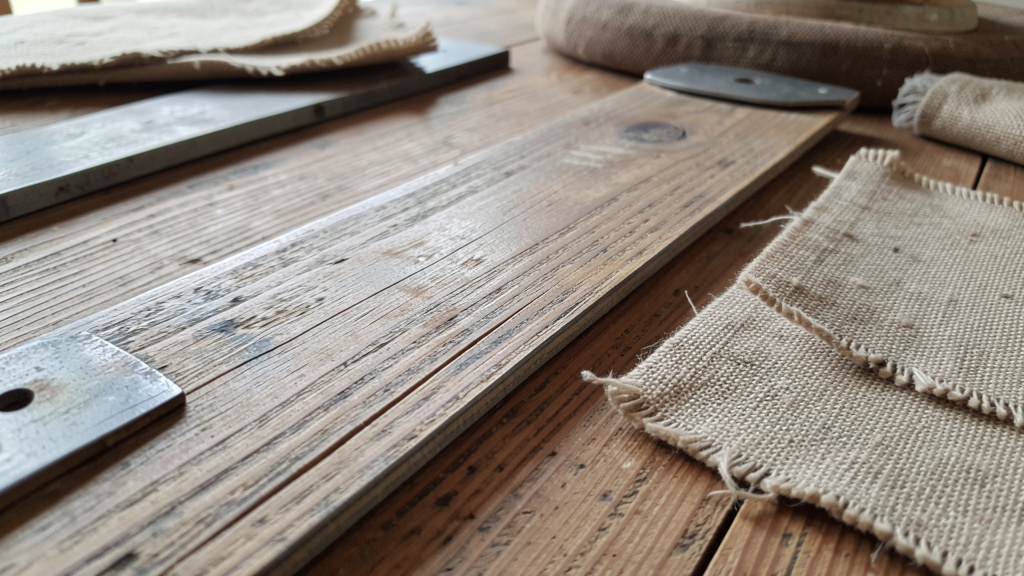
Discover how intentional material relationships create spaces that feel cohesive, comfortable, and authentically yours—without overwhelm or uncertainty.
Have you ever entered a room that felt visually flat despite coordinated colors? Or experienced subtle unease from surfaces that seemed to compete rather than converse? The missing dimension often lies beyond color or layout—it’s material harmony. This guide explores the thoughtful interplay of textures and finishes that engages sight, touch, and emotion. You’ll learn a flexible framework used across design disciplines to create environments that feel balanced, intentional, and deeply resonant—without costly missteps or decision fatigue.
Introduction
Material harmony exists where human perception meets intentional design. It transforms individual surfaces into a cohesive sensory narrative. Environmental psychology research suggests that thoughtfully layered textures can support reduced cognitive load and greater emotional comfort—spaces with varied yet harmonious materials often register as more “complete” to the human brain compared to monotonous environments. Yet many resources treat materials as isolated swatches rather than interconnected elements requiring orchestration.
True material understanding involves three interrelated dimensions: visual weight (how heavy a texture appears), tactile invitation (the subtle urge to engage physically), and temporal resonance (how materials evolve and tell stories over time). A rough-hewn oak beam carries historical context, thermal properties, and associations with craftsmanship. Polished concrete reflects light dynamically, conducts temperature, and develops a gentle patina. When these dimensions align with purpose, spaces achieve what many describe as “sensory congruence”: every surface feels inherently belonging.
This guide moves beyond superficial tips like “mix wood tones” to offer a practical system grounded in perceptual patterns and adaptable application. You’ll learn to anticipate material relationships, account for regional climate considerations, and build palettes that mature gracefully. Whether refreshing a single vignette or planning a whole-home approach, these principles adjust to your context, constraints, and aesthetic voice. The journey begins with a shift in perspective: materials are not mere decoration. They are the quiet storytellers of lived experience.
The Harmony Triad Framework: A Flexible System for Material Relationships
Analysis of thoughtfully composed spaces across residential and hospitality contexts reveals a consistent structural pattern—not in specific materials chosen, but in the underlying logic governing their relationships. This forms the foundation of the Harmony Triad Framework: three interdependent pillars that create resilient, adaptable material palettes. Unlike rigid rules (“never mix metals”), this framework offers flexible guardrails to support confident decision-making across styles, budgets, and room types. Understanding these pillars helps recognize why certain combinations feel intuitively right while others create subtle friction.
Pillar 1: Contrast (The Spark of Interest)
Contrast provides visual engagement and guides attention. Without deliberate variation in texture, sheen, or scale, spaces may feel static. Yet contrast requires thoughtful calibration. Too little creates monotony; too much may cause visual tension. The goal is purposeful contrast that highlights focal points while preserving overall cohesion.
Why this pillar matters: Human vision naturally detects edges and differences. Strategic contrast leverages this tendency to emphasize architectural features, define functional zones, and establish rhythm. In a kitchen, the soft gleam of unlacquered brass hardware against matte-finish cabinetry draws attention to frequently used elements. In a bedroom, the nubby texture of a bouclé headboard against smooth linen walls creates a tactile invitation to rest. Contrast serves visual storytelling—not shock value.
How to apply contrast effectively:
– Scale variation: Pair large-scale textures with fine details. Example: Wide-plank oak flooring (large scale) with a finely woven seagrass rug (small scale). This contrast in scale adds depth without competition.
– Sheen interplay: Balance reflective and absorptive surfaces. Example: Honed marble countertops (soft matte) with a polished nickel faucet (focused shine). The matte surface minimizes glare during tasks, while the shine adds refinement at key touchpoints.
– Temperature dialogue: Combine warm and cool tactile sensations. Example: Cool ceramic tile flooring in a sunroom balanced by a chunky wool throw on a wicker chair. This acknowledges how materials feel physically, not just visually.
– Organic vs. geometric: Blend irregular natural forms with precise lines. Example: A live-edge walnut dining table (organic) beneath a linear suspension light with clean metal lines (geometric). This creates dynamic tension that feels intentional.
Common contrast considerations:
– Texture density: Introducing multiple high-contrast textures in close proximity (e.g., shag rug + heavily textured wallpaper + rough stone accent wall) may create visual busyness. Consider limiting prominent textured elements to one per visual zone. The “squint test” helps: step back and squint. If multiple elements vibrate intensely against each other, reducing contrast in one area may restore balance.
– Light conditions: A deeply textured plaster wall may read softly in north-facing light but appear visually aggressive under intense southern sun. Evaluate material samples under actual room lighting at different times of day.
– Transitional zones: Abrupt material shifts between surfaces (e.g., smooth hardwood to deeply grooved tile at a threshold) can disrupt visual flow. Consider transitional elements like a narrow brushed metal strip or aligned grout lines to guide the eye smoothly.
Technique: The Contrast Gradient
Instead of binary contrasts (matte vs. gloss), create a gradient of variation. In a bathroom:
1. Floor: Textured porcelain tile (provides grip, visual grounding)
2. Walls: Smooth large-format tile (moderate reflectivity)
3. Vanity: Matte-finish solid surface (reduced visual noise)
4. Mirror frame: Brushed brass (focused accent shine)
This layered approach guides the eye downward for safety while preventing any single surface from dominating. The gradient follows natural visual hierarchy—grounding elements carry more texture, elevated surfaces remain calmer.
Pillar 2: Connection (The Thread of Unity)
Connection weaves disparate materials into a cohesive whole. It answers the subtle question: “Why do these elements belong together?” Without connection, contrast may feel random. With it, contrast feels curated. Connection operates through repetition, shared undertones, thematic resonance, and proportional relationships—creating harmony that feels earned.
Why this pillar matters: Cognitive psychology indicates the brain seeks patterns. When materials share subtle links, we experience “processing fluency”—a sense of ease and satisfaction. A room where wood tones, metal finishes, and fabric textures echo a common undertone (e.g., warm amber) feels intuitively harmonious because the brain recognizes the pattern without conscious effort. Connection reduces visual fatigue and supports spaces that feel “collected” rather than “decorated.”
How to establish authentic connections:
– Material echoing: Repeat a material in different forms or scales. Example: Reclaimed wood used for ceiling beams and floating shelves. Shared grain patterns and color variation create immediate kinship.
– Undertone alignment: Identify the hidden color temperature beneath surfaces. Example: A “white” marble countertop with warm gray veins connects to oak flooring with honey undertones. Both share a warm base, avoiding the cool sterility that can occur when warm wood meets cool-white stone.
– Thematic resonance: Build connections through subtle narrative. Example: A coastal-inspired living room connects a driftwood coffee table (organic texture), rope-wrapped pendant light (textural reference), and linen slipcovered sofa (tactile nod to sails). The theme feels felt, not literal.
– Proportional repetition: Adapt the 60-30-10 concept for materials:
– 60% Dominant material (e.g., light oak flooring throughout main living areas)
– 30% Secondary material (e.g., textured plaster walls)
– 10% Accent material (e.g., blackened steel lighting fixtures)
This ratio creates rhythm. The dominant material grounds the space; the secondary adds depth; the accent provides punctuation.
Common connection considerations:
– Uniformity vs. variation: Using identical materials everywhere (e.g., same wood tone on floors, cabinets, and furniture) may create visual flatness. Introducing variation within a material family—light oak floors with medium walnut dining table—adds dimension while preserving connection.
– Forced links: Adding a material solely to “tie things together” when it serves no functional or aesthetic purpose (e.g., inserting brass hardware in a room with zero other warm metals) can feel contrived. Let connections emerge organically from your core palette.
– Vertical relationships: Connection should work across planes. Example: A kitchen backsplash tile that echoes the veining in the island countertop creates vertical harmony. Without this link, the backsplash may feel “applied” rather than integrated.
Technique: The Connection Map
Before finalizing selections, create a simple visual map:
1. List all permanent materials (flooring, countertops, fixed cabinetry)
2. Draw lines connecting materials that share:
– Color family (circle warm tones, underline cool tones)
– Origin story (note natural materials: wood, stone, clay)
– Finish type (star matte surfaces)
3. Identify gaps: Are all warm tones clustered in one area? Is there a material with no connections?
This map reveals imbalances. For instance, if a dark kitchen island appears visually isolated from warm wood floors and cream walls, adding subtle black iron accents in lighting or hardware throughout adjacent areas can create a deliberate bridge, making the island feel intentional.
Pillar 3: Continuity (The Flow of Experience)
Continuity guides movement and perception through material transitions. It ensures that as you move through a space—or shift your gaze within a room—the material journey feels seamless, intuitive, and supportive of human behavior. Continuity addresses the often-overlooked “in-between” moments: thresholds between rooms, transitions from wall to ceiling, relationships between built elements and furnishings.
Why this pillar matters: Architecture is experienced in motion. Poor continuity may create subtle friction—hesitation at doorways, visual confusion in open plans, or disjointed sightlines. Strong continuity supports what environmental psychologists describe as “prospect-refuge balance”: clear pathways (prospect) paired with comforting material anchors (refuge). In a thoughtfully continuity-designed home, movement feels effortless, freeing mental energy for connection and relaxation.
How to cultivate meaningful continuity:
– Threshold transitions: Treat doorways as intentional transitions. Example: In a home with oak flooring throughout, a narrow threshold of complementary material (brushed brass or dark-stained wood) at room entries acknowledges the change of space while maintaining material lineage. For significant shifts (e.g., hardwood to tile), align the transition with architectural features like door frames—not randomly within a walkway.
– Sightline strategy: Consider materials from key viewpoints. Example: When seated on a living room sofa, the eye travels toward the kitchen island. Ensuring the island’s countertop shares a subtle connection to the living room’s coffee table (shared stone type, complementary color temperature) creates visual “handshakes” between zones.
– Vertical rhythm: Extend continuity upward. Example: Baseboards matching door casings; crown molding echoing ceiling beam material. In minimalist spaces with minimal trim, strategic paint sheen creates flow: matte walls with satin-finish ceiling provide a soft upward lift.
– Temporal continuity: Plan for how materials age together. Example: Unlacquered brass hardware develops a warm patina over time. Pairing it with materials that also mature gracefully—reclaimed wood, natural stone—ensures the patina feels like part of the story. Avoid pairing patina-prone metals with “permanently new” surfaces like high-gloss laminates, which may highlight aging as inconsistency.
Common continuity considerations:
– Room isolation: Designing rooms as disconnected material palettes may disrupt whole-home flow. Carrying one “anchor material” through shared spaces (e.g., white oak flooring on the main level, repeated in stair treads and built-in shelving) creates a backbone of continuity.
– Human scale: Materials that work at architectural scale may feel overwhelming at human scale. Example: A massive stone fireplace surround benefits from nearby human-scale textures (a woven basket, a nubby wool rug) to create balance.
– Acoustic flow: Materials affect sound. Hard surfaces (tile, glass) reflect sound; soft surfaces (rugs, fabric) absorb it. In open plans, placing absorptive materials along likely sound paths (e.g., a runner rug in a hallway between hard-surface kitchen and living room) supports acoustic comfort that complements visual continuity.
Technique: The Pathway Walk-Through
Simulate movement through your space before finalizing materials:
1. Stand at the main entrance. What’s the first material your eye lands on?
2. Walk slowly to primary seating areas. Note every surface transition underfoot and in your sightline.
3. Sit in key furniture positions. What materials frame your view?
4. Repeat observations at different times of day.
Document friction points: “At the kitchen doorway, the shift from wood to tile feels abrupt,” or “From the sofa, the glossy TV stand contrasts with the matte media console.” Then address specifically: Add a small rug at the threshold; replace the TV stand with one in a complementary matte finish. This transforms continuity from abstract concept to tangible experience.
The Fundamental Principle: Material harmony is not the absence of contrast, but the presence of intentional relationship. Every surface should converse with its neighbors—through contrast that sparks interest, connection that builds trust, and continuity that guides the journey.
Beyond the Framework: Adaptable Strategies for Real Contexts
The Harmony Triad provides structural clarity, but real-world application requires flexibility. This section translates framework principles into actionable approaches for specific scenarios, constraints, and contexts. Each scenario includes diagnostic considerations, material pairings with rationale, and modification paths for different budgets or skill levels. These serve as adaptable patterns—not rigid prescriptions.
Starting from Scratch: Building a Material Palette for an Empty Room
Facing blank walls and floors offers freedom but also uncertainty. Without existing elements to respond to, defaulting to safe but soulless choices is common. Begin with non-negotiables—not aesthetics.
Step 1: Diagnose the Space’s Context
Answer these questions before reviewing samples:
– Function: What primary activities occur here? (e.g., “Kitchen: meal prep, family gathering, homework”)
– Light: Document light quality hourly for one day. Note direction, intensity, and color temperature shifts (cool morning light vs. warm afternoon glow).
– Architecture: What existing features require acknowledgment? (e.g., “Original crown molding,” “Floor-to-ceiling south windows”)
– Human factors: Who uses this space? (e.g., “Toddler who spills,” “Artist needing true-color rendering”)
Step 2: Establish Your Anchor Material
Select one permanent, high-impact material aligned with your context diagnosis. This becomes your dominant element.
– High-traffic zones (entryways, kitchens): Prioritize durability with warmth. Example: Light oak engineered hardwood (stable in humidity variations, hides minor scratches, warm undertone).
– Moisture-prone areas (bathrooms, basements): Select performance with character. Example: Large-format porcelain tile with subtle concrete texture (waterproof, slip-resistant when textured, modern yet organic).
– Low-light rooms: Choose light-reflective surfaces with depth. Example: Venetian plaster walls (matte but catches light dynamically, adds dimensional texture without visual noise).
Step 3: Build the Triad Around the Anchor
Using your anchor as the foundation:
– Contrast: Select one material with opposing tactile quality. If anchor is smooth wood floors, choose a nubby wool rug.
– Connection: Identify a shared attribute. If wood floors have warm amber undertones, select wall paint with subtle warm gray (not cool gray).
– Continuity: Plan transitions. If wood floors extend to adjacent rooms, choose area rugs with border patterns that echo wood plank lines.
Example Application: North-Facing Living Room
Challenge: Limited natural light, potential for cool, cavernous feel.
Anchor Material: Light oak wide-plank flooring (reflects available light, warm undertone counters cool north light).
Contrast: Deep charcoal textured bouclé sofa (creates focal point, tactile invitation).
Connection: Walls painted in “greige” (warm gray-beige) with subtle clay plaster finish—shares oak’s warmth while adding soft texture.
Continuity: Oak floor continues into dining area; area rug has charcoal border echoing sofa color, creating visual bridge.
Result: Space feels warmer, more intimate, and intentionally layered—not “fixed” but thoughtfully composed.
The Budget-Conscious Mixer: Achieving Depth Without High Cost
Material harmony depends on intelligent relationships—not expensive materials. Strategic allocation creates perceived value far beyond actual cost. Focus investment where materials impact daily experience most: underfoot, at touchpoints, and in focal zones.
The Splurge-Save-Swap Strategy
– Splurge (10-15% of budget): High-touch, high-visibility permanent elements.
– Where: Countertops in primary kitchen work zone; flooring in main living area; shower walls in primary bath.
– Why: These surfaces endure daily interaction. Quality here supports long-term satisfaction.
– Example: Quartzite slab for kitchen island countertop (unique veining creates focal point) paired with durable quartz on perimeter counters (consistent color family, lower cost).
- Save (60-70% of budget): Large-surface, lower-impact elements.
- Where: Wall surfaces, secondary cabinetry, backsplashes.
- Why: Texture and color matter more than material origin here.
-
Example: High-quality peel-and-stick tile with realistic zellige texture for backsplash (authentic look, fraction of cost/install complexity). Textured matte paint with fine aggregate additive for accent wall (creates depth without wallpaper expense).
-
Swap (20-30% of budget): Easily changeable elements for personality.
- Where: Hardware, lighting fixtures, textiles, decor.
- Why: These allow seasonal updates and personal expression without structural changes.
- Example: Replace standard cabinet pulls with unlacquered brass knobs. Swap seasonal textiles: nubby oatmeal throw for cooler months, smooth linen for warmer months.
Accessible Material Pairings That Create Cohesion
| Base Material (Save) | Accent Material (Swap) | Harmony Principle Applied |
|———————-|————————|—————————|
| Luxury vinyl plank flooring (wood-look) | Jute area rug with leather binding | Connection: Warm neutral palette; Contrast: Smooth floor vs. textured rug |
| Painted MDF shaker cabinets | Brushed brass hardware + open wood shelves | Continuity: Wood shelves echo floor tone; Contrast: Matte cabinets vs. warm metal shine |
| Standard ceramic tile (matte white) | Handmade-look cement tiles in shower niche | Connection: Shared white base; Contrast: Uniform field tile vs. artisanal accent |
| Flat paint walls | Grasscloth wallpaper on single accent wall | Continuity: Same wall color undertone; Contrast: Smooth vs. deeply textured |
Accessible Texture Techniques
– Faux Concrete Finish: Mix joint compound with gray paint; apply with trowel in irregular strokes over primed drywall. Seal with matte clear coat. Creates industrial texture at paint cost.
– Wood Grain Enhancement: On painted wood surfaces, use a wood graining tool with darker stain over base coat. Reveals “hidden” grain for artisanal feel.
– Textured Paint Effect: Add fine sand or marble dust to matte paint; apply with roller using varied pressure. Creates subtle tactile variation under light.
Important: Always test techniques on sample boards first. View under room lighting at multiple times of day. Poorly executed texture may appear unintentional.
Small Space Solutions: Using Materials to Support Spatial Perception
In compact rooms, material choices directly influence spatial perception. Strategic selections can enhance feelings of height, depth, and airiness—while poor choices may amplify confinement. The goal: make materials work with the architecture.
Principles for Spatial Support
– Minimize visual interruption: Fewer material changes often support larger perceived space. Avoid busy patterns or high-contrast transitions that “chop up” the room.
– Amplify light reflection: Strategic sheen bounces light deeper into space. Avoid mirror-like surfaces that create visual chaos.
– Create vertical emphasis: Draw the eye upward to emphasize height.
– Define zones without barriers: Use materials to suggest function without physical divisions.
Room-Specific Approaches
Small Bathroom (Under 35 sq ft)
– Floor/Wall Continuity: Use identical large-format tile (e.g., 24″x24″ porcelain) on floor and shower walls. Eliminates visual “break” at curb, supporting unified perception. Choose light neutral with subtle variation (not pure white).
– Reflective Strategy: Frame mirror with thin brushed brass trim. Install sconces on mirror surface to minimize shadow-casting fixtures.
– Texture injection: Add warmth through textiles only: thick cotton bath mat, woven seagrass basket for towels. Keeps hard surfaces seamless while providing tactile comfort.
– Continuity detail: Extend the same tile vertically up the vanity backsplash to ceiling. Creates “waterfall” effect that draws eye upward.
Compact Kitchen (Galley or Apartment)
– Monolithic surfaces: Choose single-slab countertop material (quartz, solid surface) with minimal seams. Extend backsplash tile to ceiling for vertical flow.
– Cabinet approach: Paint upper and lower cabinets the same color. Avoid contrasting islands in narrow spaces. Use integrated handles (finger pulls) for seamless fronts.
– Flooring flow: Run flooring planks parallel to the longest wall. In galley kitchens, this creates a “pathway” illusion. Choose light wood tone with subtle grain.
– Strategic contrast: Introduce texture only at human scale: woven barstools, matte black faucet against light countertop. Prevents visual flatness without overwhelming.
Studio Apartment Living Zone
– Zoning with rugs: Define seating area with a large rug (minimum 8’x10′) that fits under front legs of sofa and chairs. Choose rug with low pile and subtle pattern.
– Wall treatment: Paint all walls and ceiling the same light, warm neutral. Eliminates “box” effect. Add texture only on one accent wall behind bed using removable grasscloth wallpaper.
– Furniture clarity: Choose pieces with visible legs (wood or metal) to maintain sightlines. Avoid bulky upholstered pieces that visually “land” heavily.
– Continuity thread: Carry one material through zones: oak flooring throughout; repeat oak in coffee table, dining chair legs, and bed frame. Creates cohesive thread.
Critical Consideration for Small Spaces
Multiple small-scale patterns (subway tile + geometric rug + striped pillows) may create “visual static” that shrinks perception. Instead:
– Choose one patterned element max (e.g., subtle herringbone floor)
– Keep all other surfaces solid with texture variation (matte walls, nubby sofa)
– Maintain color family consistency (all warm neutrals or all cool tones)
This approach provides interest without fragmentation.
Climate and Context: Adapting Material Choices to Your Environment
Materials interact dynamically with local climate, humidity, sunlight, and cultural context. A choice that thrives in Arizona may require adjustment in Florida. Honoring environmental factors supports longevity, safety, and authentic connection to place.
Humidity and Moisture Considerations
High-Humidity Regions (Coastal, Tropical, Bathroom Interiors)
– Materials to evaluate carefully: Solid wood (may swell/warp), unsealed natural stone (staining risk), MDF (delamination risk), certain metals (corrosion risk).
– Consider:
– Flooring: Porcelain tile (waterproof, mimics wood/stone), luxury vinyl plank with rigid core (stable, waterproof), teak (naturally water-resistant wood).
– Walls: Cement board with tile, moisture-resistant drywall with mildew-resistant paint, Venetian plaster (breathable, mold-resistant when sealed properly).
– Cabinetry: Marine-grade plywood, solid phenolic core panels, thermofoil (plastic-laminate over stable core).
– Harmony note: Pair moisture-resistant materials with textural warmth. Example: Porcelain tile with realistic wood grain pattern + teak bath mat + woven bamboo shower caddy. Maintains organic feel without vulnerability.
Dry Climates (Desert, High Altitude)
– Considerations: Materials may become brittle; static electricity builds on synthetic surfaces.
– Approaches:
– Prioritize materials with natural moisture retention: solid wood (properly acclimated), cork flooring, wool rugs.
– Avoid overly dry materials: some laminates, low-quality MDF.
– Introduce humidity-absorbing elements: clay pottery, unglazed ceramic tiles.
– Harmony note: Embrace the climate’s character. In Southwestern-style homes, adobe plaster walls (breathable, regulates humidity) with exposed wood beams reflect regional heritage. The material story is the place.
Sunlight and UV Exposure
South/West-Facing Rooms (High Sun Exposure)
– Fading considerations: Fabrics, wood finishes, artwork.
– Protective approaches:
– Window treatments: UV-filtering roller shades (nearly invisible when raised) + layered textiles (sheer under blackout).
– Material selection: Solution-dyed acrylic fabrics (color embedded in fiber) for upholstery. Choose finishes with UV inhibitors: marine-grade varnishes for wood, anodized metals.
– Placement: Position fade-vulnerable items (art, vibrant textiles) on north walls or away from direct sun paths.
– Harmony opportunity: Celebrate the light! Use materials that interact beautifully with sun: honed (not polished) stone countertops that glow without glare; sheer linen curtains that cast soft patterned shadows.
Low-Light Regions (Pacific Northwest, North-Facing Homes)
– Challenge: Spaces may feel cave-like; cool light dominates.
– Warming approaches:
– Reflective surfaces: Light wood floors (white oak, maple), matte-finish white walls with warm undertones (not cool blue-whites), subtle metallic accents (brushed brass, unlacquered bronze).
– Texture for depth: Avoid flat, glossy surfaces that disappear in low light. Choose tactile materials: plaster walls, nubby wool rugs, woven textiles. Texture catches available light, creating dimension.
– Artificial light integration: Select materials that complement your lighting plan. Warm-white LEDs (2700K-3000K) enhance wood tones; ensure wall colors have enough pigment to reflect light (avoid “dead” flat paints).
Regional Material Resonance
Harmony deepens when materials reflect local context:
– Pacific Northwest: Reclaimed Douglas fir beams, river rock accents, wool textiles. Connection to forest and water.
– Southwest: Adobe plaster, Saltillo tile, forged iron details. Honors earth and craftsmanship.
– Northeast: Wide-plank pine floors, soapstone countertops, wool rugs. Echoes regional heritage.
– Coastal: Bleached oak, rope details, sea grass textures. Evokes weathered maritime aesthetic.
Key insight: You need not use literal regional materials. Instead, capture their essence. In a Midwest home, warm-toned oak and textured plaster can evoke prairie horizons—not forced adobe walls. Authenticity resonates; pastiche may feel hollow.
Bridging Eras: Mixing Vintage and Modern Materials with Intention
Compelling spaces often weave threads of history with contemporary clarity. Haphazard vintage-modern mixing risks feeling unresolved. Success hinges on establishing clear hierarchy and intentional dialogue between old and new.
The 70/30 Approach for Era Blending
Designate one era as dominant (approximately 70% of material presence), the other as accent (approximately 30%). This prevents visual competition.
– Modern-Dominant Scheme (70% Contemporary, 30% Vintage):
– Base: Clean-lined cabinetry, large-format tile, minimalist hardware.
– Vintage accents: Single antique mirror with ornate frame; vintage rug with geometric pattern; reclaimed wood shelf bracket.
– Connection strategy: Match undertones. If modern cabinets are warm white, choose vintage wood pieces with similar warm patina.
– Vintage-Dominant Scheme (70% Traditional, 30% Modern):
– Base: Original hardwood floors, crown molding, traditional millwork.
– Modern accents: Sleek linear fireplace surround; minimalist black metal lighting; solid-color upholstered sofa.
– Connection strategy: Echo forms. A modern spherical pendant light can reference the curves of traditional crown molding.
Material Pairing Examples
| Vintage Element | Modern Counterpart | Harmony Principle | Why It Works |
|—————–|——————–|——————-|————-|
| Reclaimed barn wood beam | Polished concrete floor | Contrast + Connection | Organic roughness vs. industrial smoothness; both share earthy, neutral palette |
| Ornate gilded mirror | Matte black floating shelf | Contrast | Ornate detail vs. minimalist form; black shelf grounds the gold without matching it |
| Persian rug (rich colors) | Solid-color performance fabric sofa | Connection | Rug’s dominant color becomes sofa color; modern fabric provides visual rest |
| Antique brass hardware | Brushed nickel faucet | Continuity | Both warm metals; unlacquered brass will patina to complement nickel over time |
Addressing Common Era-Mixing Scenarios
– Scenario: “My antique dining table feels isolated in my modern kitchen.”
Approach: Create a material bridge. Add open shelving with reclaimed wood brackets (echoing table wood) to display modern ceramic dishes. Place a runner on the table in fabric that matches kitchen barstool upholstery. The table becomes part of the narrative.
– Scenario: “Vintage floral wallpaper clashes with my contemporary art.”
Approach: Isolate the vintage element. Use wallpaper only on a single accent wall behind a modern console table. Choose art frames that pick up a subtle color from the wallpaper. Add a textured neutral rug to ground the space.
– Scenario: “Old hardwood floors look dated next to new white cabinets.”
Approach: Refinish floors with a warm-toned stain (not cool gray) to align with cabinet undertones. Add a large natural fiber rug (sisal, jute) under the table to soften transition. Install unlacquered brass cabinet hardware that will warm over time, bridging floor and cabinet tones.
The Patina Perspective
Consider aging as part of the story. Unlacquered brass hardware develops unique patina; reclaimed wood shows saw marks and nail holes; natural stone acquires subtle character. When mixing eras, choose modern materials that also mature gracefully:
– Solid wood (not veneers)
– Natural stone (not quartz that appears “unchanging”)
– Leather (develops rich patina)
– Wrought iron (rust can be part of aesthetic)
This creates temporal continuity—the space evolves cohesively over years. Avoid pairing patina-prone materials with “permanently perfect” synthetics (high-gloss laminates, cheap vinyl), which may highlight aging as inconsistency rather than character.
The Sustainable Mixer: Choosing Eco-Conscious Materials That Harmonize
Sustainability involves a holistic approach to sourcing, longevity, and end-of-life impact. Truly harmonious spaces consider the full lifecycle: origin, production, durability, and eventual disposition. Fortunately, eco-conscious choices increasingly offer rich texture and beauty—without aesthetic compromise.
Evaluating Sustainability Claims
Focus on verifiable criteria to avoid greenwashing:
– Recycled content: Post-consumer recycled materials (e.g., glass countertops with significant recycled content) reduce landfill burden.
– Rapidly renewable: Materials harvested sustainably within 10 years (bamboo, cork, wool, linoleum).
– Low-VOC/Non-toxic: Critical for indoor air quality. Look for GREENGUARD Gold certification.
– Locally sourced: Reduces transportation emissions. Reclaimed wood from regional deconstruction projects carries meaningful story value.
– Durability: The most sustainable material is one that lasts decades without replacement. Prioritize quality over “eco-label” alone.
– End-of-life plan: Can it be recycled, composted, or repurposed? Linoleum (natural ingredients) biodegrades; vinyl does not.
Harmonious Sustainable Material Pairings
| Application | Sustainable Choice | Texture/Finish Profile | Harmony Integration Tip |
|————-|——————-|————————|————————-|
| Flooring | Cork (floating planks) | Warm, slightly springy underfoot; subtle grain | Pair with light oak accents; cork’s warmth connects to wood tones |
| Countertops | Paper composite (e.g., Richlite®) | Smooth matte; develops patina like wood | Use with unlacquered brass hardware; patina evolution creates connection |
| Wall Treatment | Clay plaster | Soft matte; subtle hand-troweled variation | Echoes earthy tones in cork flooring; adds organic texture without pattern |
| Cabinetry | FSC-certified plywood with milk paint | Visible wood grain; matte velvety finish | Milk paint’s slight variation adds handmade feel; connects to clay plaster texture |
| Textiles | GOTS-certified organic cotton/linen | Crisp yet soft; relaxed drape | Layer textures: smooth linen sofa + nubby wool throw + smooth ceramic side table |
| Accents | Reclaimed wood shelves | Visible saw marks, nail holes, patina | Place against clay plaster wall; shared organic story creates deep connection |
Budget-Conscious Sustainability
– Thrifted/Vintage: Secondhand furniture is inherently recycled. Sand and refinish with low-VOC products. A vintage dresser becomes a bathroom vanity; an old door becomes a headboard.
– Salvage yards: Source architectural elements (doors, windows, hardware) for character and reduced waste. Clean brass hardware can be reinstalled unlacquered to develop new patina.
– DIY natural finishes: Make wood conditioner with beeswax and citrus solvent; use milk paint kits for furniture updates.
– Prioritize impact: Focus sustainability efforts where materials have highest exposure: flooring (off-gassing), textiles (skin contact), countertops (food contact). Less critical in hidden areas (cabinet interiors).
The Longevity Lens: Designing for Decades
True sustainability embraces timelessness. Ask: “Will this material palette feel dated in 10 years?” Strategies:
– Choose materials with inherent character (natural stone veining, wood grain) over trendy patterns.
– Favor neutral base palettes with texture variation; add color through easily changed textiles.
– Select finishes that age gracefully (unlacquered brass, solid wood) rather than “perfect” surfaces that show every mark.
– Design for adaptability: floating shelves instead of built-ins; area rugs over hard flooring.
A harmonious sustainable space isn’t just “green”—it’s resilient, emotionally resonant, and designed to be loved longer. This reduces consumption far more effectively than any single eco-material.
Room-by-Room Application: Tailoring the Framework to Key Spaces
While the Harmony Triad applies universally, each room benefits from nuanced interpretation based on function, traffic, and sensory priorities. This section provides targeted guidance for high-impact zones, translating framework pillars into room-specific material strategies. Focus on the “why” behind choices—not just the “what.”
Living Room: The Social Heart
Primary goals: Comfort, conversation flow, visual warmth, durability.
– Anchor material: Wide-plank oak flooring (warm undertone, hides minor scratches better than narrow planks). Why: Grounds the space; connects to furniture wood tones.
– Contrast strategy: Deep-pile wool rug (tactile invitation) under seating area; smooth ceramic coffee table. Why: Rug defines zone and absorbs sound; smooth table provides visual rest.
– Connection strategy: Repeat oak tone in media console and side tables; choose sofa fabric with subtle texture (performance velvet or bouclé) in color pulled from rug. Why: Creates material family; prevents furniture from feeling “placed” rather than “belonging.”
– Continuity focus: Ensure sightlines to adjacent rooms share anchor material (oak flooring continues). If fireplace is focal point, use stone that echoes rug’s neutral palette.
– Practical tip: Place material samples in the room for 48 hours. Sit where the rug will go. Does the texture feel inviting? View coffee table surface from sofa height—does the sheen cause glare? Test at multiple times of day.
Kitchen: The Functional Hub
Primary goals: Cleanability, durability, workflow support, warmth amid hard surfaces.
– Anchor material: Quartz countertops in warm neutral (e.g., “Taj Mahal” quartzite-look). Why: High-use surface; sets tone for cabinetry and backsplash.
– Contrast strategy: Matte-finish painted cabinets (hides fingerprints) + glossy ceramic tile backsplash (easy clean, light reflection). Why: Functional contrast—matte for large surfaces, gloss for splash zones.
– Connection strategy: Cabinet hardware in unlacquered brass (will patina to match warm countertop veins); open shelving in matching oak as flooring. Why: Hardware becomes living element; wood shelves bridge floor and upper cabinets.
– Continuity focus: Extend backsplash tile to ceiling for vertical flow; align grout lines with cabinet seams. Threshold between kitchen and dining: use same flooring material with subtle brass inlay strip.
– Critical consideration: Test samples with real-world use. Spill coffee on countertop sample—does it stain? Wipe backsplash sample with vinegar—does grout discolor? Material harmony requires surfaces that withstand actual life.
Bathroom: The Sensory Sanctuary
Primary goals: Moisture resistance, tactile comfort underfoot, calming ambiance, safety.
– Anchor material: Large-format porcelain tile (24″x48″) in warm gray with subtle concrete texture. Why: Waterproof, slip-resistant when textured, modern yet organic.
– Contrast strategy: Smooth matte-finish wall tile (calming backdrop) + deeply textured teak bath mat (warm underfoot). Why: Visual calm on walls; tactile warmth where body contacts surfaces.
– Connection strategy: Vanity countertop in matching warm gray quartz; mirror frame in unlacquered brass that will patina like hardware. Why: Unified color story; evolving metal finish adds depth over time.
– Continuity focus: Tile flows seamlessly from floor into shower curb and walls. No visual breaks. Threshold to bedroom: use same tile with integrated drain channel for wet areas.
– Sensory enhancement: Add texture only through textiles: thick cotton towels, woven seagrass basket. Avoid visual clutter on hard surfaces. Consider heated floor mat under tile for thermal comfort—material harmony includes how surfaces feel, not just how they look.
Bedroom: The Restorative Retreat
Primary goals: Calm, comfort, acoustic softness, personal sanctuary.
– Anchor material: Light oak hardwood flooring (warm, durable, refinishable). Why: Grounds space; connects to furniture.
– Contrast strategy: Plush wool area rug beside bed (soft landing); smooth linen-upholstered headboard. Why: Tactile contrast supports ritual (bare feet on rug); smooth headboard prevents visual busyness.
– Connection strategy: Bed frame in matching oak tone; nightstands with woven rattan fronts (echoes rug texture). Why: Material repetition creates cohesion; rattan adds organic texture without pattern.
– Continuity focus: Extend flooring under bed; avoid area rug that stops short. Paint walls and ceiling same warm white for enveloping calm.
– Practical tip: Prioritize acoustic continuity. Layer textiles: rug, heavy curtains, upholstered headboard. These absorb sound, creating auditory harmony that supports visual calm. Evaluate materials for low off-gassing—choose low-VOC finishes for better sleep quality.
Entryway: The First Impression
Primary goals: Durability, clear zoning, welcoming texture, functional storage.
– Anchor material: Porcelain tile with realistic slate texture (waterproof, hides dirt). Why: Withstands weather, boots, spills.
– Contrast strategy: Smooth bench seat (easy wipe) + textured woven storage baskets underneath. Why: Functional contrast; baskets add warmth and hide clutter.
– Connection strategy: Bench frame in matching wood tone as interior flooring; wall hook in unlacquered brass. Why: Creates visual bridge from exterior to interior; brass patina tells story of use.
– Continuity focus: Tile extends 3-4 feet into main living area, then transitions to wood flooring with matching wood threshold. Prevents “mudroom” feel.
– Critical detail: Include a small textured mat inside the door for wiping feet before stepping on main flooring. Material harmony includes practical flow—not just aesthetics.
When Things Feel Off: Diagnosing and Adjusting Material Relationships
Even with careful planning, material relationships may feel unbalanced after installation. The key is systematic observation—not panic. Most issues stem from imbalance in one Triad pillar. This guide offers precise adjustments, not vague “start over” advice.
Scenario 1: “The Room Feels Chaotic and Overwhelming”
Diagnosis: Excessive contrast without sufficient connection. Multiple high-visual-weight textures competing (e.g., busy patterned rug + textured wallpaper + rough stone accent wall).
Adjustment path:
1. Identify the dominant contrast element: Which surface draws attention most strongly? Usually the most textured or darkest element.
2. Reduce its visual weight: If rug is culprit, layer a solid-color rug pad underneath to mute pattern; or replace with solid-texture rug (sisal, flatweave).
3. Strengthen connections: Introduce a unifying element. Example: Add throw pillows in solid color pulled from the rug’s dominant hue. Place a tray on coffee table that combines two conflicting materials (wood base with brass handles).
4. Create breathing room: Remove one textured accessory. Often, less is more.
Prevention tip: Apply the “Three-Texture Guideline” for small zones: limit high-contrast textures to three per visual area (e.g., sofa fabric, rug, coffee table surface). Additional textures should be subtle variations.
Scenario 2: “Everything Matches Perfectly But Feels Boring and Sterile”
Diagnosis: Overemphasis on connection without intentional contrast. Monochromatic palette with identical finishes (all matte, all same wood tone).
Adjustment path:
1. Introduce strategic contrast at human scale: Add one textural element within arm’s reach. Example: Chunky knit throw on smooth sofa; ceramic vase with crackle glaze on matte console.
2. Vary sheen intentionally: Swap one hardware finish. Example: Replace matching cabinet pulls with unlacquered brass on upper cabinets only. Creates subtle focal point.
3. Add organic irregularity: Place a live-edge wood slice as a coaster tray; display irregularly shaped stones in a bowl. Nature’s imperfection breaks sterile uniformity.
4. Layer lighting: Install dimmable warm-white bulbs. Light interacting with surfaces creates dynamic contrast that static materials lack.
Prevention tip: When selecting materials, deliberately choose one element with “controlled imperfection”—hand-thrown pottery, slubbed linen, wood with visible knots. This injects soul without chaos.
Scenario 3: “Materials Feel Disconnected—Like They Don’t Belong Together”
Diagnosis: Weak continuity between elements or zones. No visual “handshake” between adjacent rooms or within a space.
Adjustment path:
1. Find the missing link: What material appears in only one spot? Example: Black metal light fixture with no other black elements.
2. Create a bridge: Add small accents of that material elsewhere. Example: Black metal bookends on shelf; black frame on artwork. Repeat 2-3 times max.
3. Adjust thresholds: If flooring changes abruptly between rooms, add a narrow runner rug that incorporates colors from both zones.
4. Use color as connector: If materials can’t be physically linked, use paint to unify. Example: Walls in adjacent rooms painted same warm white, even if flooring differs.
Prevention tip: Before finalizing any material, ask: “Where else will this appear?” Plan at least two additional placements for key materials (hardware finishes, wood tones).
Scenario 4: “The Space Looks Great in Daylight But Feels Cold/Unwelcoming at Night”
Diagnosis: Materials interact poorly with artificial lighting. Cool-toned surfaces amplified by cool-white bulbs; lack of warm reflective elements.
Adjustment path:
1. Audit light sources: Replace all bulbs with warm-white (2700K-3000K). This is often the highest-impact adjustment.
2. Add warm reflectors: Introduce materials that bounce warm light: unlacquered brass tray, ceramic lamp with warm glaze, wood picture frames.
3. Layer textiles: Add a warm-toned throw blanket; swap cool-gray pillows for oatmeal or terracotta.
4. Test at night: Sit in the space after dark. Note which surfaces disappear (too dark) or glare (too reflective). Adjust with targeted lighting (warm LED strip under shelves) or matte finishes.
Prevention tip: Always evaluate material samples under both natural daylight and your planned artificial lighting. Hold samples next to light bulbs before purchasing.
Scenario 5: “Materials Are Wearing Poorly in High-Traffic Areas”
Diagnosis: Aesthetic choice overriding functional reality. Beautiful but impractical materials in demanding zones.
Adjustment path:
1. Assess wear patterns: Where are scratches, stains, or fading occurring?
2. Targeted replacement: Only replace the failing element. Example: Swap high-gloss kitchen cabinet fronts (shows every fingerprint) for matte thermofoil fronts in same color.
3. Protective layers: Add clear rug pad under area rugs to prevent floor scratches; use coasters with felt bottoms.
4. Reframe patina: For materials that age gracefully (unlacquered brass, solid wood), consider wear as “character.” Clean gently; avoid harsh polishes that strip evolving finish.
Prevention tip: Create a “wear map” before selecting materials:
– High wear zones (entry, kitchen work triangle): Prioritize durability (porcelain tile, quartz, performance fabric)
– Medium wear zones (living room seating): Balance comfort and cleanability (tight-weave upholstery, area rugs with low pile)
– Low wear zones (bedroom, upper cabinets): Prioritize aesthetics and texture (delicate fabrics, open shelving)
Match material properties to actual use—not idealized scenarios.
Navigating Common Concerns: Practical Guidance for Confident Choices
Material mixing involves understandable considerations. What if choices feel “wrong” later? What if circumstances change? This section addresses frequent concerns with evidence-based reassurance and adaptable strategies. Harmony isn’t about eliminating uncertainty; it’s about building confidence to navigate it.
“I’m Concerned About Choosing Materials That May Feel Dated”
This concern often stems from observing poorly executed trends. Timeless harmony relies on principles, not passing fads. Strategic layering provides flexibility:
The Foundation-Accent Approach
– Foundation layer (Permanent, ~80% of budget): Choose materials with inherent timelessness—natural elements with variation (wood grain, stone veining), neutral palettes with warmth, finishes that mature gracefully. Examples: White oak flooring, honed stone countertops, unlacquered brass hardware. These materials have endured across eras because they resonate with human perception.
– Accent layer (Changeable, ~20% of budget): Confine trend-influenced elements to easily updated items: paint colors, textiles, decor, cabinet hardware. Example: Appreciate current terracotta trend? Use it in throw pillows and art—not tile or countertops. When preferences shift, swap pillows affordably, not remodel extensively.
Evidence of Enduring Choices
Study preserved historic homes. What materials persist? Wide-plank wood floors, plaster walls, solid wood millwork, natural stone. These endure not due to nostalgia, but because they satisfy deep human preferences for texture, warmth, and authenticity. Conversely, materials that feel “dated” often share traits:
– Extreme uniformity (high-gloss laminates with no variation)
– Extreme color saturation (neon accents, jet-black everything)
– Poor craftsmanship (cheap veneers that peel, thin metals that dent)
By prioritizing natural variation, moderate contrast, and quality construction, your foundation layer avoids these pitfalls.
Practical Preparation
Before purchasing permanent materials:
1. Ask: “Will this look intentional in 15 years?”
2. Test: Live with samples for two weeks. Place them where installed. Does initial appeal sustain?
3. Document: Photograph samples in the space at different times of day. Review images later—digital distance reveals true compatibility.
This process transforms uncertainty into informed confidence.
“What If My Preferences Change Later?”
Change is natural—and material harmony can include planning for evolution. The goal isn’t rigidity; it’s adaptable cohesion. Three strategies create flexibility:
Neutral Undertone Anchoring
Select foundation materials with versatile undertones. Example:
– Instead of: Cool gray oak flooring (limits future wall colors to cool palette)
– Choose: Warm greige oak flooring (works with both warm and cool accent colors later)
Warm neutrals (beiges, taupes, warm whites) offer broader compatibility than cool neutrals. They accept future color shifts without clashing. Test paint swatches against your flooring sample—does a warm terracotta and a cool sage both look harmonious? If yes, you’ve chosen a flexible anchor.
Modular Material Systems
Opt for materials designed for partial replacement:
– Tile: Choose field tile in neutral tone; use accent tiles in shower niche or backsplash for personality. Change accents later without full remodel.
– Flooring: Luxury vinyl plank (LVP) allows replacing individual planks if damaged or desired.
– Wall systems: Install picture rails or shadow boxes. Change art and textiles within the system without repainting walls.
These systems acknowledge that homes evolve—they’re designed for iteration.
The “Bridge Material” Technique
Introduce one material that intentionally connects current and potential future palettes. Example:
– Current palette: Warm woods, brass accents
– Potential future shift: Cooler, Scandinavian-inspired
– Bridge material: Light oak flooring with subtle gray undertones (works with current warm palette and future cool palette)
– Execution: Select flooring sample that looks harmonious with both your current rug and a cool-gray sample you might choose later. This single choice supports future flexibility.
Document your bridge material rationale. When change comes, you’ll have a logical starting point.
Skill Level Considerations: Adapting to Your Comfort Zone
Material harmony is achievable at any skill level. The key is matching material complexity to your capabilities—and knowing when professional support is beneficial. This isn’t about limitation; it’s about strategic empowerment.
Beginner-Friendly Path (Confident DIYer)
Focus: Surface-level updates with high visual impact, low technical risk.
– Materials to consider:
– Peel-and-stick tile (backsplashes, accent walls)
– Pre-finished engineered hardwood (floating installation)
– Matte paint with built-in primer (hides imperfections)
– Pre-upholstered furniture (no sewing required)
– Harmony strategy:
1. Start with one small zone (powder room, entry nook).
2. Use the Triad Framework simply: Choose one anchor material (e.g., light wood-look LVP), one contrasting texture (jute rug), one connecting element (matching wood shelf).
3. Leverage samples: Order physical samples; live with them for a week.
– Critical success factor: Preparation. Sand walls thoroughly before painting; ensure subfloor is level before installing LVP. Flawless prep compensates for novice technique.
– When to seek professional support: Anything involving plumbing, electrical, or structural changes. Safety first.
Intermediate Path (Experienced DIYer/Homeowner)
Focus: Semi-permanent updates requiring moderate skill.
– Materials to consider:
– Solid hardwood flooring (nail-down installation)
– Real tile with proper substrate preparation
– Custom paint colors with sample testing
– Refinishing existing wood furniture
– Harmony strategy:
1. Tackle one room at a time, carrying anchor material through.
2. Introduce subtle patina elements: unlacquered brass hardware, natural oil finishes on wood.
3. Document process: Photograph each step. This builds confidence for future projects.
– Critical success factor: Tool investment. Rent professional-grade tools (floor nailer, tile saw) for critical tasks. Quality tools yield better results.
– When to seek professional support: Complex transitions (flooring between rooms), moisture-prone areas (showers), or when time constraints risk poor execution.
Advanced Path (Design Professional/Confident Renovator)
Focus: Custom, integrated material solutions.
– Materials to consider:
– Site-finished hardwood with custom stains
– Plaster wall applications (Venetian, clay)
– Mixed-material countertops (terrazzo, concrete)
– Custom metalwork and millwork
– Harmony strategy:
1. Develop full-home material plan before starting. Map anchor materials room-by-room.
2. Specify material interactions: How will plaster walls meet wood beams? How will tile transition to hardwood?
3. Collaborate with artisans: Work with local metalworkers, woodworkers to create custom elements with shared DNA.
– Critical success factor: Sample validation. Create full-scale mock-ups of critical junctions (e.g., tile-to-wood transition) before committing.
– When to seek professional support: Structural modifications, historical preservation requirements, or specialized finishes requiring master craftspeople.
Universal Insight Across Skill Levels
Harmony depends far more on intentional relationships between materials than on individual material cost or complexity. A thoughtfully paired thrifted vase and handmade ceramic bowl can create more harmony than two mass-produced items chosen without connection. Focus energy on the why behind choices—not just the what. This mindset shift is the true hallmark of material understanding.
The Role of Lighting in Material Perception
Lighting is the invisible conductor of material harmony. The same surface can appear warm and inviting under one light source, cool and distant under another. Ignoring this relationship may lead to disappointment. True harmony requires designing materials and lighting as an integrated system.
How Light Transforms Materials
– Color temperature (Measured in Kelvin):
– 2700K-3000K (Warm White): Enhances warm undertones in wood, stone, and textiles. Creates cozy, intimate ambiance. Ideal for living rooms, bedrooms.
– 3500K-4000K (Neutral White): Reveals true material colors without warm/cool bias. Best for task areas (kitchens, bathrooms, offices).
– 5000K+ (Cool White): Amplifies cool tones; may make warm materials appear muddy. Generally avoid in residential living spaces.
– CRI (Color Rendering Index): Measures how accurately a light source reveals true colors. Aim for CRI 90+ (especially in kitchens, vanities). Low CRI (<80) distorts material colors—making wood look orange, whites look yellow.
– Direction and quality:
– Grazing light: Light skimming across textured surfaces (plaster walls, stone) dramatically enhances depth.
– Diffused light: Soft, even illumination minimizes texture—ideal for smooth surfaces where glare is concern.
– Focused accent light: Highlights material details (wood grain on a table, veining in stone).
Practical Integration Strategies
1. Test materials under actual lighting:
– Tape paint samples to walls. View at 8 AM, 12 PM, 5 PM, and under evening lights.
– Place tile samples on floor where installed. Observe how light hits at different times.
– Hold fabric swatches against wall samples under room lighting.
2. Layer lighting to support materials:
– Ambient layer: Warm-white (2700K) recessed or cove lighting to wash walls evenly.
– Task layer: Neutral-white (3500K) under-cabinet lighting in kitchens; adjustable sconces at vanities.
– Accent layer: Track lights or picture lights to highlight textured art or architectural details.
3. Match fixtures to material story:
– Unlacquered brass fixtures with warm wood tones and natural stone.
– Matte black fixtures with concrete, steel, and cool-toned palettes.
– Avoid mixing fixture finishes randomly—carry one dominant metal finish through a space, with intentional exceptions.
Critical Consideration
Selecting materials in showroom lighting, then installing under harsh cool-white LEDs, often causes dissatisfaction. Always test in situ. When uncertain, choose warmer light temperatures (2700K-3000K) and high CRI bulbs—they flatter nearly all materials and create universally welcoming ambiance. Material harmony isn’t complete until light breathes life into every surface.
Your Questions, Answered
Q: How many different materials should I use in one room?
A: Harmony depends on relationship quality, not quantity. However, a practical guideline emerges from spatial observation: limit high-visual-impact materials (those with strong texture, color, or pattern) to 3-5 per primary zone. For example, in a living room seating area: flooring (1), area rug (2), sofa fabric (3), coffee table surface (4). Additional materials should be subtle variations (e.g., side table in same wood family) or low-impact elements (textiles, decor). The Harmony Triad Framework provides better guidance than counting: ensure every material serves clear Contrast, Connection, or Continuity purpose. If adding another material doesn’t strengthen one pillar, it may create visual noise. When in doubt, apply the “squint test”—step back and squint. Do materials blend into a cohesive whole, or do multiple elements compete for attention? Trust that visual instinct.
Q: Can I mix different wood tones in the same space?
A: Yes—and when done intentionally, mixed wood tones create depth and authenticity that single-tone schemes may lack. The key is establishing clear hierarchy and connection. First, identify your dominant wood tone (usually flooring or largest furniture piece). Then introduce secondary tones that share a fundamental attribute:
– Undertone alignment: All warm tones (honey oak, walnut) or all cool tones (ash, bleached maple). Avoid mixing warm and cool woods without a bridging element.
– Value contrast: Pair distinctly light and dark tones (e.g., light oak floors with dark walnut table). Avoid mid-tone woods that may compete visually.
– Connection bridge: Use a unifying element like a rug with colors pulled from both wood tones, or repeat a metal finish (unlacquered brass) on hardware for both pieces.
Critical tip: Place wood samples side-by-side in the actual room lighting before purchasing. Digital images often misrepresent undertones. Many “gray” woods have hidden warm or cool casts that only reveal under specific light. When samples harmonize visually in your space, confidence follows.
Q: What’s the best way to test material samples before committing?
A: Testing is essential for harmony—and requires methodical observation beyond holding a swatch near a window. Implement this 72-hour protocol:
1. Obtain generous samples: Request 12″x12″ minimum for hard surfaces; full fabric swatches (not tiny cards). For flooring, get multiple planks to see variation.
2. Install temporarily: Tape samples to actual surfaces—paint chips on walls at eye level and near floor; tile samples on subfloor; fabric swatches pinned to existing furniture.
3. Observe chronologically: View samples at dawn (cool light), noon (bright direct light), dusk (warm angled light), and under evening artificial lighting. Note how colors shift.
4. Assess relationships: Place samples of all materials together. Does the countertop sample harmonize with the cabinet door sample? Does the rug sample connect to the flooring?
5. Live with them: Walk past samples during daily routines. Does the tile sample feel cold underfoot in the morning? Does the fabric sample feel inviting when you sit nearby?
6. Photograph digitally: Take photos at each lighting phase. Review images later—digital distance reveals truths your eyes may miss in the moment.
7. Sleep on it: Wait 24 hours after final observation before deciding. Initial reactions settle; intuitive clarity often emerges.
This process transforms uncertainty into evidence-based confidence. The time invested prevents long-term dissatisfaction.
Q: How do I mix shiny and matte finishes without clashing?
A: Shine and matte are complementary forces when balanced intentionally—not adversaries to avoid. Conflict often arises from disproportionate application or poor placement. Apply these principles:
– The 80/20 guideline: Reserve shine for approximately 20% of visible surfaces. Use matte finishes for large areas (walls, cabinetry, flooring) to create calm backdrop. Introduce shine strategically in small elements (hardware, light fixtures, decorative objects) to catch light and create focal points.
– Functional zoning: Place shine where it serves purpose: polished nickel faucet in kitchen (easy wipe), glossy ceramic tile in shower niche (water reflection). Use matte where glare would interfere: matte cabinet fronts (no reflection on screens), honed stone countertops (no hot spots under task lighting).
– Gradual transition: Avoid abrupt shine shifts. Example: In a kitchen, use matte lacquer cabinets → satin-finish countertops → polished faucet. This creates a gentle sheen gradient rather than jarring contrast.
– Material honesty: Let materials express their nature. Brushed brass has subtle directional shine; unlacquered brass develops soft patina. Avoid high-gloss finishes on materials that “prefer” matte (e.g., forcing glossy sealant on natural stone).
When shine feels intentional and purposeful—not random—it elevates the entire palette.
Q: Are there materials that should never be mixed?
A: From a purely aesthetic perspective, few combinations are truly forbidden—intention can thoughtfully integrate almost any pairing. However, critical functional considerations must be respected to avoid safety concerns or premature wear:
– Moisture zones: Avoid pairing porous, unsealed materials (natural stone, solid wood, MDF) directly with water sources without proper sealing and drainage. Example: Unsealed marble countertop next to sink without backsplash may lead to staining.
– Expansion mismatch: Avoid rigidly joining materials with vastly different expansion rates in temperature-variable zones (e.g., solid wood floor butted directly against concrete slab without expansion gap). Always use appropriate transition strips or flexible sealants.
– Chemical compatibility: Some sealants or cleaners may affect adjacent materials. Example: Acidic cleaners on natural stone near brass fixtures could cause corrosion. Research material care requirements holistically.
Aesthetically, the only true concern is mixing materials without intention. Randomness may read as indecision. If you choose to pair unexpected materials (vinyl flooring with antique Persian rug), ensure clear Contrast, Connection, or Continuity purpose. Briefly note your “why”: “Vinyl provides durable base for high-traffic entry; rug adds warmth and defines seating zone; both share warm beige undertones.” Intention transforms potential tension into curated choice.
Q: How does room size influence material choices?
A: Scale is essential. Materials that create cozy intimacy in a small room may feel overwhelming in a large space—and vice versa. Apply these spatial principles:
– Small rooms (Under 150 sq ft):
– Strategy: Minimize visual breaks; amplify light reflection.
– Materials: Large-format tiles (24″x24″+) with minimal grout lines; light wood tones with subtle grain; matte-finish walls to avoid glare in tight quarters.
– Avoid: Busy patterns, high-contrast transitions, dark colors on multiple surfaces.
– Large rooms (Over 400 sq ft):
– Strategy: Create visual “anchors” and zones; add textural depth to prevent cavernous feel.
– Materials: Wide-plank flooring (enhances scale); area rugs to define seating zones; textured wall treatments (plaster, grasscloth) to absorb sound and add warmth.
– Avoid: Uniform materials throughout (feels institutional); overly shiny surfaces that create echo.
– Low ceilings:
– Strategy: Draw eye upward.
– Materials: Vertical textures (board-and-batten walls, floor-to-ceiling bookshelves); light ceiling color matching walls; elongated pendant lights.
– Open floor plans:
– Strategy: Use materials to define zones without walls.
– Materials: Carry one anchor material (flooring) throughout; change area rugs and lighting to signal zone shifts; use consistent trim profiles for visual continuity.
Always consider human scale: In any room size, ensure materials at touch height (countertops, chair arms) have inviting texture. Harmony serves people—not just square footage.
Q: What role does color play when mixing materials?
A: Color and material are inseparable partners—each alters the perception of the other. A material’s “color” isn’t fixed; it shifts with texture, finish, and light. Critical interactions to understand:
– Texture deepens color: Rough-textured plaster appears 10-15% darker than smooth paint of the same color chip. Nubby bouclé fabric reads richer than flat velvet in identical dye lot. Always select color after choosing texture—and test together.
– Finish alters temperature: Matte finishes absorb light, emphasizing a color’s base temperature (matte navy feels cooler). Glossy finishes reflect light, adding perceived warmth (glossy navy feels slightly warmer).
– Undertones guide harmony: Materials with clashing undertones create visual vibration—even if surface colors seem to match. Example: “White” marble with cool blue veins next to “white” oak with warm yellow undertones may feel discordant. Train your eye to see undertones: Place material samples side-by-side on white paper. What hidden color emerges?
– Harmony strategy: Build palettes around shared undertones, not surface colors. Select one dominant undertone family (warm or cool) for approximately 70% of materials. Introduce contrasting undertones intentionally in small accents (e.g., warm wood floors with one cool-toned art piece as focal point). When color and material work in concert, spaces achieve profound resonance.
Q: How can I incorporate personal collections (like travel souvenirs) without disrupting harmony?
A: Personal collections are the soul of a home—they should enhance harmony, not disrupt it. The key is intentional integration, not random display. Apply these curator techniques:
– Group by material family: Cluster similar materials together. All ceramics on one shelf; all woven textiles in a single basket; all metallic objects on a tray. This creates visual order within diversity.
– Use display surfaces as connectors: Choose shelves, trays, or stands that bridge your collection to the room’s palette. Example: Display Moroccan pottery on a reclaimed wood shelf that echoes your flooring tone; place seashells in a bowl that matches your countertop color.
– Limit display zones: Confine collections to 1-2 dedicated areas. This prevents visual scattering and allows other zones to breathe. A single gallery wall of framed textiles feels curated; scattered textiles on every surface may feel chaotic.
– Edit thoughtfully: Display only pieces with strong emotional resonance or exceptional beauty. Rotate items seasonally to keep displays fresh without overcrowding.
– Add context: Include a small label with origin story (“Handwoven basket, Oaxaca market, 2019”). This transforms objects from clutter into meaningful narrative elements.
When collections feel intentionally placed—not merely stored—they become powerful connection points that deepen a space’s story.
Q: Is it okay to mix synthetic and natural materials?
A: Modern harmony often thrives on thoughtful synthesis of natural and synthetic materials. The goal isn’t purity—it’s authenticity and performance. Critical guidelines:
– Celebrate material honesty: Let each material express its true nature. Pair the organic irregularity of live-edge wood with the precise geometry of powder-coated metal. Avoid synthetics that poorly mimic naturals (cheap vinyl “wood” with repeating pattern); instead, choose high-quality composites that honor their identity (terrazzo with visible recycled glass chips, engineered quartz with realistic but non-repeating veining).
– Prioritize performance where needed: In high-moisture zones, porcelain tile that mimics wood grain offers durability natural wood may not. In high-traffic seating, performance fabric with linen-like texture withstands use better than delicate natural linen. This isn’t compromise—it’s intelligent adaptation.
– Create dialogue: Use synthetics to highlight naturals. Example: Sleek acrylic chair makes the organic curves of a walnut table more pronounced. Matte black metal frame draws attention to the texture of a woven seagrass seat.
– Sustainability perspective: Evaluate full lifecycle. Some synthetics (recycled-content countertops, solution-dyed acrylic fabrics) may have lower environmental impact than resource-intensive naturals (rare hardwoods, leather). Choose based on values, not dogma.
The most harmonious spaces feel human—not doctrinaire. If a material serves your life well and connects intentionally to its neighbors, it belongs.
Q: How do I maintain material harmony when renovating one room at a time?
A: Phased renovations are common—and harmony is achievable with strategic planning. Implement this master material roadmap:
1. Document your core palette first: Before renovating any room, define your home’s permanent anchor materials:
– Flooring type and color for main level
– Dominant wood tone (if any)
– Primary metal finish
– Wall color family (warm white, greige, etc.)
2. Create a material map: Sketch a simple floor plan. Note where each anchor material appears. This becomes your reference for future projects.
3. Bridge between phases: When renovating a new room, intentionally carry at least one anchor material from adjacent spaces. Example: If renovating a bathroom next to oak-floored hallway, use oak for vanity base or shelving.
4. Use transitional zones: Hallways, entryways, and stairwells are ideal places to introduce bridge materials that connect different room palettes.
5. Document decisions: Keep a small binder or digital folder with paint codes, material samples, and photos of completed rooms. This ensures consistency years later.
6. Embrace evolution: Accept that early rooms may feel slightly disconnected from later ones. Plan one “harmony refresh” project every few years—replacing hardware, adding textiles—to gently unify the whole home.
Patience and documentation transform phased renovation from a challenge into an opportunity for layered, meaningful growth.
Conclusion and Your Next Step
Material harmony is not a destination but a practice—a way of seeing and relating to the surfaces that shape daily life. It invites curiosity over perfection, intention over rules, and connection over collection. The Harmony Triad Framework offers a compass, not a map: Contrast sparks interest, Connection builds trust, and Continuity guides the journey. These pillars adapt to your context, constraints, and evolving story.
Recap: Three Anchors for Your Practice
1. Begin with context, not catalogs: Diagnose light, function, climate, and human factors before selecting a single sample.
2. Prioritize relationships over individual items: A $20 thrifted vase harmonizes beautifully beside a $200 ceramic bowl when connection is intentional.
3. Test relentlessly: Live with samples in your actual space, under real lighting, across multiple days. Evidence builds confidence.
The 24-Hour Rule
Before finalizing any material decision today:
1. Place your top two sample choices side-by-side in the intended location.
2. Observe them at three different times: morning light, midday, and evening under your lamps.
3. Ask one question: “Which sample feels more restful to look at?”
Choose the one that supports calm. This tiny ritual prevents years of subtle friction.
The Bigger Picture
Your home is not a static showcase but a living ecosystem of materials, memories, and moments. True harmony embraces change—patina on brass, fading on sunlit fabric, the gentle wear on a favorite chair. These are not flaws; they are the visible language of a life well-lived. By choosing materials that age with grace and connect with purpose, you create spaces that don’t just look beautiful, but feel like home.
Explore Further:
The Light & Layer Method: Illuminating Spaces with Purpose | The Adaptive Palette: Color Strategies for Changing Seasons | Threshold Thinking: Designing Transitions That Connect | The Patina Principle: Embracing Beauty in Aging Materials | Textile Intelligence: Weave, Weight, and Warmth in Home Fabrics | The Whole-Home Material Map: A Planner for Cohesive Living | Sustainable Surfaces: A Guide to Eco-Conscious Material Choices