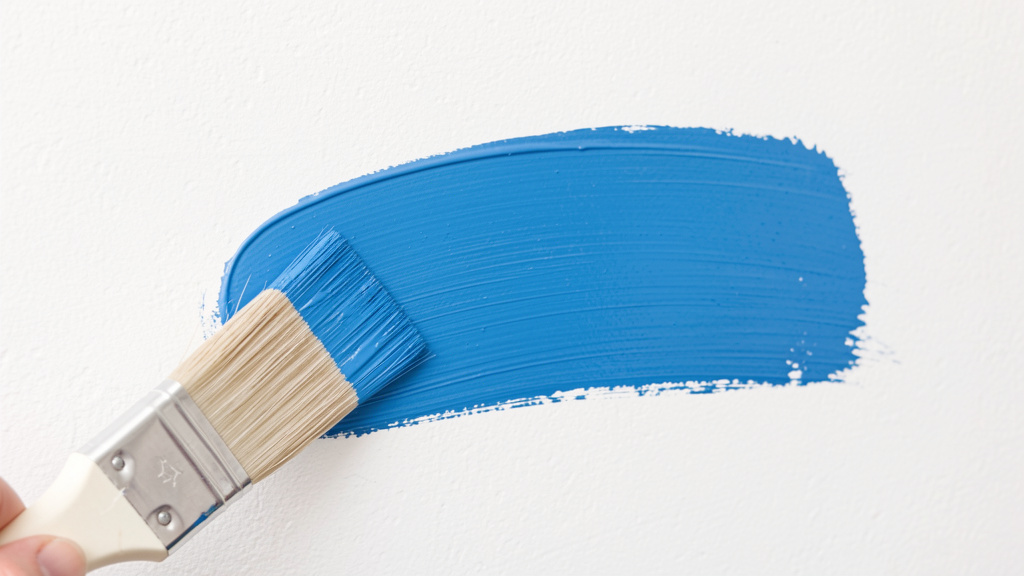
From Brush Fundamentals to Surface-Specific Strategies—Build Confidence Through Understanding Physics, Material Behavior, and Adaptable Methods
Transform your painting projects through deeper understanding. This guide moves beyond fragmented tips to deliver a cohesive system for applying paint intentionally across diverse surfaces and conditions. You’ll learn how environmental factors influence outcomes, why tool selection matters at a physical level, and how to adapt techniques to your specific context—whether refreshing a single accent wall or preparing multiple rooms. Every recommendation emphasizes safety, sustainability, and respect for materials, empowering you to achieve finishes that satisfy both eye and endurance.
Introduction
Paint application exists where material science meets human intention. While product selection plays a role, industry experience and coating principles consistently emphasize that how paint is applied profoundly shapes durability, appearance, and longevity. A thoughtfully chosen paint applied with awareness of surface physics and environmental conditions will outperform a premium product applied without consideration. This resource synthesizes established principles from material behavior studies, safety standards (including OSHA and EPA guidelines), and field-observed patterns across residential contexts. We prioritize clarity over complexity: explaining why certain approaches work helps you adapt confidently when conditions shift. This isn’t about perfection on the first attempt—it’s about building repeatable, informed habits that reduce frustration and elevate results over time.
The Layered Mastery Framework: A Progressive Approach to Paint Application
Many guides present techniques as isolated actions. The Layered Mastery Framework reframes painting as a sequence of interdependent stages. Progressing consciously through each layer builds cumulative success. Rushing Layer 1 to reach Layer 2 often creates avoidable corrections later. Layer 3 transforms competent work into resilient outcomes. This structure emerged from observing consistent patterns across diverse projects: environmental awareness, tool-surface alignment, and post-application care repeatedly distinguish lasting results from temporary fixes.
Layer 1: The Foundation Layer—Preparation as Preventive Practice
This layer encompasses all actions before paint contacts the surface: environmental assessment, tool selection, material readiness, and surface evaluation. Thoughtful preparation addresses the majority of factors influencing long-term performance. Consider two identical walls—one painted after thorough preparation, the other with minimal prep. Under similar use and lighting, the well-prepared surface typically maintains integrity longer. This pattern aligns with documented observations in coating durability studies where surface readiness consistently correlates with film longevity.
Environmental Awareness: Working With Conditions, Not Against Them
Temperature and humidity directly affect paint behavior. Most water-based paints perform best when ambient temperatures remain between 50°F–85°F (10°C–29°C) during application and for the initial drying period. Below this range, binders may not coalesce fully, potentially weakening the film. Above it, rapid evaporation can cause poor flow, visible texture, or reduced adhesion. Humidity presents dual considerations: very high humidity may slow drying and increase moisture entrapment risk; very low humidity may accelerate drying, reducing leveling time.
Practical Assessment Method: Place a basic hygrometer/thermometer in the space 24 hours prior. Note readings at different times of day. If conditions fall outside recommended ranges:
– In damp environments (basements, bathrooms): Run a dehumidifier continuously for 48 hours pre-paint; ensure ventilation during work.
– In arid environments (desert climates, heated winter interiors): Schedule work for cooler morning hours when ambient moisture is slightly higher. Avoid misting surfaces directly.
– For exterior work: Check forecasts for rain within 24–48 hours post-application. Paint requires uninterrupted drying time.
Seasonal Note: In regions with significant seasonal shifts, spring and fall often provide the most stable interior conditions for painting. Summer heat and winter dryness may require additional environmental management.
Tool Selection: Matching Instruments to Surface and Paint
Brush and roller choice depends on paint chemistry, surface texture, and project scale—not brand preference.
Natural vs. Synthetic Bristles:
– Natural bristles (china bristle) work with oil-based products but swell and degrade in water-based paints.
– Synthetic bristles (nylon, polyester, blends) maintain resilience with latex/acrylic paints and offer consistent “snap” for smooth release.
Surface-Driven Selection:
– Smooth surfaces (doors, cabinets, new drywall): Angled sash brush (1.5–2.5″) with flagged (split) tips; 3/8″ nap roller.
– Light texture (orange peel drywall): 1/2″ nap roller; versatile synthetic brush.
– Heavy texture (stucco, knockdown): 3/4″–1″ nap roller; stiff-bristle masonry brush.
– Ceilings: Minimum 1/2″ nap roller to hold adequate paint against gravity; extension pole recommended.
Pre-Use Calibration: Test tools on scrap material matching your surface. Observe: Does paint release evenly? Are fibers shedding? Does the roller skip on texture peaks? Adjust before starting the main area. A roller with too-short nap on textured walls may leave “holidays” (uncoated spots visible under angled light).
Paint Readiness: Stirring, Straining, and Thoughtful Adjustment
Paint separates during storage. Stir thoroughly with a dedicated paddle (low-speed drill attachment recommended) for 3–5 minutes until uniform. For previously opened cans, strain through a fine mesh screen to remove skin particles.
On Thinning: Modern paints are engineered for optimal viscosity. Thinning is rarely needed and can compromise hiding power or film integrity. Consider only if:
– Using a sprayer (follow manufacturer’s precise ratio)
– Working in extreme heat where rapid drying causes application issues (add ≤5% water; test first)
– Reviving slightly thickened paint (test on scrap)
Never thin to “stretch” coverage—this weakens the film. Instead, address root causes: adjust work timing, select a tool with better paint-holding capacity, or choose a paint formulated for challenging conditions.
Layer 2: The Execution Layer—Intentional Motion and Real-Time Adaptation
This layer focuses on the physical act of application: managing paint load, motion rhythm, and environmental feedback. The goal is controlled, consistent deposition—not speed. Each method (brush, roller, spray) follows distinct physical principles. Working with these principles reduces fatigue and improves outcomes.
Brush Technique: Precision Through Controlled Motion
Effective brushing balances three elements: paint load, brush angle, and stroke direction.
Loading and Handling:
– Dip only 1/3 to 1/2 of bristle length.
– Tap gently against the can’s interior ridge—avoid hard wiping, which removes paint from bristle tips.
– Ideal load: Paint coats bristles uniformly to the ferrule without dripping. Test on scrap: a proper load releases paint smoothly for 6–8 inches of stroke.
Cutting-In Sequence for Clean Edges:
1. Stabilize: Rest pinky lightly on the wall 1–2 inches from the edge (e.g., ceiling line).
2. Angle: Hold brush at ~45 degrees. For ceiling edges, tilt bristles slightly upward; for trim, tilt away from the trim.
3. Stroke: Start 1–2 inches away from the edge. Pull paint toward the edge in one fluid motion. Stop precisely at the boundary.
4. Overlap: Blend the next stroke into the previous by ~1 inch to avoid ridges.
Why it works: Starting away from the edge allows capillary action to draw paint cleanly to the line. Pushing away from the edge often forces bristles to splay, leaving thick ridges. For the final 1/4 inch near critical edges, use a lightly loaded brush for greater control.
Body Mechanics for Sustainability:
– Stand perpendicular to the surface, feet shoulder-width apart.
– Move the entire arm from the shoulder for long strokes; keep elbow slightly bent.
– Work top-to-bottom where possible—gravity assists flow.
– Take brief pauses every 15 minutes: shake out hands, adjust posture. Fatigue leads to inconsistent pressure.
– For large flat surfaces (doors, cabinets): Apply paint vertically in 2-foot sections, then lightly “lay off” horizontally with minimal pressure to distribute evenly. Always finish the final pass with the dominant visual direction (e.g., downward on walls, with wood grain on doors).
Roller Technique: Achieving Uniform Film Thickness
Rolling involves fluid dynamics: depositing consistent paint across surface peaks and valleys. Inconsistent pressure creates visible texture variations.
Loading Protocol:
1. Pour paint into the tray’s deep well.
2. Roll cover slowly through paint 3–4 times until saturated but not dripping.
3. Roll firmly up the ramp twice to remove excess. A properly loaded roller held horizontally should not drip.
4. Test on scrap: Should leave even color without splatter or dry patches.
Adaptive Rolling Sequence:
1. Distribution: Apply paint in a random zigzag pattern across a manageable section (size depends on conditions—see below). Focus on getting paint into texture. Use moderate, consistent pressure.
2. Leveling: Without reloading, make slow, straight, overlapping passes (6-inch overlap) from top to bottom. Use light pressure—let the roller’s weight do the work. Heavy pressure squeezes paint out prematurely.
3. Feathering: On the final pass of the section, ease pressure slightly at the stroke’s end to blend into the next area.
Maintaining a Wet Edge: Always roll into the previously painted, still-tacky area. Starting against dry paint creates visible lap marks. Adjust section size based on conditions:
– Ideal conditions (70°F, 50% humidity): 3×3 to 4×4 ft sections
– Hot/dry conditions: Reduce to 2×2 ft sections
– Cool/humid conditions: May extend to 4×4 ft sections
Work systematically: complete one wall section before moving to the next.
Ceiling-Specific Approach:
– Use an extension pole to minimize ladder repositioning.
– Start from the corner farthest from the entry point.
– Roll parallel to the primary light source (e.g., windows) to minimize shadow-casting texture.
– Keep the roller moving—stopping mid-stroke deposits excess paint that may sag.
– Wear safety glasses; minor overspray is common.
For textured ceilings: Load roller slightly heavier. During distribution, roll in multiple directions (vertical, horizontal, diagonal) to ensure coverage in crevices. During leveling, choose one direction (toward the main light) for visual consistency.
Spray Technique: Precision Requires Preparation
Spraying offers speed and smoothness on complex surfaces but demands rigorous setup, safety awareness, and environmental control. Overspray management is non-optional.
Essential Pre-Work Steps:
– Seal the room completely: plastic sheeting over doors, windows, fixtures; tape edges securely.
– Remove or cover all furniture, floors, and adjacent surfaces beyond the immediate area.
– Ensure robust cross-ventilation with exhaust fans venting outside (critical for fume management).
– Wear appropriate PPE: NIOSH-approved respirator (P100 cartridges recommended for fine particles), safety glasses, gloves.
– Verify equipment grounding and use explosion-proof fans if spraying solvent-based products.
Calibration and Application:
1. Thin paint only per manufacturer specifications (typically 10–20% water for latex). Strain through a fine mesh filter.
2. Test spray pattern on cardboard: Adjust until the fan is even (no heavy edges or spitting).
3. Maintain consistent distance: 6–12 inches from surface. Too close risks runs; too far causes dry spray (gritty texture).
4. Trigger discipline: Squeeze before starting the stroke; release after finishing. Prevents heavy spots at stroke ends.
5. Overlap passes by 50% (each new pass covers half the previous one). Maintain steady speed—slowing deposits excess; speeding creates thin spots.
When Spraying Makes Sense: Large, open interior walls; complex profiles (intricate trim, furniture with carvings); chain-link fences.
When to Reconsider: Small rooms with many obstacles; projects where masking time exceeds brushing/rolling time; spaces where overspray containment is impractical. Spraying a single interior door often requires more setup/cleanup than brushing. Reserve for scenarios where the benefits clearly outweigh the preparation burden.
Critical Reminder: Spraying applies thinner films per pass. Plan for 2–3 light coats rather than one heavy coat. Allow recommended recoat time between passes (check product label). Heavy coats sag, especially vertically.
The Guiding Insight: Flawless results emerge not from the tool itself, but from harmonizing your motion with the paint’s working properties, respecting environmental conditions, and maintaining consistent technique throughout the process.
Layer 3: The Refinement Layer—Observation, Care, and Long-Term Integrity
True completion extends beyond the final stroke. This layer involves deliberate inspection, thoughtful correction, and supporting the curing process—actions that protect your effort long-term.
Structured Inspection Process:
1. Wet Inspection (During Application): View under raking light (flashlight held parallel to the surface). Reveals brush marks, thin spots, or texture inconsistencies while correctable. Keep a lightly loaded tool nearby for immediate touch-ups.
2. Tacky Inspection (1–2 Hours After): When dry to touch but slightly tacky. Check for dust nibs, minor drips, or missed areas. Only if necessary: Gently sand with 320-grit sandpaper on a sponge block; wipe residue with a tack cloth before recoating. Avoid sanding unless essential.
3. Final Inspection (24+ Hours After): Under varied lighting (overhead, window, lamp). Assess overall uniformity, edge crispness, and sheen consistency. Note observations for future projects.
Thoughtful Touch-Up Protocol:
Touch-ups carry risk of visible “flashing” (color/sheen mismatch). To minimize:
– Use paint from the original batch (note lot number when purchasing).
– Apply with the same tool type used initially.
– Feather outward from the flaw into the surrounding area—don’t just dab the spot.
– For wet-stage corrections: Lightly drag a dry brush vertically over a brush mark; use minimal pressure.
– Avoid touch-ups in direct sunlight or extreme temperatures—heat accelerates drying, increasing mismatch risk.
– For cured flaws: Lightly sand, clean thoroughly, and repaint the entire section (e.g., full trim piece, wall segment) rather than spot-treating.
Supporting the Cure Process:
Drying (surface set) differs from curing (full film development). During the vulnerable curing phase:
– Avoid washing painted surfaces for the timeframe specified by the manufacturer (typically 14–30 days for latex).
– Maintain moderate humidity (40–60%) if possible; avoid drastic temperature swings (e.g., blasting AC immediately post-paint).
– In high-traffic areas (hallways, children’s rooms), consider applying low-tack painter’s tape along baseboard edges for 3–7 days to prevent scuffs during early cure.
– For exterior work: Monitor weather forecasts; prolonged rain or extreme heat during cure may affect performance.
Contextual Note: In humid coastal climates, running a dehumidifier in the room for 24–48 hours post-application can support even curing. In very dry climates, avoiding forced-air heating directly on fresh paint helps prevent premature drying stresses.
Surface-Specific Application Guidance: Adapting Technique to Substrate
Paint interacts uniquely with each surface. Applying a single technique universally invites challenges. This section details thoughtful adaptations for common substrates.
Drywall and Plaster: Managing Absorption and History
New Drywall: Highly porous. Always apply a dedicated drywall primer (PVA-based) first. This seals uniformly, preventing uneven absorption (“flashing”) over seams or patches. Use a 3/8″ nap roller for smooth finishes; 1/2″ for light texture. During rolling, pass perpendicular to seams in the distribution phase to work paint into joints, then parallel during leveling to smooth ridges.
Existing Painted Drywall:
– Lightly sand glossy areas with 220-grit sandpaper to create “tooth” for adhesion.
– Clean thoroughly with a TSP substitute (trisodium phosphate alternative) to remove oils, dust, or residues.
– For stains (water, nicotine): Apply a stain-blocking primer to affected areas before topcoating.
Plaster Walls (Common in Pre-1950s Homes):
– Test adhesion: Press painter’s tape firmly onto the surface, then rip off sharply. If paint lifts significantly, deeper preparation is needed.
– Address hairline cracks: Fill with flexible acrylic caulk before priming. Rigid spackle may crack again as the wall shifts.
– Historic note: Older plaster may have lime-based coatings. Use breathable acrylic primers that allow moisture vapor transmission; avoid vinyl-based primers that can trap moisture.
Wood Surfaces: Honoring Grain and Movement
Wood expands and contracts with humidity changes. Paint must accommodate this movement.
Bare Wood:
– Prime with an oil-based or shellac-based primer. Water-based primers can raise grain, requiring additional sanding.
– After primer dries, sand with the grain using 220-grit paper.
– For smooth finishes on open-grain woods (oak, ash): Consider a grain filler after priming (optional for rustic aesthetics).
– Brush with the wood grain direction. Cross-grain strokes leave visible marks and uneven penetration.
– On panel doors: Paint panels first (inside edges outward), then rails (horizontal), then stiles (vertical).
– Leave a hairline gap (~1/16″) unpainted along the bottom edge of baseboards and door frames. This allows for seasonal wood expansion without paint cracking at the floor joint.
Previously Painted Wood:
– For homes built before 1978: Test for lead paint using an EPA-recognized kit. If positive, consult EPA guidelines for lead-safe work practices. Do not sand aggressively; use encapsulating primers and wet methods. Safety first.
– Remove all loose or flaking paint down to sound substrate. Feather edges of remaining paint with sandpaper.
– For glossy surfaces (trim, cabinets): Liquid deglosser provides uniform adhesion preparation where sanding is difficult. Always clean thoroughly afterward.
Metal Surfaces: Prioritizing Corrosion Prevention
Metal requires moisture exclusion. One small breach can allow rust to spread unseen beneath the film.
Rust Management:
– Remove loose rust with a wire brush or sanding. For heavy rust, use a phosphoric acid-based rust converter (follow product instructions carefully); neutralize residue as directed.
– Prime immediately after cleaning with a rust-inhibiting primer (zinc-rich for steel, etching primer for aluminum). Never skip priming—topcoats lack sufficient corrosion inhibitors.
– Apply thin, even coats. Thick paint on metal can trap solvents, leading to bubbling as they escape.
– For outdoor metal (railings, gates): In challenging conditions, adding a paint conditioner like Floetrol (latex) or Penetrol (oil) per manufacturer guidance may improve flow into crevices and adhesion. Test first.
Galvanized Steel Specifics:
– New galvanized: Requires “weathering” (6–12 months exposure) OR thorough cleaning with a vinegar-water solution (1:1) to remove oily residues, followed by an etching primer.
– Previously painted galvanized: Lightly sand to create profile, clean, then prime.
Masonry and Concrete: Respecting Breathability
Concrete transmits moisture vapor from the ground. Trapping it causes blistering.
Moisture Assessment: Tape an 18×18-inch plastic sheet securely to the floor or wall for 24 hours. If condensation forms under the sheet, moisture vapor emission is high. Address the source (foundation drainage, interior humidity) before painting. Proceeding risks premature failure.
Preparation and Application:
– Clean thoroughly; for floors, use a concrete etcher per instructions to open pores for mechanical adhesion. Rinse completely and allow to dry fully.
– Prime with a masonry-specific, vapor-permeable primer.
– Use a thick-nap roller (3/4″ minimum) or airless sprayer. Concrete absorbs paint rapidly—work in smaller sections to maintain a wet edge.
– For below-grade walls (basements): Prioritize moisture mitigation first. Paint alone cannot solve active water intrusion.
Specialty Surfaces: Quick Reference Guide
| Surface | Primer Consideration | Tool Recommendation | Key Adaptation |
|---|---|---|---|
| Laminate/Cabinets | Bonding primer (e.g., STIX) | Synthetic brush, fine foam roller | Degloss thoroughly; light sanding on edges creates adhesion “key” |
| Tile | Epoxy-based bonding primer | Small angled brush for grout | Paint grout lines first; use flexible caulk at edges where movement occurs |
| Glass/Mirrors | Specialty glass primer | Foam roller, fine brush | Clean meticulously with isopropyl alcohol first; avoid painting edges where peeling initiates |
| Wrought Iron | Rust-inhibiting primer | Angled brush for details | Wire brush all rust; paint inside crevices first to prevent hidden corrosion |
| Previously Glossy | Deglosser or light sand | Any appropriate tool | Adhesion failure is common—never skip surface preparation |
Navigating Common Application Challenges: Causes and Thoughtful Responses
Even careful painters encounter issues. Understanding root causes enables effective correction and future prevention. Focus on why a problem occurred to build lasting skill.
Visible Brush Marks or Streaks
Observed: Ridges, uneven sheen, directional lines.
Common Contributors: Paint drying too quickly (heat, low humidity, thick application); incorrect brush type; insufficient load causing “dry brushing”; brushing against wood grain.
While Wet: Lightly drag a dry brush vertically over the mark with minimal pressure. In hot/dry conditions, increase ambient humidity slightly away from the work area (e.g., humidifier in adjacent room).
Prevention: Work during cooler parts of the day; select a brush with flagged tips for smooth surfaces; maintain consistent paint load; always finish strokes in the direction of gravity (downward on walls) or wood grain. In challenging conditions, a paint conditioner like Floetrol (for latex) used sparingly per label may extend leveling time—test first.
Contextual Insight: In arid climates, morning application often yields smoother results than midday. Adapt your schedule to local conditions.
Roller Texture Inconsistency (“Stipple”)
Observed: Bumpy surface, visible roller pattern.
Common Contributors: Inconsistent pressure; incorrect nap length; low-quality roller cover; rolling too quickly.
While Wet: Make final leveling passes with very light pressure and increased overlap (8 inches).
Prevention: Match nap precisely to surface texture (see Surface-Specific section); practice pressure control on scrap; replace roller covers after heavy use (they lose resilience); for ultra-smooth needs (cabinets), consider high-density foam rollers.
Important Note: Some stipple is desirable and intentional on textured walls—it adds visual interest. The goal is consistent texture, not elimination. Evaluate the finish under your room’s actual lighting before deciding correction is needed.
Drips, Sags, or Runs
Observed: Vertical streaks or teardrop shapes.
Common Contributors: Overloading the tool; applying too thickly; painting overhead surfaces without technique adjustment; high humidity slowing surface set.
While Wet: For small drips, gently wipe upward with a clean, dry brush. For larger runs, carefully scrape excess with a putty knife held at a shallow angle, then feather edges with a dry brush.
Prevention: Load tools conservatively; on ceilings, use medium-nap rollers and maintain steady motion; in humid conditions, increase gentle airflow (fan not blowing directly on wet paint) to support surface drying; for trim, paint the top edge first, let set briefly, then paint the face.
Advanced Tip: “Back-brushing” after rolling—lightly brushing over a freshly rolled section with a dry brush in the desired finish direction—can redistribute thick spots and improve uniformity on vertical surfaces.
Lap Marks (Visible Overlap Lines)
Observed: Darker or shinier lines where wet paint meets dry.
Common Contributors: Working sections too large for conditions; interruptions mid-wall; inconsistent application thickness.
While Wet: Blend aggressively into the dry area using circular motions with a loaded tool.
If Dry: Lightly sand the entire affected section when fully cured, clean, and repaint the whole section (corner to corner). Spot-fixing often worsens visibility.
Prevention: Adjust section size to conditions (smaller in hot/dry weather); work continuously top-to-bottom, left-to-right; maintain a wet edge by rolling into the previously painted, still-tacky area. For critical walls, eggshell or satin sheens can be more forgiving of minor application variations than flat sheens while offering better cleanability.
Blistering or Bubbling
Observed: Blisters forming during drying or later.
Common Contributors: Painting over moisture (condensation, leaks); applying in direct, hot sunlight (surface heats rapidly); trapped air in porous surfaces (unprimed drywall, concrete); surface contamination (wax, oil).
Correction: Do not pop. Let dry completely. Sand smooth down to sound paint. Identify and resolve the moisture source or contamination issue. Prime bare spots with appropriate primer. Repaint the entire section for sheen consistency.
Prevention: Conduct moisture tests before painting porous surfaces; avoid painting in direct sun—schedule for shaded times; always prime porous substrates; ensure surfaces are clean and dry. Blisters appearing weeks later often indicate ongoing moisture intrusion—address the root cause or failure will recur.
Poor Coverage or “Flashing” (Uneven Color)
Observed: Underlying color shows through; patches appear darker, especially over repairs.
Common Contributors: Skipping primer on porous areas or stains; low-pigment paint; over-thinning; applying too thinly.
Correction: For minor issues, a second coat with consistent technique often resolves it. For flashing over patches: spot-prime affected areas with PVA primer, let dry, then repaint the entire wall. Never spot-paint large areas.
Prevention: Prime new drywall, patches, and stains; choose quality paints with higher hiding pigment (titanium dioxide); maintain proper tool loading; for deep colors (navy, forest green), use a tinted primer close to the topcoat color.
Material Insight: Paint hiding power relates to pigment quality and concentration. Premium paints often achieve coverage in fewer coats, potentially saving time and labor despite higher initial cost.
Peeling or Adhesion Failure
Observed: Paint lifts in sheets or chips easily, often at edges.
Common Contributors: Inadequate surface cleaning (dust, grease, wax); painting over chalky surfaces; moisture behind the film; skipping primer on challenging substrates (glossy, metal, bare wood).
Correction: Remove all loose paint down to sound substrate. Clean thoroughly with appropriate cleaner. Repair substrate issues (fill cracks, fix leaks). Prime entire area with bonding primer suited to the surface. Repaint.
Prevention: Clean all surfaces meticulously before painting; test adhesion on questionable areas with tape; use specialty primers for difficult substrates; ensure surfaces are completely dry. For exterior work, inspect and replace failed caulk at joints—water entering through tiny gaps travels behind paint, causing widespread failure.
Your Questions, Answered
Q: How long should I wait between coats of paint?
A: Always prioritize the paint manufacturer’s instructions on the label—they account for the specific formula. Under typical conditions (70°F, 50% humidity), latex paints often require 2–4 hours. However, environmental factors significantly influence drying: in cool or humid conditions, extend wait time (up to 6+ hours); in hot, dry conditions, it may be shorter. Test readiness by gently pressing a finger on an inconspicuous area—if no mark remains and the surface feels dry (not tacky), it’s ready. Rushing recoats can trap solvents, leading to issues; waiting excessively long (e.g., over 30 days for latex) may require light sanding to ensure the next coat adheres well.
Q: Can I paint over semi-gloss or gloss paint without sanding?
A: While high-adhesion bonding primers (like INSL-X STIX) can sometimes work over clean, deglossed surfaces, sanding (180–220 grit) or using liquid deglosser remains the most reliable method for creating the microscopic “tooth” needed for mechanical adhesion. This is especially important for high-traffic areas (trim, cabinets) or moisture-prone spaces (bathrooms, kitchens). Always clean the surface thoroughly with a TSP substitute first to remove oils that compromise adhesion. When in doubt, light sanding provides greater confidence in long-term performance.
Q: Why does my paint look different on the wall than the sample card?
A: Color perception shifts due to lighting (natural daylight vs. artificial, time of day), surrounding colors (adjacent walls, furniture), surface texture (rough surfaces absorb more light, appearing darker), and sheen (higher sheens reflect more light, making color appear lighter). Always paint a 2×2-foot sample patch directly on the wall. Observe it at different times of day under your room’s actual lighting. Live with it for 24–48 hours before committing. Note: Sample pots may use slightly different base formulas than gallon cans—using a quart of the actual paint for testing yields the most accurate preview.
Q: How do I fix brush marks after the paint has dried?
A: Once cured, brush marks require physical correction. For minor marks: lightly sand with 320-grit sandpaper on a sponge block, wipe clean with a tack cloth, then apply a thin, even coat over the entire section (not just the mark). For pronounced marks: sand the full surface smooth, prime if needed, and repaint. Prevention is far more efficient—focus on proper brush loading, environmental management, and finishing strokes in the direction of gravity while paint is wet. In challenging conditions, a paint conditioner used per label instructions may reduce mark formation.
Q: Is it better to cut in edges first or roll the wall first?
A: Cut in a 2–3 inch band along all edges (ceiling, trim, corners) first, then immediately roll the main wall area while the cut-in paint is still wet. This allows the rolled paint to blend seamlessly into the cut-in area, eliminating lap marks. Never cut in an entire room and then roll later—the cut-in paint will dry, creating visible lines. Work wall-by-wall: cut in one wall’s edges, roll that wall, proceed to the next. This “wet-edge blending” technique is fundamental to professional-looking results.
Q: How do I prevent paint from getting on the ceiling when cutting in?
A: Master the angled brush technique: load brush lightly, hold at 45 degrees with bristles tilted away from the ceiling, and pull paint downward from the edge. Rest your pinky on the wall for stability. For added security: apply low-tack painter’s tape along the ceiling edge—but remove it while the paint is still wet (within 5–10 minutes) to avoid pulling dried paint. Alternatively, use a paint shield (thin plastic or metal tool) held firmly against the ceiling edge as a physical barrier. Practice on scrap drywall to build confidence.
Q: Can I reuse paint rollers and brushes?
A: Yes, with proper cleaning. For water-based paints: rinse thoroughly under warm running water until clear. Use a brush comb to remove paint from the bristle base. For oil-based paints: clean immediately with mineral spirits, then wash with soap and water. Store cleaned brushes by hanging them or wrapping bristles in paper to maintain shape. Rollers can be tightly wrapped in plastic and frozen for short-term reuse (up to 3 days)—thaw completely before next use. For long-term storage, ensure tools are completely clean and dry. Discard rollers after 2–3 uses; quality brushes can last years with care. Never let paint dry in tools—it permanently damages them.
Q: Why does my roller leave lint on the wall?
A: Low-quality roller covers shed fibers. Prevention: Before first use, wrap the cover in painter’s tape and peel off to remove loose fibers, or lightly roll it over duct tape (sticky side up). Always choose high-quality woven or knit covers (avoid cheap “loop” covers). If lint appears while painting: stop, remove the roller, clean the wall surface with a tack cloth, replace the cover, and continue. For critical smooth finishes (cabinets, doors), high-density foam rollers eliminate lint concerns.
Q: How do I paint inside corners cleanly?
A: Use the “two-pass corner cut-in” method:
1. First pass: Paint ~1.5 inches onto Wall A from the corner, pulling the brush away from the corner.
2. Second pass: Paint ~1.5 inches onto Wall B from the corner, pulling away from the corner.
3. Immediately roll both walls while the cut-in paint is wet, blending toward the corner.
Use a small (1-inch) angled brush for maximum control near corners. Avoid overloading the brush—excess paint migrates around the corner. Practice on cardboard formed into a corner to develop muscle memory.
Q: What’s the difference between Floetrol and Penetrol?
A: Both are paint conditioners that can improve flow and extend open time, but they are chemistry-specific:
– Floetrol: Formulated for water-based (latex/acrylic) paints. May reduce brush marks and roller stipple.
– Penetrol: Formulated for oil-based paints and primers. May enhance flow and penetration.
Neither is a thinner—they maintain paint integrity while modifying application properties. Never substitute one for the other. Use only when environmental conditions or surface challenges warrant it (e.g., hot/dry weather causing rapid drying), follow product instructions precisely, and always test on scrap material first. They are problem-solving aids, not routine additives.
Q: How do I fix a dried drip?
A: Wait until the paint is fully cured (24–48 hours). Lightly sand the drip with 220-grit sandpaper on a sponge block, feathering outward to blend with the surrounding area. Wipe away dust with a tack cloth. For small areas, apply a tiny amount of matching paint with a fine artist’s brush, feathering edges outward. For larger drips: sand smooth, prime if bare substrate is exposed, and repaint the entire section (e.g., full trim piece) to avoid sheen mismatch. Prevention—maintaining proper tool loading and frequent wet inspections—is always preferable.
Q: Can I mix different brands or sheens of paint?
A: It is strongly discouraged. Even identical color names from different brands use unique pigment ratios, binders, and additives. Mixing can cause color shifts, sheen inconsistencies, adhesion issues, or reduced durability. Mixing sheens (e.g., flat into satin) creates an unstable hybrid with compromised performance. If you run short:
– For small touch-ups: Purchase new paint but verify the match first.
– For large areas: Repaint the entire wall or room with the new batch.
– Always buy 10–15% extra paint at the start for future repairs.
– Record the batch/lot number from the can—critical for matching later.
Conclusion: Building Confidence Through Understanding
Mastery in paint application develops through mindful practice within a flexible framework—not rigid rules. The Layered Mastery Framework offers a reliable structure: Foundation Layer preparation prevents common pitfalls; Execution Layer techniques build consistent motion; Refinement Layer care protects your work long-term. Remember three enduring principles: work with environmental conditions rather than against them; select tools aligned with your surface and paint; and maintain continuity through wet-edge awareness. These concepts apply whether you’re refreshing a closet or transforming multiple rooms.
Recap: Three Anchors for Sustainable Results
1. Preparation is foundational: Time invested in surface evaluation, environmental awareness, and tool readiness prevents most correctable issues.
2. Consistent motion outweighs speed: Deliberate, rhythmic application creates uniform films. Rushing introduces variables that require correction.
3. Observation completes the process: Inspecting under varied light, understanding cure needs, and documenting learnings turn each project into progressive skill-building.
The 24-Hour Reflection: Within one day of completing your project, conduct a final inspection in natural daylight. Note one specific observation for your next project—perhaps adjusting roller nap for your wall texture, refining your cut-in sequence, or noting ideal working hours for your climate. Write it down. This simple habit transforms isolated efforts into cumulative expertise.
A Final Perspective: In an era of quick fixes, a thoughtfully painted surface represents quiet craftsmanship—a tangible expression of care, patience, and respect for your environment. You now hold a adaptable system grounded in material awareness and practical experience. Apply these principles not as inflexible dogma, but as informed guidance. Observe how paint behaves in your space, under your conditions. Adjust, learn, and own your process. The distinction between a painted surface and a perfected one lies not in expensive tools or secret formulas, but in the conscious, informed application of technique—one intentional stroke at a time.
Explore Our Complete Painting System:
Understanding Paint Types: Water-Based vs. Oil-Based and When to Choose Each | Surface Preparation Deep Dive: Cleaning, Repairing, and Priming for Longevity | Color Selection Science: How Light, Space, and Psychology Shape Your Choices | Trim and Detail Mastery: Techniques for Crisp, Professional Edges | Sustainable Painting Practices: Low-Impact Products, Waste Reduction, and Safe Disposal | Diagnosing and Repairing Paint Failures: A Practical Field Guide | Tool Care and Longevity: Maximizing Performance and Value of Your Painting Kit