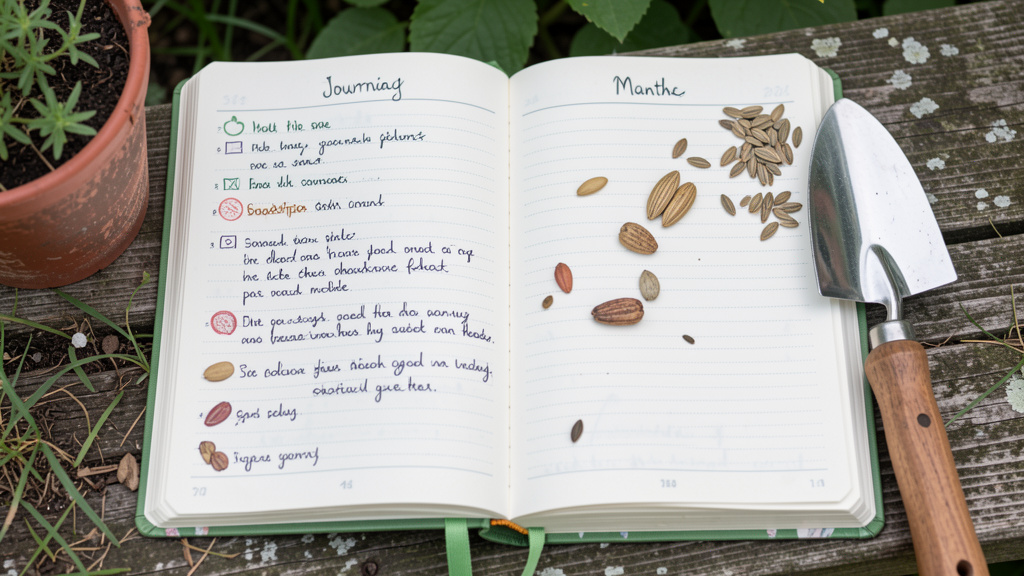
Your Science-Informed, Zone-Adaptable Roadmap to a Thriving Garden Year-Round—From First Frost Prep to Final Harvest, With Practical Tasks for Every Climate and Skill Level
Gardening is not a series of isolated chores but a continuous conversation with the living rhythms of your land. Too often, well-meaning gardeners follow generic checklists that overlook soil biology, microclimates, and plant physiology—leading to frustration when tomatoes languish or roses succumb to disease. This garden calendar aims to reduce uncertainty by providing clear, adaptable guidance grounded in horticultural science and ecological principles. Drawing on aggregated research from agricultural extension services, master gardener curricula, and regional growing practices, we offer actionable monthly tasks tailored to Cold (Zones 3–5), Temperate (Zones 6–7), and Warm (Zones 8–10) regions. Whether you nurture vegetables, heirloom roses, fruit trees, native pollinator habitats, or container herb gardens on a city balcony, this guide meets you where you are. Discover not just what to do each month, but why it matters—empowering you to adapt with wisdom, not guesswork.
Introduction: Beyond the Checklist—Cultivating Garden Intelligence
A static to-do list fails because gardens are dynamic ecosystems responding to temperature shifts, soil biology, daylight duration, moisture levels, and biological cycles. Gardening success is often enhanced when actions align with these natural rhythms. This calendar integrates four foundational pillars frequently missing from fragmented online guides: soil science (understanding microbial activity cycles), phenology (observing nature’s cues like bud break or bird migration), regional climate adaptation (beyond USDA zones to microclimates), and ecological stewardship (supporting beneficial insects and soil life).
You’ll notice thoughtful distinctions reflecting horticultural understanding: we specify soil temperature for seed germination (not just calendar dates), differentiate between pruning dormant versus flowering wood, and clarify when “cleaning up” beds may disrupt overwintering pollinators. This approach reflects knowledge synthesized through university cooperative extension programs, master gardener training, and field observations across diverse regions. Your garden’s vitality grows through informed, timely actions—not perfection. Let this calendar be your trusted companion—a living document to revisit, annotate, and grow with season after season.
The Four Pillars Framework: Your Foundation for Adaptive Gardening
Before navigating monthly tasks, anchor your practice in this resilient framework. These pillars transform rigid schedules into intuitive decision-making tools, allowing you to adjust confidently for unseasonable weather, soil variations, or unexpected challenges.
Pillar 1: Soil Vitality—Nurture the Living Foundation
Soil is not dirt; it’s a complex ecosystem of fungi, bacteria, earthworms, and organic matter. Timing amendments correctly maximizes their impact:
– Fall applications of compost or cover crops allow winter microbes to break down nutrients gradually, making them bioavailable by spring.
– Avoid working soil when wet—squeeze a handful; if it forms a tight ball that doesn’t crumble, wait. Compaction destroys pore spaces critical for root growth and water infiltration.
– Soil testing (late winter) guides precise pH adjustments: most vegetables thrive at pH 6.0–7.0. Lime raises pH slowly (apply fall); sulfur lowers it (apply spring).
– Why it matters: Healthy soil retains moisture during dry periods, drains excess water after heavy rain, and supports natural disease suppression. A single teaspoon of thriving soil hosts a vast, diverse community of microorganisms essential for plant health.
Pillar 2: Plant Lifecycle Alignment—Work With Nature’s Clock
Plants communicate readiness through physiological cues. Ignoring these leads to stress:
– Dormancy breaks when consistent soil temperatures reach species-specific thresholds (e.g., around 40°F/4°C for peas, 60°F/15°C for tomatoes). Use a soil thermometer—air temperature alone can mislead.
– Pruning timing depends on bloom cycle: spring-flowering shrubs (lilacs, forsythia) set buds on last year’s growth—prune after flowering. Summer-bloomers (hydrangeas, roses) flower on new growth—prune in late winter.
– Succession planting leverages “days to maturity” on seed packets. After harvesting radishes (about 28 days), replant the same space with beans (around 60 days).
– Why it matters: Aligning tasks with plant biology reduces pest vulnerability, conserves plant energy, and supports consistent yields. Forcing growth out of season often weakens plants.
Pillar 3: Climate Responsiveness—Decode Your Microclimate
Your USDA zone is a starting point. True adaptation requires observing your garden’s unique character:
– Microclimates exist everywhere: A south-facing brick wall creates a “heat island” (Zone 7 behavior in a Zone 5 yard). Low-lying areas collect cold air (“frost pockets”). Windbreaks (fences, hedges) extend the growing season.
– Track local frost dates: Note your actual last spring frost and first fall frost yearly in a journal. National averages are unreliable locally. Reputable gardening apps or almanac resources can help personalize dates.
– Regional rainfall patterns dictate irrigation needs. Mediterranean climates (dry summers) require deep, infrequent watering; humid regions need airflow-focused spacing to reduce fungal disease risk.
– Why it matters: A gardener in coastal Maine (Zone 5b) faces different challenges than one in Minnesota (Zone 4a), despite similar zone numbers. Microclimate awareness prevents common missteps.
Pillar 4: Ecological Harmony—Invite Balance, Not Battle
Gardens thrive when they support interconnected life:
– Pest prevention > eradication: Time horticultural oil sprays for dormant season to smother overwintering insect eggs. Plant dill, fennel, or yarrow to attract ladybugs and lacewings that consume aphids.
– Pollinator continuity: Ensure blooms from early spring (crocus, willow) to late fall (asters, sedum). Cluster 3–5 plants of the same species—”floral targets” help bees forage efficiently.
– Leave winter habitat: Delay cutting back perennials until spring temperatures consistently reach 50°F (10°C). Hollow stems shelter native bees; leaf litter protects butterfly chrysalises.
– Why it matters: Chemical interventions can disrupt beneficial food webs. A balanced garden often self-regulates—supporting fewer pest outbreaks, richer soil life, and greater resilience over time.
The Fundamental Principle: Gardening success grows from synchronizing your actions with nature’s rhythms. The right task at the right time creates compounding benefits; mistimed actions may require seasons to correct.
January: Strategic Stillness—Planning and Protection
Beneath the quiet surface, January holds immense potential. This is the month of intention—where thoughtful preparation sets the stage for spring vitality. While snow blankets northern gardens and southern zones enjoy mild harvests, focus shifts to reflection, tool care, and soil stewardship.
Core Tasks for All Zones
- Review Last Year’s Garden Journal: Note crop rotations (avoid planting tomatoes/peppers/eggplants in the same spot consecutively), pest patterns, and successes. Sketch next year’s layout, ensuring heavy feeders follow nitrogen-fixing crops (beans, peas). Prioritize disease-resistant varieties (e.g., tomato codes: VFN = resistant to Verticillium, Fusarium, Nematodes).
- Order Seeds and Supplies Early: Popular varieties may become limited by February. Verify seed viability: place 10 seeds between damp paper towels in a warm spot; sprout rate indicates freshness. Organize stored seeds by planting date.
- Tool Rehabilitation: Disassemble pruners; soak rusted parts in white vinegar overnight. Scrub with steel wool, dry thoroughly, and apply linseed oil to wooden handles. Sharpen shovels and hoes to a clean edge—sharp tools cut cleanly, reducing plant disease entry points. Check hoses for cracks; repair fittings.
- Soil Assessment (Where Accessible): In unfrozen zones, dig a small test hole. Healthy soil crumbles easily, smells earthy, and reveals earthworm activity. Compacted or lifeless soil signals need for compost or cover crops later.
Zone Spotlight: Tailored January Actions
- Cold Zones (3–5): Focus entirely indoors. Start slow-growing perennials requiring 10–12 weeks indoors: lavender, echinacea, or delphinium. Use grow lights (14–16 hours daily) positioned 2–3 inches above seedlings. Monitor stored dahlia/canna tubers in peat moss—discard any soft or moldy specimens. On sunny days above freezing, ventilate cold frames to prevent condensation mold.
- Temperate Zones (6–7): If soil is workable (crumbles when squeezed), plant bare-root fruit trees, roses, or asparagus crowns. These establish roots before spring growth surge. Sow cold-tolerant peas or spinach under cloches (recycled plastic bottles with bottoms cut off) toward month’s end. Apply compost tea to dormant berry bushes.
- Warm Zones (8–10): Harvest kale, carrots, broccoli, and citrus. Plant onion sets, potatoes, and cool-season annuals (pansies, snapdragons). Prune dormant deciduous trees and roses—remove dead wood, crossing branches, and water sprouts. Apply dormant horticultural oil to fruit trees to smother overwintering insect eggs.
Pro Tip of the Month: Build a Seed-Starting Schedule
Create a simple spreadsheet: input your average last spring frost date. For each crop, note “weeks indoors before transplant” (tomatoes: 6–8 weeks; peppers: 8–10 weeks). Calculate backward to sowing dates. Include “days to maturity” for succession planting. Print and tape inside your garden shed door. This eliminates last-minute rushes and supports robust seedling development.
Common Mistakes to Avoid
- Starting Heat-Lovers Too Early: Sowing tomatoes in January often leads to weak, stretched seedlings due to insufficient light. Wait until late February (Temperate) or March (Cold zones). Leggy seedlings rarely recover full vigor.
- Pruning Spring Bloomers Prematurely: Avoid cutting forsythia, lilacs, or azaleas now—they set flower buds on last year’s growth. Pruning removes spring blooms. Wait until after flowering.
- Overwatering Houseplants: Reduced winter light slows growth. Check soil moisture 1 inch deep; water only when dry. Use room-temperature water to avoid shocking roots. Group plants to increase humidity.
February: Awakening the Earth—Soil Prep and Early Sowings
Daylight lengthens noticeably. Sap begins rising in maples—a subtle phenological cue that soil microbes are stirring. February bridges deep winter and early spring. Tasks emphasize soil readiness, strategic pruning, and vigilant weather monitoring. Patience remains key; false springs can mislead even experienced gardeners.
Core Tasks for All Zones
- Soil Testing: Ideal time to test pH and nutrients before spring planting. Use a reliable soil test kit or, for the most accurate analysis, send samples to your local cooperative extension office. Follow instructions precisely: sample multiple spots 6 inches deep, mix thoroughly. Results guide lime (to raise pH) or sulfur (to lower pH) applications. Most vegetables prefer pH 6.0–7.0; blueberries require 4.5–5.5.
- Start Seeds Indoors: Begin slow-maturing crops: peppers, eggplants, celery, and leeks. Use sterile seed-starting mix (never garden soil) to prevent damping-off disease. Moisten mix until it feels like a damp sponge. Sow seeds at depth specified on packet (usually 2–3x seed diameter). Cover trays with plastic domes to retain humidity until germination. Place in warm spot (70–75°F/21–24°C); remove dome once sprouts appear.
- Prune Deciduous Trees and Shrubs: Dormancy makes branch structure visible. Remove dead, diseased, or crossing branches. Make clean cuts just outside the branch collar (swollen area where branch meets trunk) to support healing. Avoid “topping” trees—it creates weak regrowth and disease entry points.
- Prepare Raised Beds: Remove old mulch/debris. Loosen top 2–3 inches of soil with a garden fork (avoid deep tilling to preserve soil structure and earthworm channels). Mix in 1–2 inches of finished compost.
Zone Spotlight: Tailored February Actions
- Cold Zones (3–5): Start seeds indoors under full-spectrum LED grow lights. Build or repair raised beds using rot-resistant cedar. Order certified seed potatoes for March planting. On mild days, open cold frames briefly to exchange air; close before temperatures drop.
- Temperate Zones (6–7): Direct sow cool-season crops under protection: peas, spinach, radishes, kale. Use floating row covers or cloches. Plant bare-root fruit trees, roses, or asparagus if ground is workable. Divide overcrowded hostas or daylilies.
- Warm Zones (8–10): Transplant hardened-off broccoli, cabbage, and lettuce seedlings. Plant warm-season crops like beans, cucumbers, and squash in protected microclimates. Fertilize citrus trees with balanced citrus-specific fertilizer. Monitor for aphids on new growth; spray with strong water jet.
Pro Tip of the Month: DIY Biodegradable Seed Pots
Roll newspaper around a small glass to form pots. Secure with non-toxic glue. Fill with seed-starting mix, sow seeds, and plant the entire pot later—minimizing root disturbance. Label with plant name and date using waterproof marker. Toilet paper rolls work similarly. This reduces plastic waste and transplant shock.
Common Mistakes to Avoid
- Working Soggy Soil: Squeeze a handful of soil. If it forms a tight, muddy ball, wait. Working wet soil destroys crumb structure, causing long-term compaction and poor drainage. Patience prevents years of remediation.
- Skipping Hardening Off: Seedlings grown indoors need 7–10 days of gradual outdoor exposure before transplanting. Start in full shade with minimal wind; increase sun exposure daily. Sudden exposure causes sunscald, wind damage, or transplant shock.
- Overlooking Early Pollinators: Even in February, queen bumblebees seek nectar. Plant winter-blooming heathers, hellebores, or witch hazel. Avoid “cleaning up” leaf litter where early bees may nest.
March: The Surge of Spring—Planting with Precision
Buds swell; soil warms. March pulses with energy—a month of decisive action balanced with weather vigilance. Focus shifts to direct sowing cool-season crops, transplanting hardened seedlings, and establishing weed control. Late frosts remain a threat; flexibility is essential.
Core Tasks for All Zones
- Direct Sow Cool-Season Crops: As soil reaches 40–50°F (4–10°C), sow peas, lettuce, radishes, carrots, beets, and spinach. Plant seeds at packet-specified depth. Keep soil consistently moist (not soggy) for germination. Use a soil thermometer for accuracy—air temperature alone can mislead.
- Transplant Seedlings: Harden off indoor-started cool-season crops (broccoli, cabbage, kale). Transplant on cloudy days or late afternoon to reduce stress. Water deeply after planting. Use row covers for frost protection and pest exclusion.
- Weed Early and Often: Weeds compete fiercely with young seedlings for water and nutrients. Hand-pull when soil is moist. Apply 2–3 inches of organic mulch (straw, shredded leaves, or compost) to suppress weeds, retain moisture, and regulate soil temperature. Keep mulch 2 inches away from plant stems to prevent rot.
- Fertilize Perennials and Shrubs: As growth resumes, apply balanced organic fertilizer (compost tea, fish emulsion) around the drip line of established plants. Avoid high-nitrogen fertilizers on fruit trees—they may promote leafy growth over fruiting.
Zone Spotlight: Tailored March Actions
- Cold Zones (3–5): Focus on cold frames and protected sowings. Start tomatoes and basil indoors late in the month. Prune summer-blooming shrubs like panicle hydrangeas (if not done in fall). Divide ornamental grasses as new growth emerges.
- Temperate Zones (6–7): Plant seed potatoes (cut into chunks with 2 eyes each; let cure 24 hours before planting). Sow carrots and beets directly. Transplant hardened-off seedlings of cool-season crops. Install pea trellises before planting.
- Warm Zones (8–10): Harvest cool-season crops. Plant warm-season crops: tomatoes, peppers, squash, beans. Mulch heavily with straw to conserve moisture. Begin monitoring for aphids and whiteflies; spray with insecticidal soap at first sign.
Pro Tip of the Month: Companion Planting for Pest Defense
Integrate pest-deterring plants directly into crop rows:
– Marigolds near tomatoes may help repel nematodes and whiteflies.
– Basil beside peppers may improve flavor and deter thrips.
– Nasturtiums act as a “trap crop” for aphids—plant them away from valuable crops to lure pests.
– Borage near strawberries attracts pollinators and may deter tomato hornworms.
Plant companions at the same time as main crops for synchronized growth.
Common Mistakes to Avoid
- Planting Warm-Season Crops Prematurely: Tomatoes, peppers, and cucumbers are frost-tender. Soil must be consistently above 60°F (15°C). Use black plastic mulch to warm soil in cooler zones. In Cold zones, wait until April or May—impatience often leads to stunted plants.
- Overcrowding Seedlings: Thin carrot and beet seedlings when 2 inches tall to allow root development. Crowded plants produce small, misshapen roots and invite disease. Snip excess seedlings at soil level (don’t pull) to avoid disturbing neighbors.
- Neglecting Support Structures: Install tomato cages, bean trellises, or pea supports at planting time. Adding them later risks damaging roots and stems. Use sturdy materials—flimsy cages may collapse under fruit weight.
April: Peak Planting Momentum—Cool Crops and Soil Care
Spring unfolds fully. Rain nourishes emerging growth; soil reaches ideal workability. April is prime time for establishing vegetable beds, flower borders, and fruit plantings. Vigilance against late frosts and pests remains critical. This month builds the foundation for summer abundance.
Core Tasks for All Zones
- Direct Sow Succession Crops: Plant another round of radishes, lettuce, and spinach every 10–14 days for continuous harvest. Sow beans, corn, and squash where soil is warm (above 60°F/15°C). For corn, plant in blocks (not single rows) for effective wind pollination.
- Transplant Warm-Season Seedlings: After hardening off, transplant tomatoes, peppers, and eggplants. Bury tomato stems deep (up to first set of leaves)—roots form along buried stem, creating stronger plants. Water deeply with compost tea to reduce transplant shock.
- Mulch Generously: Apply 2–3 inches of organic mulch (straw, wood chips, compost) around plants. This conserves moisture, suppresses weeds, and regulates soil temperature. Replenish mulch as it decomposes. Keep mulch away from plant stems.
- Install Efficient Irrigation: Set up soaker hoses or drip irrigation before plants grow large. Water deeply and less frequently to encourage deep roots. Morning watering allows foliage to dry, reducing fungal disease risk. Avoid overhead sprinklers on tomatoes and squash.
Zone Spotlight: Tailored April Actions
- Cold Zones (3–5): Plant peas, spinach, lettuce under row covers. Start warm-season seeds indoors. Divide and transplant perennials like hostas and daylilies. Sow cold-hardy annuals (pansies, calendula) for early color.
- Temperate Zones (6–7): Plant potatoes, onions, and cool-season crops. Transplant tomatoes after last frost date (typically late April). Sow zinnias, sunflowers, and cosmos directly for summer color. Apply pre-emergent corn gluten meal to suppress weeds organically.
- Warm Zones (8–10): Harvest cool-season crops. Plant heat-tolerant varieties: sweet potatoes, okra, southern peas. Prune roses after first flush of blooms. Apply organic mulch heavily to conserve moisture as temperatures rise.
Pro Tip of the Month: Create “Planting Pockets” in Heavy Soil
In clay-heavy soils, dig a hole twice as wide as the root ball but no deeper. Mix native soil with equal parts compost. Backfill with this amended mix. This creates a gradual transition zone, preventing waterlogging and encouraging roots to spread outward. Avoid “pot planting” (digging a small hole and filling with pure compost)—roots may circle within the soft pocket and fail to establish widely.
Common Mistakes to Avoid
- Shallow Watering: Light sprinklings encourage shallow roots vulnerable to drought. Water until soil is moist 6 inches deep. Check with a trowel or soil probe. Deep watering every 3–4 days is generally more effective than daily sprinkles.
- Over-Fertilizing: Excess nitrogen may cause lush foliage but fewer fruits/flowers. Follow package rates. For tomatoes, consider a fertilizer higher in phosphorus (middle number) to support blooms and fruit set. Side-dress established plants mid-season.
- Ignoring Crop Rotation: Avoid planting crops from the same family in the same spot consecutively. Rotate: follow nightshades (tomatoes, peppers) with legumes (beans, peas) to replenish nitrogen; follow brassicas (broccoli, cabbage) with alliums (onions, garlic) to disrupt pest cycles.
May: Embracing Summer—Transplanting and Pest Vigilance
Frost fears fade (in most zones). Warm-season crops thrive under lengthening days. May focuses on nurturing vigorous growth, implementing organic pest management, and preparing for summer heat. The garden rewards consistent, mindful care with color, scent, and early harvests.
Core Tasks for All Zones
- Plant Warm-Season Annuals: Transplant basil, cucumbers, squash, melons, and beans after soil warms above 65°F (18°C). Direct sow sunflowers, zinnias, marigolds, and cosmos. Ensure soil is warm—use black plastic mulch to pre-warm beds if needed.
- Support Vining Crops Immediately: Install trellises, cages, or stakes for cucumbers, pole beans, peas, and indeterminate tomatoes at planting time. Train vines gently onto supports. Vertical growing saves space, improves air circulation, reduces disease risk, and simplifies harvesting.
- Begin Daily Pest Monitoring: Check undersides of leaves each morning for aphids, cabbage worms, squash bugs, or spider mites. Hand-pick pests into soapy water. Spray aphids with strong water jet. Encourage beneficial insects: release ladybugs at dusk near aphid colonies; plant dill to attract lacewings.
- Deadhead Spring Flowers: Remove spent blooms from tulips, daffodils, pansies, and spring perennials. This redirects energy to bulbs or encourages reblooming. Crucially: Leave foliage on spring bulbs until it yellows naturally—this photosynthesizes energy for next year’s blooms.
Zone Spotlight: Tailored May Actions
- Cold Zones (3–5): Transplant tomatoes, peppers after last frost (often mid-to-late May). Plant cold-tolerant annuals like snapdragons and calendula. Sow carrots and beets for summer harvest. Enjoy peak bloom of peonies and irises.
- Temperate Zones (6–7): Harvest asparagus, rhubarb, and spring greens. Plant sweet potatoes (requires warm soil). Mulch strawberry plants with straw to keep fruit clean and dry. Apply organic mulch to retain moisture as temperatures rise.
- Warm Zones (8–10): Harvest tomatoes, peppers, squash daily. Plant heat-loving okra, sweet potatoes, and southern peas. Provide afternoon shade for lettuce and spinach using shade cloth (30% density) to prevent bolting. Water deeply in early morning.
Pro Tip of the Month: DIY Organic Pest Spray
Mix in a spray bottle: 1 quart water, 1 teaspoon mild liquid castile soap, 1 teaspoon neem oil. Shake well before each use. Spray affected plants thoroughly (especially undersides of leaves) in early morning or evening—avoid midday sun to prevent leaf burn. Neem may disrupt insect feeding and reproduction; soap can suffocate soft-bodied pests. Test on a small area first. Reapply after rain.
Common Mistakes to Avoid
- Planting in Cold Soil: Even if air is warm, cold soil stunts roots and invites disease. Use a soil thermometer. For melons or squash, lay black plastic mulch 1–2 weeks before planting to absorb heat. Cut X-shaped slits to plant through the plastic.
- Spraying During Bloom: Avoid pesticide applications (even organic) when flowers are open. Spray early morning or evening when pollinators are less active. Better yet: plant pollinator-friendly flowers away from vegetable beds to draw beneficials to the garden, not through crops.
- Neglecting Harvest Frequency: Pick zucchini and cucumbers when small (6–8 inches) for best flavor and texture. Overgrown fruits signal the plant to stop producing. Harvest beans daily—missing one pod may reduce overall yield. Regular harvesting encourages continuous production.
June: Sustaining Abundance—Hydration and Harvest
Longest days of the year fuel explosive growth. June demands consistent maintenance to sustain yields through summer heat. Focus shifts to deep watering, timely harvesting, disease prevention, and preparing for fall planting. The garden rewards diligent care with overflowing baskets.
Core Tasks for All Zones
- Harvest Daily: Pick peas, lettuce, radishes, strawberries, early tomatoes, and herbs each morning when produce is crisp and hydrated. Store properly: tomatoes at room temperature away from sunlight; leafy greens wrapped in damp paper towels in refrigerator; herbs in jars of water like flowers. Frequent harvesting encourages continued production.
- Water Deeply and Consistently: Increase frequency as temperatures rise. Use soaker hoses or drip irrigation to deliver water directly to roots, minimizing evaporation and leaf wetness (which may invite disease). Water early morning. Mulch heavily (3–4 inches) to retain moisture. Check soil moisture 2 inches deep before watering.
- Fertilize Actively Growing Plants: Side-dress tomatoes, peppers, corn, and squash with compost or balanced organic fertilizer. For heavy feeders like corn, apply fertilizer in a shallow trench 6 inches from stalks, then water in. Avoid high-nitrogen fertilizers on fruiting plants—they may promote leaves over fruit.
- Monitor for Disease Proactively: Watch for powdery mildew (white powder on squash leaves), early blight (brown spots with concentric rings on tomato leaves), or blossom end rot (dark, sunken bottoms on tomatoes—often linked to inconsistent watering). Improve air circulation by pruning lower leaves. Remove and destroy infected leaves; do not compost.
Zone Spotlight: Tailored June Actions
- Cold Zones (3–5): Harvest spring crops. Plant carrots, beets, and kale for fall harvest. Sow biennials like foxglove or hollyhocks for next year’s blooms. Enjoy peak bloom of peonies, irises, and lupines.
- Temperate Zones (6–7): Harvest strawberries, early beans, zucchini, and radishes. Plant okra and sweet potatoes. Deadhead roses and perennials to prolong blooming. Install shade cloth over lettuce beds if temperatures exceed 85°F (29°C).
- Warm Zones (8–10): Harvest tomatoes, peppers, cucumbers, and okra daily. Plant heat-tolerant Malabar spinach or sweet potatoes. Provide afternoon shade for sensitive plants. Water deeply 2–3 times per week. Monitor for spider mites; spray leaves with water to increase humidity and dislodge pests.
Pro Tip of the Month: Create a Harvest Station
Designate a shaded spot near the garden with a small table, scissors, gloves, baskets, and containers. Harvest in the cool of morning. Rinse gently if needed, but avoid washing tomatoes or peppers until ready to use (moisture may accelerate spoilage). Label containers with crop and date. This system reduces waste and simplifies preserving.
Common Mistakes to Avoid
- Watering Leaves in Evening: Wet foliage overnight may create conditions favorable for fungal diseases like powdery mildew or blight. Water at the base in morning. If using overhead sprinklers, run early enough for leaves to dry by midday.
- Over-Pruning Tomatoes: Remove only “suckers” (growth between main stem and branches) and lower leaves touching soil. Excessive pruning may expose fruit to sunscald and reduce photosynthetic capacity. Determinate (bush) tomatoes require minimal pruning.
- Ignoring Soil Moisture Cues: Stick your finger 2 inches into soil near plant roots. If dry, water deeply. If moist, wait. Adjust based on rainfall, temperature, and plant type. Wilting at midday is normal in heat; check again in evening before watering.
July: Peak Summer Vigilance—Heat Management and Preservation
The garden reaches its zenith of productivity and beauty. July requires strategic management of heat stress, consistent harvesting, and proactive steps for fall gardening. This month balances enjoying abundance with preparing for the season’s next chapter. Preservation becomes essential to honor the harvest.
Core Tasks for All Zones
- Harvest Daily and Preserve: Pick tomatoes, beans, zucchini, cucumbers, berries, and herbs each morning. Preserve surplus: freeze berries on trays before bagging; blanch and freeze green beans; make tomato sauce or salsa; dry herbs in small bundles upside down in a dark, ventilated space. Label containers with contents and date. Even small batches reduce waste.
- Succession Plant for Fall: Sow carrots, beets, radishes, spinach, and kale directly for autumn harvest. In cooler zones, start broccoli, cabbage, and cauliflower transplants indoors under lights for late summer planting. Calculate backward from your first fall frost date—most cool-season crops need 60–75 days to mature.
- Prune for Airflow and Light: Thin crowded branches on tomato plants (remove suckers and lower leaves). Prune fruit trees to open the canopy—remove water sprouts and crossing branches. This improves light penetration, reduces disease pressure, and directs energy to fruit development.
- Conserve Water Wisely: Apply thick mulch (3–4 inches) of straw or shredded leaves. Install drip irrigation timers for consistency. Collect rainwater in barrels for non-edible plants. Water deeply 2–3 times per week rather than daily sprinkles. Group plants with similar water needs together.
Zone Spotlight: Tailored July Actions
- Cold Zones (3–5): Harvest peas, lettuce, radishes. Sow cold-hardy crops like kale, spinach, and radishes under row covers for fall harvest. Deadhead perennials like daylilies and coneflowers. Enjoy peak bloom of black-eyed Susans, phlox, and bee balm.
- Temperate Zones (6–7): Harvest tomatoes, peppers, squash, berries, and beans. Plant okra and sweet potatoes. Sow cover crops like buckwheat in empty beds—it suppresses weeds, adds organic matter, and blooms to attract pollinators. Deadhead annuals to encourage reblooming.
- Warm Zones (8–10): Harvest heat-loving crops: okra, sweet potatoes, southern peas, peppers. Provide afternoon shade for leafy greens using shade cloth. Water deeply early morning. Monitor for spider mites; increase humidity by misting pathways (not plants) in evening.
Pro Tip of the Month: The “Three Sisters” Fall Relay
In a 4×4 foot bed, plant corn seeds in a circle. When corn is 6 inches tall, sow pole beans around the base—they climb the corn stalks. Two weeks later, plant squash seeds around the perimeter—their broad leaves shade the soil, suppressing weeds and conserving moisture. This Indigenous companion planting technique maximizes space, builds soil, and creates symbiotic relationships. Harvest corn in late summer; beans and squash continue into fall.
Common Mistakes to Avoid
- Letting Weeds Go to Seed: Pull weeds before they flower. A single lamb’s quarters plant can produce tens of thousands of seeds. Remove weeds when soil is moist for easy extraction. Mulch prevents most weeds from emerging.
- Overlooking Shade Needs: In intense heat (above 90°F/32°C), use 30–50% shade cloth over lettuce, spinach, or young transplants. Temporary shade prevents bolting (premature flowering) and sunscald. Remove shade cloth when temperatures moderate.
- Neglecting Tool Maintenance: Clean tools after each use. Sharpen mower blades monthly for a clean cut that heals quickly. Store pruners with blades open to prevent spring fatigue. A well-maintained tool is safer and more effective.
August: The Pivotal Transition—Fall Planting and Soil Renewal
Summer heat peaks, but astute gardeners look ahead. August is critical for fall and winter gardening success. Tasks focus on harvesting summer bounty, planting cool-season crops, rejuvenating depleted soil, and protecting against late-season pests. This month sets the stage for a productive autumn and healthy spring.
Core Tasks for All Zones
- Plant Fall Crops Strategically: Sow carrots, beets, radishes, spinach, and kale directly. Start broccoli, cabbage, cauliflower, and Brussels sprouts transplants indoors or purchase healthy starts for transplanting in September. In Warm zones, plant garlic cloves in late August for harvest next summer. Calculate planting dates: count backward from your first fall frost date plus “days to maturity” on seed packets.
- Harvest and Preserve Diligently: Continue harvesting tomatoes, peppers, beans, and zucchini. Can tomato sauce, freeze pesto in ice cube trays, dry herbs, or share surplus with neighbors. Green tomatoes can be ripened indoors: wrap individually in newspaper, store in a single layer in a cool, dark place (60–65°F/15–18°C).
- Refresh Depleted Soil: After harvesting spring crops, amend beds with 1–2 inches of finished compost or well-rotted manure. For empty beds, plant a fast-growing cover crop like buckwheat (matures in 30–40 days) or crimson clover. These suppress weeds, prevent erosion, and add nitrogen when tilled under in fall.
- Monitor Pests Vigilantly: Aphids, squash bugs, and tomato hornworms peak in late summer. Hand-pick hornworms (look for dark droppings below leaves). Spray aphids with insecticidal soap. Encourage beneficial insects by planting flowering herbs like dill, cilantro, or borage near affected crops.
Zone Spotlight: Tailored August Actions
- Cold Zones (3–5): Sow cold-hardy crops like kale, spinach, and radishes under row covers for fall harvest. Divide overcrowded perennials like hostas and daylilies. Order spring-blooming bulbs (tulips, daffodils, crocus) for September planting. Start cleaning and storing garden ornaments.
- Temperate Zones (6–7): Transplant fall broccoli, cabbage, and cauliflower. Sow spinach and lettuce for cold-frame harvest. Harvest garlic and onions; cure in a dry, ventilated area for 2–3 weeks before storing. Plant cover crops in empty beds.
- Warm Zones (8–10): Harvest okra, sweet potatoes, peppers. Plant heat-tolerant greens like Malabar spinach. Sow cool-season crops (broccoli, carrots, lettuce) in shaded areas or under shade cloth. Prepare beds for fall planting by adding compost and testing soil pH.
Pro Tip of the Month: Soil Solarization for Problem Beds
In Warm zones with persistent soil challenges (like certain fungal issues), solarize empty beds in August. Water soil deeply. Cover tightly with clear plastic sheeting (not black), sealing edges with soil. Leave for 4–6 weeks during hottest weather. Soil temperatures rise sufficiently to reduce many soil-borne pathogens, weed seeds, and nematodes. Remove plastic before planting fall crops. Note: This also affects beneficial soil organisms—replenish soil with compost afterward.
Common Mistakes to Avoid
- Planting Fall Crops Too Late: Cool-season crops need time to mature before cold slows growth. In Cold zones, use row covers or cold frames to extend the season. In Warm zones, choose fast-maturing varieties (e.g., ‘Parisian’ carrots mature in about 50 days).
- Ignoring Soil Depletion: Heavy summer cropping depletes nutrients. Replenish with compost before planting fall crops. Avoid synthetic fertilizers—they may burn tender seedlings. Compost feeds soil life gradually.
- Overwatering in Heat: While plants need water, soggy soil promotes root rot and fungal diseases. Check soil moisture before watering. Water deeply but less frequently. Mulch significantly reduces evaporation.
September: Autumn’s Gentle Shift—Harvest, Plant, Prepare
Nights cool; days shorten. September carries a reflective quality—a month of harvesting summer’s rewards while gently preparing for winter. Tasks emphasize completing harvests, planting garlic and bulbs, sowing cover crops, and dividing perennials. The pace slows, but purposeful actions create profound long-term benefits.
Core Tasks for All Zones
- Harvest Final Summer Crops: Pick remaining tomatoes, peppers, beans, and squash. Green tomatoes can be ripened indoors (see August tips). Cure winter squash and pumpkins in a warm, dry place (70–80°F/21–27°C) for 10–14 days to harden skins before storage. Store in a cool, dark place (50–55°F/10–13°C) with good airflow.
- Plant Garlic and Onions: In most zones, September is ideal for planting garlic cloves and onion sets for next summer’s harvest. Separate garlic heads into cloves (do not peel). Plant cloves 2 inches deep, 6 inches apart, pointed end up. Mulch heavily after planting. Onion sets: plant 1 inch deep, 4–6 inches apart.
- Sow Cover Crops: In empty beds, plant winter rye, hairy vetch, or crimson clover. These protect soil from erosion, suppress weeds, fix nitrogen (legumes), and add organic matter when tilled under in spring. Broadcast seeds evenly, rake lightly, and water. Cover crops are “green manure”—a gift to next year’s garden.
- Divide Perennials: Divide overcrowded hostas, daylilies, irises, and ornamental grasses. Dig entire clump, separate into sections with roots and shoots, replant divisions at same depth. Water thoroughly. Fall division allows roots to establish before winter dormancy.
Zone Spotlight: Tailored September Actions
- Cold Zones (3–5): Harvest squash, pumpkins, and root vegetables before hard frost. Plant spring-blooming bulbs (tulips, daffodils, crocus, alliums). Apply mulch to strawberry beds after ground freezes lightly to prevent frost heave. Wrap rose bushes with burlap if exposed to harsh winds.
- Temperate Zones (6–7): Harvest apples, pears, late tomatoes, and beans. Plant garlic and fall bulbs. Sow spinach and kale for cold-frame harvest. Clean and store garden ornaments, hoses, and lightweight furniture. Test soil pH in empty beds.
- Warm Zones (8–10): Harvest peppers, sweet potatoes, okra. Plant cool-season crops: broccoli, cabbage, lettuce, carrots, peas. Prune roses lightly after summer bloom. Fertilize lawns with fall formula (higher potassium for root strength). Plant pansies and violas for winter color.
Pro Tip of the Month: Bulb Lasagna Planting
Create prolonged spring blooms in containers or beds by layering bulbs at different depths:
– Bottom layer (8–10 inches deep): Tulips or daffodils
– Middle layer (5–6 inches deep): Hyacinths or muscari
– Top layer (2–3 inches deep): Crocus or snowdrops
Plant largest/deepest bulbs first, cover with soil, then add next layer. This “lasagna” technique yields weeks of sequential blooms from a single planting spot. Use well-draining soil and ensure containers have drainage holes.
Common Mistakes to Avoid
- Leaving Ripe Fruit on Trees: Fallen apples or pears attract rodents and disease. Harvest promptly. Clean up dropped fruit daily. Store harvested fruit in single layers with padding between layers.
- Planting Bulbs Too Shallow: Plant bulbs at a depth 2–3 times their height. Shallow planting risks frost heave, drying out, or being dug up by animals. In Cold zones, add extra mulch after ground freezes.
- Neglecting Tool Winterization: Clean all soil from tools. Sharpen blades. Apply linseed oil to wooden handles. Store metal tools with a light coat of oil to prevent rust. Drain and store hoses indoors. Organize your shed for spring efficiency.
October: Honoring the Harvest—Cleanup and Conservation
Frost arrives in many regions. October focuses on completing harvests, thoughtful garden cleanup, soil protection, and supporting wildlife through winter. This month balances productivity with ecological stewardship—leaving habitats intact where beneficial insects overwinter. It’s a time of gratitude for the season’s gifts.
Core Tasks for All Zones
- Final Harvest and Storage: Dig potatoes, carrots, beets, parsnips, and turnips before hard frost. Brush off soil (do not wash); cure root vegetables in a cool, humid place (40–50°F/4–10°C) for 1–2 weeks. Store in ventilated crates layered with damp sand or sawdust. Store winter squash in a dry, cool place (50–55°F/10–13°C). Green tomatoes ripen indoors (see August).
- Thoughtful Garden Cleanup: Remove spent annuals and diseased plant material (bag and discard—do not compost). Cut back perennials only after frost blackens foliage. Crucially: Leave seed heads on coneflowers, sunflowers, and sedum to feed birds. Leave hollow-stemmed perennials (like Joe-Pye weed) standing—they shelter native bees. Rake leaves into garden beds as mulch or compost material.
- Protect Soil Over Winter: Spread 2–3 inches of compost, shredded leaves, or straw over empty beds. This prevents erosion, suppresses weeds, and feeds soil microbes. Avoid tilling—preserve soil structure and earthworm channels. If cover crops weren’t planted in September, lay cardboard topped with leaves on bare soil.
- Prepare Tender Plants for Storage: Dig up cannas, dahlias, gladiolus, and tuberous begonias after first frost blackens foliage. Gently wash tubers, air-dry in a shaded spot for 1–2 weeks, then store in peat moss, vermiculite, or shredded paper in a cool, dark place (40–50°F/4–10°C). Check monthly for rot.
Zone Spotlight: Tailored October Actions
- Cold Zones (3–5): Harvest remaining root crops before ground freezes solid. Plant garlic if not done in September. Apply thick mulch (straw, leaves) over perennial beds after ground freezes to prevent frost heave. Wrap rose bushes with burlap. Store terra cotta pots indoors to prevent cracking.
- Temperate Zones (6–7): Harvest final tomatoes (green ones ripen indoors). Plant garlic and fall bulbs. Sow cover crops in empty beds. Clean and store outdoor furniture. Apply compost to perennial beds. Feed birds high-energy foods (suet, black oil sunflower seeds).
- Warm Zones (8–10): Harvest sweet potatoes, peppers, okra. Plant cool-season crops for winter harvest: broccoli, cabbage, lettuce, carrots, peas. Prune fruit trees lightly. Apply pre-emergent corn gluten meal to lawns organically. Plant pansies, snapdragons, and ornamental kale.
Pro Tip of the Month: Create Leaf Mold
Collect fallen leaves in a simple wire bin (stake four posts, wrap with chicken wire) or black plastic bags (poke holes for airflow). Shred leaves first with a mower for faster decomposition. In 6–12 months, leaves transform into “leaf mold”—a crumbly, moisture-retentive soil conditioner prized by gardeners. Use as mulch or mix into potting soil. This free resource builds soil structure without nutrients that might encourage weeds.
Common Mistakes to Avoid
- Composting Diseased Plants: Diseases like tomato blight or powdery mildew may survive home compost piles that don’t reach high temperatures. Bag and discard diseased material. Only compost healthy plant trimmings, vegetable scraps, and leaves.
- Cutting Back All Perennials Prematurely: Many perennials provide winter interest and habitat. Leave ornamental grasses, sedum, and echinacea standing. Cut back only floppy or disease-prone plants (like bee balm). Delay major cleanup until spring temperatures consistently reach 50°F (10°C).
- Storing Bulbs Improperly: Check stored tubers monthly. Discard any soft, moldy, or shriveled specimens. Ensure storage area is cool, dark, and dry—not damp (promotes rot) or warm (triggers sprouting). Label containers clearly.
November: Rest and Reflection—Soil Care and Wildlife Support
The garden enters deep rest. November is a month of subtle stewardship: protecting soil, supporting wildlife, planning for next year, and honoring the cycle of dormancy. There is profound wisdom in doing less—allowing nature to recharge. This quiet work ensures resilience for the seasons ahead.
Core Tasks for All Zones
- Final Gentle Cleanup: Remove any remaining debris from paths. Rake leaves—use as mulch on beds, add to compost, or create leaf mold piles. Clean gutters to prevent water damage to structures. Avoid walking on wet or frozen soil to prevent compaction.
- Soil Protection is Paramount: Ensure cover crops are established. If not, cover bare soil with cardboard topped with shredded leaves or straw. This “soil armor” prevents erosion from winter rains, suppresses weeds, and feeds soil life. Never leave soil bare over winter.
- Support Overwintering Wildlife: Leave seed heads on plants. Provide fresh water in a birdbath (use a heater in freezing zones). Build a simple brush pile in a quiet corner with fallen branches—this shelters birds, frogs, and beneficial insects. Avoid “tidying” garden beds completely; leaf litter and hollow stems are critical habitat.
- Plan Next Year Thoughtfully: Review this year’s garden journal. Note crop rotations, successes, challenges. Order seeds and bulbs early. Sketch next year’s layout, considering sun patterns, water access, and companion planting. Research new techniques to try.
Zone Spotlight: Tailored November Actions
- Cold Zones (3–5): Apply mulch to perennial beds after ground freezes lightly. Check tree guards on young fruit trees for rodent damage. Store terra cotta pots and delicate ornaments indoors. Feed birds consistently—natural food sources dwindle. Use suet cakes and black oil sunflower seeds.
- Temperate Zones (6–7): Plant garlic if not done. Apply compost to empty beds. Clean, sharpen, and oil all tools. Store hoses drained and coiled. Plant bare-root roses and fruit trees if ground is workable. Sow sweet peas indoors for early spring blooms.
- Warm Zones (8–10): Harvest broccoli, cauliflower, lettuce, carrots. Plant spinach, peas, and cool-season annuals. Fertilize lawns with fall formula. Prune deciduous trees and shrubs while dormant. Apply compost tea to citrus trees.
Pro Tip of the Month: Create a Garden Wish List
Compile a list of desired tools, seeds, books, or experiences for the upcoming year. Include specific varieties (“‘Cherokee Purple’ tomatoes,” “‘Blue Java’ banana tree for container”). Share this list with family for holiday gifts. This focuses spending on meaningful upgrades and avoids duplicate tools. Include non-material items: “Take a native plant workshop,” “Visit three botanical gardens.”
Common Mistakes to Avoid
- Working Wet Soil: Avoid amending or walking on soil during fall rains. Wait until it drains and crumbles in your hand. Compaction damages soil structure for years. Patience protects your garden’s foundation.
- Over-Mulching Too Early in Cold Zones: Applying thick mulch before ground freezes may attract rodents seeking warmth. Wait until after a hard freeze (soil temperature consistently below 25°F/-4°C) to mulch perennial beds. This prevents frost heave while deterring pests.
- Neglecting Bird Feeders: Clean feeders monthly with a solution of one part white vinegar to nine parts water. Rinse thoroughly. Dirty feeders may spread disease among bird populations. Provide fresh water daily—birds need it for drinking and feather maintenance even in winter.
December: Embracing Dormancy—Rest, Learn, Dream
Snow may blanket northern gardens; southern zones enjoy mild cultivation. December invites rest, reflection, and gentle preparation. This is not inactivity—it’s strategic renewal. Honor the garden’s dormancy while nurturing your own gardening spirit through learning and planning. Winter is the seedbed of next year’s dreams.
Core Tasks for All Zones
- Tool Maintenance and Organization: Give tools a final clean, sharpen, and oil. Organize your shed: hang tools, label bins, repair broken handles. Sharpen pruners, loppers, and mower blades. Store metal tools with a light coat of oil to prevent rust. This small investment ensures tools are ready and safe come spring.
- Support Wildlife Consistently: Keep bird feeders stocked with high-energy foods (suet, black oil sunflower seeds, nyjer seed). Provide fresh water daily—use a heated birdbath in freezing zones. Leave fallen leaves in garden beds to shelter overwintering insects (ladybugs, butterflies, native bees). Avoid “cleaning up” completely.
- Indoor Gardening Joy: Grow herbs (parsley, chives, mint) on a sunny windowsill. Force paperwhite narcissus or amaryllis bulbs for holiday blooms—place bulbs on pebbles in a shallow dish with water just touching the base. Start a windowsill microgreen garden (sunflower, pea shoots) for fresh salads in 10–14 days.
- Learn and Dream Deeply: Read gardening books (The Soul of Soil, Bringing Nature Home). Watch documentaries (The Biggest Little Farm). Browse seed catalogs with intention—note varieties suited to your zone and goals. Attend virtual workshops offered by botanical gardens or extension services. Dream without limits.
Zone Spotlight: Tailored December Actions
- Cold Zones (3–5): Check mulch on perennial beds; replenish if blown away by wind. On mild days above freezing, ventilate cold frames briefly. Order seeds for spring—popular varieties may become limited. Sketch garden designs. Feed birds consistently; natural food is scarce.
- Temperate Zones (6–7): Plant bare-root fruit trees, roses, or asparagus if ground isn’t frozen. Sow sweet peas indoors for early spring blooms. Apply compost to empty beds. Clean and store outdoor furniture. Plan crop rotations for next season.
- Warm Zones (8–10): Harvest broccoli, cauliflower, lettuce, carrots, peas. Plant cool-season annuals like pansies, snapdragons, and stock. Prune dormant deciduous trees and shrubs. Fertilize citrus trees with balanced citrus fertilizer. Enjoy winter blooms of camellias and hellebores.
Pro Tip of the Month: Start Next Year’s Garden Journal
Purchase a dedicated notebook or binder. Include sections: Garden Map (sketch beds yearly), Planting Log (dates, varieties, sources), Harvest Records, Pest/Disease Notes, Weather Observations, and “Lessons Learned.” Add pockets for seed packets and photos. Begin with reflections on this past season: What brought joy? What would you change? This journal becomes your most valuable gardening tool—a personalized record of growth.
Common Mistakes to Avoid
- Disturbing Dormant Soil: Avoid walking on frozen or wet soil. Compaction damages soil structure and earthworm channels. Use designated paths. Respect the soil’s winter rest—it’s actively rebuilding microbial communities.
- Overlooking Houseplants: Dust leaves gently with a damp cloth. Rotate pots weekly for even growth. Check for pests like spider mites (tiny dots, webbing) or fungus gnats (small flies). Isolate affected plants. Increase humidity by grouping plants or using a pebble tray.
- Forgetting to Rest Yourself: Gardening is cyclical. Embrace winter’s invitation to slow down. Your energy, creativity, and passion will renew. Read poetry about gardens. Visit a greenhouse. Connect with fellow gardeners online. Rest is not laziness—it’s essential preparation.
Adapting the Calendar for Container Gardens: Precision in Small Spaces
Container gardening follows the same seasonal rhythms but requires nuanced adjustments for mobility, soil volume, microclimates, and root constraints. This framework tailors the monthly guide for pots, raised beds, balconies, and patios—maximizing success in limited spaces.
Soil and Drainage: The Non-Negotiable Foundation
- Use Quality Potting Mix: Never use garden soil—it compacts in containers, suffocating roots. Choose a lightweight, well-draining mix labeled for containers. For vegetables, select mixes with added compost or coconut coir. Refresh potting mix annually; nutrients deplete quickly.
- Ensure Drainage: Every container must have drainage holes. Elevate pots on feet or bricks to prevent waterlogging. For containers without holes (decorative cachepots), place plants in their nursery pots inside, removing after watering.
- Soil Volume Matters: Tomatoes need 5-gallon minimum containers; herbs thrive in 1–2 gallon pots. Crowded roots stunt growth. When roots circle the pot bottom, it’s time to repot.
Watering and Feeding: Consistent Nourishment
- Watering Frequency: Containers dry out faster than in-ground beds. Check moisture daily in summer—stick finger 1 inch deep. Water until it flows from drainage holes. Self-watering containers or drip irrigation systems reduce frequency. In heatwaves, water twice daily.
- Fertilizing Strategy: Nutrients leach quickly from pots. At planting, mix a slow-release organic fertilizer into the potting mix. Supplement every 2–4 weeks with liquid fertilizer (fish emulsion, seaweed extract) during active growth. Reduce feeding in fall/winter.
- Seasonal Adjustments: In summer, group containers to create micro-humidity. In winter (Cold zones), move frost-tender pots (citrus, figs) to an unheated garage near a window. Water sparingly during dormancy.
Seasonal Transitions and Succession
- Spring: Harden off container plants gradually before moving outdoors full-time. Start seeds in small pots; transplant to larger containers as they grow.
- Summer: Provide afternoon shade for containers in full sun (use shade cloth). Rotate pots weekly for even sun exposure. Harvest herbs frequently to encourage bushiness.
- Fall: After harvesting radishes or lettuce, replant the same pot with spinach or kale. Use vertical space: hang strawberry pots, install wall planters for herbs.
- Winter: Overwinter tender perennials (rosemary, bay laurel) indoors near a south window. Reduce watering. Grow cold-hardy greens (claytonia, mâche) in protected spots.
Pro Insight: Group containers by water needs. Place thirsty plants (tomatoes, cucumbers) together; drought-tolerant herbs (rosemary, thyme, oregano) in another zone. This simplifies care and prevents over/under-watering. Label each pot with plant name and date planted.
Organic Pest and Disease Prevention Timeline: Work With Nature’s Rhythms
Prevention is vastly more effective than reaction. Time these organic practices to disrupt pest life cycles, support plant resilience, and encourage beneficial ecosystems. This timeline integrates seamlessly with monthly tasks.
- Late Winter (Feb): Apply dormant horticultural oil to fruit trees, roses, and deciduous shrubs. This may smother overwintering insect eggs (scale, aphids, mites). Ensure temperatures will stay above freezing for 24 hours after application.
- Early Spring (Mar): Release beneficial nematodes into soil to target grubs, cutworms, and weevils. Water soil thoroughly before and after application. Plant “trap crops” early: nasturtiums may lure aphids away from vegetables; radishes attract flea beetles.
- Mid-Spring (Apr): Spray neem oil on susceptible plants (roses, cucurbits) at first sign of pests. Neem may disrupt insect feeding and reproduction. Encourage ladybugs and lacewings by planting dill, fennel, yarrow, or alyssum near vegetable beds.
- Early Summer (May): Hand-pick tomato hornworms and squash bugs daily. Use floating row covers over brassicas (broccoli, cabbage) to block cabbage moth egg-laying. Install copper tape around raised beds to deter slugs.
- Mid-Summer (Jun–Jul): Monitor for powdery mildew; spray affected leaves early morning with 1 part milk to 9 parts water. Improve airflow by pruning dense foliage. Rotate crops to disrupt soil-borne disease cycles. Remove and destroy diseased plant material.
- Late Summer (Aug): Apply compost tea to foliage and soil—it may coat leaves with beneficial microbes that outcompete pathogens. Solarize problem beds in Warm zones (see August tips).
- Fall (Sep–Oct): Clean up garden debris where pests overwinter (but leave habitat for beneficials—see October). Apply thick mulch to suppress weeds that harbor pests. Plant cover crops to improve soil health and break disease cycles.
- Winter (Nov–Dec): Practice crop rotation planning. Review pest patterns from journal. Order beneficial insects (ladybugs, lacewings) for spring release. Clean and disinfect pots and tools with 10% bleach solution to reduce pathogen residues.
Succession Planting Made Simple: Maximize Every Square Inch
Succession planting eliminates “empty bed” gaps and extends harvests for months. It’s not complicated—just intentional planning. Use these four reliable methods:
- Staggered Sowing of Same Crop: Plant radishes every 10 days. Sow lettuce varieties with different maturity dates (early ‘Buttercrunch’, mid-season ‘Salad Bowl’, slow ‘Romaine’). Label rows with planting dates.
- Relay Planting (Different Crops, Same Space): After harvesting spring peas, plant bush beans in the same spot. Follow spinach with carrots. After zucchini finishes, plant fall kale. Keep a “next crop” list ready.
- Interplanting (Fast + Slow Crops): Sow radishes between slow-growing carrots. Radishes harvest in 28 days, thinning carrots naturally. Plant quick lettuce between tomato plants—they harvest before tomatoes shade them out.
- Seasonal Relay (Full Bed Rotation):
- Spring: Spinach → Summer: Bush Beans → Fall: Kale
- Spring: Peas → Summer: Cucumbers (on pea trellis) → Fall: Garlic
Use seed packet “days to maturity” to calculate transitions. Keep a planting log: note sowing date, harvest start/end, observations.
Key Principle: Always have seedlings started indoors or seeds on hand to fill spaces immediately after harvest. Empty soil invites weeds. A small nursery area (even a windowsill) ensures seamless transitions. Succession planting turns a 3-month harvest into 8 months of abundance.
What If You’re Behind Schedule? A Compassionate Reset Guide
Life happens. Illness, travel, weather disruptions—gardening guilt serves no one. Reset with kindness and strategy. This guide offers realistic, high-impact steps for any season.
Assess Without Judgment
Walk your garden calmly. Note:
– What’s thriving? (Celebrate these!)
– What’s struggling but salvageable?
– What’s beyond recovery? (Remove without guilt)
Prioritize tasks that yield the greatest return: saving a fruiting tomato plant > weeding an empty bed.
Seasonal Reset Strategies
- Behind in Spring: Skip starting seeds indoors. Purchase healthy, compact transplants from a reputable nursery. Focus soil prep on one key bed. Plant fast-growing radishes or lettuce for quick morale boost. Mulch heavily to suppress weeds while you catch up.
- Behind in Summer: Remove spent plants ruthlessly. Direct sow fast crops: bush beans (about 50 days), zucchini (about 55 days), or arugula (about 40 days). Apply thick mulch to conserve moisture and suppress weeds. Install drip irrigation for efficiency. Focus watering on high-value plants (tomatoes, peppers).
- Behind in Fall: Plant garlic and cover crops even if late—they still benefit soil. Skip elaborate cleanup; leave leaves as mulch. Order seeds for next year—planning restores agency. Forgive yourself; gardens are resilient.
Adopt the “Good Enough” Mindset
A weedy bed with thriving tomatoes is a success. Perfection is the enemy of progress. Focus on joy: the taste of a homegrown strawberry, the scent of rosemary, the sight of a bee on lavender. These moments matter more than flawless beds.
Leverage Local Wisdom
Contact your county’s cooperative extension office—they offer free, zone-specific advice. Many have “master gardener hotlines” staffed by trained volunteers. Local garden clubs share regional insights no online guide can match. You are not alone.
Forgive and Learn
Note what caused the delay in your journal—not with criticism, but curiosity. “Busy with family project—planted tomatoes 3 weeks late. Next year, buy transplants.” Adjust next year’s plan. Gardening is a lifelong practice of adaptation, not a test to pass.
Your Questions, Answered
Q: How do I determine my exact USDA Hardiness Zone and microclimate?
A: Visit the official USDA Plant Hardiness Zone Map (2023 update) and enter your zip code. For microclimates: observe your yard for 1–2 weeks. Note sun patterns (full sun = 6+ hours direct sun), low spots where frost collects, wind exposure, and heat-retaining surfaces (brick walls, pavement). Place thermometers in different spots on a cold night—differences of 5–10°F (3–6°C) are common. Local nurseries and extension offices offer microclimate insights specific to your town.
Q: Can I follow this calendar if I garden exclusively in containers on a balcony?
A: Absolutely. Container gardens follow the same seasonal rhythms but require more frequent watering and fertilizing. Adjust tasks: use potting mix (not garden soil), ensure drainage, and move pots to optimize sun exposure. In Cold zones, overwinter tender plants (citrus, figs) in an unheated garage near a window. The monthly planting/harvesting guidance remains relevant—scale tasks to your space. Group pots by water needs for efficiency.
Q: What’s the single most impactful task for a beginner gardener?
A: Build healthy soil in one small area. Start with a 4×4 foot raised bed or three large containers. Mix in generous finished compost (about 30% by volume). Plant easy, rewarding crops: radishes (harvest in about 28 days), bush beans, or cherry tomatoes. Success builds confidence. Avoid overwhelming yourself—master one bed before expanding. Healthy soil supports strong plants that better withstand pests and drought.
Q: How do I know when my plants truly need water?
A: Check soil moisture 1–2 inches below the surface near plant roots. If dry, water deeply until moisture reaches root zones (usually 6–12 inches deep). Early morning is ideal. Avoid daily light sprinklings—they encourage shallow roots. Signs of underwatering: leaves wilt and stay wilted in evening. Signs of overwatering: yellowing leaves, soggy soil, fungus gnats. Mulch reduces watering needs significantly.
Q: Are coffee grounds beneficial for all garden plants?
A: Used coffee grounds may benefit acid-loving plants (blueberries, azaleas, rhododendrons) and add organic matter, but use sparingly. Mix into compost first—applying directly can create a water-resistant mat or alter soil pH excessively. Avoid grounds from flavored coffees (oils/sugars attract pests). For most vegetables, composted grounds are safer than direct application. Never use as sole mulch.
Q: How can I garden organically without resorting to chemical pesticides?
A: Focus on prevention: build healthy soil (strong plants resist pests), choose disease-resistant varieties, rotate crops annually, and encourage beneficial insects with flowering plants. For active issues: hand-pick pests, use barriers (row covers), spray with insecticidal soap or neem oil as a last resort, and tolerate minor damage. Ecosystems balance over time—perfect plants aren’t the goal; a resilient, thriving garden is.
Q: What should I do with fallen leaves in autumn?
A: Leaves are a free, valuable resource! Shred them with a mower and use as mulch on beds, or add to compost piles. Whole leaves can mat down and block water—shredding speeds decomposition. Avoid leaves from diseased trees (like black walnut, which contains juglone toxin harmful to tomatoes/peppers) or streets (pollutants). Leave some leaf litter under trees and shrubs to protect roots and shelter wildlife.
Q: When is the optimal time to prune fruit trees?
A: Late winter (February–March), while dormant and before bud break, is ideal for most fruit trees (apples, pears, peaches). This minimizes disease risk and directs energy to new growth. Summer pruning (light thinning in June–July) controls size and improves fruit quality but avoid heavy pruning then. Exception: Spring-flowering trees (cherries, plums) bloom on last year’s wood—prune after harvest to preserve next year’s flowers.
Q: How do I properly store seeds for next year’s planting?
A: Keep seeds in a cool, dark, dry place. Place packets in an airtight container (glass jar works well) with a silica gel packet to absorb moisture. Label with variety and year. Store in a refrigerator (not freezer) for longest viability. Most vegetable seeds remain viable 2–5 years (onions/garlic: 1 year; lettuce: 3 years; tomatoes: 4–5 years). Test old seeds by sprouting 10 on a damp paper towel—sprout rate indicates viability.
Q: Why are my tomato plants flowering but not setting fruit?
A: Common causes: temperature extremes (above 90°F/32°C or below 55°F/13°C may disrupt pollination), insufficient pollination (gently shake plants to release pollen), or excess nitrogen fertilizer (promotes leaves over fruit). Ensure consistent watering—drought stress causes blossom drop. In heatwaves, provide afternoon shade. Avoid high-nitrogen fertilizers once flowering begins; use balanced or phosphorus-rich options.
Q: Is it safe to compost plants affected by disease?
A: Avoid composting plants with soil-borne diseases (tomato blight, fusarium wilt) or persistent weeds with mature seeds. Home compost piles rarely reach temperatures high enough (140°F/60°C+) to kill pathogens. Bag and discard diseased material. Healthy plant trimmings, vegetable scraps, leaves, and grass clippings are safe to compost. When in doubt, leave it out.
Q: How can I attract more pollinators to my small urban garden?
A: Plant native flowers that bloom successively from early spring to late fall. Include clusters of the same flower (bees prefer “floral targets”). Provide shallow water sources with stones for landing. Avoid pesticides entirely. Leave some bare ground for ground-nesting bees. Even a windowsill pot of lavender, basil, and marigolds supports pollinators. Every bloom counts.
Conclusion and Next Step: Carry the Rhythm Forward
Gardening is not a destination of perfect produce, but a lifelong journey of learning, connection, and quiet wonder. This calendar is your compass—a tool to build confidence through understanding, not a rigid script demanding perfection. The true harvest lies not only in baskets of vegetables or bouquets of flowers, but in the patience cultivated while waiting for seeds to sprout, the resilience learned after a late frost, and the profound peace found kneeling in the soil.
Recap: Three Principles to Guide Your Journey
- Soil is the Essential Partner: Every action—from composting to cover cropping—supports the living ecosystem beneath your feet. Healthy soil forms the foundation for a thriving garden.
- Timing Reflects Gentle Wisdom: Aligning tasks with plant physiology and seasonal cues fosters effortless abundance. Observe nature’s signals; they offer reliable guidance.
- Adapt with Compassion: Gardens, like life, hold unexpected turns. Adjust without judgment. A “challenging” season teaches valuable lessons. Your kindness to yourself and your patch of earth matters most.
The 24-Hour Rule: One Small Step Forward
Within the next day, take one joyful, manageable action aligned with the current season:
→ If winter: Order one packet of seeds that sparks excitement. Write the sowing date on your calendar.
→ If spring: Plant three radish seeds in a recycled container on your windowsill. Watch for sprouts.
→ If summer: Sit quietly in your garden for 10 minutes with a glass of water. Observe without doing—notice a bee, the texture of a leaf, the scent after rain.
→ If fall: Collect five fallen leaves. Press them in a book with a note about this season’s gratitude.
This tiny act reconnects you to the cycle, builds momentum, and honors your commitment.
The Big Picture: Your Garden’s Ripple Effect
Your garden is more than a personal sanctuary. It is habitat for pollinators essential to our food system. It is a classroom for children learning where food comes from. It is a contribution to cleaner air, healthier soil, and a more resilient local ecosystem. By tending it with knowledge and care, you participate in a timeless tradition of stewardship. Share your harvest, your knowledge, your seeds. The gardening community grows stronger when we lift each other up. You belong here.
Explore Our Complete Garden Mastery System:
The Beginner’s Guide to Raised Bed Gardening | Organic Pest Control Handbook: Prevention Over Poison | Soil Building Secrets from Master Gardeners | Seed Starting Success: From Packet to Harvest | Companion Planting Charts for Every Vegetable | Water-Wise Gardening in Drought Conditions | Preserving the Harvest: Canning, Freezing, and Drying Made Simple | Native Plants for Pollinators: A Regional Guide