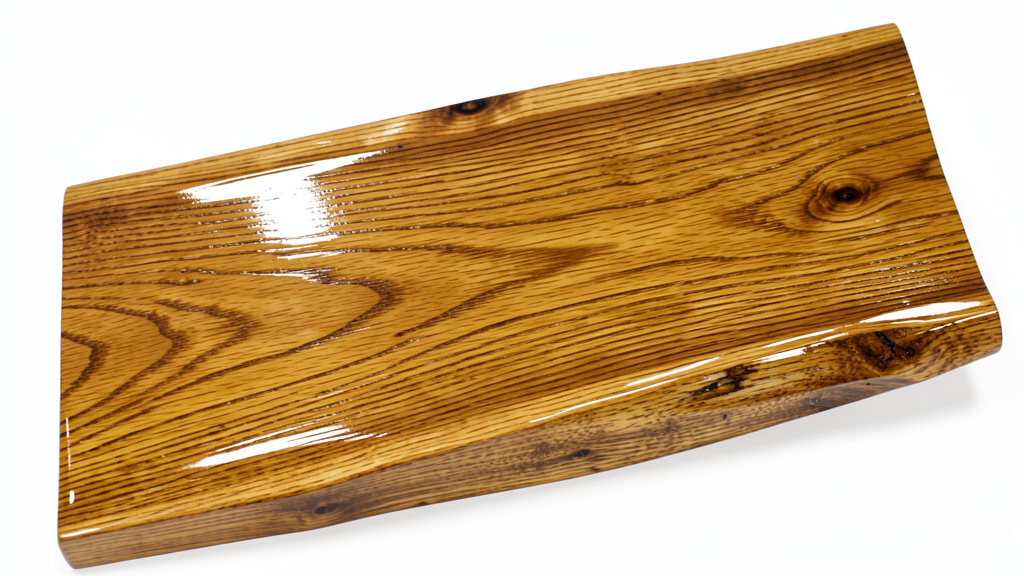
Unlock the hidden character of your wood projects with thoughtful techniques for selecting, applying, and maintaining stains and clear finishes—transforming raw timber into pieces crafted to endure while honoring wood’s innate artistry.
Wood possesses a quiet magic. Beneath its surface lies a universe of swirling grain patterns, subtle color variations, and tactile textures shaped by growth, climate, and character. Yet raw wood remains vulnerable. Without thoughtful protection, sunlight fades its warmth, moisture invites warping, and daily use leaves scars. The true artistry of woodworking unfolds not in the cut of the saw, but in the careful application of stain and clear finishes—processes that don’t merely coat wood, but reveal it. This guide synthesizes established woodworking principles, conservation standards, and contemporary product advancements to provide reliable, actionable guidance. We’ll journey deep into the relationship between wood and finish: understanding how cellular structure influences absorption, why certain resins enhance figure while others mute it, and how technique transforms vulnerability into lasting beauty. Whether you’re refinishing a family heirloom, crafting outdoor furniture, or preserving reclaimed wood, you’ll gain the knowledge to make intentional choices that celebrate wood’s natural beauty across seasons and uses.
Introduction: Where Science Meets Soul
Finishing wood to enhance and protect its natural beauty is a practice refined across generations, with techniques validated by both artisan tradition and modern material science. Contemporary research, including studies published in peer-reviewed journals such as the Journal of Coatings Technology and Research, indicates that water-based acrylics have made significant strides in performance—offering reduced environmental impact while maintaining robust protection in many applications. Yet technology alone is insufficient. Achieving consistent results often depends on understanding why cherry may react uniquely to certain oils, why pine absorbs stain unevenly, or why ambient humidity affects drying. This guide consolidates material science, time-tested techniques, and practical application into a cohesive philosophy: honor the wood first. Every recommendation—from sanding sequences to topcoat selection—is filtered through this lens. We’ll move beyond product lists to cultivate deeper understanding, empowering you to adapt techniques to your specific wood, environment, and project goals. Your hands hold the final brushstroke in wood’s journey; let’s ensure it’s a thoughtful one.
The Wood-First Framework: Three Pillars to Thoughtful Finishing
Forget generic checklists. True mastery begins by recognizing wood as an active participant—not a passive canvas. Its density, porosity, resin content, and moisture history directly influence how finishes behave. The Wood-First Framework centers this reality through three interdependent pillars. Neglecting any pillar may lead to common challenges: blotching on maple, premature peeling on cedar, or a film that obscures walnut’s liquid depth. Mastering all three fosters finishes that feel intentional, as though the wood’s character was gently amplified.
The Fundamental Principle: A finish should whisper the wood’s story—enhancing grain, figure, and character without obscuring the natural beauty beneath.
Pillar 1: Understand the Wood – The Foundation of Flawless Finishing
Why Wood Anatomy Guides Your Approach
Wood is a composite of cellulose fibers (providing strength), lignin (the binding matrix), and extractives (natural oils, tannins, resins). These vary significantly by species, creating distinct finishing considerations:
– Open-pored woods (oak, ash, mahogany): Large vessels absorb finish deeply, creating dramatic grain contrast. Consideration: Stain may pool in pores, causing dark speckling if not sealed first.
– Closed-pored woods (maple, birch, cherry): Tight grain resists absorption, yielding smooth surfaces. Consideration: Stain may sit unevenly, leading to blotchiness without pre-conditioning.
– Resinous woods (pine, cedar, redwood): Sap channels repel water-based products. Consideration: Sap may migrate through finishes over time, especially in warmer conditions.
– Tannin-rich woods (oak, chestnut, teak): Natural acids may react with certain finishes. Consideration: Water-based products can sometimes cause temporary graying on oak; steel wool + vinegar creates intentional ebonizing (a controlled chemical reaction).
Practical example: Restoring an oak table? Its open pores may benefit from a pore-filling step before topcoating for a smoother surface. Finishing a maple cutting board? Its tight grain requires food-safe oil rubbed deeply to protect against moisture ingress. Aligning technique with wood traits prevents common frustrations.
Decoding Grain Patterns: Your Visual Roadmap
Grain is both aesthetic and functional—it guides sanding direction and finish application:
– Straight grain (many softwoods): Sands predictably. Follow the grain direction consistently to avoid visible cross-scratch shadows.
– Interlocked grain (sapele, mahogany): Fibers change direction annually. Sanding with the grain in one area may mean sanding against it nearby. Adaptation: Use a random-orbit sander with fine grits (180+) and light, even pressure.
– Curly/wavy grain (tiger maple, koa): Light reflects dynamically across ripples. Aggressive sanding can flatten this visual texture. Adaptation: Stop sanding at 150 grit; use wiping varnishes that settle into valleys to accentuate figure.
– Burl/swirl grain (walnut burl, elm): Highly irregular surface. Adaptation: Hand-sand with folded sandpaper to conform to contours; avoid thick film finishes that may pool.
Helpful practice: Hold wood at a 45-degree angle under raking light (a desk lamp works well). Scratches invisible under overhead light become visible shadows. This “light test” before finishing helps catch issues early.
Moisture Content: A Critical Timing Factor
Wood expands and contracts with humidity changes. Applying finish to wood with elevated moisture content (common in reclaimed lumber or outdoor-stored stock) risks trapping vapor, potentially leading to blisters, cracks, or delamination as the wood moves. A moisture meter ($25–$50) is a worthwhile investment. Typical target ranges:
– Indoor furniture: 6–8% (after acclimating in your workshop environment)
– Outdoor projects: 12–15% (allows for seasonal movement)
– Important nuance: Thick stock (>1.5″) acclimates slowly. Allow approximately one week per inch of thickness in your intended environment before measuring. Surface readings may not reflect core moisture—patience here prevents future issues.
Pre-Finishing Preparation: Beyond “Just Sand It”
Sanding creates microscopic texture for mechanical adhesion—but technique matters:
– Grit progression: Jumping from coarse to fine grit (e.g., 80 to 220) can leave scratches highlighted later by stain. Recommended sequence: 80 → 100 → 120 → 150 → (180 for water-based finishes). Avoid skipping more than one grit level.
– After sealer application: Sealers often raise wood fibers. Lightly sand with the grain using 320-grit stearated paper (resists clogging) before topcoating.
– Dust removal protocol: Compressed air can force dust deeper into pores. Instead:
1) Vacuum thoroughly with a HEPA-filtered shop vac,
2) Wipe with a tack cloth (lightly waxed cheesecloth),
3) For oil-based finishes: lightly dampen a microfiber cloth with mineral spirits; for water-based: use distilled water.
4) Final inspection under raking light.
One speck of dust becomes visible under clear coat.
Learning moment: A woodworker once noticed faint swirl marks after applying polyurethane to cherry. Cause? Sanding the sealed surface with 220 grit—too coarse for the raised fibers. Solution: After sealer dries, use 400-grit dry sanding sponge with feather-light pressure. This reinforces why preparation is foundational.
Pillar 2: Choose the Finish – Matching Product to Purpose and Context
Stain Deep Dive: Colorants vs. Protection
Stains add color but do not protect wood—only topcoats provide protection. Confusing these roles is a common source of disappointment.
| Stain Type | Best Suited For | Use with Caution On | Key Characteristics | Practical Tip |
|---|---|---|---|---|
| Oil-Based | Deep penetration, warm tones, forgiving open time | Projects needing quick turnaround; spaces with ventilation constraints | Amber tint develops over time; longer dry time (8–24h) | Wipe with grain using lint-free cloth; wait 5 mins, then wipe across grain to lift excess from pores |
| Water-Based | Light woods (maple, birch); crisp color accuracy; lower odor | Resinous woods (pine); cold workshops (<60°F/15°C) | Dries clear; minimal ambering; may raise grain | Lightly mist wood with water, let dry 1 hour, sand raised fibers with 320 grit before staining |
| Gel Stain | Blotch-prone woods (pine, cherry); vertical surfaces; beginners | Fine-pored woods needing subtle enhancement | Thick viscosity sits on surface; glaze-like effect | Apply with foam brush in circular motion, then smooth with grain; less wiping needed |
| Dye Stain | Enhancing figure (curly maple); transparent color layers | Woods with large pores (oak); areas with direct UV exposure | Molecular-level penetration; preserves grain visibility | Mix powdered dye in denatured alcohol (fast dry) or water (slow dry); test on scrap—colors shift when dry |
| Reactive (Chemical) | Creating antique effects; ebonizing high-tannin woods | Projects requiring precise color matching | Reacts with wood chemistry (e.g., iron acetate darkens oak) | Make iron acetate: steel wool + white vinegar, steep 1 week; strain; apply to high-tannin wood |
Important note: “Natural” stain often contains subtle pigments to counteract wood’s inherent yellowing. For truly clear enhancement, skip stain and use a clear penetrating oil (like pure tung oil) followed by a compatible clear topcoat. Always test on a scrap of your actual wood first.
Clear Finish Showdown: Protection Aligned with Use
Clear finishes form protective films. Selection depends on project use, environment, and desired aesthetic.
| Finish Type | Durability | Drying Time | Ideal Applications | Considerations |
|---|---|---|---|---|
| Polyurethane (Oil-Based) | High | 24h recoat | High-traffic floors, tabletops, protected outdoor furniture | Amber tint develops; requires mineral spirits cleanup |
| Polyurethane (Water-Based) | High | 2–4h recoat | Light woods, children’s furniture, indoor projects | May raise grain; cooler appearance on warm-toned woods |
| Conversion Varnish | Very High | 4–6h recoat | Commercial cabinets, bar tops, heirloom pieces | Typically requires spray equipment; professional ventilation |
| Tung Oil / Linseed Oil | Moderate | 24–72h per coat | Cutting boards, tool handles, rustic indoor furniture | Requires periodic reapplication; limited water resistance |
| Shellac | Moderate | 30–60 mins | Antique restoration, sealing knots, French polish | Dissolves in alcohol; sensitive to heat/moisture |
| Lacquer | High | ~30 mins | Musical instruments, fine furniture (sprayed) | Requires spray setup; sensitive to humidity during application |
| Hardwax Oil (e.g., Rubio Monocoat) | High | 8–12h | Modern furniture, floors, eco-conscious projects | Precise application needed; higher cost; not ideal for beginners |
Practical insight: Film thickness often matters more than brand. Multiple thin coats of water-based polyurethane (building to 2.5–3.5 mils) typically outperform a single heavy coat of oil-based poly. For critical projects, a wet film thickness gauge ($15) helps achieve target buildup:
– Decorative boxes: 1.5–2 mils
– Dining tables: 2.5–3.5 mils
– Outdoor furniture: 3.5–4.5 mils (with UV inhibitors)
Sheen Levels: It’s About Light Interaction
Sheen affects how light interacts with the surface—not just “gloss level”:
– Matte (5–10 GU): Scatters light; hides minor imperfections; contemporary feel. Ideal for: Walls, modern furniture, art frames.
– Satin (20–35 GU): Balanced reflection; versatile and forgiving. Ideal for: Cabinets, doors, most furniture.
– Semi-Gloss (40–65 GU): Noticeable shine; emphasizes depth. Ideal for: Trim, molding, statement tables.
– Gloss (70+ GU): Mirror-like; reveals surface quality. Ideal for: Bar tops, instruments, focal pieces.
Helpful practice: Sample sheens on your actual wood under your room’s lighting. A satin finish in daylight may appear matte under warm LED bulbs. When uncertain, satin offers the most adaptable result for beginners.
Environmental & Safety Considerations
- VOC Regulations: Many regions (California CARB, EU, Canada) have strict VOC limits. Water-based finishes often comply (<100 g/L); traditional oil varnishes may exceed 300 g/L. Verify product labels and local requirements, especially for outdoor projects.
- Ventilation essentials: Even “low-odor” finishes release solvents. Use an N95 respirator with organic vapor cartridges (not a dust mask). Position box fans in windows blowing outward to create negative pressure and draw fumes away.
- Thoughtful choices: Look for:
- Bio-based resins (e.g., soy-modified polyurethanes)
- Third-party certifications (Green Seal, Greenguard Gold)
- Recycled packaging
Note: “Natural” oils require significant processing energy. Water-based acrylics often have a lower lifecycle environmental impact despite synthetic origins—research aligns choices with your values.
Pillar 3: Master the Application – Technique, Timing, and Adaptation
Surface Preparation Ritual (Revisited with Precision)
Preparation consumes most of the time—and determines the outcome. Follow this sequence:
1. Final sanding: Use fresh sandpaper. Dull paper burns wood, sealing pores. Sand only with the grain using consistent pressure. Verify with pencil lines: draw a light grid; sand until lines disappear uniformly.
2. Vacuum thoroughly: Remove bulk dust with a HEPA-filtered shop vac, especially in corners and joints.
3. Tack cloth pass: Wipe surface in one direction. Discard cloth after one pass—reusing redistributes grit.
4. Solvent wash (if using oil-based finishes): Dampen lint-free cloth with mineral spirits; wipe surface. Evaporating solvent lifts embedded dust. Wait 15 minutes before proceeding.
5. White glove test: Run a clean white cotton glove over the surface. Any gray smudge indicates more cleaning is needed.
Application Methods: Tools Shape Outcomes
| Method | Compatible Finishes | Skill Level | Advantages | Limitations | Key Technique |
|---|---|---|---|---|---|
| Natural Bristle Brush | Oil-based poly, varnish | Intermediate | Smooth flow; traditional control | Brush marks if rushed; cleanup intensive | Load brush 1/3 up bristles; tip off strokes with grain using light pressure; maintain “wet edge” |
| Foam Brush | Water-based poly, gel stain | Beginner | Inexpensive; no bristle shedding | Can leave bubbles; less flow control | Dip only tip; apply thin coats; discard after one use |
| Lint-Free Rag | Wiping varnish, oils, gel stain | All levels | No brush marks; intuitive | Inconsistent thickness | Fold rag into 2″x2″ pad; apply in small circles, then smooth with grain |
| HVLP Sprayer | Lacquer, conversion varnish, water-based | Advanced | Glass-smooth finish; efficient coverage | Equipment cost; overspray management | Thin per manufacturer; 6–8″ distance; overlapping passes at 50% width |
| Pad Applicator | Water-based finishes, stains | Beginner | Ergonomic; minimal bubbles | Harder to control edges | Use high-density foam pads; replace when saturated |
Brush technique example: For oil-based polyurethane on a tabletop:
– Choose a 2″ quality synthetic “finish” brush.
– Dip brush, tap sides gently against can (avoid wiping excess).
– Start 2″ from edge; flow finish onto surface in 12″ strokes with grain.
– Without reloading, “tip off” by lightly dragging dry brush with grain to level ridges.
– Work in sections to maintain a wet edge.
– Clean immediately in mineral spirits; reshape bristles; hang to dry.
Drying vs. Curing: Patience as Process
- Dry to Touch: Surface feels dry (hours). Avoid handling.
- Dry to Recoat: Time specified by manufacturer (e.g., “recoat in 4–6 hours”). Critical: Humidity >70% or temps <65°F (18°C) can significantly extend drying. Use a hygrometer/thermometer to monitor conditions.
- Full Cure: Chemical hardening completes (days to weeks). Polyurethane reaches functional hardness in ~30 days; oils may take 60+ days. Avoid placing heavy objects or using cleaners before full cure.
Humidity consideration: In damp conditions, gentle warmth can aid drying. Place a 60W incandescent bulb (not LED) inside a cardboard box near (not touching) the project to slightly warm the air. Monitor closely and never leave unattended.
Building Depth: The Layered Approach
Thin coats consistently outperform thick ones. Thick applications trap solvents, risking bubbles, wrinkles, or slow curing. A reliable approach:
1. Sealer Coat: Thinned finish (25% mineral spirits for oil-based; 10% water for water-based). Penetrates pores, creates uniform base. Sand very lightly with 320 grit after dry.
2. Build Coats: 2–3 full-strength coats. Sand only if dust nibs appear (use 400 grit dry sanding sponge). Wipe clean after sanding.
3. Final Coat: Unthinned. For satin/matte finishes, do not sand this coat—sanding abrades flattening agents, creating shiny spots.
Luminosity technique: Between build coats, apply a “wiping varnish” (1 part varnish : 1 part mineral spirits). Rub vigorously with cheesecloth. This fills micro-scratches and creates a hand-rubbed glow valued in fine instrument finishing.
Beyond the Basics: Adaptive Techniques for Distinctive Results
Creating Custom Colors Thoughtfully
Generic stain colors rarely match vision perfectly. Understanding color interaction helps:
– Pigments vs. Dyes: Pigments (in most stains) sit on wood, potentially obscuring grain. Dyes penetrate into wood cells, preserving transparency. For deep color without muddiness, dye stains are often preferred.
– Color wheel guidance:
– Counteract reds in cherry: A hint of green tint (complementary color).
– Neutralize yellow in pine: A touch of purple tint.
– Warm cool maple: A dash of amber or red tint.
– Mixing protocol:
1. Start with clear base (water for water-based, mineral spirits for oil).
2. Add universal tinting colorants (UTCs) drop by drop. UTCs are highly concentrated—1 drop per ounce of base is often sufficient.
3. Test on sanded scrap of your actual wood. Stain appearance varies dramatically by species.
4. Let dry completely (colors shift as solvents evaporate).
5. Adjust incrementally: Too orange? Add a drop of blue. Too gray? Add a drop of red.
– Example: For a “weathered driftwood” effect on pine:
– Base: Water-based stain
– Tints: 3 drops raw umber + 1 drop Payne’s gray per ounce
– Apply, wait 2 minutes, wipe across grain to leave color primarily in pores
Layering for Dimension: Glazing and Toning
- Glazing: Applying transparent color between sealer and topcoat adds antique depth.
- Method: After sealer dries, apply gel stain or thinned oil paint with a rag. Wipe immediately—leave color in recesses. Seal with topcoat within 2 hours.
- Use case: Highlighting carved details; simulating aged patina on new oak.
- Toning: Adding subtle color to the topcoat itself.
- Method: Mix 5–10% stain into final clear coat. Apply thin.
- Use case: Unifying color on plywood edges; warming a cool-toned maple table.
Distressing with Purpose: When Texture Tells a Story
Authentic distressing enhances character; random marks feel arbitrary. Targeted techniques:
– Wire Brushing: Drag stiff wire brush across grain on softwoods (pine, cedar). Removes softer springwood, leaving harder summerwood ridges. Reveals dramatic texture. Seal promptly—brushing opens pores to moisture.
– Ammonia Fuming (for oak): Place project in sealed chamber with ammonia solution (1 part household ammonia : 1 part water). Fumes react with tannins, deepening color. Important: This involves hazardous fumes. Only attempt with proper respirator, ventilation, and safety knowledge. For valuable pieces, consult a professional conservator. Historical technique used on Mission-style furniture.
– Controlled Checking: For rustic beams: Apply hide glue wash, let dry. As wood moves seasonally, glue cracks create authentic “checking” patterns. Never use on structural elements.
Outdoor Finish Strategy: Working With the Elements
Outdoor wood faces UV rays (fading), moisture (swelling), and biological factors (mold). Strategy matters more than any single product:
– UV protection is non-negotiable: Choose finishes with explicit UV inhibitors (look for “Hindered Amine Light Stabilizers” or HALS on label). Clear finishes without UV protection may allow graying within months.
– Penetrating Oils vs. Film Formers:
– Penetrating oils (e.g., spar urethane oils): Soak deep; move with wood; no peeling. Require reapplication every 1–2 years. Best for: Decks, siding, complex shapes.
– Film formers (e.g., marine varnish): Create protective shell; superior initial barrier. May peel/crack as wood moves. Best for: Smooth outdoor tables (with annual maintenance).
– Critical Prep for Outdoor Wood:
1. Clean with oxygen bleach (avoid chlorine—it damages fibers).
2. Brighten with oxalic acid solution to remove tannin stains.
3. Let dry completely (7+ dry days). Moisture trapped under finish causes blistering.
– Seasonal timing: Plan application for dry, mild weather—typically spring or fall in temperate climates. Avoid high humidity, rain, or temperature extremes (<50°F or >90°F).
– Maintenance cycle:
– Year 1: Apply 3 coats of quality spar urethane.
– Year 2: Lightly sand, apply 1 maintenance coat.
– Year 3: Repeat.
Preventative note: Never let finish deteriorate to bare wood—recovery requires significant effort.
Troubleshooting Common Finish Challenges: Diagnosis and Adaptation
Blotching on Maple, Cherry, or Pine
- Cause: Uneven density causes random stain absorption, common on closed-pore woods.
- Prevention:
- Pre-stain conditioner: Apply 5–10 mins before staining. Fills pores uniformly. (Match conditioner type to stain: oil-based with oil stain.)
- Gel stain: Sits on surface; minimizes absorption variation.
- Diluted shellac: 1 lb cut (1 part shellac flakes : 2 parts denatured alcohol). Seal wood, sand lightly, then stain.
- Remediation: Strip completely. Apply conditioner. Restain. Avoid trying to “even out” with extra stain—it often worsens blotching.
Bubbles and Brush Marks
- Cause: Vigorous brushing, thick coats, high humidity, or contaminated tools.
- Prevention:
- Thin finish 10% with appropriate solvent.
- “Tip off” final strokes lightly.
- Work in stable conditions (~70°F / 21°C, ~50% humidity).
- Use quality tools; load properly.
- Remediation (wet): Lightly pass dry brush over surface.
- Remediation (dry): Sand only affected area with 400 grit; recoat entire section to avoid lap marks.
White Haze (Blushing)
- Cause: Moisture trapped in finish during application (high humidity, cold wood).
- Prevention:
- Warm wood to room temperature before finishing.
- Avoid finishing on rainy or humid days.
- Some products include “blush eliminators”—follow label instructions.
- Remediation:
- Light haze: Rub gently with 0000 steel wool + paste wax.
- Severe haze: Sand to bare wood; restart with dehumidifier running if needed.
Peeling or Flaking
- Cause: Poor adhesion due to contamination (wax, oil, dust) or incompatible layering.
- Prevention:
- Degrease wood with naphtha before finishing.
- Never apply water-based topcoat over uncured oil-based stain (wait minimum 30 days).
- Lightly sand between coats for mechanical adhesion.
- Remediation: Strip completely. Clean surface with TSP solution. Rinse. Dry thoroughly. Restart.
Sticky or Tacky Surface
- Cause: Incomplete curing due to cold temps, high humidity, or over-application.
- Prevention:
- Follow recoat times strictly.
- Maintain stable workshop conditions during cure.
- Apply thin, even coats.
- Remediation:
- Early stage: Wipe gently with appropriate solvent (mineral spirits for oil-based); let dry.
- Advanced stage: Wait 2 weeks. If still tacky, sand lightly; apply thin coat of dewaxed shellac to seal; topcoat after 1 hour.
Dust Nibs
- Cause: Airborne particles landing on wet finish.
- Prevention:
- Finish in a clean space: Close windows; run air purifier beforehand; wet-mop floor.
- Strain finish through fine mesh paint strainer.
- Wear dark, lint-free clothing.
- Remediation: After full cure, sand gently with 400–600 grit sanding sponge. Wipe clean. Apply one thin maintenance coat.
Maintaining and Repairing Finished Wood: Sustaining Beauty Over Time
Daily and Seasonal Care Practices
- Dusting: Use a microfiber cloth slightly dampened with distilled water. Avoid feather dusters—they can scratch. For carvings, use a soft artist’s brush.
- Cleaning spills: Blot immediately. For residues, use cloth dampened with equal parts water and white vinegar. Wipe dry promptly. Avoid ammonia-based cleaners—they may degrade finishes over time.
- Polishing: Every 6–12 months, apply paste wax (carnauba or beeswax) with soft cloth. Buff after 20 minutes. Avoid silicone-based polishes—they can create adhesion issues for future refinishing.
- Humidity management: Maintain indoor humidity between 35–55% year-round. Use humidifier in winter, dehumidifier in summer. Stable humidity significantly reduces wood movement and finish stress.
Spot Repairing Scratches and Scuffs
- Light surface scratches (in finish only):
- Rub gently with walnut meat (natural oils may darken scratch).
- Apply paste wax; buff.
- Use a scratch concealer marker matching wood color (test hidden area first).
- Deeper scratches (into wood):
- Clean scratch gently with toothpick.
- Fill with wax stick or colored wood filler.
- Level with credit card edge.
- Blend edges with fine artist’s brush + matching stain.
- Seal with clear finish dabbed on toothpick.
- Water rings (white marks):
- Surface-level: Rub with #0000 steel wool + mineral oil.
- Deeper: Apply mayonnaise (oil penetrates); cover with plastic wrap; wait 1 hour; wipe clean. Repeat if needed.
Full Refinishing: Refresh vs. Strip
- Refresh (no stripping):
- Signs: Finish intact but dull; minor scratches.
- Method: Clean thoroughly. Lightly sand with 220 grit. Apply 1–2 coats of compatible finish. Ideal for: Tables with worn centers but sound edges.
- Strip Completely:
- Signs: Peeling, cracking, deep stains, multiple incompatible finishes.
- Method:
- Choose stripper: Citrus-based (slower, lower odor) vs. methylene chloride-based (faster, requires respirator and ventilation).
- Apply thick coat; cover with plastic wrap to slow evaporation.
- Wait until finish softens (follow product timing).
- Scrape with brass scraper (less likely to scratch wood than steel).
- Neutralize residue per product instructions.
- Sand progressively from coarse to fine grit.
- Critical: Test stripper on hidden area first—some react with certain finishes or dyes.
Preserving Heirlooms: Thoughtful Long-Term Care
- Light exposure: Display away from direct sunlight. UV-filtering window film significantly reduces fading. Rotate objects periodically if possible.
- Handling: Wear cotton gloves. Skin oils can degrade finishes over decades.
- Storage: Wrap in acid-free tissue paper; store in archival box. Include silica gel packs to moderate humidity (replace annually).
- Documentation: Photograph item pre-restoration. Note wood type, finish observations, and repair dates inside drawer or underside. This stewardship honors the object’s journey.
Your Questions, Answered
Q: Can I apply water-based polyurethane over an existing oil-based stain?
A: Yes, but only after the stain is fully cured (minimum 30 days). Lightly sand with 220-grit to ensure adhesion. Test on an inconspicuous area first—some oil-based stains contain additives that may repel water-based topcoats. If beading occurs, apply a coat of dewaxed shellac (1 lb cut) as a barrier sealer; let dry 1 hour before topcoating.
Q: Why does my stain look different on the end grain versus the face grain?
A: End grain absorbs significantly more stain than face grain due to its porous structure. Prevention: Before staining, seal end grain with a 50/50 mix of wood glue and water, or use a dedicated end-grain sealer. Apply with a small brush; let dry 1 hour; sand lightly. This equalizes absorption. For existing projects, carefully apply stain to end grain first, wait 10 minutes, then stain the entire piece.
Q: Is “natural” tung oil truly food-safe for cutting boards?
A: Pure tung oil (100% tung oil, no additives) is generally recognized as safe once fully cured (approximately 30 days). However, many products labeled “tung oil finish” contain varnishes or solvents and are not food-safe. For cutting boards, pharmaceutical-grade mineral oil (reapply monthly) or a beeswax/mineral oil blend are reliable choices. Always verify the product label specifies “FDA compliant for food contact surfaces.” Avoid walnut oil—it can become rancid.
Q: How do I fix stain that dried too dark?
A: Avoid aggressive sanding—it removes wood unevenly. Instead: 1) Lightly sand with 320 grit to scuff the surface. 2) Apply mineral spirits (for oil-based) or water (for water-based) with a clean cloth to reactivate the stain. 3) Immediately wipe vigorously with a dry cloth to lift excess pigment. 4) Let dry 24 hours. If still too dark, repeat once. For severe cases, oxalic acid wood bleach may lighten the wood itself before restaining—follow product instructions carefully.
Q: Can I use the same finish indoors and outdoors?
A: Generally not recommended. Indoor finishes typically lack UV inhibitors and flexible resins needed for outdoor expansion/contraction. Outdoor finishes (like spar urethane) contain more oil for flexibility but may yellow noticeably indoors. Some modern hybrid finishes are explicitly formulated for both—verify the label states “suitable for interior and exterior use.” When uncertain, choose purpose-specific products for optimal performance and longevity.
Q: Why does my clear finish look cloudy on cherry wood?
A: Cherry contains natural compounds that can sometimes react with water-based finishes, causing temporary cloudiness. Solution: 1) Pre-seal cherry with dewaxed shellac (1 lb cut). 2) Consider oil-based polyurethane or conversion varnish instead of water-based. 3) Ensure wood is at room temperature before finishing (cold wood can cause moisture condensation). Always test your chosen finish on a cherry scrap first—reactions can vary.
Q: How many coats of finish are “enough”?
A: It depends on use, finish type, and desired protection:
– Decorative boxes: 2–3 coats
– Bookshelves: 3 coats
– Dining tables: 4–5 coats (build to 2.5–3.5 mils thickness)
– Outdoor furniture: 3–4 coats of marine-grade spar urethane
Practical test: After final coat cures 7 days, press thumbnail firmly. If it leaves a dent, add another coat. For floors, sheen should appear uniform across the surface.
Q: Are “eco-friendly” finishes as durable as traditional ones?
A: Modern bio-based and water-based finishes have advanced significantly. Independent testing (by organizations like Consumer Reports and Fine Woodworking) shows top-tier water-based polyurethanes can match oil-based durability in abrasion and chemical resistance. However, they may lack the traditional amber warmth on some woods. For high-wear surfaces, prioritize finishes with Greenguard Gold certification and published durability data. Scrutinize vague “green” claims—review the Safety Data Sheet (SDS) for VOC content and ingredients.
Q: Can I stain pressure-treated lumber?
A: Only after it’s fully dry (typically 6–12 months post-installation). Verify moisture content is below 15%. Pressure-treated wood contains preservatives that may react with certain stains. Use products labeled “for pressure-treated wood” (often acrylic-based). For decks, penetrating oil stains generally outperform film-forming paints—they accommodate wood movement without peeling. Never stain lumber that feels damp or green; trapped moisture causes finish failure.
Q: How do I match a finish on an antique repair?
A: Matching requires patience and care: 1) Identify the original finish type via solvent tests (denatured alcohol may soften shellac; lacquer thinner affects lacquer). 2) Take high-resolution photos in multiple lighting conditions. 3) Create sample boards with matching wood scraps; experiment with dye stains, glazes, and toners. 4) Apply finish in subtle layers—antiques rarely have uniform color. 5) Gently “age” the repair: lightly rub with tea-stained cloth or artist’s chalk. For valuable antiques, consulting a professional conservator is strongly recommended to avoid irreversible damage.
Q: Why does my brush leave bristles in the finish?
A: Causes include low-quality brushes, improper cleaning (dried finish in ferrule), or aggressive brushing. Prevention: Invest in quality brushes (Purdy, Wooster); clean immediately after use; store brushes suspended by the handle. Remediation: While finish is wet, remove bristles carefully with tweezers. If dry, sand lightly after full cure; apply a thin maintenance coat. For critical projects, strain finish through fine mesh before use.
Q: Is sanding between coats always necessary?
A: Not always—but highly recommended for durability. Sanding removes dust nibs and creates “tooth” for mechanical adhesion between coats. Exception: When applying subsequent coats within the manufacturer’s specified “recoat window” (e.g., water-based poly within 2 hours), sanding may not be required. However, for high-wear surfaces like tabletops or floors, light sanding with 320+ grit between every coat is a best practice for maximum longevity. Skip only on low-use decorative items where perfection is less critical.
Conclusion and Next Step
You now hold more than techniques—you carry a perspective. Wood finishing is not about masking imperfections but revealing essence. It’s the patience to prepare thoroughly, the curiosity to test on scraps, and the humility to learn from outcomes that deepen skill. Remember the three pillars: honor the wood’s nature, choose finishes with intention, and adapt application to your context. These principles serve whether you’re sealing a child’s toy box or preserving a century-old mantelpiece.
Recap: Three Guiding Principles for Beautiful Finishes
1. Preparation is the foundation. Flawless results begin long before the first drop of finish touches the wood.
2. Thin coats build resilience. Rushing with thick applications invites bubbles, wrinkles, and regret.
3. Test on your wood, in your space. Only your own tests reveal how materials will truly behave.
The 24-Hour Rule: After applying stain or the final topcoat, step away. Return the next day. Colors and sheen shift as solvents evaporate and light changes. What appeared perfect at dusk may reveal nuances in morning light. This pause prevents irreversible choices and cultivates the discernment of thoughtful craftsmanship.
The Bigger Picture: Every finished piece carries forward a legacy of care. In a culture of disposability, your choice to enhance natural beauty—to protect a tree’s story with skill and respect—is meaningful stewardship. That dining table will host conversations; that rocking chair will cradle moments; that garden bench will witness seasons. Your finish helps ensure the wood endures not just physically, but emotionally. You are not merely applying product. You are weaving resilience into memory, one thoughtful stroke at a time.
Explore Our Complete System:
The Art of Wood Selection: From Grain to Grandeur | Hand Tool Restoration: Breathing Life into Heirloom Tools | Sustainable Workshop Practices: Eco-Conscious Crafting from Start to Finish | Advanced Joinery Masterclass: Dovetails, Mortise-and-Tenon, and Beyond | Outdoor Wood Care Calendar: Seasonal Maintenance for Decks and Furniture | The Science of Wood Movement: Designing for Humidity and Time | DIY Finish Formulation: Creating Custom Blends for Unique Projects