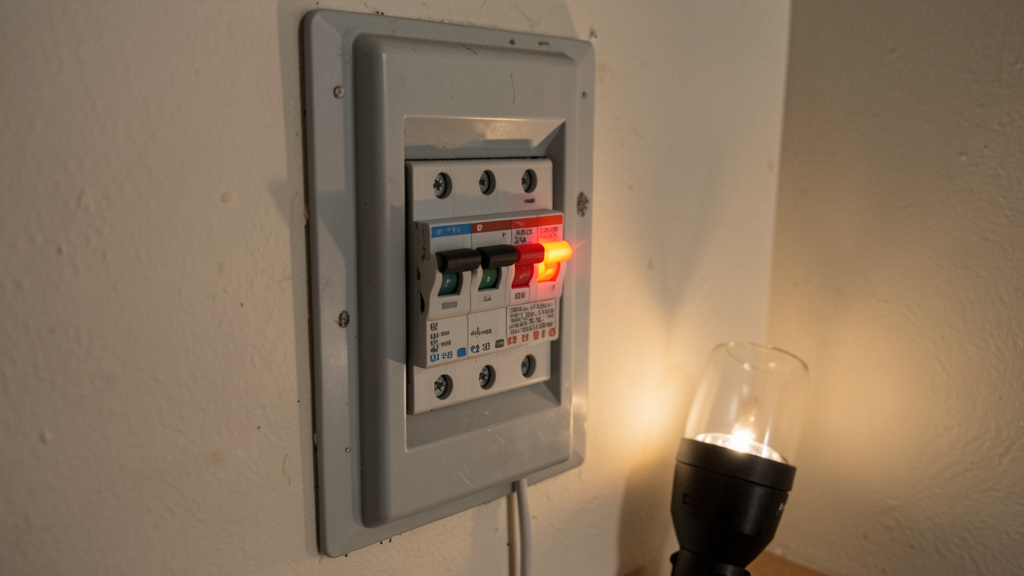
When seconds count: How to react to electrical shocks, fires, and hazards without putting yourself or others at risk—plus when to call a professional and how to prevent future emergencies.
Electrical emergencies demand immediate, informed action. A timely, protocol-driven response can prevent a minor incident from escalating into serious injury, fire, or property damage. Yet confusion about correct procedures—fueled by myths, fragmented advice, or panic—often leads to dangerous choices. This guide synthesizes widely accepted safety principles from organizations including the National Fire Protection Association (NFPA), Occupational Safety and Health Administration (OSHA), American Red Cross, and International Electrotechnical Commission (IEC) into a clear, actionable framework. You will learn how to assess electrical hazards calmly, execute life-preserving steps without increasing danger, recognize signs requiring professional help, and implement practical prevention strategies that strengthen your home’s long-term safety. This is not about performing electrical repairs during a crisis; it is about becoming a knowledgeable guardian of your household’s well-being.
Introduction: Why Electrical Emergencies Demand a Different Mindset
Electricity is invisible, instantaneous, and unforgiving. Unlike a leaking pipe or broken window, electrical hazards operate on scales where human reaction time is often insufficient, and well-intentioned actions can trigger cascading harm. Safety organizations consistently identify electrical incidents as significant contributors to residential fires and injuries worldwide. These are not abstract concerns—they reflect real situations where clarity replaced confusion in critical moments.
Knowledge functions as a powerful insulator. Understanding electricity’s fundamental behavior—how it seeks paths to ground, how moisture amplifies conductivity, how protective devices respond under fault conditions—transforms panic into purposeful action. This guide is built upon safety principles adaptable across regions (with notes on key regulatory distinctions where relevant). A foundational truth emphasized across safety protocols is this: “repair” during an electrical emergency rarely means fixing the electrical fault on the spot. Instead, “safe response” centers on three essential priorities: preserving human life, containing secondary hazards (like fire or smoke), and securing the scene until qualified help arrives. Every recommendation aligns with consensus guidelines from leading international safety authorities. The goal is disciplined, protocol-driven action—not heroism—that prevents a single incident from becoming a multi-victim tragedy.
The S.A.F.E. Response Framework: Your Mental Model for Any Electrical Crisis
When adrenaline surges and seconds feel stretched, a simple, memorable framework bypasses panic and guides methodical action. The S.A.F.E. Response Framework—Stop, Assess, First Aid/Fire Control, Engage Help—is designed for recall under stress and applies universally across scenarios: from a minor outlet spark to a downed outdoor line. This model integrates core tenets from established emergency protocols and safety standards. Internalizing these four sequential phases creates a cognitive anchor that prevents rushed decisions. Crucially, the framework is cyclical: if conditions change during Step 3 (First Aid/Fire Control), immediately revert to Step 1 (Stop) and re-assess. Safety is dynamic, not static.
Step 1: Stop – Halt All Activity and Secure the Immediate Area
The very first action in any electrical emergency is to stop moving, speaking, or interacting with the environment. This deliberate pause is essential. Electricity travels through conductive pathways—including floors, standing water, metal objects, vegetation, and the human body—in unpredictable ways. Rushing toward a hazard without scene assessment risks adding casualties. Your safety is the essential prerequisite for helping others.
Why this step is crucial: In electrical shock incidents, the victim may remain energized. Direct contact transfers current through your body to ground, potentially causing injury or preventing release. In fire scenarios, attempting to unplug a burning appliance without de-energizing the circuit first can trigger dangerous arcing. For downed lines, voltage can radiate through the ground; stepping near the line creates hazardous voltage differences between your feet. “Stop” creates both physical and mental buffer zones.
How to execute “Stop” correctly:
– Witnessing electrical shock: Shout clearly: “STOP! DO NOT TOUCH THEM!” to alert others. Immediately instruct a specific person: “You—call emergency services NOW. Say it’s an electrical emergency.” If alone and the victim is unresponsive, prioritize calling for help unless you can safely cut power within seconds. Maintain distance.
– Observing sparks, smoke, or fire: Cease all activity. Verbally warn others: “Electrical hazard—move away!” Do not investigate closely. If safe without approaching the hazard, close doors to limit potential fire spread, but only if the path is clear and distant from the source.
– Encountering downed power lines (outdoor): Stop at least 30 feet (10 meters) away. If a line contacts your vehicle: STAY INSIDE. Call emergency services. Only exit if fire forces evacuation: jump clear without touching vehicle and ground simultaneously, land with feet together, and shuffle away with tiny heel-to-toe steps (never run or stride). Warn others to stay far back.
Common mistakes to avoid:
– Mistake: Instinctively grabbing a person being shocked.
Why it’s dangerous: Your body may become a path to ground. Even standard household circuits can cause muscle contraction or more severe effects, especially in damp conditions.
– Mistake: Using a household object (broom, chair) to “push” a victim away.
Why it’s dangerous: Common materials may conduct electricity if damp, damaged, or containing hidden metal. Unless you have verified non-conductive equipment and training, this risks electrocution.
– Mistake: Assuming a silent, non-sparking downed line is safe.
Why it’s dangerous: Lines can remain energized without visible signs. Voltage gradients in the ground can be hazardous at significant distances, particularly when wet. Only utility crews can confirm de-energization.
The Fundamental Principle: Your safety is the essential prerequisite for helping others. An unsecured rescuer becomes a second victim, compounding the emergency and diverting critical resources.
Step 2: Assess – Identify Hazards, Power Sources, and Victim Status
With immediate movement halted, shift to rapid, systematic assessment. This phase answers three critical questions: (1) Is the electrical source still active? (2) What secondary hazards exist (fire, water, structural concerns, smoke)? (3) What is the condition of any victims? Assessment must occur from a safe distance initially—using sight, sound, and smell—not touch. Never handle anything until power status is confirmed.
Why this step is crucial: Misjudging the situation leads to dangerous errors. Using water on an electrical fire can spread flames or conduct electricity. Focusing solely on a victim while ignoring fire progression delays evacuation. Assessment transforms uncertainty into actionable awareness. It also determines whether proceeding to Step 3 is safe or if evacuation is the only option.
How to execute “Assess” correctly:
– Locate the power source: Trace visible sparks, smoke, or damage to origin (outlet, cord, panel). Note if circuit protection has activated—but do not assume the circuit is safe. Arcing or ground faults may not trip standard devices immediately. Listen for buzzing or crackling. Smell for acrid odors (burning insulation).
– Check for environmental factors: Is water present (flood, spill, rain)? Are flammable materials nearby (curtains, paper, chemicals)? Is smoke accumulating or ventilation blocked? Are structural elements involved (fire within walls)?
– Evaluate victim status (from distance): If someone contacted an electrical source: Are they moving? Conscious? Note visible burns (especially hands/feet), rigidity, or distress. Remember: electrical injury can cause internal effects not visible externally—cardiac, nerve, or tissue damage. Do not approach until power is confirmed off.
– Use tools only if immediately accessible and safe: A non-contact voltage tester (if part of your preparedness kit) may help verify energization—but only if usable without approaching the hazard zone. Do not search for tools if it delays calling for help.
Scenario-based assessment examples:
– Scenario A: Child inserts object into outlet.
Assessment: Confirm child is no longer in contact. Listen for arcing. Smell for burning. Check if lights dimmed or protection activated. Note outlet discoloration. Assess child’s responsiveness from a safe distance.
– Scenario B: Outdoor cord submerged in puddle during rain.
Assessment: Do not step toward puddle. Observe cord condition. Note nearby people, pets, or water extent. Verify if a GFCI (if present) has tripped.
– Scenario C: Burning smell from wall outlet with no flames.
Assessment: Feel wall near outlet with back of hand from 2+ feet away for heat. Check adjacent rooms for smoke. Determine recent appliance use. Note outlet warmth or discoloration.
Common mistakes to avoid:
– Mistake: Assuming a tripped breaker means the circuit is safe.
Why it’s dangerous: Devices can fail. The fault may exist elsewhere. Verification with appropriate tools by a qualified person is essential before contact.
– Mistake: Focusing only on the victim while ignoring fire or environmental risks.
Why it’s dangerous: Small electrical fires can escalate rapidly. Assessment must be holistic.
– Mistake: Touching a victim to check breathing before confirming power is off.
Why it’s dangerous: If the victim remains energized, contact completes a circuit through you. Approach only after power is confirmed off or the victim is clear.
Step 3: First Aid / Fire Control – Execute Targeted Actions Based on Assessment
Only after completing Steps 1 and 2—and confirming it is safe to proceed—initiate direct intervention. This step branches based on the primary threat: human injury requiring first aid, or fire/environmental hazard requiring suppression. Critical reminder: If at any point you feel unsafe, revert to Step 1 (Stop) and prioritize evacuation. Never risk your life for property.
Sub-Step 3A: Electrical Shock First Aid Protocol
If a victim has been shocked and the power source is confirmed OFF (via main disconnect, unplugging, or verification by a qualified person) or the victim is clear of the source, seek medical attention promptly—even if the victim appears fine. Electrical current can disrupt bodily functions; cardiac effects may emerge later.
Action sequence:
1. Re-verify scene safety: Scan for residual hazards (smoke, water, fire). Ensure no live components threaten you or the victim.
2. Check responsiveness: Gently tap shoulders, ask “Are you okay?” If no response, prepare for CPR if trained.
3. Call EMS if not already done: Provide exact location, number of victims, observed symptoms (burns, unconsciousness), and that it was an electrical incident.
4. Begin CPR if trained and victim is unresponsive/not breathing normally: Follow current guidelines: chest compressions followed by rescue breaths if trained. Use an AED immediately if available—modern units guide the user and are designed for various conditions. Continue until help arrives.
5. Address visible injuries: For burns, cover loosely with a sterile non-adhesive dressing or clean cloth. Do not apply ice, ointments, or home remedies. For suspected fractures (from muscle contraction or falls), minimize movement. Keep the victim calm and warm.
6. Monitor continuously: Note changes in condition. Report details to EMS. Strongly encourage professional medical evaluation—internal effects are not always apparent.
Why this protocol matters: Electrical injuries follow unpredictable paths. A minor external burn may mask significant internal damage along the current’s path. Cardiac monitoring is often recommended due to potential delayed effects. Never dismiss the need for evaluation after an electrical shock.
Illustrative scenario: During a community event, a participant collapsed after contacting faulty equipment. A trained attendee immediately called out “Stop! Don’t touch them!” while directing another to call emergency services. She assessed from a distance: the participant was motionless, and the circuit remained active. She safely deactivated the circuit at a nearby disconnect switch, then checked responsiveness. Finding no breathing, she began CPR. An AED was applied within minutes. The participant recovered fully. Key factors: scene safety prioritized, power confirmed off before approach, immediate CPR/AED. Had rescuers rushed in before securing the scene, additional injuries could have occurred.
Sub-Step 3B: Electrical Fire Suppression Protocol
Electrical fires involving energized equipment require specific suppression methods. Water or standard foam conducts electricity and can worsen the situation or endanger the user. Never use water on an energized electrical fire.
Action sequence:
1. Cut power at the source if safe: If fire is contained to a single appliance and the plug is accessible without reaching over flames, unplug it. Better: turn off the circuit at the main electrical panel—but only if the panel is accessible, dry, and not near fire. This is often the most effective action.
2. Use a Class C (or ABC) fire extinguisher: Aim at the base of flames using PASS technique (Pull pin, Aim low, Squeeze handle, Sweep side to side). Maintain safe distance. Keep back to an exit.
3. If no extinguisher and fire is very small: Baking soda (sodium bicarbonate) may smother flames by releasing carbon dioxide. Pour generously from a safe distance. Never use flour—it is combustible and can cause dust explosions.
4. Evacuate immediately if: Fire spreads beyond the appliance, smoke reduces visibility, heat is intense, or you feel uncertain. Close doors behind you to limit oxygen flow. Activate fire alarms if passing them.
5. After evacuation: Call the fire department even if the fire appears extinguished—hidden embers in walls can reignite later.
Fire classification reference (critical knowledge):
| Fire Class | Fuel Source | Safe Extinguishing Agent | UNSAFE Agents (Risk) |
|————|———————-|——————————–|——————————-|
| Class A | Wood, paper, cloth | Water, foam, ABC extinguisher | None specific |
| Class B | Flammable liquids | CO2, dry chemical | Water (spreads fire) |
| Class C| Energized electrical | CO2, dry chemical (ABC/BC) | Water, foam (electrocution risk) |
| Class K | Cooking oils/fats | Wet chemical | Water (causes splatter) |
Common mistakes to avoid:
– Mistake: Using a water-based extinguisher on an electrical fire.
Consequence: Risk of electrocution; water may conduct current or spread burning material.
– Mistake: Opening windows to “ventilate” smoke during an electrical fire.
Consequence: Introducing oxygen may accelerate fire growth.
– Mistake: Attempting to move a burning appliance.
Consequence: Disturbs fire, spreads embers, risks contact with live parts or burns.
Step 4: Engage Help – Coordinate Professional Intervention
Even after immediate danger is contained, professional assessment is typically necessary. Electricity can cause hidden damage—compromised insulation, weakened conductors, latent fire risks from arcing. Engaging help involves two critical tiers: emergency responders (for active threats) and licensed electricians (for post-crisis evaluation and prevention).
How to engage help effectively:
– During active emergency: When calling emergency services, state clearly: “This is an electrical emergency.” Specify: “Electrical shock victim,” “Electrical fire involving wiring,” or “Downed power line near pedestrian area.” This helps responders prepare appropriate equipment. Provide exact location, cross streets, and access details.
– After immediate threat is neutralized: Contact a licensed electrician promptly—even for seemingly minor incidents like a tripped circuit that reset successfully. Describe exactly what occurred: “An outlet sparked when plugging in a lamp, tripping the circuit. The outlet now feels warm.” A professional can inspect for arc damage, loose connections, or overload risks that could recur.
– Documentation protocol: Take clear photos of damage (from a safe distance) before cleanup. Note time, date, weather, preceding events (e.g., “during a storm”), and actions taken (e.g., “Circuit #5 was turned off at 3:15 PM”). This aids diagnosis, insurance processes, and future prevention.
Why professional evaluation matters: Safety analyses indicate that many electrical fires originate from unaddressed warning signs like repeated circuit trips, flickering lights, or warm outlets. Post-incident professional evaluation is a critical safety layer. Additionally, in most regions, repairs to damaged electrical systems must be performed by licensed professionals to comply with building codes and maintain insurance validity. Attempting DIY repairs after an emergency may compromise safety and coverage.
Scenario Deep Dives: Applying the S.A.F.E. Framework to Real-World Emergencies
The S.A.F.E. Framework provides the backbone, but real emergencies unfold with nuanced variables. This section walks through five high-probability scenarios with granular, step-by-step guidance. For each, we highlight subtle decision points, regional considerations, and insights grounded in safety reporting.
Scenario 1: Responding to an Electrical Shock Incident Indoors
Typical trigger: Contact with a faulty appliance, damaged cord, or exposed outlet terminal. Common in kitchens, bathrooms, or workshops.
S.A.F.E. Application:
– Stop: Shout “STOP! DO NOT TOUCH THEM!” to prevent others from rushing in. Designate someone to call emergency services immediately. If alone and the victim is unresponsive, assess: can you safely cut power within seconds? If yes, do so; if no, call for help first—timely CPR is critical.
– Assess: Is the victim still contacting the source? Can you see the cord or plug? Is the circuit protection accessible? Listen for arcing sounds. Smell for burning. Note the victim’s position (e.g., hand on outlet, near water).
– First Aid/Fire Control: ONLY if you can safely cut power (unplug without reaching over the victim, or deactivate the correct circuit): Do so immediately. Verify de-energization if possible with appropriate tools. Then proceed to first aid. If you cannot safely cut power: Do NOT attempt rescue. Keep others back. Shout reassurance if the victim is conscious. Wait for emergency responders—trained personnel have insulated equipment. Rare exception: Only if a verified non-conductive object (dry fiberglass rod) is immediately available, you are on a confirmed dry insulating surface, and you are trained—and only as a last resort with no hope of rapid professional arrival—might pushing the victim clear be considered. This carries significant risk; evacuation and calling help is almost always safer.
– Engage Help: Emergency medical evaluation is essential for any shock incident. Later, hire an electrician to inspect the entire circuit—not just the visible point of failure. Document details.
Critical nuance: Alternating current (AC), standard in most homes, can cause sustained muscle contraction at certain levels, potentially preventing release from the source. Direct current (DC), found in some battery or solar systems, may cause a single violent reaction. Always assume AC in residential settings unless confirmed otherwise. This influences rescue strategy: AC shock victims may be “locked on,” requiring power cutoff; DC incidents may involve fall injuries.
Regional considerations:
– North America: Focus on GFCI protection in wet areas (required in newer installations).
– UK/EU: Plugs often contain fuses; a blown fuse may have interrupted fault current—but never assume safety without verification. Ring circuits require specific knowledge.
– Universal principle: Response protocol remains consistent globally: secure scene, cut power if safe, render aid. Local regulations primarily affect prevention standards, not emergency response actions.
Myth clarified: “Rubber-soled shoes guarantee safety.” While dry rubber soles offer some insulation, they are not rated for electrical hazard protection. Moisture, dirt, or wear compromises effectiveness. Never rely on footwear alone to approach a potential hazard.
Scenario 2: Electrical Fire in the Kitchen (Appliance Ignites)
Typical trigger: Internal fault, grease near heating elements, or cord damage causing arcing. Kitchens are common locations for electrical fire incidents.
S.A.F.E. Application:
– Stop: Cease activity. Shout “Electrical fire—evacuate the area!” Warn others. Do not open the appliance door if fire is contained inside—this feeds oxygen.
– Assess: Is fire contained to the appliance? Is the plug accessible without reaching over flames? Is a Class C fire extinguisher nearby? Check smoke alarm status. Note nearby combustibles (towels, curtains).
– First Aid/Fire Control: If the plug is accessible and safe: unplug immediately. If not, go directly to the electrical panel and deactivate the circuit (or main disconnect if unsure). Only after power is confirmed off use a fire extinguisher or baking soda. If fire spreads to cabinets or walls, evacuate immediately—close the door behind you.
– Engage Help: Call the fire department even if extinguished. Hidden fire within walls is a known risk. Have an electrician inspect the circuit, replace the appliance, and verify protective device functionality.
Myth clarified: “Smothering with a wet towel works.” A dry wool blanket may smother small non-electrical fires, but a wet towel conducts electricity if the appliance remains energized. Never use wet materials on electrical fires until power is confirmed off. This misconception has contributed to rescuer injuries.
Prevention insight: Arc-Fault Circuit Interrupters (AFCIs) detect dangerous arcing conditions (like damaged wires inside an appliance) and deactivate power before fire ignites. Required in many newer residential installations in North America for living areas; similar protection exists elsewhere (e.g., RCBOs in some regions). Professional installation is necessary. This upgrade is widely recognized as a significant fire prevention measure. Regular visual inspection of cords and plugs remains essential—age does not guarantee safety.
Scenario 3: Water Meets Electricity (Flooded Area or Spilled Liquid)
Typical trigger: Basement flooding, aquarium leak onto a power strip, spilled drink near a charger, or outdoor cord in a rain puddle.
S.A.F.E. Application:
– Stop: Do not enter standing water. Do not touch wet appliances, cords, or outlets. Shout warnings to others.
– Assess: How extensive is the water? Is the main electrical panel located in the affected area? Are protective devices (like GFCIs) present and activated? Assess risk to people or pets near the water.
– First Aid/Fire Control: If safe to access the main disconnect BEFORE the panel gets wet: Turn off main power. If the panel is already wet or inaccessible, contact the utility company to disconnect power at the meter—do not attempt yourself. Never unplug devices while standing in water. If someone is in electrified water and unresponsive: do not enter the water. Call emergency services immediately. Only trained rescuers with appropriate gear should attempt extraction.
– Engage Help: After power is off and water recedes, hire a licensed electrician to inspect ALL affected components—outlets, switches, wiring, appliances, panel. Water causes corrosion that creates future hazards. Do not restore power until cleared by a professional. Document damage for insurance purposes.
Critical guidance: If a person is in electrified water and not moving, resist the urge to pull them out. You risk becoming a second victim. Instead:
1. Shout to alert others.
2. Call emergency services immediately.
3. If a verified non-conductive object is immediately available and you are on a confirmed dry insulating surface and you are trained—you may consider pushing the victim away from the source, but only without entering the water zone.
4. If no safe option exists, secure the perimeter and wait for professionals. Restraint in this moment saves lives.
Tool consideration: A battery-powered weather radio provides critical updates during floods without relying on grid power. Include one in your emergency supplies.
Regional note: In flood-prone areas, local building practices may recommend installing electrical panels and critical outlets above projected flood levels. Consult local guidelines for property-specific advice.
Scenario 4: Exposed Wiring or Damaged Outlet (No Active Fire/Shock)
Typical trigger: Rodent damage, aging infrastructure, DIY project error, or construction damage exposing terminals.
S.A.F.E. Application:
– Stop: Restrict access to the area. Place a visible barrier (chair, tape) to prevent accidental contact. Deactivate the circuit at the panel if safe to do so.
– Assess: Is the exposed wiring likely live? (Use a non-contact tester only if trained and safe.) Is damage minor (frayed cord end) or severe (melted insulation, charring)? Are children or pets at immediate risk? Note location (high-traffic area? near moisture?).
– First Aid/Fire Control: For minor appliance cord damage: Unplug the device. Cut off the damaged section. Install a new plug end only if skilled and power is confirmed off, or replace the entire cord. For outlet or in-wall wiring damage: Turn off the circuit. Place electrical tape over exposed terminals temporarily—but this is not a repair. Label the circuit “OFF – DO NOT ACTIVATE.” Install a child-safety cap over the outlet if accessible.
– Engage Help: Schedule an electrician promptly. Document the issue with photos. If damage is pest-related, address the root cause (pest control) to prevent recurrence.
Adaptive repair pathways:
– Ideal path: Replace damaged components per current electrical standards. Includes professional testing of circuit integrity.
– Temporary measure (until professional repair): After deactivating power and verifying with appropriate tools, secure disconnected wires with wire nuts and electrical tape, then install a tamper-resistant safety cap. This is strictly interim—not a permanent solution.
– Urgent situation: If the circuit protection will not stay off or you cannot access the panel safely, evacuate the immediate area, close the door, and contact an emergency electrician. Place visible warning signs.
Why this scenario demands attention: Exposed wiring may not spark immediately but can arc intermittently when disturbed (e.g., by vibration, thermal changes). Arcing generates intense heat capable of igniting nearby materials. Intermittent arcing is a documented factor in fires with elusive origins. Never ignore exposed wiring, even if dormant.
Prevention tip: Tamper-resistant receptacles (TRRs) have spring-loaded shutters that help prevent foreign object insertion. Required in many newer residential installations; retrofit kits are available for existing outlets. This is a widely recommended child safety measure.
Scenario 5: Downed Power Line on Property or Vehicle Contact
Typical trigger: Storm damage, vehicle accident, construction error, or tree fall causing overhead lines to contact ground, fence, vehicle, or structure.
S.A.F.E. Application:
– Stop: Stay at least 30 feet (10 meters) away—more for larger transmission lines. If a line contacts your vehicle: STAY INSIDE. Call emergency services. Warn others to stay far back. If fire forces evacuation: jump clear without touching vehicle and ground simultaneously, land with feet together, shuffle away with tiny heel-to-toe steps.
– Assess: Is the line sparking? Touching fence, tree, puddle, or structure? Are others (children, pets) nearby? Note utility company identifiers on nearby poles. Assess weather (rain increases ground conductivity).
– First Aid/Fire Control: DO NOT attempt rescue, move the line, or approach. If someone is in contact with the line, instruct them to stay still and wait for help. If they must move (e.g., vehicle fire), coach them through the jump-and-shuffle technique. If fire is present and safe to do so from a great distance, use water to cool nearby combustibles only if utility personnel confirm the line is de-energized (unlikely immediately).
– Engage Help: Call emergency services AND the local utility company immediately. Provide exact location and hazards (“line touching fence near playground”). Wait for utility crews—they are trained and equipped for this hazard. Secure the perimeter until they arrive.
Step potential explained: When a live wire contacts the ground, voltage radiates outward. If you stand with feet apart near the line, a voltage difference can exist between your feet, causing current to flow through your body. Shuffling with feet together minimizes this difference. Running or taking large steps increases risk. Teach children: “If you see a downed line, shuffle away like a penguin—feet together!”
Regional variations:
– Rural areas: Utility response times may be longer. Your role in securing the perimeter using cones, tape, or parked vehicles (at a safe distance) is critical. Alert neighbors if safe.
– Urban areas: Downed lines near traffic require immediate notification to authorities to stop vehicles and pedestrians.
– Global note: Voltage levels vary by region and line type. All downed lines must be treated as energized and hazardous regardless of size or apparent activity. Never assume a small line is “just telephone.”
Documented insight: Incidents have occurred where individuals attempted to move downed lines with tools believed to be non-conductive, resulting in injury due to unexpected conduction (moisture, contamination). This underscores: only trained utility professionals should approach downed lines.
Building Your Electrical Emergency Preparedness Kit
Preparation builds confidence. A dedicated kit, stored in an accessible, dry location (avoid flood-prone areas like basements if applicable), ensures you have critical tools during the initial moments of an emergency. Below is a prioritized list with rationale. Customize based on your home’s age, location, and specific risks (e.g., flood zone, older wiring, workshop).
Essential Kit Contents (Core Items)
- Class C or ABC Fire Extinguisher (minimum 2.5 lb): Mounted near kitchen exit and garage. Check pressure gauge monthly. Verify certification mark (UL, ETL, or regional equivalent). Recharge or replace per manufacturer guidelines.
- Non-Contact Voltage Tester (NCVT): Battery-operated device that indicates proximity to voltage. Test monthly on a known live circuit (if trained and safe). Keep spare batteries. Choose one with auto-shutoff. Note: If you do not have this tool, do not attempt verification—assume circuits are live and proceed with extreme caution.
- Bright LED Flashlight (Hand-Crank or Battery): With fresh batteries. Avoid open flames (candles). Include extra batteries stored separately.
- Comprehensive First Aid Kit: Include burn care supplies (non-adhesive dressings, burn gel packets), triangular bandages, nitrile gloves, CPR face shield. Refresh annually.
- Laminated Emergency Contact List: Printed list of local emergency numbers, utility emergency line, pre-vetted electrician, insurance contact. Include a simple diagram of your electrical panel layout.
- Battery-Powered AM/FM/NOAA Weather Radio: For emergency broadcasts during outages. Test monthly.
- Electrical Tape and Wire Nuts: For temporary securing of disconnected wires only after power is confirmed off by a qualified method.
- Rubber Mat or Dry Wooden Board (approx. 12″x12″): To stand on when near potentially energized areas after power is cut (adds an insulation layer). Store flat.
Recommended Additions (Context-Dependent)
- GFCI Outlet Tester: Verifies function of Ground Fault Circuit Interrupters. Critical for wet-area safety checks.
- Emergency Whistle: For signaling if trapped. Attach to kit handle.
- N95 Respirator Masks (2–3): For smoke or dust protection during evacuation.
- Waterproof Pouch: For storing insurance documents, panel photos, contacts.
Kit Maintenance Protocol
- Monthly: Check fire extinguisher gauge (needle in operational zone). Test flashlight/radio batteries. Verify contact list is current. Test NCVT if available and trained.
- Quarterly: Review emergency procedures with household members. Practice locating and retrieving the kit. Discuss roles: “Who calls 911? Who secures the area?”
- Biannually: Inspect tools for damage. Replace expired first aid items.
- Annually: Replace batteries. Update contacts. Review panel labels. Consider a professional electrical safety inspection.
Why practice matters: Assembling a kit is only the first step. Muscle memory saves critical seconds. Schedule brief quarterly drills: simulate a tripped circuit scenario. Have family members locate the panel, identify the correct circuit, and “deactivate power” (verbally). Practice grabbing the kit. Discuss roles. This transforms knowledge into instinct.
Placement tip: Store the kit in a brightly colored, waterproof container mounted near the main electrical panel—but not blocking access. Label clearly: “ELECTRICAL EMERGENCY KIT.” Ensure all responsible household members know its location.
When to Call a Professional: Clear Decision Guidelines
Despite preparation, some situations require immediate professional intervention. Memorize these clear triggers—attempting DIY in these cases risks safety, property, and insurance coverage. This section provides decision boundaries often unclear in fragmented online advice.
Clear “Call Immediately” Scenarios
- Any electrical shock incident involving loss of consciousness, visible burns, pain/numbness, cardiac symptoms, or fall/impact injury—even if the person seems recovered.
- Electrical fire that cannot be controlled quickly, spreads beyond the originating appliance, involves walls/ceilings, or produces significant smoke.
- Visible damage to the main electrical panel: scorching, melting, unusual sounds, burning smell, or water exposure.
- Water contact with the electrical panel, subpanels, or major wiring: flood, leak, or storm surge.
- Downed power lines on or near your property, vehicle, fence, or tree—regardless of size or apparent activity.
- Repeated tripping of a circuit protection device (more than once after resetting) or whole-house flickering/dimming unrelated to utility issues.
- Persistent unexplained burning smell (indicates potential hidden fault).
- Exposed components inside the panel, meter base, or service entrance.
- Electrical incidents involving children or pets—professional evaluation is strongly advised due to heightened vulnerability.
How to Vet an Emergency Electrician (Prepare in Advance)
Identify and vet a licensed emergency electrician before a crisis. During an emergency, you cannot afford lengthy research.
– Verify credentials: Confirm valid license through your local licensing authority. Ask about insurance coverage (liability and workers’ compensation).
– Ask about emergency protocols: Typical response time? After-hours availability? Preliminary guidance over the phone? Reputable companies provide clear expectations.
– Review strategically: Look for comments on professionalism during emergencies, clarity of explanations, and follow-up. Avoid patterns of high-pressure sales during crises.
– Confirm scope: Ensure they handle emergency repairs, not just new installations.
Caution signs during an emergency call:
– Pressuring immediate, expensive upgrades without thorough assessment.
– Inability to show license or insurance documentation.
– Demanding full payment before work begins.
– Using unmarked vehicles or refusing a written estimate.
– Dismissing safety concerns or suggesting unsafe shortcuts.
Documentation and Insurance Considerations
- Photograph the scene before cleanup: wide shots and close-ups of damage, panel status, circuit positions.
- Keep a log: Note incident time, actions taken (e.g., “Circuit #7 deactivated at 3:15 PM”), responder names, communications.
- Know your policy: Homeowners insurance typically covers sudden accidental electrical damage (fire, lightning) but may exclude damage from neglect (e.g., ignoring repeated warnings). Document prior maintenance.
- Request a repair report: After professional service, obtain a written summary of findings, repairs, and recommendations. File with insurance records.
Prevention: Cultivating a Proactive Safety Culture
The ultimate goal is to reduce the likelihood of emergencies. Prevention operates on three interconnected levels: system safeguards (hardware), daily habits (human factors), and environmental design (space). Implement these strategies systematically—they compound over time to create a resilient safety environment.
Level 1: Foundational System Safeguards (Prioritize by Home Age and Risk)
- Arc-Fault Protection: AFCIs (or regional equivalents like RCBOs) detect dangerous arcing and deactivate power. Required in many newer residential installations for key areas. Retrofitting older homes is a widely recommended preventive measure. Professional installation is required.
- Ground-Fault Protection: GFCIs are essential in wet locations (bathrooms, kitchens, garages, outdoors, basements). Test monthly by pressing “TEST”—it should deactivate instantly. Replace if faulty. Note: GFCIs protect against shock; AFCIs address fire risk. Dual-function devices exist where needed.
- Address outdated wiring concerns:
- Aluminum wiring (common in some regions 1965–1973): Requires specialized repair methods (e.g., COPALUM crimps) or replacement. Consult an electrician certified in aluminum wiring.
- Knob-and-tube or fabric-insulated wiring (pre-1950s): Lacks grounding; insulation degrades over time. Full replacement is often recommended.
- Whole-House Surge Protection: Installed at the main panel by a professional, it guards against external surges (lightning, grid fluctuations). Supplement with point-of-use protectors for sensitive electronics.
- Panel capacity review: Older homes may have panels insufficient for modern loads. Signs include frequent trips, warm panels, or buzzing sounds. Consult an electrician about assessment or upgrade if adding major appliances.
Level 2: Daily Habit Integration (Small Actions, Big Impact)
- Cord care: Never run cords under rugs (traps heat). Never pinch cords in doors/windows. Replace frayed cords immediately—do not tape. Unplug by gripping the plug head.
- Outlet discipline: Avoid daisy-chaining power strips or extension cords. Calculate load: total wattage should stay below circuit capacity (e.g., ~1,440W max for a standard 15A/120V circuit). Use heavy-duty cords rated for the intended load and environment. Keep outlets clear of furniture/drapes.
- Appliance awareness: Unplug devices not used for extended periods. Clean dryer vents quarterly. Keep space heaters 3+ feet from combustibles; never leave unattended. Retire appliances with recurring issues (e.g., repeated sparking).
Level 3: Environmental Design for Safety
- Child safety: Install tamper-resistant receptacles (TRRs) throughout. Required in many newer homes; retrofit older ones. Use sliding covers for unused outlets in young children’s areas.
- Clear panel access: Maintain 36 inches of clearance around the electrical panel. Never store items nearby. Paint a floor outline to mark the zone.
- Accurate circuit labeling: Clearly label every circuit with its location/device using a label maker. Update after renovations. Include panel photos in your emergency kit. Verify annually with a helper.
- Strategic lighting: Install battery-operated LED path lights along routes to the panel, exits, and emergency kit. Ensures visibility during outages.
- Moisture management: Use weatherproof “in-use” covers on outdoor outlets. Ensure proper grading around foundations to direct water away from panels.
Prevention insight: Documented cases show protective devices like AFCIs detecting hidden wiring faults before escalation. For example, an AFCI tripping repeatedly led to the discovery of damaged wiring within a wall cavity—preventing a potential fire. Repair costs were minimal compared to potential fire restoration. This illustrates how preventive investments yield significant safety dividends.
Seasonal Awareness Checklist:
– Spring: Inspect outdoor outlets/covers after winter. Test GFCIs/AFCIs. Check for rodent activity in storage areas.
– Summer: Monitor circuit loads with increased AC use. Ensure outdoor cords are rated for wet locations.
– Fall: Clean dryer vents. Inspect holiday light cords before use. Clear debris near outdoor panels.
– Winter: Avoid circuit overload from space heaters/holiday lights. Keep the panel area clear of seasonal storage.
Your Questions, Answered
Q: Can I reset a tripped circuit protection device myself after an electrical incident?
A: Only if you understand why it tripped and have resolved the cause. If tripped due to a temporary overload (too many devices), unplugging some items and resetting once may be acceptable. However, if it tripped after sparks, smoke, burning smell, shock, or trips again immediately, do not reset it. This indicates a persistent fault (short circuit, ground fault, arc fault). Resetting could reactivate a hazardous condition. Leave it off, label it clearly, and contact a licensed electrician. Repeatedly resetting a tripping device is associated with increased fire risk in aging systems—never treat it as a simple nuisance switch.
Q: Is it safe to use electrical devices near a filled bathtub if plugged into a GFCI outlet?
A: No. GFCIs reduce shock risk but do not eliminate it. Water and electricity are a hazardous combination. Electrical codes prohibit outlets within specified distances of bathtubs or showers unless specifically designed and installed for wet locations—and even then, appliances should never be used in the tub. If a device falls into water, do not reach for it; deactivate power at the source first. Teach children: “Water and electricity never mix—keep all devices away from sinks, tubs, and pools.” This is a fundamental safety boundary.
Q: How do I know if my home’s wiring may need professional evaluation?
A: Warning signs include: frequent unexplained circuit trips, flickering/dimming lights unrelated to utility issues, warm or discolored outlets/switches, burning smells from outlets, buzzing/humming from the panel, two-prong (ungrounded) outlets throughout, visible aged wiring, or outlets that feel loose. Homes built before the 1980s may benefit from a professional safety inspection. A licensed electrician can assess wiring condition, grounding, panel capacity, and compliance with current safety practices. Many offer affordable safety evaluations that provide peace of mind.
Q: What should I do if I see sparks when plugging in an appliance?
A: Brief, small blue sparks when inserting a plug can sometimes occur due to inrush current. However, large, persistent, white/yellow sparks; sparks accompanied by popping sounds; or sparks originating from the outlet itself indicate a problem. Immediately unplug the appliance (if safe to do so without touching metal parts). Do not use the appliance again. Have both the appliance and outlet inspected by professionals. Document the incident with photos. Do not ignore this—it is a recognized precursor to electrical faults. Addressing it promptly is a key preventive step.
Q: Are power strips with surge protection safe to daisy-chain?
A: Never daisy-chain power strips, extension cords, or surge protectors. This can overload circuits, create heat buildup at connection points (fire hazard), and void equipment warranties. Each device has a maximum load rating (listed on the label). Daisy-chaining concentrates heat and may exceed the wall outlet’s circuit capacity. Instead: plug high-wattage devices (space heaters, microwaves) directly into wall outlets. Use a single, high-quality surge protector for low-wattage electronics. If you consistently lack outlets, consult a licensed electrician about adding circuits—a worthwhile safety investment. Electrical safety standards explicitly advise against daisy-chaining in residential settings.
Q: Can I perform electrical repairs myself after an incident if I have DIY experience?
A: This depends on local regulations, the repair’s complexity, and verified competence. In many areas, homeowners may perform minor repairs (replacing an outlet or switch) with proper permits and inspections. However, after any incident involving fire, water, or shock, the system’s integrity is uncertain. Hidden damage requires professional diagnostics with specialized tools. Attempting repairs without verifying the entire circuit’s safety risks future incidents. When in doubt—and especially after incidents involving fire, water, or shock—hire a licensed electrician. Your safety, your family’s safety, and insurance considerations depend on it. Remember: confidence does not equal verified competence in electrical work.
Q: How long should I wait before restoring power after flooding?
A: Do not restore power until a licensed electrician has inspected and cleared the entire electrical system. Water causes corrosion that may not be visible but creates short-circuit and fire risks days or weeks later. The electrician will check panels, wiring, outlets, switches, and appliances for moisture damage using appropriate tools. They may recommend replacing submerged components. Rushing this step is extremely hazardous—safety reports document post-flood electrical fires due to premature power restoration. Coordinate with your insurance adjuster; professional clearance is often required. Patience here protects lives and property.
Q: What’s the difference between a circuit breaker tripping and a fuse blowing?
A: Both protect circuits from overloads and short circuits. Breakers are resettable mechanical switches; fuses are single-use cartridges containing a metal element that melts when overheated. If your home has a fuse box (common in older installations), never replace a blown fuse with a higher-amp fuse or a coin (“fuse cheating”). This disables overcurrent protection, allowing wires to overheat. Always replace with the exact same type and rating. Upgrading to a modern circuit breaker panel is often recommended for enhanced safety, convenience, and capacity. Consult an electrician about options and costs for your specific situation.
Q: Is it safe to use electrical appliances during a thunderstorm?
A: Unplug sensitive electronics (computers, TVs) before storms arrive to protect against surges. Avoid using corded phones, plumbing (showers, sinks), and plugged-in appliances during active lightning. Surge protectors help but cannot stop the massive energy of a direct lightning strike. For comprehensive protection, a whole-house surge protection device (SPD) installed at the main panel by a licensed electrician is recommended. Ensure your home has proper grounding. When thunder is audible, seek indoor shelter—and unplug non-essentials as a precaution.
Q: How can I teach children about electrical safety without causing fear?
A: Use age-appropriate analogies and positive reinforcement. For young children: “Electricity flows safely inside wires, like water in a river. If it spills out (exposed wire), it can hurt. Outlet covers keep it safely inside.” Practice “what if” scenarios: “What would you do if you saw a frayed cord?” Reward correct answers. Install tamper-resistant outlets (TRRs) as a physical safeguard. For older children (8+), involve them in monthly GFCI testing—make it a family safety ritual. Use free resources from electrical safety foundations or local utilities—they offer child-friendly videos and activities. Frame safety as empowerment: “Knowing these rules makes you a safety helper for our family.”
Q: What should be included in an emergency contact list for electrical incidents?
A: Beyond emergency services (911 or local equivalent), include: local fire department non-emergency line, utility company emergency line (for downed lines/power shutoff), pre-vetted emergency electrician (with after-hours number), insurance agent contact, poison control (for chemical exposure from melted components), and a trusted neighbor with a key and home knowledge. Store this list in your emergency kit, on the refrigerator, and in every family member’s phone under “ICE” (In Case of Emergency). Update annually. Include a simple diagram of your electrical panel layout—this speeds professional response.
Q: Are smart plugs or Wi-Fi outlets safe for controlling appliances?
A: Reputable smart plugs (certified by UL, ETL, or regional equivalents) from established brands are generally safe when used within their rated capacity and installed correctly. However, they add complexity: a malfunction could affect disconnection reliability. Never use smart plugs for critical safety devices (unattended space heaters, essential sump pumps in flood zones). For high-risk appliances, physical disconnection is safest. Ensure your Wi-Fi network is secure. If a smart device behaves erratically (unexplained cycling, overheating), discontinue use and replace. When integrating smart devices, consult an electrician about safe system integration.
Conclusion and Your 24-Hour Action Plan
Electrical emergencies test our preparedness uniquely. Yet, as this guide has shown, clarity emerges when armed with a reliable framework. The S.A.F.E. Response Protocol—Stop, Assess, First Aid/Fire Control, Engage Help—is more than steps; it is a mindset prioritizing human safety over property, caution over haste, and professional expertise over improvisation. By internalizing this approach, you shift from potential vulnerability to capable guardianship. Remember a core principle echoed across safety authorities worldwide: there are no “minor” electrical emergencies. Every incident warrants respect and professional evaluation.
Recap: Three Foundational Pillars
- Your Safety Enables Helping Others: Never compromise your safety to save property or rush aid. An unsecured rescuer multiplies the emergency.
- Confirming Power Status is Critical: Verifying de-energization is often the most important action before intervention. When uncertain, assume the circuit is live.
- Professional Evaluation is Essential: Even seemingly resolved incidents require expert assessment. Hidden damage is a documented precursor to future hazards. Trust qualified professionals.
The 24-Hour Rule: One Action Toward Lasting Safety
Within the next 24 hours, complete this specific task: Locate your home’s main electrical panel. Clear a 36-inch radius around it of all storage items, boxes, or obstacles. Verify that every circuit is clearly labeled with its corresponding area or device. If labels are missing, faded, or inaccurate, use a circuit tester (with a helper) to map and relabel them using a label maker. This 15–20 minute investment ensures that in an emergency, you can act swiftly and accurately—no fumbling, no guesswork. It is the foundational step upon which all other electrical safety measures depend. Take a photo of the labeled panel and save it in your phone and emergency kit. Share the location and labeling system with all household members.
The Big Picture: Weaving Safety into Daily Life
Electrical safety is not a one-time project but a continuous practice woven into daily routines. It is the conscious choice to replace a frayed lamp cord instead of taping it, the discipline to unplug the space heater before bed, the vigilance to test GFCI outlets monthly. These small, consistent acts accumulate into a resilient home environment where emergencies become increasingly rare. Share this knowledge with your family, neighbors, or community. Host a brief safety check-in. Gift a fire extinguisher to a new homeowner. Advocate for protective device upgrades in older community spaces. By normalizing preparedness and prevention, we collectively raise the standard of safety for everyone. Your commitment today creates a safer tomorrow—for your loved ones and beyond.
Explore Our Complete Home Safety System:
[The Ultimate Guide to Home Fire Prevention and Preparedness] | [Water Damage Emergency Response: From Flood to Dry] | [Childproofing Your Home: A Room-by-Room Safety Checklist] | [DIY Electrical Projects You Can Safely Tackle (And When to Call a Pro)] | [Building a Comprehensive Home Emergency Kit: Beyond the Basics] | [Understanding Your Home’s Electrical Panel: A Visual Guide] | [Seasonal Home Maintenance Checklist to Prevent Disasters]