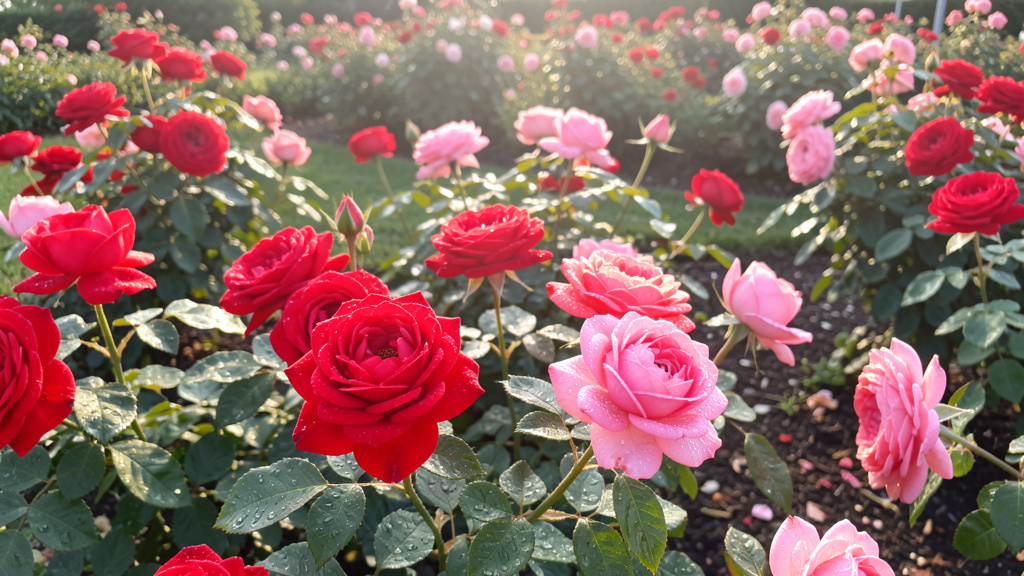
Unlock timeless beauty without overwhelm—transform any space into a thriving rose sanctuary with this seasonally attuned, adaptable roadmap designed for real gardeners in the real world.
Roses have graced human landscapes for millennia, appearing in ancient courtyards, cottage gardens, and contemporary balconies with enduring elegance. Yet a persistent myth endures: that growing roses demands expert skill, constant vigilance, or chemical dependency. This guide gently reframes that narrative. Through consolidated horticultural knowledge, regionally adaptable practices, and time-honored organic approaches, vibrant, resilient roses become accessible to nearly any gardener—whether you steward acres of land or a single sunlit windowsill. Your journey toward fragrant blooms, ecological harmony, and quiet gardening joy begins with clarity, not complexity.
Introduction: Reclaiming the Rose for Every Gardener
Step into a garden center on a spring morning, and you may notice hesitant hands pausing over rose labels marked with terms like “requires vigilant disease monitoring” or “needs specialized winter care.” Many walk away, believing roses aren’t for them. This hesitation is understandable—but increasingly outdated. Modern breeding efforts, often supported by horticultural societies and university programs, have yielded remarkably resilient varieties: disease-tolerant shrubs, compact floribundas ideal for containers, and hardy climbers thriving with thoughtful—not intensive—care. Simultaneously, ecological gardening practices offer nuanced, soil-centered solutions to challenges once considered barriers. Today’s rose garden need not echo high-maintenance traditions of the past. Paired with intentional variety selection and adaptive care, roses invite gardeners of all backgrounds into a living legacy of beauty. This guide synthesizes widely validated principles into a fluid, compassionate framework—honoring the rose’s heritage while embracing accessible, sustainable stewardship. You need not possess perfect conditions, boundless time, or specialized credentials. You need grounded guidance, realistic expectations, and a path aligned with your unique space and rhythm. Let’s walk it together.
The Rose Garden Compass: A Four-Phase Framework for Confident Cultivation
Fragmented advice creates uncertainty. The Rose Garden Compass replaces confusion with clarity through four intuitive, cyclical phases: Dream, Design, Deploy, and Delight. This living framework mirrors natural rhythms—seasonal, responsive, and deeply personal. Each phase builds intentionally on the last, preventing common missteps like mismatched varieties or overlooked site constraints. Think of it as your gardening anchor: when questions arise (and they will), return to these pillars. They adapt gracefully whether you’re planting one patio rose or designing a heritage border. The strength lies not in rigid rules, but in thoughtful alignment with your light, your climate, your purpose. Below, each phase unfolds with actionable detail, contextual considerations, and compassionate alternatives for diverse constraints.
Phase 1: Dream – Clarifying Vision Beyond “Pretty Flowers”
Before soil is turned, cultivate clarity. This reflective phase prevents frustration and fuels lasting motivation. Rushing here often leads to mismatched expectations later—like selecting vigorous climbers for a petite balcony. Let’s nurture intention with kindness.
Define Your Garden’s Purpose Thoughtfully
Ask gently: What role should this garden play in your life?
– Sanctuary Seeker? Prioritize fragrance (varieties like ‘Gertrude Jekyll’ or ‘Munstead Wood’) and calming palettes (soft creams, blush pinks). Position seating within the bloom zone for sensory immersion.
– Cutting Garden Enthusiast? Focus on varieties with strong stems and extended vase life (Hybrid Teas such as ‘Julia Child’; Floribundas like ‘Easy Does It’). Plan for sequential blooming to extend harvest.
– Wildlife Habitat Builder? Choose single or semi-double blooms (‘The Fairy’, ‘William Baffin’) where pollinators easily access pollen. Avoid densely packed “quartered” forms.
– Low-Effort Joy? Explore the Knock Out® family, Drift® roses, or Rugosa types—bred for resilience and minimal intervention.
Why this matters: A gardener in the Pacific Northwest selecting for cutting will prioritize different traits than someone in the arid Southwest seeking heat-tolerant structure. Your purpose shapes every choice that follows.
Assess Your Space with Compassionate Honesty
Dreams flourish when rooted in reality. Conduct a gentle, observant audit:
– Sunlight Mapping: Most roses thrive with 6+ hours of direct sun. Track your space across three days:
– Full Sun (6+ hrs): Supports the widest variety selection.
– Partial Sun (4–6 hrs): Consider shade-adaptable types like Floribunda ‘Albrecht Dürer’ or Rambler ‘Veilchenblau’. Expect lush foliage with potentially fewer blooms.
– Less than 4 hrs: Reconsider location. No rose sustains long-term health here.
– Space Inventory: Measure thoughtfully. A 3′ x 3′ corner suits one compact shrub; a narrow fence line invites a pillar-trained climber.
– Water Access: Is irrigation practical? For high-rise container gardens, factor in pot weight and frequency of watering.
– Physical Comfort: If bending is challenging, raised beds (18–24″ high) or large containers reduce strain. Thorn-conscious varieties like ‘Zephirine Drouhin’ (nearly thornless climber) or ‘Smooth Touch’ series ease handling.
Common Pitfall to Navigate: Overlooking hidden constraints. That “empty patch” may harbor competing tree roots. A small exploratory dig reveals truths no measurement can.
Gather Inspiration with Intention
Endless scrolling breeds paralysis. Instead:
1. Save only images reflecting your actual sun exposure and space.
2. Note variety names when visible; research their performance in climates similar to yours.
3. Visit local botanical gardens or nurseries during bloom season. Observe which roses thrive in your region. A variety flourishing in coastal Maine may struggle in inland Texas heat.
4. Connect with regional rose societies (via the American Rose Society directory). Local growers offer insights algorithms cannot replicate—like which varieties withstand your area’s humidity or late frosts.
The Guiding Insight: Your rose garden should enrich your life, not complicate it. Clarity in vision cultivates confidence in action.
Phase 2: Design – Building a Resilient, Harmonious Foundation
Design transforms intention into a living plan. This phase weaves horticultural wisdom with personal aesthetics, fostering health and harmony for seasons to come. Skipping thoughtful design risks overcrowding, disease vulnerability, or visual dissonance. Done well, it makes ongoing care intuitive and joyful.
Understanding Rose Types: Choosing Compatibility Over Complexity
Familiarity with growth habits prevents mismatched expectations. Focus on form, resilience, and alignment with your conditions—not just bloom color.
| Rose Type | Ideal Setting | Bloom Pattern | Care Consideration | Beginner-Friendly Examples | Regional Notes |
|---|---|---|---|---|---|
| Shrub Roses | Borders, hedges, low-fuss areas | Repeat blooming, clusters | Low | Knock Out®, Drift®, ‘Carefree Beauty’ | Widely adaptable; check zone suitability |
| Floribundas | Mass color, containers | Continuous clusters | Moderate | ‘Easy Does It’, ‘Iceberg’, ‘Sunsprite’ | Tolerate heat well in many regions |
| Hybrid Teas | Cut flowers, formal accents | Single large blooms | Moderate | ‘Julia Child’, ‘Mr. Lincoln’ | Require good air flow; less ideal in humid zones |
| Climbers | Arbors, fences, vertical spaces | Spring flush + repeats | Moderate | ‘New Dawn’, ‘Zephirine Drouhin’ | Train young canes horizontally to encourage flowering laterals |
| Groundcovers | Slopes, large sweeps | Dense carpet of small blooms | Very Low | Flower Carpet® series | Drought-resilient once established |
| Miniatures | Pots, edging, small spaces | Tiny continuous blooms | Low (in containers) | ‘Sweet Chariot’, ‘Rise n’ Shine’ | Protect from harsh winter winds; bring pots to sheltered spots if needed |
| Old Garden Roses | Heritage spaces, fragrance focus | Typically once-blooming | Low (established) | ‘Madame Isaac Pereire’ | Often disease-tolerant; accept less sun than modern types |
Why this matters: A gardener in Minnesota might select the hardy Explorer Series climber ‘William Baffin’, while a Florida gardener prioritizes humidity-tolerant ‘Knock Out’ shrubs. Match the plant to your place.
Soil Preparation: The Living Foundation
Soil health underpins plant vitality. Roses prefer well-draining, organically rich soil near pH 6.0–6.5. Addressing soil conditions thoughtfully prevents many common challenges.
Step-by-Step Soil Enhancement:
1. Assess First: Use an affordable pH test kit or contact your local Cooperative Extension Service (via USDA directory) for soil analysis. Many offer tailored amendment advice for your county.
2. Amend Thoughtfully: For each planting hole (approx. 18″ wide x deep):
– Blend existing soil 50/50 with mature compost or well-rotted manure.
– Incorporate a balanced organic rose fertilizer (e.g., Espoma Rose-Tone) and a small amount of bone meal to support root development.
– Heavy Clay: Add gypsum (per package guidance) plus extra compost to improve structure.
– Sandy Soil: Mix in coconut coir or compost to enhance moisture retention.
3. Drainage Check: Fill the hole with water. If it drains slower than 1 inch per hour, consider planting on a gentle mound or in a raised bed. Roses struggle in persistently soggy conditions.
Adaptable Alternatives:
– Limited Budget: Use shredded autumn leaves layered with soil—they decompose into nutrient-rich humus.
– Challenging Sites: For severely compacted or poor soil, container gardening offers full control. A half-whiskey barrel or large pot (with drainage) creates an ideal micro-environment.
Layout Principles for Flow, Function, and Flourishing
– Spacing Supports Health: Crowded plants limit air circulation, inviting fungal issues. Honor the mature width noted on plant tags (e.g., a rose listed as “3 ft wide” needs ~3 ft between plants).
– Color and Mood: Warm hues (reds, corals) energize social spaces like patios. Cool tones (lavenders, silvers—try ‘Blue Girl’ or ‘Veilchenblau’) foster calm in quiet corners.
– Companion Synergy:
– Pest Confusion: Lavender, garlic chives, or marigolds nearby may deter aphids and attract beneficial insects.
– Visual Harmony: Catmint softens edges; salvia adds vertical contrast.
– Avoid: Planting near black walnut trees (juglone toxin inhibits growth).
– Accessible Pathways: Leave 18–24″ between beds for comfortable movement during pruning or harvesting. Mulch paths with wood chips to suppress weeds and retain moisture.
Illustrative Example: A gardener in the Midwest designed a 10′ x 10′ corner:
– Back: ‘New Dawn’ climber on a rustic arbor (soft pink, fragrant)
– Middle: Three Knock Out® shrubs in rotating hues (red, pink, yellow)
– Front: Polyantha ‘The Fairy’ (dense pink clusters) with creeping thyme between stepping stones
Result: Layered interest, manageable care, and continuous bloom from late spring until frost.
Phase 3: Deploy – Planting with Care and Context
Planting technique sets the trajectory for long-term health. Whether working with bare-root (dormant) or container-grown roses, mindful execution matters deeply. Follow these steps with patience.
Bare-Root Rose Planting: Gentle Awakening
Optimal Timing: Early spring, while plants remain dormant (before leaf emergence).
1. Rehydrate Roots: Soak roots in a bucket of water for several hours (or overnight) to restore moisture.
2. Prune Gently: Trim any broken or damaged roots. Lightly prune top canes to 6–8″ to balance root-to-shoot ratio.
3. Mound Method (For Grafted Roses):
– Form a small soil mound in the hole’s center.
– Drape roots evenly over the mound.
– Position the graft union (the knobby swell where roots meet canes):
– Colder Climates (Zones 3–6): Place 2–3″ below soil level for winter protection.
– Milder Climates (Zones 7–10): Position at soil level to discourage rootstock suckers.
– Backfill gently, firming soil to eliminate air pockets.
4. Water Deeply: Create a shallow soil berm around the hole. Fill with water twice to settle soil.
5. Initial Mulch: Apply 2″ of straw or shredded bark (keeping mulch 3″ away from cane bases to prevent moisture-related issues).
Why the mound method? It encourages roots to spread naturally outward, supporting strong establishment.
Container-Grown Rose Planting: Smooth Transition
Optimal Timing: Spring or early fall (avoid peak summer heat).
1. Pre-Water: Water the pot thoroughly 1 hour before planting.
2. Loosen Roots: Gently tease apart circling roots at the root ball’s edge. For tightly bound roots, make 3–4 shallow vertical slices with a clean knife.
3. Plant at Original Depth: Position so the soil line matches its level in the pot. Avoid burying the graft union deeper than it was originally.
4. Backfill & Water: Fill with amended soil; water deeply.
5. Transition Shade (If Needed): In sunny locations, provide light afternoon shade (using a temporary cloth or umbrella) for 3–5 days to ease transplant adjustment.
Common Consideration: Planting too deeply in warm zones can encourage vigorous rootstock growth that overshadows the desired rose.
First 30 Days: Establishment Care
Newly planted roses need consistent moisture—not saturation—to develop roots.
– Watering Guidance:
– Days 1–7: Water deeply every other day.
– Days 8–30: Water deeply twice weekly (adjust for rainfall).
– Check: Insert finger 2″ into soil near the plant. Water only if dry.
– Hold Fertilizer: Wait until 3–4″ of new growth appears (typically 4–6 weeks). Early fertilizing may stress tender roots.
– Observe Wilting: Temporary afternoon wilting in heat is normal. If leaves remain limp by evening, water promptly.
– Wildlife Consideration: In areas with deer or rabbits, temporary wire cages (chicken wire) protect young stems. Remove once stems mature and toughen (usually after 6 months).
Adaptable Ideas:
– Budget-Friendly Deterrent: Sprinkle human hair (from brushes) or strongly scented soap shavings around the base—may offer short-term browsing deterrence.
– Unexpected Heat: Drape burlap loosely over stakes around the plant for filtered shade; remove after 2–3 days.
Phase 4: Delight – The Rhythmic Practice of Ongoing Care
This phase transforms routine into relationship. Roses communicate through leaf color, bud formation, and growth patterns. Learning their language turns care into a meaningful ritual. Guidance below follows natural cycles—always prioritize observing your plants over rigid calendars.
Watering with Wisdom: Depth Over Frequency
Most roses benefit from 1–2 inches of water weekly (more during heat waves). How you water matters profoundly.
– Method: Direct water to the base using soaker hoses or drip irrigation. Keeping foliage dry reduces fungal disease risk.
– Timing: Early morning (5–9 AM) allows leaves to dry before evening. Evening watering is generally discouraged where humidity lingers overnight.
– Soil Check: Lift mulch gently. Soil should feel like a damp sponge 2″ down. Adjust accordingly.
– Containers: Pots dry faster. Check daily in summer; water until it flows freely from drainage holes.
– Reading Signs:
– Yellow leaves with green veins: May indicate overwatering or drainage issues.
– Crispy brown leaf edges: Suggest underwatering or salt accumulation (flush soil with deep watering).
Perspective: Water deeply to encourage roots to seek moisture downward—building resilience against dry spells. Shallow sprinkling promotes weak, surface roots.
Nourishing for Vitality: Balanced Nutrition
Roses respond well to steady, organic nutrition that feeds both plant and soil.
Simplified Seasonal Feeding Guide:
| Season | Action | Rationale |
|————-|————————————————————————|—————————————————————————|
| Early Spring | Apply balanced organic rose fertilizer as buds begin to swell. | Supports initial growth after dormancy. |
| After First Bloom | Reapply fertilizer. For repeat bloomers, feed every 6 weeks until late summer. | Replenishes energy used in flowering; encourages subsequent cycles. |
| Late Summer | Cease fertilizing approximately 8 weeks before first expected frost. | Prevents tender new growth vulnerable to cold damage. |
| Fall | Top-dress with compost or well-rotted manure (no digging). | Nourishes soil microbes over winter; gentle spring preparation. |
Approach Options:
– Ideal Path: Organic granular fertilizer (Espoma, Dr. Earth) + occasional compost tea drench.
– Budget Path: Alfalfa meal (½ cup per plant) + diluted Epsom salts solution (1 tbsp per gallon) for magnesium support.
– Stress Response: Weak fish emulsion solution (per label) may offer quick nutrient support during recovery.
Regional Note: In consistently hot climates (Zones 9–10), reduce summer feeding intensity. Heat stresses plants; focus instead on deep watering, mulch, and shade during peak sun.
Pruning with Purpose: Health Over Perfection
Pruning is plant healthcare—not artistry. Goals: remove compromised growth, improve airflow, and encourage strong flowering.
Universal Pruning Principles (Adapt per rose type):
✅ Remove the 4 Ds: Dead, Diseased, Damaged, or Crossing canes (rubbing creates entry points for disease).
✅ Open the Center: Cut inward-growing canes to create a gentle vase shape. Sunlight and air reach the plant’s heart.
✅ Angle Cuts: Make clean 45° cuts ¼” above an outward-facing bud eye (small bump on cane). Directs new growth outward.
✅ Tool Hygiene: Wipe pruners with rubbing alcohol or a diluted bleach solution between plants to limit disease transfer.
Seasonal Guidance:
– Late Winter/Early Spring (Main Pruning):
– Hybrid Teas/Floribundas: Reduce canes to 12–18″; remove weak, spindly growth.
– Shrubs/Climbers: Remove ~⅓ of oldest canes at the base; trim lateral branches to 2–3 buds.
– Once-Blooming Old Garden Roses: Prune after flowering (summer). They bloom on previous year’s wood.
– Summer (Maintenance):
– Deadhead spent blooms: Cut to the first healthy 5-leaflet leaf cluster below the flower.
– Remove suckers (vigorous shoots arising below the graft union)—trace to origin and pull gently downward.
– Fall (Light Cleanup):
– Clear fallen leaves and debris to reduce overwintering disease spores.
– Avoid hard pruning. Retain cane length to protect the crown during cold months.
Beginner Encouragement: Start simply—remove dead wood and crossing canes. Healthy roses are remarkably forgiving. Observe responses over seasons; confidence grows with experience.
Climate Adaptation: In mild-winter regions (Zones 8–10), prune in January. In colder zones (3–5), wait until soil is workable and worst cold has passed (often signaled by forsythia bloom).
Pest & Disease Response: Prevention, Patience, Partnership
Vigorous, well-sited roses naturally resist many issues. Focus first on creating resilient conditions.
The Prevention Priority List:
1. Right Plant, Right Place: Disease-tolerant varieties in adequate sun with good airflow prevent most challenges.
2. Garden Hygiene: Regularly remove fallen leaves and debris. Do not compost visibly diseased material.
3. Water Wisely: Base watering keeps foliage dry—critical for reducing fungal pressure.
4. Welcome Beneficials: Plant dill, fennel, or alyssum nearby to attract ladybugs (aphid predators) and lacewings.
5. Targeted Intervention (If Needed):
– Aphids/Thrips: Blast gently with a strong water spray. If persistent, apply neem oil solution (2 tsp neem + 1 tsp mild soap per quart water) at dusk.
– Black Spot: Remove affected leaves promptly. Some gardeners apply a baking soda solution (1 tbsp baking soda + 1 tsp horticultural oil per quart water) weekly as a preventative spray.
– Japanese Beetles: Hand-pick early morning into soapy water. Floating row covers offer physical protection during peak activity. Note: Pheromone traps may attract more beetles to the area; many gardeners prefer direct removal.
A Balanced Perspective: A few aphids won’t harm a healthy rose—they often attract beneficial insects that stay to manage other pests. Minor leaf spotting is common in humid summers; focus on overall plant vitality rather than flawless foliage. Intervention is warranted only when damage significantly impacts plant health (e.g., extensive defoliation).
Quick-Reference Guide to Common Observations
| Observation | Possible Cause | Gentle Response | Prevention Focus |
|—————————-|———————-|———————————————-|——————————————-|
| Yellow leaves, black spots | Fungal pressure | Remove affected leaves; improve airflow | Plant resistant varieties; avoid wetting leaves |
| White powder on leaves | Powdery mildew | Spray with diluted milk solution (1:9) | Prune for openness; water at base only |
| Sticky residue, curled leaves | Aphids | Strong water spray; release ladybugs | Companion plant with garlic chives |
| Skeletonized leaves | Japanese beetles | Hand-pick at dawn; use physical barriers | Monitor during peak season (early summer) |
| Stunted growth, yellowing | Soil nutrient/pH issue | Test soil; amend based on results | Annual soil check; consistent mulching |
Seasonal Rhythms: A Flexible Monthly Companion
Adapt these prompts to your USDA Hardiness Zone and local conditions. When uncertain, observe neighboring gardens and native plant cues.
- January–February (Dormant Season):
- Cold Zones (3–6): Finalize pruning after severe cold passes. Apply dormant horticultural oil if pest pressure was noted last season.
- Warm Zones (7–10): Complete pruning. Begin light fertilizing as buds swell.
-
All Zones: Review garden journal; order bare-root roses for spring. Plan additions.
-
March–April (Awakening):
- Gradually remove winter protection as temperatures rise.
- Apply first fertilizer dose as growth emerges. Begin consistent watering.
-
Monitor for early aphids; spray with water at first sign.
-
May–June (First Bloom Flush):
- Deadhead spent blooms to encourage rebloom.
- Apply second fertilizer dose after peak bloom.
- Apply 2–3″ mulch to conserve moisture and suppress weeds.
-
Inspect after rains for early disease signs.
-
July–August (Peak Summer):
- Water deeply 2–3 times weekly during heat. Morning watering is ideal.
- Hot Climates: Provide afternoon shade for container roses. Reduce fertilizer intensity.
- Continue deadheading. Remove spent clusters on floribundas.
-
Watch for spider mites (tiny dots on leaf undersides); spray foliage with water.
-
September–October (Second Bloom & Transition):
- Apply light fertilizer early September only if 8+ weeks remain before first frost.
- Cease deadheading late September to allow hips (seed pods) to form—this signals dormancy.
- Thoroughly clean fallen leaves and debris.
-
Cold Zones: Begin winter preparation (see below).
-
November–December (Rest & Reflection):
- Cold Zones: After soil freezes firmly, mound soil/compost 10–12″ over the graft union. Add burlap wrap or rose cone in extreme cold.
- All Zones: Journal successes and learnings. Note varieties to try next year. Order catalogues.
- Warm Zones: Light pruning; enjoy autumn blooms. Apply compost top-dressing.
Navigating Common Garden Realities: Adaptive Solutions with Compassion
Every gardener encounters constraints. What matters is responding with knowledge and kindness—not perfection.
“My Space Has Limited Sunlight”
Few gardens offer textbook conditions. Work with your light:
– Partial Shade (4–6 hours sun): Select adaptable varieties:
– Floribunda ‘Albrecht Dürer’ (soft pink, resilient)
– Climber ‘Veilchenblau’ (mauve clusters, tolerates light shade)
– David Austin shrub ‘The Ancient Mariner’ (fragrant, versatile)
– Strategy: Prioritize morning sun (dries dew faster, reducing disease pressure). Accept potentially fewer blooms but enjoy lush foliage. Pair with shade-compatible companions like hostas or ferns.
– Container Advantage: Place pots on plant caddies with wheels. Shift them to follow sun patches throughout the day.
“Thorns Cause Concern”
Valid for gardeners with children, pets, or mobility considerations.
– Thorn-Conscious Varieties:
– ‘Zephirine Drouhin’ (climber; deep pink, nearly thornless, fragrant)
– ‘Smooth Touch’ series (floribunda; multiple colors)
– ‘Caldwell Pink’ (shrub; soft pink, resilient)
– ‘Lady Banks’ (climber; yellow or white, virtually thornless)
– Handling Practices:
– Wear sturdy gloves (leather or nitrile-coated) and long sleeves.
– Use sharp bypass pruners for clean cuts.
– Prune over a bucket to catch falling stems.
– Perspective Shift: Thorns are part of the rose’s natural defense. Handling with mindful care can become a meditative practice—a moment of presence in the garden.
“Winter Protection Feels Daunting”
Modern breeding has expanded rose hardiness significantly.
– Zone 5 and Warmer: Many shrub roses (Knock Out®, Drift®, Explorer Series) require no special winter protection. Their resilience is well-documented.
– Zone 4: After ground freezes, mound soil/compost 10″ over the graft union. Remove gradually in spring as temperatures stabilize.
– Zone 3: Select ultra-hardy types:
– ‘William Baffin’ (climber; pink)
– ‘Morden Blush’ (shrub; pink)
– ‘Thérèse Bugnet’ (shrub; pink)
– Method: After hard freeze, loosely wrap canes with burlap stuffed with dry leaves. Remove when early spring blooms (like forsythia) appear.
– Critical Reminder: Avoid fall pruning. Retain cane length to protect the crown. Wait until spring.
– Container Roses: Move pots to an unheated garage, shed, or protected alcove before hard freeze. Water lightly once monthly if soil is dry.
“Organic Care Seems Time-Intensive”
Simplicity is achievable. Focus on high-impact, sustainable habits:
1. Mulch Deeply (2–3″): Conserves moisture, suppresses weeds, and gradually enriches soil. Replenish annually.
2. Select Resilient Varieties: Knock Out® roses rarely require intervention. This single choice reduces seasonal tasks significantly.
3. Smart Watering: A soaker hose on a timer (30 minutes, twice weekly) ensures consistent moisture without daily effort.
4. Compost Tea Shortcut: Use ready-to-steep organic compost tea bags. Steep in a watering can and apply monthly.
5. Embrace Imperfection: A few spotted leaves won’t compromise plant health. Remove severely affected foliage; release the need for perfection. Your well-being matters as much as the garden’s.
“My Soil Presents Challenges—Clay, Sand, or Rock”
Soil is a living system that can be nurtured:
– Heavy Clay: Build raised beds (12–18″ high) filled with a blend of topsoil, compost, and coarse sand. Roses thrive above problem soil.
– Sandy Soil: Amend planting holes generously with compost and coconut coir. Mulch heavily to retain moisture.
– Rocky Ground: Create berms (mounded soil areas) 18″ high. Plant roses on the berm where roots access deeper, workable soil.
– Universal Solution: Grow in containers. Use quality potting mix (never garden soil). A half-whiskey barrel or large ceramic pot provides an ideal, controlled environment for one shrub rose.
Your Rose Garden Questions, Answered
Q: How can I determine which rose varieties are truly resilient in my specific area?
A: Your local Cooperative Extension Service is an invaluable resource—they often publish regional trial results showing which roses perform best locally. The American Rose Society’s online resources also allow filtering by disease resistance and hardiness zone. When shopping, note All-America Rose Selections (AARS) winners; these undergo multi-year testing across diverse U.S. climates for vigor and adaptability. Observing roses thriving in nearby gardens offers practical, hyperlocal insight.
Q: Is organic rose care feasible in humid regions like the Southeast?
A: Yes—with strategic variety selection and cultural practices. Prioritize roses bred for humidity tolerance: Knock Out® series, ‘Belinda’s Dream’, ‘Carefree Beauty’, and Earth-Kind® roses (developed by Texas A&M for low-input resilience). Maximize air circulation through wider spacing, water only at the base early in the day, and apply compost tea monthly to support plant immunity. Accept that some leaf spotting may occur during peak humidity; focus on the plant’s overall vitality rather than perfect foliage.
Q: What are the long, vigorous green shoots growing from below the graft union?
A: These are suckers originating from the rootstock—not your chosen rose variety. They divert energy and should be removed. Trace the shoot to its origin below the graft union (the knobby bump near soil level). Grasp firmly near the base and pull downward to remove the entire growth point. Cutting often leaves buds that regrow. Wear gloves for protection.
Q: How often should I refresh soil in rose containers?
A: Replace the top 2–3 inches of potting mix each early spring. Every 2–3 years, gently lift the rose, trim any circling roots, replace about half the old mix with fresh organic potting soil, and replant. Avoid full soil replacement annually—it disrupts beneficial soil microbes. Ensure pots have drainage holes; a thin layer of gravel at the bottom can aid drainage if needed.
Q: Are coffee grounds beneficial for roses?
A: Used sparingly (a thin sprinkle per plant), they may contribute minor nitrogen and slightly lower soil pH. However, avoid large quantities directly against canes, as acidity and moisture retention could stress roots. For reliable nutrition, compost coffee grounds first, then use the finished compost as mulch. Balanced organic rose fertilizers provide more consistent, measured nutrition.
Q: Why isn’t my climbing rose producing many blooms?
A: Two frequent factors: 1) Training: Climbers bloom most abundantly on horizontal or gently arched canes. Tie main stems horizontally along supports—not vertically—to encourage flowering laterals. 2) Pruning Timing: Once-blooming climbers (e.g., ‘New Dawn’) flower on last year’s wood; prune after flowering. Repeat-blooming types can be lightly pruned in early spring. Also verify adequate sun exposure (6+ hours) and avoid excessive nitrogen fertilizer, which promotes leafy growth over flowers.
Q: Can I replant roses in the same location where roses previously grew?
A: To avoid potential soil fatigue (“rose replant disease”), waiting 2–3 years is ideal. If replanting sooner: remove soil to 18″ depth, replace with a fresh blend of compost and amended soil, and select a different rose variety. Adding a mycorrhizal fungi inoculant to the planting hole may support root establishment in previously occupied soil.
Q: How can I enhance the fragrance of my roses?
A: Fragrance expression depends on variety, environment, and care. Plant proven fragrant types (‘Gertrude Jekyll’, ‘Mister Lincoln’, ‘Double Delight’). Ensure full sun exposure (heat releases essential oils), avoid high-nitrogen fertilizers (which favor foliage over floral oils), and water deeply but less frequently. Smell blooms in early morning when volatile compounds are most concentrated. Note: Some modern varieties prioritize form or color over scent—research fragrance notes before purchasing.
Q: What is one foundational practice for rose success?
A: Watering at the base without wetting foliage is consistently impactful. This simple practice significantly reduces conditions favorable to common fungal issues like black spot and powdery mildew. Pair this with selecting one disease-resilient variety suited to your zone, and you establish a strong, low-stress foundation for enjoyment.
Q: Are any roses truly deer-resistant?
A: No rose is completely deer-proof, but some are less preferred. Rugosa roses (‘Hansa’, ‘Roseraie de l’Hay’) have prickly stems and textured foliage that deer often avoid. ‘Knock Out’ shrubs are sometimes bypassed when other forage is available. For reliable protection in high-pressure areas: install tall fencing, use motion-activated sprinklers, or apply commercial repellents (reapplying after rain). In vulnerable zones, consider placing less-preferred plants near property edges.
Conclusion: Your Garden, Your Journey
You now hold a framework rooted in respect—for the rose, for your environment, and for your own capacity. Remember the three anchors that sustain this journey: clarity in vision (knowing your purpose and space), intention in design (choosing plants aligned with your reality), and rhythm in care (moving with seasonal cues, not against them). This path isn’t about flawlessness. It’s about connection—to the soil beneath your hands, the unfolding of seasons, the quiet satisfaction of a single bloom earned through patience.
The 24-Hour Invitation: Within the next day, take one small, tangible step. Sketch your sunniest spot on a notepad. Note how light moves across it from morning to afternoon. Or visit a local nursery and gently observe a ‘Knock Out’ rose—notice its sturdy stems, breathe its subtle scent. This micro-action bridges intention and reality. Momentum begins with motion.
The Wider View: Your rose garden exists within a living tapestry. It supports pollinators, enriches soil life, and offers moments of stillness in a hurried world. It teaches resilience (roses recover from pruning), patience (waiting for buds to open), and hope (planting bare roots in cold earth, trusting in spring). You join generations of gardeners captivated by this flower’s quiet symbolism—of beauty persisting through challenge, of care made visible. Your garden will evolve with you, reflecting light, season, and spirit. And with this compassionate, adaptable framework, it will flourish.
Explore Our Complete Rose Care System:
The Container Rose Revolution: Patio Perfection in Pots | Organic Pest Defense Toolkit: Protect Your Garden Naturally | Seasonal Pruning Deep Dive: Month-by-Month Visual Guides | Companion Planting for Roses: Beauty and Balance | Winterizing Roses: Zone-by-Zone Survival Guide | The Fragrance Hunter’s Handbook: Scented Roses for Every Climate | Rose Propagation Made Simple: Grow New Plants from Cuttings