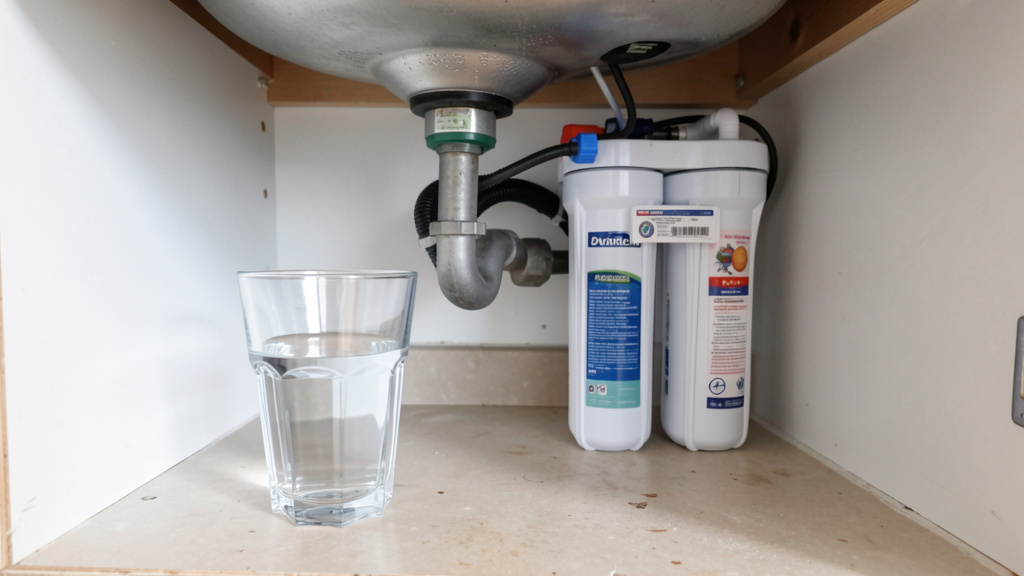
From Scale-Streaked Fixtures to Silky Showers—A Structured Framework for Diagnosing, Selecting, and Maintaining Water Treatment Solutions Tailored to Your Home’s Unique Needs
Every drop of water flowing through your home carries an invisible history. It may contain dissolved minerals gathered over centuries underground, traces of municipal treatment chemicals, microscopic particles from aging pipes, or organic compounds unique to your local watershed. For many households, this unseen composition manifests in tangible ways: stubborn white scale on faucets and shower doors, soap that lathers poorly leaving skin feeling tight, spotted glassware fresh from the dishwasher, reduced water pressure from narrowed pipes, or an unusual taste in drinking water. These signals reflect underlying water quality characteristics that impact appliance longevity, household efficiency, personal comfort, and daily living. Yet the path to resolution requires more than selecting a product off a shelf. True water wellness emerges from a systematic, evidence-based approach that moves beyond marketing claims toward informed decision-making. This guide provides a clear four-step framework—Assess, Select, Install, Maintain—designed to transform uncertainty into confident action. We clarify the essential distinction between filtration (targeting specific impurities) and softening (addressing mineral hardness behavior), explain how to interpret water test results, navigate technology options with balanced perspective, anticipate practical installation considerations, and establish sustainable maintenance rhythms. Whether your water comes from a municipal supply or a private well, this resource offers nuanced, actionable guidance to support thoughtful choices for cleaner, more comfortable water in your home.
Introduction
Water is the most frequently used resource in any household, yet its specific characteristics often remain unexamined until an issue arises. It hydrates your family, prepares meals, cleans surfaces, nourishes landscapes, and sustains major appliances whose performance and lifespan are directly influenced by water composition. In the United States, the Environmental Protection Agency (EPA) regulates numerous contaminants in public water systems under the Safe Drinking Water Act, requiring utilities to provide annual Consumer Confidence Reports (CCRs). However, these reports reflect water quality at the treatment plant—not after traveling through municipal mains or your home’s internal plumbing. Factors like aging infrastructure, localized pipe corrosion, or sediment disturbance during repairs can introduce elements not reflected in the CCR. For households relying on private wells, regulatory oversight does not apply; responsibility for understanding and managing water quality rests entirely with the homeowner. Beyond regulated health-related parameters, aesthetic characteristics like mineral hardness, chlorine taste, iron staining, or hydrogen sulfide odor significantly affect daily experience without triggering regulatory thresholds. This gap between compliance data and lived experience is where informed water treatment becomes valuable. Recognizing that filtration and softening serve distinct purposes—and often work best in combination—is foundational to effective solutions. Filtration technologies target specific impurities: sediment filters capture particulate matter; activated carbon addresses chlorine, tastes, and odors; reverse osmosis membranes reduce dissolved solids; ultraviolet systems provide microbiological protection. Softening specifically addresses hardness minerals through ion exchange or physical conditioning methods, helping to minimize scale formation and improve soap efficiency. Confusing these functions can lead to mismatched solutions: installing a softener for chlorine taste (which it does not address) or relying solely on a carbon filter for significant scale issues. This guide bridges that knowledge gap. By outlining a diagnostic approach adapted from water quality best practices—made accessible for homeowners—we support a shift from symptom-focused reactions to root-cause understanding. The journey begins not with shopping, but with gathering reliable information about your water’s unique profile.
The Water Wellness Framework: A Four-Step Path to Confident Water Management
Navigating water treatment options without structure can feel overwhelming. Marketing materials often highlight isolated features while omitting critical context: Which contaminants? Under what water conditions? For how long before maintenance? The Water Wellness Framework provides clarity through four sequential, interdependent phases. Skipping assessment risks addressing assumed rather than actual conditions; selecting components without considering integration may cause operational conflicts; improper installation can undermine even well-chosen equipment; neglected maintenance gradually reduces effectiveness. This framework is intentionally linear because water treatment functions as a system design process, not a product selection exercise. Each phase builds upon verified information, transforming subjective observations (“my water tastes odd”) into objective criteria (“requires catalytic carbon filtration for chloramine reduction”). We include decision checkpoints, practical examples of common considerations, adaptable options for different constraints, and seasonal awareness. Think of this as your reference roadmap—consulted repeatedly throughout your water treatment journey. Let’s begin where all effective solutions must: with evidence.
Step 1: Assess Your Water—The Essential Diagnostic Foundation
Guessing your water’s composition based solely on symptoms can lead to misdirected efforts and unresolved issues. Dry skin might relate to hardness, pH levels, chlorine exposure, or other factors—each requiring different approaches. Scale buildup confirms mineral presence but reveals nothing about iron levels that could affect downstream equipment. Assessment replaces assumption with verified information. It rests on two pillars: reviewing existing data and conducting targeted testing. This step requires patience but prevents unnecessary expense and frustration later.
Understanding Your Consumer Confidence Report (CCR)
If served by a municipal utility in the United States, you receive an annual CCR (often available online). This document is a useful starting point—but requires thoughtful interpretation. Focus on sections detailing:
– Disinfectants & Byproducts: Chlorine (typically maintained within a range) or chloramine (increasingly common for stability). Elevated levels may affect taste, odor, or accelerate wear on certain appliance components. Trihalomethanes (THMs) form when disinfectants interact with organic matter; regulatory limits exist for long-term exposure.
– Inorganic Contaminants: Lead (action level 15 parts per billion; relevant if home has older plumbing), arsenic, nitrate, fluoride.
– Hardness: Important note: CCRs rarely report hardness levels. Contact your utility directly or search “[Your City] water hardness” through local government resources. Hardness is commonly categorized as:
– Soft: 0–1 grain per gallon (gpg)
– Slightly Hard: 1–3.5 gpg
– Moderately Hard: 3.5–7 gpg
– Hard: 7–10.5 gpg
– Very Hard: Above 10.5 gpg
Why this matters: A household might receive a CCR showing compliant contaminant levels yet experience rapid scale buildup due to unreported high hardness. Verified hardness data informs whether scale prevention is warranted.
Strategic Water Testing: Complementing Existing Data
Testing provides personalized insight. Approach varies by water source:
– Municipal Water Supplemental Testing: Even with a CCR, testing at your tap for hardness, lead (if pre-1986 plumbing exists), and disinfectant type (chlorine vs. chloramine) adds valuable context. Use a state-certified laboratory (accessible via EPA or state health department websites). Request a panel relevant to your concerns. Cost varies regionally. Exercise caution with free tests offered by sales representatives, as their scope may align with specific product capabilities.
– Well Water Essential Testing: Annual testing for bacteria, nitrates, pH, and hardness is widely recommended. Every few years, consider expanding based on local geology (e.g., agricultural areas may warrant nitrate focus; regions with specific bedrock may suggest arsenic or radon testing). Organizations like the National Ground Water Association offer regional guidance resources.
– DIY Test Kits: Titration kits for hardness or test strips for chlorine provide quick checks. Limitations exist: they are less precise for low-level contaminants and cannot reliably detect bacteria or heavy metals. Best used for monitoring between professional tests or verifying expected changes.
Illustrative Scenario: A homeowner noticed blue-green staining (often associated with low pH and copper corrosion) and installed a standard softener. Later testing revealed pH below recommended levels. An acid-neutralizing filter was needed before softening to address the root cause. This underscores why verified data guides better decisions than symptom-only responses.
Practical Tip: Test at multiple points if possible—such as an outdoor spigot (pre-home plumbing) and kitchen cold tap—to account for internal plumbing influences. Well owners may test at the pressure tank outlet.
Budget-Conscious Path: County extension offices sometimes partner with labs for reduced-cost well water testing. Some municipalities offer lead testing kits.
Seasonal Awareness: Well water quality can shift after heavy rainfall, snowmelt, or during dry periods. Municipal water may experience temporary changes after main repairs or seasonal disinfectant adjustments. Note timing when testing.
Unexpected Change Protocol: If water suddenly appears cloudy, discolored, or has a strong odor after flooding, construction, or utility work:
1. Temporarily use bottled water for drinking/cooking.
2. Run cold water briefly; if discoloration persists, contact your water provider (municipal) or well professional.
3. Document observations (photos, timing) to share with experts.
Assessment concludes when you have verified information specifying:
– Hardness level
– Key characteristics present (with context on levels)
– pH
– Iron/manganese indications (if applicable)
– Disinfectant type (chlorine/chloramine)
This information becomes your selection reference. Proceeding without it increases the chance of mismatched solutions.
Step 2: Select the Right System—Matching Technology to Verified Needs
With assessment data in hand, selection becomes methodical. This phase requires understanding core technologies, their intended purposes, limitations, and how they may integrate. Critical distinction: Filtration targets specific impurities; softening addresses mineral behavior related to hardness. They serve complementary roles but are not interchangeable. A carbon filter won’t prevent scale; a softener won’t remove chlorine taste. We explore filtration types, softening approaches, and integration logic—with examples reflecting common household profiles.
Filtration Technologies: Purpose, Targets, and Practical Considerations
Filtration is defined by installation point and media type. Selection aligns with verified water characteristics.
Point-of-Entry (POE) vs. Point-of-Use (POU)
– POE (Whole-House): Installed where water enters the home. Treats all water—valuable for characteristics affecting plumbing, appliances, or whole-house aesthetics (sediment, disinfectant taste, sulfur odor). Examples: sediment pre-filters, whole-house carbon systems, iron filters.
– POU: Installed at a single fixture. Ideal for final drinking/cooking water refinement where specific concerns persist after POE treatment. Examples: under-sink reverse osmosis (RO), faucet-mounted carbon filters.
Decision Logic: If verified data indicates characteristics impacting the entire house (e.g., hardness above moderate levels, noticeable disinfectant taste throughout, iron staining), POE treatment is typically prioritized. POU systems add targeted refinement where needed (e.g., RO for specific contaminant reduction at the kitchen tap). Using POU alone for whole-house concerns is generally ineffective for protecting plumbing or appliances.
Filtration Media Overview
| Technology | Primary Targets | Important Considerations | Typical Application Context | Maintenance Notes |
|————|—————–|————————–|—————————-|——————-|
| Sediment Filter (Pleated, String Wound) | Sand, silt, rust, clay particles | Clogs faster in high-sediment water; does NOT remove dissolved substances, chemicals, or microbes | Recommended first stage for most systems. Protects downstream components. | Replace when pressure drops noticeably or per schedule (often 3–6 months) |
| Activated Carbon (Granular – GAC, Block) | Chlorine, tastes, odors, some organic compounds | Less effective against chloramine, fluoride, heavy metals, dissolved minerals, microbes. Stagnant water may encourage bacterial growth in carbon beds. | Municipal water with chlorine taste/odor. Pre-filter for RO systems. | Replace when taste/odor returns or per schedule (typically 6–12 months) |
| Catalytic Carbon | Chloramine, hydrogen sulfide (low levels), chlorine | Specifically engineered for chloramine; requires adequate contact time | Homes with chloraminated municipal water or mild sulfur odor | Longer service life than standard carbon in these applications |
| Reverse Osmosis (RO) | Dissolved solids, lead, arsenic, nitrates, fluoride, microbes (with membrane) | Produces wastewater during operation; removes minerals; requires under-sink space; slower flow | POU drinking water where specific concerns are verified (e.g., lead, arsenic) | Pre/post filters: 6–12 months; Membrane: 2–4 years (verify with TDS meter) |
| Ultraviolet (UV) Purification | Bacteria, viruses, cysts | Requires pre-filtration for cloudy water (turbidity blocks UV light); needs electricity; no residual effect | Well water with bacterial concerns; final barrier after other treatment | Lamp: annually; Quartz sleeve: clean periodically |
| Specialty Media (Birm, Greensand, Air Injection) | Iron, manganese, hydrogen sulfide | Media-specific requirements (e.g., chemical feed, backwashing, venting) | Well water with verified iron/manganese/sulfur levels | Follow manufacturer protocols for regeneration/cleaning |
Why Media Choice Matters: Standard carbon has limited effect on chloramine. Catalytic carbon is formulated to address it. Selecting the appropriate media prevents disappointment and wasted investment.
Adaptable Path: For municipal water with chlorine taste and moderate hardness: Whole-house sediment filter + catalytic carbon filter (if chloramine is present) or standard carbon (if chlorine) + softening system. Add RO at kitchen tap only if verified concerns exist for specific contaminants.
Temporary Solution: After plumbing work causing sediment, a cleanable spin-down sediment filter can provide short-term protection until water clears.
Softening Technologies: Clarifying Options and Realistic Expectations
Softening specifically addresses calcium and magnesium ions associated with hardness. Technology choice depends on verified hardness level, household priorities, sodium considerations, and appliance requirements.
Ion Exchange Water Softeners (Salt-Based)
Widely used for hardness management. Process overview:
1. Water flows through resin beads charged with sodium (or potassium) ions.
2. Calcium/magnesium ions exchange places with sodium/potassium ions on the beads.
3. Over time, resin saturates; a control valve initiates regeneration:
– Brine solution flushes resin, carrying hardness minerals to drain
– Resin recharges with sodium/potassium ions
– System rinses and returns to service
Key Considerations:
– Capacity: Measured in grains softened between regenerations. Sizing considers hardness level, household water use, and desired regeneration frequency. Undersizing may lead to inconsistent performance.
– Regeneration Type: Demand-initiated regeneration (DIR) adjusts based on actual water use, typically using less salt and water than timer-based systems.
– Brine Efficiency: Look for systems certified to NSF/ANSI Standard 44 for efficiency metrics.
Potential Benefits: Reduces scale formation in pipes and appliances; may improve soap lathering; some report softer-feeling skin and hair.
Important Notes: Adds a small amount of sodium (or potassium if used); requires periodic salt/potassium chloride addition; produces wastewater during regeneration; softened water is generally not recommended for irrigation.
Resin Longevity: Typically 10+ years. Pre-filtration is advisable if sediment, iron, or chlorine levels are elevated, as these can reduce resin life.
Salt-Free Water Conditioners (Template Assisted Crystallization – TAC)
Do NOT remove hardness minerals. Instead:
1. Water passes through specialized media.
2. Media encourages calcium/magnesium to form stable microscopic crystals.
3. Crystals remain suspended and are less likely to adhere to surfaces as scale.
Potential Benefits: No salt or regeneration wastewater; minerals remain in water; low maintenance; suitable for irrigation lines.
Important Limitations: Does not produce “soft water” (soap usage and feel may not change significantly); effectiveness varies with water chemistry and flow conditions; may offer limited protection for sensitive appliances like tankless water heaters (check manufacturer requirements).
Verification Tip: Look for NSF/ANSI certification specifically for “scale prevention.” Independent research indicates variable performance, particularly at higher hardness levels.
Magnetic/Electronic Descalers
Devices that clamp onto pipes claiming to alter mineral behavior via electromagnetic fields.
Current Understanding: Reputable certification bodies like NSF International state there is no scientific consensus supporting effectiveness for scale prevention. Multiple peer-reviewed studies have not demonstrated consistent, reliable results under real-world conditions. Not generally recommended as a primary solution for verified scale concerns.
Illustrative Scenario: In a region with very hard water, a household installed a salt-free conditioner to avoid salt use. Within a couple of years, scale-related issues developed in a tankless water heater. The appliance manufacturer required ion exchange softening per warranty terms. Verified hardness data and appliance requirements are essential inputs for selection.
Common Consideration: Always pair softening equipment with a sediment pre-filter. Sediment can coat resin beads or interfere with conditioner media, reducing effectiveness.
Adaptable Options:
– For sodium concerns: Potassium chloride pellets may be used in ion exchange systems (consult physician if on potassium-restricted diet). Alternatively, install a separate RO system for drinking water.
– Renters or temporary needs: Portable exchange tank services (company delivers and swaps pre-charged tanks) offer a non-permanent solution.
– Health Context: The sodium added during softening is generally minimal. For example, softening water at 15 gpg adds approximately 12–15 mg of sodium per 8-ounce glass—less than many common foods. Those with specific dietary restrictions should consult a healthcare provider and consider potassium chloride or a dedicated drinking water system.
Building Your Integrated System: The Importance of Sequencing
Rarely does a single device address all verified needs. Effective treatment often requires staged components where each prepares water for the next. Incorrect sequencing can reduce effectiveness or cause damage. General sequencing principle: Address solids first, then chemicals, then hardness, then final disinfection if needed.
Well Water Example (Hypothetical Profile: Moderate hardness, iron, bacterial concerns):
1. Sediment Pre-Filter: Captures sand/rust. Protects downstream components.
2. Oxidation Step (e.g., air injection or chemical feed) + Contact Tank: Converts dissolved iron/manganese into filterable particles; addresses bacteria if chemical feed is used.
3. Backwashing Filter: Removes precipitated iron/manganese and oxidation residuals.
4. Softening System (if hardness warrants): Addresses mineral hardness.
5. UV Purifier (if bacterial concerns persist): Final disinfection barrier. Requires pre-filtration for clarity.
6. Under-Sink RO System (optional): Polishes drinking water.
Why this order? Oxidizing iron before filtration prevents it from fouling the softener resin. Placing UV after filtration ensures water clarity for effective UV exposure.
Municipal Water Example (Hypothetical Profile: Moderate hardness, chloramine present):
1. Sediment Pre-Filter: Essential first step.
2. Whole-House Catalytic Carbon Filter: Specifically targets chloramine.
3. Ion Exchange Softener (if hardness warrants): Installed after carbon to protect resin from chloramine.
4. Under-Sink RO System (if verified concerns exist): For targeted drinking water refinement.
Critical Integration Note: Softening equipment should follow carbon filtration when chloramine is present, as chloramine can degrade resin over time. RO is point-of-use—only treats water at that tap.
The Fundamental Principle: Water treatment functions as integrated system architecture. The sequence, sizing, and compatibility of components—guided by your water’s verified characteristics—determine long-term effectiveness. A well-selected softener placed before an iron filter may become compromised. Assessment data provides the blueprint; thoughtful sequencing provides the construction plan.
Step 3: Installation Considerations—Planning for Safety and Longevity
Even carefully selected equipment requires proper installation to perform as intended. This phase covers location planning, plumbing integration, and the DIY versus professional decision. Installation errors can lead to leaks, pressure issues, component stress, or voided warranties. Approach with care and planning.
Thoughtful Location Selection
– Proximity to Main Entry: Install whole-house systems close to where water enters, before branch lines (e.g., before the water heater tee), to treat all water.
– Space Requirements: Measure available space. Allow clearance around units for servicing (e.g., accessing tank lids, brine tank).
– Drain Access: Softeners discharge water during regeneration. RO systems produce wastewater. Ensure a drain point is accessible within reasonable distance. Use air gap fittings where required by local code to prevent backflow.
– Electrical Needs: UV systems require a nearby GFCI-protected outlet. Some control valves need power. Verify requirements beforehand.
– Environmental Protection: Install in a conditioned space if freezing is possible. Avoid direct sunlight on tanks. Elevate units in areas prone to moisture.
Plumbing Integration Essentials
– Bypass Valves: Highly recommended. A bypass manifold allows isolating the system for maintenance without shutting off whole-house water. Test operation after installation.
– Pipe Sizing: Match system ports to your main line size. Avoid excessive reductions that may cause pressure drop.
– Pressure Management:
– Low Pressure: RO systems typically require minimum pressure to operate effectively. A booster pump may be needed before the treatment system.
– High Pressure: A pressure regulator before the system protects components from excessive pressure.
– RO-Specific Notes: Requires connections to cold water line, drain, and a dedicated faucet. A permeate pump can significantly reduce wastewater volume.
– Brine Line for Softeners: Keep line short, sloped toward drain, with minimal bends. Install an air gap where it enters the drain.
DIY vs. Professional Installation: A Practical Guide
| Scenario | Recommended Path | Key Considerations |
|———-|——————|———————|
| Simple single-stage filter on accessible main line | DIY may be feasible | Straightforward connections; verify local code allowances |
| Multi-stage system (softener + carbon + UV) | Professional installation advised | Complex sequencing, electrical needs (UV), drain lines, code compliance |
| Well water system with chemical feed | Professional installation recommended | Chemical handling, safety protocols, system sizing |
| Uncertainty about local plumbing codes | Consult a professional | Backflow prevention devices may be required; permits sometimes needed |
| Warranty specifies certified installer | Professional installation required | DIY may void warranty on certain systems |
Installation Red Flags to Note:
– Proposals that reuse old, corroded bypass valves without assessment
– No mention of post-installation pressure or leak testing
– Reluctance to provide a simple plumbing diagram
– High-pressure sales tactics requiring immediate signing
Common Installation Considerations to Avoid:
1. Omitting a bypass valve: Makes maintenance difficult without water shutoff.
2. Placing softener before sediment filter: Sediment can foul resin or media.
3. Ignoring air gaps on drain lines: Creates potential backflow risk (code violation in many areas).
4. Forgetting shut-off valves before/after system: Complicates cartridge changes.
Safety Practices:
– Shut off main water supply and relieve pressure before starting.
– Use appropriate thread sealant on connections.
– Support heavy components to prevent pipe stress.
– After installation: Slowly restore water; check all connections for leaks; verify pressure before and after system; run through initial cycles (e.g., softener regeneration).
Step 4: Maintenance Mastery—Sustaining System Performance
Water treatment systems require ongoing care to remain effective. Neglect can reduce performance, create unintended issues, or shorten equipment life. Consistent maintenance transforms initial investment into lasting value. This section provides a practical, calendar-friendly protocol.
Softener Maintenance Guidelines
– Salt Management:
– Check brine tank regularly. Refill when salt level is low (typically when ¼ full).
– High-purity evaporated salt pellets are often recommended to minimize residue.
– Prevent “bridging” (hard crust above water): Gently tap tank sides periodically.
– Prevent “mushing” (fine sludge): Avoid overfilling; keep tank ½–¾ full.
– Brine Tank Cleaning: Annually:
1. Place system in bypass mode.
2. Drain tank safely.
3. Remove accumulated residue.
4. Rinse tank before refilling with water and salt.
– Resin Bed Care:
– If performance declines prematurely, resin may need cleaning (use manufacturer-recommended cleaner).
– Resin typically lasts many years; replacement is uncommon in well-maintained systems.
– Control Valve: Clean injector screen periodically per manual. Verify time settings after power interruptions.
Filter Maintenance Guidelines
– Sediment/Carbon Filters:
– Replace based on manufacturer schedule and water conditions (typically 3–12 months).
– Pressure gauges (pre/post filter) help indicate when replacement is needed (e.g., 10 PSI drop).
– Tip: Label cartridges with installation date; set calendar reminders.
– RO Systems:
– Sediment and carbon pre-filters: Every 6–12 months
– RO membrane: Every 2–4 years (verify with TDS meter; replace if performance declines)
– Post-carbon filter: Annually
– Membrane Care: If unused for extended periods, follow manufacturer storage guidelines.
– UV Systems:
– Replace UV lamp annually (intensity degrades over time even if lamp glows).
– Clean quartz sleeve periodically with appropriate solution.
– Verify sensor readings if equipped.
Simple Monitoring Log
Maintain a basic log (digital or paper) tracking:
– Installation and component dates
– Maintenance performed (date, component)
– Observations (changes in water quality, pressure)
– Regeneration frequency or filter change intervals
Common Observations & Initial Responses:
| Observation | Possible Consideration | Suggested Action |
|————-|————————|——————|
| Scale reappearing on fixtures | Salt level low; settings may need review; resin/media may need attention | Check salt; verify hardness setting; test water if persistent |
| Unusual taste after maintenance | Air in lines; new cartridge flushing | Run water briefly; follow cartridge flushing instructions |
| Reduced water pressure | Clogged sediment filter; airlock | Replace sediment cartridge; check bypass valve operation |
| Sulfur odor returns | Media exhaustion; bacterial growth in carbon bed | Replace carbon filter; verify catalytic carbon is used if chloramine present |
| RO system leaking | Loose connection; worn seal | Shut off feed water; inspect and tighten; replace seals if needed |
| UV alarm activated | Lamp failure; sleeve fouling; power issue | Replace lamp; clean sleeve; check outlet |
Adaptable Maintenance Strategy:
– Set recurring calendar reminders for filter changes.
– Purchase replacement cartridges in advance (store properly).
– For well owners, align maintenance tasks with annual water testing.
Extended Absence Protocol:
– Short trip: Usually no action needed.
– Extended absence (e.g., vacation):
– Softener: Place in bypass mode to avoid unnecessary regeneration.
– RO System: Shut off feed water valve; drain storage tank per manual.
– UV System: Consult manual; some recommend leaving powered.
– Upon return: Run softener through manual regeneration if bypassed; flush RO system before use.
Beyond the Basics: Navigating Contextual Scenarios
Real-world water situations often involve nuances. This section addresses contextual factors requiring tailored awareness, drawing on established water quality guidelines and seasonal patterns.
Well Water vs. Municipal Water: Different Contexts, Different Considerations
Well Water Stewardship
As the water system manager, responsibilities include proactive monitoring:
– Testing Cadence: Annual testing for bacteria, nitrates, pH, and hardness is commonly recommended. Expand testing periodically based on local geology and usage patterns. After heavy rainfall, flooding, or noticeable changes, retest promptly.
– Power Dependency: Most treatment systems require electricity. Consider backup options for critical components if outages are frequent in your area.
– Seasonal Variations: Iron levels may fluctuate after rain; bacterial counts can rise in warmer months. Maintain awareness and adjust monitoring accordingly.
– Well Maintenance: Schedule periodic professional well inspections. Check seal integrity, pump function, and casing condition. A compromised seal can introduce surface contaminants.
Illustrative Scenario: A household noticed increased staining after spring runoff. Testing revealed elevated iron levels. Adjusting the iron filter’s backwash frequency seasonally helped maintain performance. Proactive monitoring supported timely adaptation.
Municipal Water Awareness
Focus shifts to infrastructure dynamics:
– Disinfectant Changes: Some utilities adjust disinfectants seasonally (e.g., switching to chloramine in warmer months to reduce byproducts). Confirm current disinfectant type with your utility; catalytic carbon is needed for chloramine.
– Lead Service Lines: If your home has lead pipes or solder (common in pre-1986 construction), use cold water for drinking/cooking (hot water may leach more lead). Consider a filter certified for lead reduction at the kitchen tap. Support local infrastructure upgrade efforts.
– Main Repairs/Construction: After nearby work, run cold water briefly; if discoloration persists, contact your utility. A whole-house sediment filter provides consistent protection against stirred-up particles.
– Seasonal Turbidity: Heavy rains can temporarily increase sediment in source water. A sediment pre-filter offers reliable baseline protection.
Addressing Specific Water Characteristics
Iron and Manganese Considerations
– Indicators: Reddish-brown stains (iron), black stains/sludge (manganese), metallic taste.
– Thresholds: Iron above 0.3 ppm may cause staining; manganese above 0.05 ppm may cause black staining.
– Treatment Pathways (guided by verified levels):
– Lower Levels: Some softeners include resin formulated for modest iron removal.
– Moderate Levels: Air injection oxidizers or specialty filter media.
– Higher Levels or Bacterial Presence: Oxidation (air or chemical) followed by filtration. Iron bacteria may require well disinfection first.
– Important Note: Standard softeners are not designed for high iron. Pre-treatment is essential to protect resin.
Hydrogen Sulfide (Sulfur) Management
– Diagnosis: Rotten egg smell. Determine if present in hot water only or both taps.
– Hot Water Only? Often relates to the water heater’s anode rod. Consult a plumber about replacement options.
– Both Taps? Indicates hydrogen sulfide in supply. Treatment depends on concentration and source:
– Low Levels: Catalytic carbon filtration.
– Moderate Levels: Oxidation (chlorine or hydrogen peroxide injection) followed by filtration.
– Higher Levels or Well Source: Professional assessment is recommended. Hydrogen peroxide systems may be preferred for higher concentrations.
– Seasonal Note: Sulfur levels can fluctuate seasonally in well water. Monitor and adjust as needed.
Nitrate Awareness
– Critical Context: Elevated nitrates pose risks for infants under six months.
– Sources: Fertilizer runoff, septic systems. More common in agricultural regions.
– Treatment Options:
– Ion Exchange: Nitrate-selective resin systems (separate from softener).
– Reverse Osmosis: Effective at point-of-use (kitchen tap).
– Distillation: Effective but energy-intensive.
– Important: Standard softeners do not remove nitrates. Verified testing is essential before selecting treatment.
Environmental Considerations in Water Treatment
Every system has resource implications. Thoughtful choices support sustainability:
– Salt-Based Softeners:
– Choose demand-initiated regeneration (DIR) models to optimize salt and water use.
– Use high-purity salt to minimize residue and waste.
– Verify local regulations regarding brine discharge (especially with septic systems).
– Salt-Free Conditioners: Zero regeneration wastewater—consider where water conservation is a priority. Confirm suitability for your hardness level and goals.
– RO Systems:
– Install a permeate pump to significantly reduce wastewater volume.
– Consider reusing RO reject water for non-potable purposes (e.g., plant watering if TDS is acceptable, cleaning) where appropriate.
– Choose systems with automatic shut-off valves.
– Filter Disposal:
– Most sediment/carbon cartridges are landfill-safe (check local rules).
– Filters targeting heavy metals may require special disposal—consult manufacturer.
– Recycle plastic housings where facilities exist.
– Energy Use: UV systems use modest electricity (comparable to a small lightbulb). Factor into overall assessment.
Health and Safety Perspectives: Balanced Clarity
- Sodium in Softened Water:
The amount added correlates with original hardness. For example, softening water at 15 gpg adds approximately 12–15 mg of sodium per 8-ounce glass. For context, the FDA considers foods with less than 140 mg of sodium per serving “low sodium.” A banana contains about 1 mg; a slice of bread contains approximately 150 mg. Individuals on strict sodium-restricted diets should consult a healthcare provider. Options include potassium chloride in the softener (if medically appropriate) or a separate RO system for drinking water. - Mineral Content in RO Water:
RO removes minerals. Some systems include a remineralization stage to adjust pH and add back calcium/magnesium for taste and pipe compatibility. While dietary minerals primarily come from food, remineralization is often preferred for palatability. - Microbial Growth in Filters:
Stagnant water in carbon filters can potentially support bacterial growth. Mitigation includes: - Changing cartridges on schedule
- Using bacteriostatic carbon where appropriate
- Flushing taps briefly after periods of non-use
- UV disinfection as a final barrier for well water with bacterial concerns
- Certification Value:
Look for NSF/ANSI certifications—they indicate independent verification: - Standard 44: Softener capacity and efficiency
- Standard 53: Reduction of specific health-related contaminants
- Standard 58: RO system performance
- Standard 61: Component material safety
Verify the certification covers your specific concern. “Certified” is stronger than “tested to standards.”
Your Questions, Answered
Q: How can I get a general sense of hard water without formal testing?
A: While testing provides certainty, common indicators include white scale on fixtures, soap scum in tubs, stiff laundry, spots on glassware, dry skin/hair after showering, or reduced water pressure over time. However, these symptoms can overlap with other water characteristics (like low pH). Testing eliminates guesswork and helps avoid misdirected solutions. For municipal water, check your Consumer Confidence Report or contact your utility for hardness data. For well water, testing is strongly recommended.
Q: Is softened water safe for drinking?
A: For most people, yes. The sodium added during softening is typically minimal (e.g., less than 15 mg per 8-ounce glass for moderately hard water). Those on physician-prescribed strict sodium-restricted diets should consult their healthcare provider. Practical options include using potassium chloride in the softener (if medically appropriate) or installing a reverse osmosis system specifically for drinking and cooking water. Salt-free conditioners add no sodium and are safe for drinking.
Q: What’s the core difference between a filter and a softener?
A: A water filter removes specific impurities: sediment filters trap particles; carbon filters adsorb chemicals, tastes, and odors; RO membranes reject dissolved solids. A water softener alters the behavior of hardness minerals (calcium and magnesium) to reduce scale formation—either by exchanging them for sodium/potassium ions (ion exchange) or changing their crystalline structure (conditioning). Filters address contamination concerns; softeners address mineral-related scaling and soap efficiency. They solve different problems and are often used together in a sequenced system.
Q: How often should I add salt to my softener?
A: Check the brine tank monthly. Refill when the salt level drops to about one-quarter full. Consumption depends on water hardness, household size, water usage, and regeneration settings. Never let the tank run completely empty, as this can affect regeneration. Use high-purity evaporated salt pellets to minimize residue buildup. Always follow your specific system’s guidelines.
Q: Are salt-free water conditioners effective?
A: Terminology matters: “Salt-free softeners” is a misnomer—they are conditioners. They do not remove hardness minerals but aim to reduce scale adhesion. Effectiveness varies based on water chemistry, flow rate, and hardness level:
– Potential Benefits: No salt or regeneration wastewater; minerals remain in water; low maintenance; safe for irrigation.
– Limitations: Do not provide the “soft water” feel (soap usage may not change); less consistent on very hard water; may not satisfy appliance warranty requirements for scale prevention.
Look for NSF/ANSI certification for “scale prevention.” For households where scale prevention is the primary goal and sodium/water use are concerns, they can be a consideration. For verified high hardness or appliance protection needs, ion exchange softening has a longer track record of consistent scale reduction.
Q: My water has a rotten egg smell. What should I do?
A: First, determine the source:
– Hot water only? Likely related to the water heater’s anode rod. Consult a plumber about replacement options.
– Both hot and cold? Indicates hydrogen sulfide in the water supply. Test to understand concentration.
– Low levels: Whole-house catalytic carbon filter.
– Moderate levels: Oxidation system (air injection or chemical feed) followed by filtration.
– Higher levels or well water: Professional assessment is recommended; hydrogen peroxide injection may be appropriate.
If well water is the source, also test for sulfur-reducing bacteria. Persistent odor warrants verified testing to guide appropriate action.
Q: Can I install a water softener myself?
A: DIY installation may be feasible only if:
– You have solid plumbing skills and the right tools
– The location has easy access, proper drain, and adequate space
– Local plumbing codes permit homeowner installation (verify with your building department)
– It’s a straightforward replacement in an existing setup
Complex systems (multi-stage, chemical feed, UV), unfamiliar plumbing, or code uncertainties warrant hiring a qualified professional (look for WQA certification or local licensing). Incorrect installation risks leaks, component damage, voided warranties, or code violations. When uncertain, professional installation is a prudent investment.
Q: What is a realistic cost range for a whole-house system?
A: Costs vary widely based on verified water needs, system complexity, and regional labor rates:
– Basic sediment filter: $100–$300 (DIY)
– Whole-house carbon filter: $300–$1,000+
– Ion exchange softener: $800–$2,500+ (unit only)
– Professional installation: $500–$1,500+
– Comprehensive well water system: $2,500–$6,000+
Prioritize based on verified test results. A household with municipal water and moderate hardness might need sediment filter + carbon filter + softener. A well owner with multiple concerns requires a more tailored approach. Obtain multiple quotes from reputable providers; verify certifications and warranty terms. Remember: A system that doesn’t address your specific water profile may lead to ongoing issues and higher long-term costs.
Q: Do water softeners remove lead or chlorine?
A: Standard ion exchange softeners target calcium and magnesium ions associated with hardness. They do not effectively remove lead, chlorine, chloramine, or other contaminants. However, many whole-house systems combine a softener with a carbon filtration stage specifically for chlorine/chloramine reduction. For lead reduction, use a filter certified to NSF/ANSI Standard 53 for lead—typically installed at the point of use (under-sink RO system). Never assume a softener provides broad contaminant removal; verify each component’s purpose.
Q: How do I maintain my RO system properly?
A: Follow a consistent rhythm:
– Every 6 months: Replace sediment pre-filter and carbon pre-filter.
– Every 12 months: Replace post-carbon filter.
– Every 2–4 years: Replace RO membrane (verify performance with a TDS meter; replace if rejection rate declines noticeably).
– Periodically: Check storage tank pressure (when empty, should be 7–10 PSI).
– After vacations: Flush system for several minutes before using water.
Keep a simple log with change dates. Reset any filter change indicators after replacement. Use manufacturer-recommended replacement parts to maintain certification and performance.
Q: Is untreated well water ever safe to use?
A: Never assume safety based on appearance, taste, or smell. Well water is unregulated and vulnerable to contamination from surface runoff, natural geological elements, agricultural activity, or septic systems. Dangerous contaminants like arsenic, radon, or bacteria are often undetectable without testing. Annual testing is a widely recommended practice for all well owners. Treatment decisions should be based on verified test results—not the absence of noticeable symptoms. When in doubt, conservative testing and treatment are prudent for household health.
Q: Which certifications should I look for when purchasing equipment?
A: Prioritize NSF/ANSI certifications—they involve independent, accredited laboratory testing:
– Standard 44: Validates softener capacity, salt efficiency, and durability.
– Standard 53: Certifies reduction of specific health-related contaminants (lead, cysts, VOCs). Verify the certificate lists your contaminant of concern.
– Standard 58: Certifies RO system performance (TDS reduction, flow rate).
– Standard 61: Ensures wetted components are safe (no harmful leaching).
WQA (Water Quality Association) Gold Seal is also a respected certification. Avoid vague claims like “lab tested” or “meets NSF standards”—look for “NSF/ANSI certified” with a verifiable certification number. Certification provides confidence that the product performs as claimed for specific contaminants.
Conclusion and Next Step
Mastering your home’s water quality is less about purchasing the most expensive equipment and more about applying thoughtful, evidence-based stewardship. The Water Wellness Framework provides a clear path: Assess with verified information, Select technologies aligned with your water’s characteristics, Install with attention to detail, and Maintain with consistent care. These phases work together; strength in each supports the whole system. Key takeaways to carry forward:
1. Test before you treat. Your water’s verified profile—not assumptions or anecdotes—guides effective solutions.
2. Systems over single components. Effective treatment often requires sequenced technologies working together, sized for your household’s needs.
3. Maintenance sustains value. Consistent care ensures your system performs reliably and protects your investment over time.
The 24-Hour Rule
Within the next 24 hours, take one small, concrete step that builds momentum:
– If on municipal water: Locate your latest Consumer Confidence Report online. Note the hardness value (call your utility if not listed) and any parameters near advisory levels.
– If on well water: Contact a state-certified lab today to schedule your annual water test. Book the appointment.
– If you already have a system: Check your softener’s brine tank salt level, or mark your calendar with the next filter change date.
This small action shifts you from observation to engagement. Water quality influences daily comfort, appliance longevity, and household efficiency. Investing a few minutes today supports cleaner, more reliable water for years ahead.
The Bigger Perspective
Water treatment is part of mindful home stewardship. As environmental conditions evolve and infrastructure ages, the ability to understand and adapt your water system becomes increasingly valuable. This knowledge empowers you to support your household’s well-being, protect your home, and make informed choices about resource use. Share insights with neighbors—community awareness strengthens collective resilience. Continue learning through local extension resources, EPA water guides, or well owner associations. Your journey toward water wellness not only enhances your home environment but also contributes to a broader culture where clean water is understood, valued, and actively cared for. You now have a framework. Begin with assessment. Your water—and your home—will benefit from your informed attention.
Explore Our Complete System:
Decoding Your Water Quality Report: A Homeowner’s Guide to Understanding CCRs | Well Water Wisdom: Testing Protocols and Seasonal Monitoring Tips | Reverse Osmosis Demystified: Performance, Wastewater Reduction, and Remineralization | Sustainable Water Choices: Reducing Salt, Energy, and Waste in Home Treatment | Troubleshooting Guide: Diagnosing Common Water Treatment System Observations