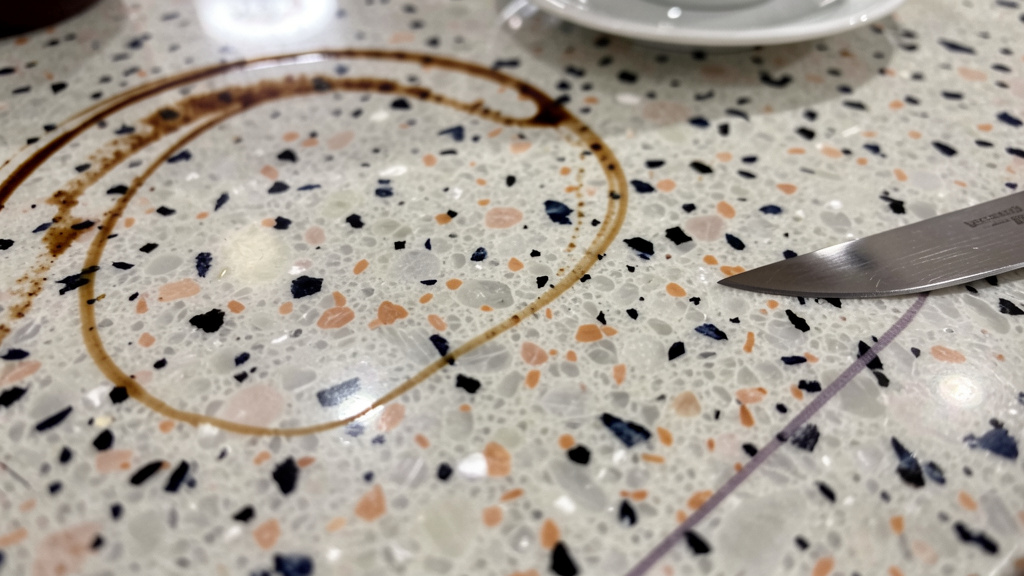
Move beyond aesthetics. Discover how 12 countertop materials truly perform under daily use, with actionable insights to match your lifestyle, budget, and long-term goals.
Selecting a kitchen countertop represents one of the most consequential decisions in any home renovation journey—a choice that impacts daily functionality, long-term maintenance routines, financial investment, and the emotional resonance of your most-used living space. Yet too often, homeowners face overwhelming marketing claims, fragmented online advice, and aesthetic-driven decisions that overlook real-world performance. This comprehensive guide cuts through the noise with an evidence-based, dimension-by-dimension comparison of twelve major countertop materials. Drawing from industry testing standards, aggregated installer reports, homeowner feedback patterns, and material science principles, this resource provides a structured framework to align surface performance with your cooking habits, family dynamics, climate considerations, and value priorities—supporting a selection designed for enduring satisfaction.
Introduction
Walk into any kitchen showroom or scroll through design platforms, and you’ll encounter a mesmerizing gallery of surfaces: veined marble suggesting old-world elegance, speckled granite evoking natural grandeur, seamless quartz promising modern perfection. Yet beneath these visual appeals lies a critical question rarely addressed with sufficient depth: How will this surface truly perform amid the spilled coffee at 6 a.m., the hot skillet at dinner time, the homework sessions and holiday preparations that define kitchen life? Analysis of aggregated homeowner feedback, material failure reports, and professional installer insights reveals a consistent pattern: countertop dissatisfaction stems not from initial beauty, but from misalignment between material properties and household realities. A surface celebrated for dramatic veining may prove challenging for frequent bakers; a budget-friendly option might demand unexpected long-term upkeep. A clear principle emerges across diverse living scenarios: the most successful countertop selections begin not with “What looks best?” but with “How does my household live?” This guide reframes the selection process around six performance dimensions—durability, maintenance, aesthetics, cost, sustainability, and installation integrity—providing an analytical toolkit to transform an emotional consideration into an informed, intentional choice. Your kitchen deserves a surface that works with your life, not against it.
The Six-Dimensional Performance Matrix: Your Decision-Making Framework
Before evaluating any specific material, establish your personal performance priorities. Consider two common scenarios: a household with young children, frequent baking, and weekend entertaining versus empty-nesters who enjoy occasional cooking and value low-maintenance elegance. The optimal countertop for one scenario may create friction in the other. This isn’t about right or wrong choices—it’s about intentional alignment. The Six-Dimensional Performance Matrix provides an objective structure to assess materials based on verifiable, lived-experience criteria. This framework aligns with standards referenced by certified kitchen designers (NKBA), material engineering principles, and professional fabrication practices to isolate factors that consistently influence long-term satisfaction across diverse living contexts.
Why Six Dimensions? The Science Behind the Framework
Material science confirms that countertop performance cannot be reduced to a single metric like “scratch resistance” or “cost per square foot.” Real-world use involves simultaneous stressors: thermal exposure from cookware, chemical interaction with cleaners or acidic foods, physical impact from dropped items, and cumulative wear from daily friction. Each dimension addresses a distinct category of stressor while acknowledging interdependence. For instance, a material’s durability directly influences its maintenance demands and long-term cost. Sustainability considerations increasingly impact material availability and regional pricing. By evaluating all six dimensions holistically—and weighting them according to your household’s specific patterns—you avoid the common pitfall of over-prioritizing one attribute (like initial aesthetics) while underestimating another (like heat sensitivity in a cast-iron cooking household).
Dimension 1: Durability Under Real-World Stress
Durability encompasses four critical sub-factors often conflated in marketing materials:
– Heat Resistance: Measured by sustained temperature tolerance (not just brief contact). Critical for households that place hot cookware directly on surfaces. Materials like granite tolerate brief contact with high temperatures, but prolonged exposure (e.g., a slow cooker left running) can challenge even resilient surfaces. Thermal shock—sudden temperature changes—poses unique risks to materials with internal crystalline structures.
– Scratch & Abrasion Resistance: Evaluated using the Mohs hardness scale (a geological standard) alongside practical kitchen scenarios. A material rated 7 on Mohs (like quartz) resists knife cuts but may show fine scratches from gritty residues (sand on produce, abrasive cleaners). Consider your habits: Do you consistently use cutting boards? If not, this dimension becomes critical.
– Stain Resistance: Beyond “non-porous” claims. True stain resistance involves molecular density, surface seal integrity (for natural stone), and reaction time to spills. Red wine on unsealed limestone may cause permanent alteration quickly; the same spill on properly sealed granite may wipe clean after hours. Acid sensitivity (etching) is a separate but related concern—citrus, vinegar, or wine can dull polished calcium-based stones (marble, limestone) even without deep penetration.
– Impact Resistance: How the material responds to dropped objects (glassware, cans, tools). Brittleness varies significantly: porcelain slabs resist scratches but can chip on sharp impacts at edges; solid surface materials may dent but are repairable; concrete requires proper reinforcement to resist cracking. Edge treatment and substrate support dramatically influence this factor.
Dimension 2: The Maintenance Reality Spectrum
Maintenance extends far beyond “wipe with a damp cloth.” This dimension assesses the actual time, skill, cost, and frequency of required care:
– Daily Routine: Does it require specific pH-neutral cleaners? Will water spots show prominently on dark surfaces, demanding immediate drying? Does texture trap crumbs (e.g., honed finishes, textured concrete)?
– Periodic Upkeep: Sealing frequency for natural stone (every 6–24 months), re-oiling for wood or soapstone (quarterly to annually), professional polishing intervals. Factor in the cumulative cost of sealants, oils, or specialized cleaners over a decade or more.
– Repairability: Can minor scratches be sanded out (solid surface, wood)? Can chips be filled with reasonable invisibility? Or does damage typically necessitate section replacement? Repairability significantly impacts long-term value and peace of mind.
– Longevity of Finish: Does the surface age gracefully (soapstone develops a patina) or show wear unattractively (laminate edges peeling, wood developing uneven dark spots)? Consider whether you prefer evolving character or consistent showroom appearance.
Dimension 3: Aesthetic Versatility & Evolution
Aesthetics involve more than initial color or pattern. Evaluate:
– Design Integration: How easily does the material complement evolving cabinet colors, backsplash trends, or appliance finishes over a 15-year ownership period? Neutral, consistent materials (solid quartz colors) offer flexibility; highly veined or bold patterns may feel dated faster in some contexts.
– Finish Options: Polished (reflective, shows scratches/water spots), honed (matte, hides scratches but stains more readily), leathered (textured, hides fingerprints but traps debris), flamed (rough, slip-resistant). Finish dramatically alters both appearance and performance.
– Batch Consistency: Critical for large kitchens or future repairs. Engineered materials (quartz, solid surface) offer near-identical slabs. Natural stone varies significantly between batches—view full slabs before purchase. Wood and concrete exhibit inherent organic variation.
– Aging Character: Does the material develop desirable patina (soapstone darkens evenly, wood gains warmth) or undesirable deterioration (marble etching creates cloudy spots, laminate yellows)? Align this with your personal philosophy toward “perfect” versus “lived-in” beauty.
Dimension 4: True Cost of Ownership
Move beyond the sticker price per square foot. Calculate:
– Material Cost Range: Base price per sq. ft. (uninstalled), noting regional availability fluctuations. Exotic stones or custom concrete command premiums.
– Installation Complexity Cost: Labor costs vary significantly. Heavy materials (granite, concrete) require reinforced cabinetry and specialized handling. Seams in large kitchens add cost and potential weak points. Complex edge profiles increase fabrication time.
– Lifetime Maintenance Cost: Project 15 years of sealants ($20–$50/application × frequency), professional repairs, or replacement of damaged sections. A $50/sq. ft. material needing $300 in annual upkeep may exceed the long-term cost of a $70/sq. ft. lower-maintenance option.
– Resale Value Context: While subjective, certain materials (quartz, granite) frequently appear in buyer preference surveys for mid-to-high-end homes. However, an impeccably maintained unique surface (well-executed concrete) can become a distinctive feature. Research material perceptions specific to your local real estate market.
Dimension 5: Sustainability & Environmental Impact
Modern considerations increasingly include ecological factors:
– Material Origin & Extraction: Natural stone quarrying impacts landscapes; engineered quartz uses abundant quartz crystals but binds them with petroleum-based resins. Recycled content percentages vary significantly (some glass countertops use 70%+ post-consumer glass; others minimal).
– Manufacturing Footprint: Energy intensity of production (porcelain requires extreme kiln temperatures; solid surface involves chemical processes). Transportation distance from source to fabricator matters—locally sourced soapstone typically has a lower footprint than imported marble.
– Indoor Air Quality: VOC emissions during installation (adhesives, sealants) and potential off-gassing. Look for GREENGUARD Gold certification for low chemical emissions, especially relevant for homes with respiratory sensitivities.
– End-of-Life Disposition: Can the material be recycled (metal, some glass)? Does it biodegrade (wood, with caveats)? Or will it persist in landfills for centuries (most composites)? Durability itself is a sustainability factor—a surface lasting 30+ years generates less waste than one replaced multiple times.
Dimension 6: Installation Integrity & Long-Term Stability
Even the most resilient material underperforms with compromised installation. This dimension assesses:
– Substrate Requirements: Does cabinetry need reinforcement for heavy materials (granite averages 18–20 lbs/sq. ft.; quartz 15–17 lbs)? Inadequate support can cause sagging or cracks over time.
– Seam Management: Location, visibility, and structural integrity of seams. Skilled fabricators place seams at natural break points (sink edges, cooktop cutouts) and use color-matched epoxy. Poor seams become dirt traps and weak points.
– Expansion/Contraction Tolerance: Materials react differently to humidity and temperature shifts. Wood expands significantly; concrete requires expansion joints. Improper accommodation leads to cracks or separation from walls.
– Edge Profile Functionality: Beyond aesthetics, edges impact usability. A sharp 90-degree edge chips easily and feels harsh; an eased or bullnose edge is more forgiving for elbows and dropped items. Consider household movement patterns and safety needs.
The Performance Comparison Matrix: At-a-Glance Material Ratings
Scale: ★★★★★ = Exceptional Performance | ★☆☆☆☆ = Significant Limitation | Ratings reflect typical residential use with standard installation and maintenance. Individual results vary based on specific product formulation, installer skill, regional climate, and usage patterns.
| Material | Heat Resist | Scratch Resist | Stain Resist | Maintenance | Aesthetic Flex | True Cost (15yr) | Sustainability | Overall Fit |
|---|---|---|---|---|---|---|---|---|
| Quartz | ★★★★☆ | ★★★★★ | ★★★★★ | ★★★★★ | ★★★★☆ | ★★★★☆ | ★★★☆☆ | ★★★★☆ |
| Granite | ★★★★★ | ★★★★☆ | ★★★★☆* | ★★★☆☆ | ★★★★☆ | ★★★★☆ | ★★★☆☆ | ★★★★☆ |
| Marble | ★★★☆☆ | ★★☆☆☆ | ★★☆☆☆* | ★★☆☆☆ | ★★★★★ | ★★☆☆☆ | ★★★☆☆ | ★★☆☆☆ |
| Quartzite | ★★★★★ | ★★★★★ | ★★★★☆* | ★★★☆☆ | ★★★★☆ | ★★★☆☆ | ★★★☆☆ | ★★★★☆ |
| Soapstone | ★★★★★ | ★★☆☆☆ | ★★★★☆ | ★★★☆☆ | ★★★☆☆ | ★★★★☆ | ★★★★☆ | ★★★☆☆ |
| Solid Surface | ★★☆☆☆ | ★★★☆☆ | ★★★★☆ | ★★★★☆ | ★★★★★ | ★★★★☆ | ★★★☆☆ | ★★★★☆ |
| Laminate | ★☆☆☆☆ | ★★☆☆☆ | ★★★☆☆ | ★★★★☆ | ★★★★☆ | ★★★★★ | ★★☆☆☆ | ★★★☆☆ |
| Butcher Block | ★☆☆☆☆ | ★☆☆☆☆ | ★★☆☆☆ | ★★☆☆☆ | ★★★★☆ | ★★★☆☆ | ★★★★☆ | ★★☆☆☆ |
| Concrete | ★★★★☆ | ★★★☆☆ | ★★☆☆☆* | ★★☆☆☆ | ★★★★★ | ★★★☆☆ | ★★★★☆ | ★★★☆☆ |
| Stainless Steel | ★★★★★ | ★★☆☆☆ | ★★★★☆ | ★★★☆☆ | ★★★☆☆ | ★★★☆☆ | ★★★★★ | ★★★☆☆ |
| Recycled Glass | ★★★★☆ | ★★★★☆ | ★★★★☆ | ★★★★☆ | ★★★★☆ | ★★★☆☆ | ★★★★★ | ★★★★☆ |
| Porcelain Slab | ★★★★★ | ★★★★★ | ★★★★★ | ★★★★★ | ★★★★☆ | ★★★★☆ | ★★★★☆ | ★★★★★ |
*Critical Note: Natural stone ratings (Granite, Marble, Quartzite) assume proper sealing. Unsealed performance drops significantly (Stain Resist: ★☆☆☆☆). Soapstone and concrete require mineral oil application or sealing for optimal performance. Always verify specific product specifications.
The Fundamental Principle: The ideal countertop isn’t about maximizing every dimension on the matrix. It’s about identifying your household’s top two non-negotiable priorities and selecting a material that excels in those areas while acceptably meeting the others. A busy household with young children might prioritize Stain Resistance and Impact Resistance above all—making quartz or porcelain slab a rational choice, even if marble’s aesthetics are personally preferred. An artisan baker who values knife-friendly surfaces and appreciates evolving patina might embrace butcher block’s maintenance rhythm. Clarity on your non-negotiables transforms overwhelming choice into confident decision-making.
Deep Dive: Performance Analysis of 12 Countertop Materials
Quartz (Engineered Stone)
Composition & Origin: Approximately 90–95% ground natural quartz crystals bound with 5–10% polymer resins and pigments. Manufactured in controlled factory settings globally. Pigments enable consistent coloration and patterns impossible in nature.
Performance Breakdown:
Durability: Exceptional scratch resistance (Mohs 7) provides strong resistance to knife cuts and daily abrasion. Heat resistance is good up to approximately 150°F (65°C); prolonged contact with very hot items (>300°F) can potentially damage resins, causing discoloration—consistent trivet use is recommended. Non-porous structure provides outstanding resistance to stains from wine, oil, or citrus; no sealing required. Impact resistance is moderate; sharp, heavy impacts on edges can chip the surface.
Maintenance: Among the lowest-maintenance premium options. Daily cleaning requires only mild soap and water. No sealing, polishing, or special conditioners. Avoid harsh abrasives (Comet, Bar Keepers Friend) which can dull the surface over time. Minor scratches are difficult to repair invisibly due to the composite nature.
Aesthetics: Unmatched consistency and versatility. From ultra-matte “concrete-look” finishes to dramatic veining mimicking marble (without etching vulnerability), and solid colors. Large slab sizes (up to 128″ x 63″) minimize seams in average kitchens. Batch-to-batch consistency ensures future repairs match closely.
Cost Analysis: Material: $55–$150/sq. ft. installed. Higher-end collections command premiums. Installation is straightforward for experienced fabricators. Lifetime maintenance cost is negligible. Generally holds strong resale value in most markets due to perceived durability and modern appeal.
Sustainability: Mixed profile. Abundant quartz aggregate is a plus, but petroleum-based resins and energy-intensive manufacturing are considerations. Some brands incorporate recycled content (glass, mirrors) and pursue GREENGUARD certification for low VOC emissions. Non-recyclable at end-of-life in most municipal systems.
Ideal For: Households with children, busy professionals, cooks using acidic ingredients frequently, those seeking reliable low-maintenance surfaces, modern/contemporary design schemes.
Non-Ideal For: Those seeking authentic natural stone variation, households routinely placing extremely hot cookware directly on counters without protection, budgets under $50/sq. ft. installed.
Illustrative Scenario: In a documented case study, a household with young children selected a medium-gray quartz with subtle speckling. Over several years: common spills like fruit smoothies were easily wiped clean; dropped ceramic items typically chipped the item rather than the counter; consistent use of trivets with hot items prevented damage. With routine cleaning, the surface maintained its appearance. A noted consideration was the benefit of extending the material to a full-height backsplash for easier maintenance.
Critical Consideration: While heat-resistant, the resin binder has limits. A cast-iron skillet fresh from a high-temperature oven left directly on quartz may cause discoloration or micro-cracks. Always use trivets rated for high heat. Verify the specific product’s heat tolerance specifications—some manufacturers offer limited coverage for heat-related issues.
Granite (Natural Stone)
Composition & Origin: Igneous rock formed from cooled magma, composed primarily of quartz, feldspar, and mica. Quarried globally (Brazil, India, Canada, USA). Each slab is geologically unique, with patterns determined by mineral composition.
Performance Breakdown:
Durability: Excellent heat resistance—brief contact with very hot items (up to approximately 1,200°F) is generally safe due to its crystalline structure. High scratch resistance (Mohs 6–7); knives won’t scratch it, but abrasive grit can cause fine surface wear over years. Stain resistance is highly variable by specific granite type. Dense granites (Ubatuba, Absolute Black) resist stains well; more porous varieties require diligent sealing. Always perform a water test: if a droplet darkens the stone within 10 minutes, sealing is essential.
Maintenance: Requires periodic sealing (every 1–3 years depending on stone density and sealer quality). Test seal integrity annually with a water droplet test. Clean with pH-neutral stone cleaners; avoid vinegar, lemon juice, or abrasive pads which degrade sealant over time. Chips can often be repaired by professionals with color-matched epoxy.
Aesthetics: Unbeatable organic beauty and depth. Light reflects differently through crystalline structures, creating dynamic visual interest that changes with daylight. Available in thousands of unique patterns. Large slabs minimize seams. Honed (matte) finishes hide scratches better but show stains more readily; polished finishes are more stain-resistant but show water spots and fine scratches.
Cost Analysis: Material: $40–$100+/sq. ft. installed. Exotic colors command significant premiums. Installation requires skilled handling due to weight. Long-term costs include sealants ($20–$50/application) and potential professional resealing. Generally holds strong resale value, particularly in traditional or transitional homes.
Sustainability: Quarrying impacts landscapes, but granite is abundant and extremely durable (50+ year lifespan reduces replacement frequency). Low processing energy compared to engineered materials. Locally quarried options reduce transportation footprint. Fully inert and non-toxic once installed.
Ideal For: Homeowners who value unique natural beauty, frequent cooks who place hot pots directly on counters (with awareness of thermal shock risks), traditional or rustic design aesthetics, those who appreciate surfaces that age gracefully with proper care.
Non-Ideal For: Households seeking perfectly uniform appearance, those unwilling to perform periodic sealing, environments with high exposure to acidic substances without immediate cleanup.
Illustrative Scenario: A documented case involving a retired chef selected a heavily veined granite after performing density tests. Over seven years: minor etching from acidic exposure left subtle marks the owner viewed as character; a dropped knife caused a tiny chip near the sink repaired invisibly by a professional; the surface withstood direct contact with hot cookware. The owner appreciated the “living” quality of the stone with consistent maintenance.
Critical Consideration: Never assume “granite = stain-proof.” Density varies significantly. Request a sample and perform the water absorption test before purchase: place a few drops of water on the unsealed sample. If it beads up for 15+ minutes, it’s dense. If it soaks in quickly, it will require very frequent sealing and may not suit high-stain-risk kitchens.
Marble
Composition & Origin: Metamorphic rock formed from limestone under heat and pressure, primarily composed of calcite or dolomite. Famous sources include Carrara (Italy), Calacatta (Italy), and Danby (USA). Prized for dramatic, flowing veining.
Performance Breakdown:
Durability: Moderate heat resistance—brief contact with hot items is usually safe, but thermal shock can cause cracking. Very poor scratch resistance (Mohs 3–4); easily scratched by knives, grit, or abrasive cleaners. Extremely poor stain and etch resistance. Acidic substances (wine, vinegar, citrus, tomatoes) react chemically with calcite, causing permanent dull spots (etching) even if wiped immediately. Oils can penetrate and stain unsealed areas. Requires immediate spill cleanup.
Maintenance: High-maintenance. Requires sealing every 6–12 months. Despite sealing, etching from acids is unavoidable with regular use—it’s a chemical reaction, not a stain. Many owners embrace etching as “patina,” but it permanently alters the polished surface. Cleaning requires only pH-neutral products; never use vinegar or lemon-based cleaners. Professional polishing can restore shine but removes surface layer, thinning the slab over decades.
Aesthetics: Unmatched elegance and timeless luxury. The dramatic veining creates a unique, artistic focal point. Polished finish offers high reflectivity; honed finish reduces etching visibility but increases stain risk. Develops a distinctive patina over time—some find this charming, others see deterioration.
Cost Analysis: Material: $60–$250+/sq. ft. installed. Calacatta and book-matched installations are premium. Installation complexity similar to granite. Significant long-term costs: frequent sealing, potential professional polishing every few years ($300–$800), and possible slab replacement if damage is severe. Resale value is polarizing—highly desirable in luxury markets with informed buyers, but a concern for families seeking low-maintenance surfaces.
Sustainability: Similar quarrying impacts to granite. Very long potential lifespan if meticulously maintained. Some historic marble surfaces have lasted centuries. However, higher replacement rates due to damage in modern kitchens may reduce net sustainability benefit.
Ideal For: Low-traffic kitchens (e.g., secondary prep kitchen), bakers who value the cool, smooth surface for pastry work (and accept etching), homeowners who deeply appreciate evolving patina as “history,” formal show kitchens with minimal daily use.
Non-Ideal For: Households with children, daily cooks using acidic ingredients, those seeking pristine appearance long-term, anyone unwilling to accept visible wear as part of the material’s character.
Illustrative Scenario: In a documented installation, honed Carrara marble was selected for a primary kitchen. Within six months: acidic exposure left faint etch marks; a red wine spill caused a temporary stain (removed with poultice) but left a subtle shadow; fine scratches appeared near high-use zones. The owner now uses coasters consistently and views the subtle marks as part of the surface’s story, but noted it would be less suitable for a high-traffic family kitchen.
Critical Consideration: Installing polished marble in a high-use kitchen expecting it to stay pristine sets unrealistic expectations. Etching is inevitable with normal cooking involving acids. If you desire marble’s look without its vulnerabilities, high-quality quartz options replicate the veining with superior performance. Honed marble hides etching better than polished but shows stains more readily—understand this trade-off.
Quartzite
Composition & Origin: Metamorphic rock formed when sandstone is subjected to extreme heat and pressure, fusing quartz grains. Often confused with marble due to similar veining, but geologically distinct and far more durable. Sources include Brazil (Taj Mahal, White Macaubas), India, and the USA.
Performance Breakdown:
Durability: Exceptional heat resistance—superior to granite, withstands direct contact with very hot items. Excellent scratch resistance (Mohs 7), comparable to quartz. Stain resistance is generally very good due to high quartz content, but varies significantly by specific stone. Some quartzites contain calcite veins vulnerable to etching from acids. Always perform acid and water tests before purchase.
Maintenance: Requires sealing (every 1–2 years), though less frequently than marble. Clean with stone-safe products. Etching on calcite veins is possible but less severe than on pure marble. Chips can be repaired professionally.
Aesthetics: Offers the dramatic, flowing veining of marble with greater durability. Colors range from pure whites (White Macaubas) to warm golds and grays (Taj Mahal). Polished finish enhances depth and veining; leathered finish adds texture and hides minor imperfections. More consistent in performance than marble but retains natural variation.
Cost Analysis: Material: $70–$150+/sq. ft. installed. Premium due to quarrying difficulty and demand. Installation similar to granite. Long-term costs include sealing and potential professional care. Strong and growing resale value as awareness of its marble-like appearance with granite-like durability increases.
Sustainability: Similar profile to granite—quarrying impacts offset by extreme longevity and low processing needs. Abundant material source.
Ideal For: Homeowners who love marble’s aesthetic but need greater durability for daily cooking, bakers appreciating the cool surface, those seeking a distinctive natural stone with high performance.
Non-Ideal For: Budget-conscious projects, households unwilling to test specific slabs for calcite content, those seeking perfectly uniform appearance.
Illustrative Scenario: A homeowner selected Taj Mahal quartzite after their fabricator performed acid tests on the slab. After four years: hot pans placed directly caused no damage; acidic exposure left a faint mark only on one specific golden vein (which they now avoid placing acidic items on); the surface cleaned easily with minimal staining. They appreciated the unique character without constant anxiety.
Critical Consideration: Never assume all quartzite is etch-proof. Some varieties contain marble-like calcite veins. Demand a sample and perform two tests: 1) Water test for absorption (sealing need), 2) Acid test: place a drop of lemon juice or vinegar on an inconspicuous area for 5 minutes. If it leaves a dull spot, that area is vulnerable to etching. Choose slabs with minimal reactive veins for high-use zones.
Soapstone
Composition & Origin: Metamorphic rock composed primarily of talc, magnesite, and chlorite. Quarried mainly in Brazil, India, and the USA (Virginia, Pennsylvania). Naturally soft and non-porous.
Performance Breakdown:
Durability: Excellent heat resistance—ideal for placing hot pots directly; used historically for stoves and lab counters. Poor scratch resistance (Mohs 1–2); easily scratched by knives, keys, or abrasive pads. However, scratches are part of its character and can be minimized with mineral oil. Non-porous structure provides excellent stain resistance; oils and acids won’t penetrate. Develops a darkening patina over time with oil application.
Maintenance: Requires regular application of mineral oil (initially weekly, then monthly, tapering to quarterly) to maintain even color and minimize scratch visibility. Scratches can be sanded lightly and re-oiled. No sealing needed. Cleaning is simple with soap and water.
Aesthetics: Soft, matte finish with subtle gray-green hues. Develops a rich, dark charcoal patina with oiling and use. Scratches blend into the evolving surface. Offers old-world, artisanal charm. Limited color variation compared to granite or marble.
Cost Analysis: Material: $70–$120/sq. ft. installed. Moderate installation complexity. Long-term costs are low (mineral oil is inexpensive) but require consistent effort. Resale value is niche—highly appreciated by historic home enthusiasts or rustic design lovers, less recognized by mainstream buyers.
Sustainability: Low-impact quarrying (relatively soft stone), abundant material, minimal processing required. Non-toxic and inert. Very long lifespan with proper care.
Ideal For: Historic home restorations, rustic or farmhouse kitchens, lab-style aesthetics, homeowners who enjoy hands-on maintenance and appreciate evolving patina, bakers valuing the cool, non-porous surface.
Non-Ideal For: Those seeking a pristine, unchanging surface, households unwilling to commit to oiling routine, modern minimalist designs requiring sharp edges (soapstone is too soft for crisp edges).
Illustrative Scenario: Soapstone was installed in a historic bungalow kitchen. With monthly oiling, after five years: the surface darkened to a uniform charcoal; fine scratches from daily use blended into the patina; hot cast-iron skillets were placed directly on the counter without concern. The owner found the maintenance ritual satisfying and loved how the counter reflected years of use.
Critical Consideration: Soapstone will scratch. If this causes concern, choose another material. Embrace the scratches as part of its evolving character, or avoid soapstone entirely. Also, ensure your fabricator uses appropriate techniques—soapstone requires different tools than granite.
Solid Surface (e.g., Corian, Hi-Macs)
Composition & Origin: Homogeneous composite of 1/3 acrylic or polyester resin and 2/3 natural minerals (alumina trihydrate). Manufactured in sheets with consistent color throughout. Pioneered by DuPont (Corian).
Performance Breakdown:
Durability: Poor heat resistance—direct contact with hot items (>212°F) causes permanent burns or discoloration. Moderate scratch resistance; fine scratches occur but can be sanded out. Excellent stain resistance due to non-porous nature; no sealing required. Seamless joints are a major advantage—sinks can be integrated invisibly. Impact resistance is good; dents rather than chips.
Maintenance: Very low daily maintenance. Clean with mild soap. Minor scratches and burns can be repaired by homeowners with fine sandpaper (220–400 grit) and polishing compound—this repairability is a key advantage. Avoid abrasive cleaners which accelerate surface wear.
Aesthetics: Unlimited color and pattern options, including solid colors, granite/marble mimics, and custom designs. Seamless appearance (no visible seams) creates a clean, modern look. Matte finish hides scratches well. Can be thermoformed into curves and integrated sinks.
Cost Analysis: Material: $50–$100/sq. ft. installed. Installation requires specialized tools for seaming and thermoforming. Long-term value is high due to repairability—damage rarely requires full replacement. Strong resale value in contemporary and healthcare-inspired designs.
Sustainability: Acrylic-based versions generally have better environmental profiles than polyester. Some brands incorporate recycled content. Non-toxic when installed. Can be recycled by manufacturers in some programs.
Ideal For: Modern kitchens with integrated sinks, households valuing seamless hygiene (no grout lines), DIY-inclined homeowners comfortable with minor repairs, commercial or healthcare settings adapted for residential use.
Non-Ideal For: Households that place hot cookware directly on counters, those seeking natural stone aesthetics, environments with frequent high-heat exposure.
Illustrative Scenario: A family chose a warm white solid surface with an integrated sink for their minimalist kitchen. After six years: a dropped knife left a shallow scratch sanded out in minutes with the included repair kit; a forgotten hot mug left a faint ring removed with light sanding; the seamless sink area remained hygienic and easy to clean with young children. They appreciated the “forgiving” nature of the surface.
Critical Consideration: Never use it as a trivet surface. Always use trivets. While repairable, burns are more difficult to fix than scratches. Also, ensure your installer is certified—poor seams become visible and weak points over time. Request to see examples of their seam work.
Laminate (Post-Formed & High-Pressure)
Composition & Origin: Layers of kraft paper impregnated with melamine resin, fused under high pressure and heat to a particleboard or plywood core. Decorative layer provides color/pattern. Brands include Formica, Wilsonart.
Performance Breakdown:
Durability: Very poor heat resistance—hot items cause immediate blistering or scorching. Poor scratch resistance; cuts from knives or abrasive pads are permanent. Stain resistance is good on the surface if the decorative layer remains intact, but edges are vulnerable. Moisture exposure at seams or edges causes swelling and delamination of the core.
Maintenance: Simple daily cleaning. However, damage is irreversible. Scratches, burns, or edge damage cannot be repaired—only covered or replaced. Requires vigilant use of cutting boards and trivets.
Aesthetics: Vast design library—solid colors, wood grains, stone patterns, metallics. Modern high-definition printing creates remarkably realistic stone and concrete looks. Limited to standard edge profiles (typically post-formed with built-in backsplash). Seams are visible.
Cost Analysis: Material: $15–$50/sq. ft. installed. Lowest upfront cost. However, shorter lifespan (10–20 years) and vulnerability to damage may lead to earlier replacement. Resale value is generally low in mid-to-high-end markets, though modern designs are gaining acceptance in budget-conscious or rental properties.
Sustainability: Core materials often contain recycled content. Low manufacturing energy. However, short lifespan and non-recyclable composite nature reduce overall sustainability. Some brands offer eco-friendly lines with recycled content and low-VOC resins.
Ideal For: Budget renovations, rental properties, temporary kitchens, craft rooms or laundry rooms where aesthetics matter more than heavy use, retro design schemes embracing vintage laminate patterns.
Non-Ideal For: Primary family kitchens with heavy daily use, households seeking long-term investment, environments with high heat or moisture exposure.
Illustrative Scenario: Marble-look laminate was installed in a rental property kitchen. After three years: a tenant placed a hot pan directly on the counter, causing a permanent blister; water seeped under the edge near the sink, causing slight swelling. The section was replaced for under $300. For this use case (rental), the low initial cost justified the replacement expense.
Critical Consideration: Water is laminate’s primary vulnerability. Ensure all edges, especially near sinks and dishwashers, are properly sealed during installation. Consider “waterproof core” laminates (like Formica ColorCore) which resist swelling if the surface is breached. Avoid installation in consistently high-moisture zones without meticulous edge sealing.
Butcher Block (Wood)
Composition & Origin: Solid wood planks (maple, walnut, oak, bamboo) or laminated strips glued together. Construction types: edge-grain (most common, durable), end-grain (most knife-friendly, expensive), face-grain (most aesthetic, least durable).
Performance Breakdown:
Durability: Very poor heat resistance—hot items cause burns or cracks. Poor scratch resistance; designed to be cut on, but deep cuts harbor bacteria if not maintained. Stain resistance is poor; oils, wines, and juices penetrate untreated wood. Requires diligent oiling to maintain water resistance. Susceptible to warping or cracking with humidity changes if not acclimated and maintained properly.
Maintenance: High commitment. Requires regular application of food-grade mineral oil or beeswax (initially weekly, then monthly). Deep cuts should be sanded periodically. Must be kept dry; standing water causes swelling. Sanitizing requires vinegar solutions or specialized wood cleaners—never submerge.
Aesthetics: Warm, inviting, and timeless. Develops a rich patina with use. End-grain construction shows a distinctive checkerboard pattern. Can be sanded and refinished multiple times over decades, effectively renewing the surface.
Cost Analysis: Material: $35–$100+/sq. ft. installed (end-grain premium). Installation is straightforward. Long-term costs include oils, sandpaper, and potential professional refinishing every 5–10 years. Resale value is positive in farmhouse, rustic, or artisanal kitchens but may raise concerns in contexts expecting non-porous surfaces.
Sustainability: Renewable resource if sourced from sustainably managed forests (look for FSC certification). Biodegradable at end-of-life. Bamboo is rapidly renewable but often involves chemical processing and adhesives.
Ideal For: Dedicated baking stations, farmhouse kitchens, wood enthusiasts who enjoy maintenance rituals, households that prefer cutting directly on the counter (with proper sanitation protocols), islands used primarily for food prep.
Non-Ideal For: Primary countertops in busy family kitchens, areas near sinks or dishwashers (moisture risk), households unwilling to commit to oiling routine, those with concerns about bacterial harborage in cuts.
Illustrative Scenario: Maple edge-grain butcher block was installed on a kitchen island specifically for food prep. With monthly oiling, after four years: the surface showed knife marks sanded lightly twice yearly; hot items were never placed directly on it; the owner appreciated the warm feel during food preparation. Quartz was used on perimeter counters for cleanup zones, creating a functional hybrid solution.
Critical Consideration: Wood and constant moisture/heat are incompatible. Best used strategically on islands or peninsulas away from wet zones and cooktops. Always use a dedicated cutting board for raw meat to prevent cross-contamination. Never install as the sole countertop surface surrounding sinks or dishwashers.
Concrete
Composition & Origin: Custom-cast mixture of cement, aggregates (sand, stone), water, and additives (pigments, fibers for strength). Typically poured onsite or pre-cast in a workshop. Highly artisanal.
Performance Breakdown:
Durability: Good heat resistance for brief contact, but thermal shock can cause cracking. Moderate scratch resistance; surface can be polished to hardness, but sharp impacts chip edges. Poor stain resistance unless properly sealed; porous nature absorbs oils and acids readily. Requires high-quality penetrating sealer and regular reapplication. Prone to hairline cracks over time due to natural curing shrinkage and substrate movement—often considered part of its charm.
Maintenance: High. Requires sealing every 1–2 years. Clean with pH-neutral cleaners; avoid acids. Stains must be addressed immediately. Chips and cracks can be patched by professionals but may remain visible.
Aesthetics: Ultimate customization—color, aggregate exposure, texture, embedded items (glass, shells). Develops a unique patina. Can be cast with integrated sinks, drain boards, or curves. Raw, industrial, or organic aesthetic.
Cost Analysis: Material: $85–$150+/sq. ft. installed. Highly variable based on artisan skill and complexity. Installation is labor-intensive and requires skilled craftsmen. Long-term costs include sealers and potential repairs. Resale value is highly dependent on execution and buyer taste—can be a standout feature or a deterrent.
Sustainability: Cement production is energy-intensive and high-CO2. However, local sourcing of materials, use of recycled aggregates (glass, crushed stone), and extreme longevity improve profile. Non-toxic when fully cured.
Ideal For: Architectural showpieces, modern industrial designs, homeowners seeking one-of-a-kind artistry, situations where integration with other concrete elements (floors, walls) is desired.
Non-Ideal For: Budget projects, households seeking low maintenance, environments with high risk of spills or acidic exposure, DIY installation (requires significant expertise).
Illustrative Scenario: A custom concrete countertop with subtle blue glass aggregate was commissioned for a loft kitchen. With annual resealing using a high-performance epoxy sealer, after five years: minor hairline cracks appeared near the sink (deemed acceptable by the owners); a red wine spill wiped clean immediately with no stain; the surface maintained its sculptural quality. The owners cherished its unique, artisanal character.
Critical Consideration: Concrete is unforgiving of fabrication errors—poor mix ratios, inadequate reinforcement, or improper curing lead to cracks, stains, or structural issues. Review portfolios extensively, ask for references, and verify the artisan’s sealing protocol. Never skip the sealer maintenance schedule. Discuss realistic expectations for hairline cracking upfront.
Stainless Steel
Composition & Origin: Alloy of iron, chromium (min. 10.5%), nickel, and other elements. Gauge (thickness) matters—16-gauge is standard for residential; 14-gauge is heavier duty. Common in commercial kitchens.
Performance Breakdown:
Durability: Excellent heat resistance—ideal for placing hot pots directly. Poor scratch resistance; shows fine scratches (hairlines) and fingerprints immediately. Excellent stain resistance; non-porous and impervious to acids. Impact resistance is good; dents rather than chips, but deep dents are difficult to repair.
Maintenance: Daily cleaning requires specific stainless steel cleaners to minimize streaks and maintain luster. Fingerprints and water spots are highly visible on polished finishes; brushed finishes hide them better. Scratches can be minimized with grain-direction cleaning but accumulate over time.
Aesthetics: Sleek, modern, professional. Reflects light, making small kitchens feel larger. Brushed finish is most practical for homes. Can feel cold and institutional if not balanced with warm materials (wood cabinets, textured backsplash).
Cost Analysis: Material: $75–$150/sq. ft. installed. Requires skilled metal fabrication for seams and edges. Long-term maintenance costs are low (cleaners), but aesthetic wear is inevitable. Resale value is niche—highly desirable in modern lofts or chef-focused kitchens, less so in traditional homes.
Sustainability: Highly recyclable (often made with recycled content). Extremely durable and long-lasting. Low environmental impact during use phase.
Ideal For: Modern/industrial kitchens, chef enthusiasts, households prioritizing hygiene (non-porous, easy to sanitize), coastal homes (resists salt air), integrated appliance aesthetics.
Non-Ideal For: Those seeking warm aesthetics, households concerned about visible scratches/fingerprints, environments where noise (clattering dishes) is a concern.
Illustrative Scenario: Brushed stainless steel counters were installed in a home kitchen by a cooking enthusiast. After seven years: the surface developed fine hairline scratches viewed as “badges of honor”; it withstood direct contact with hot pans; daily cleaning with a microfiber cloth and stainless cleaner maintained functionality. Warm wood open shelving was used to soften the overall look.
Critical Consideration: Avoid polished (mirror) finish for busy kitchens—it shows every fingerprint, water spot, and scratch instantly. Opt for a #4 brushed finish—it hides wear significantly better while maintaining the stainless aesthetic. Ensure edges are properly rolled or capped to prevent sharp edges. Consider noise levels with dishware.
Recycled Glass
Composition & Origin: Chips of post-consumer or post-industrial glass (bottles, windows) suspended in a binder—either cementitious (concrete-like) or resin-based (similar to terrazzo). Brands include Vetrazzo, IceStone.
Performance Breakdown:
Durability: Good heat resistance with resin binders; cementitious versions require trivets. Scratch resistance depends on binder—resin-based is harder. Stain resistance is excellent with resin binders (non-porous); cementitious versions require sealing and are vulnerable to acids. Impact resistance is moderate; glass chips can pop out if struck sharply (rare with quality fabrication).
Maintenance: Resin-based versions: clean like quartz, no sealing. Cementitious versions: require sealing like concrete. Avoid abrasive cleaners which can scratch the glass surface.
Aesthetics: Vibrant, mosaic-like appearance. Glass pieces catch and reflect light beautifully. Colors depend on glass source—can be customized. Offers strong visible eco-credentials.
Cost Analysis: Material: $80–$130/sq. ft. installed. Premium due to artisanal production. Installation similar to solid surface. Long-term value is good for resin-based versions; cementitious require more upkeep. Resale value is positive among environmentally conscious buyers.
Sustainability: Major strength—diverts glass from landfills. Resin binders have petroleum components; cementitious binders have higher embodied energy. Overall, one of the most visibly sustainable options available.
Ideal For: Eco-conscious homeowners, colorful or artistic kitchen designs, statement islands, modern or eclectic aesthetics.
Non-Ideal For: Those seeking subtle, neutral surfaces, households with very young children (potential concern about glass chips if severely damaged—though rare with quality fabrication), tight budgets.
Illustrative Scenario: A resin-based recycled glass countertop with sea-glass colors was chosen for an eco-focused renovation. After four years: spills wiped clean effortlessly; no sealing required; the surface held up to daily family use with only minor surface scratches invisible under the glass texture. Owners appreciated highlighting the recycled content.
Critical Consideration: Clarify the binder type before purchasing. Resin-based (like Vetrazzo) are non-porous and low-maintenance. Cementitious (like some IceStone variants) require sealing and are vulnerable to etching. Verify maintenance requirements and suitability for your usage patterns.
Porcelain Slab
Composition & Origin: Ultra-compact surface made from refined clays, feldspar, and silica, fired at extremely high temperatures (over 1,200°C). Brands include Neolith, Laminam, Dekton. Technically distinct from traditional ceramic tile.
Performance Breakdown:
Durability: Exceptional across the board. Highest heat resistance of common countertop materials—safe for direct contact with very hot items. Extreme scratch resistance (Mohs 7–8); resistant to knives and abrasives. Completely non-porous—zero stain or bacterial penetration under normal conditions. Excellent UV resistance (won’t fade in sunlight). Impact resistance is good but edges can chip if struck sharply.
Maintenance: Lowest maintenance of any material discussed. Clean with any household cleaner, including bleach or acids (vinegar). No sealing, polishing, or special conditioners ever required. Scratches are virtually impossible under normal residential use.
Aesthetics: Stunning realism—high-definition digital printing replicates marble, wood, concrete, or metal with incredible accuracy. Large format slabs (up to 10+ ft long) minimize seams in average kitchens. Available in matte, satin, or polished finishes. Consistent batch-to-batch.
Cost Analysis: Material: $70–$120/sq. ft. installed. Installation requires specialized tools (diamond blades) due to hardness. Higher initial cost offset by zero lifetime maintenance costs. Strong and growing resale value as awareness increases.
Sustainability: Made from abundant natural materials. Manufacturing is energy-intensive but improving. Some brands use recycled content. Extremely long lifespan reduces replacement frequency. Non-toxic and inert.
Ideal For: High-traffic family kitchens, households seeking absolute low maintenance, modern designs requiring large seamless surfaces, outdoor kitchens (UV and weather resistant), healthcare-conscious environments.
Non-Ideal For: Budget-conscious projects under $60/sq. ft., those seeking authentic natural stone variation (though visuals are highly convincing), situations requiring complex curved fabrication (less flexible than solid surface).
Illustrative Scenario: A porcelain slab mimicking Calacatta marble was installed in an open-plan kitchen with active teenagers. After two years: spilled beet juice wiped clean instantly; hot baking sheets placed directly caused no damage; the surface looked identical to installation day with only daily wiping. Owners reported zero anxiety about spills or heat.
Critical Consideration: Verify the product is specifically engineered and warrantied for countertop use. True ultra-compact porcelain slabs (Neolith, Dekton) differ significantly from standard large-format porcelain tiles, which lack the thickness, edge treatment, and impact resistance required. Work with fabricators experienced in porcelain slab installation.
Beyond the Slab: Installation Nuances That Impact Performance
Performance isn’t solely inherent to the material—it’s co-created by fabrication and installation quality. These often-overlooked elements determine whether your countertop delivers decades of service or becomes a source of frustration.
Edge Profiles: Function Meets Form
Edge treatment significantly influences durability, safety, and daily usability. While aesthetics drive initial selection, functional implications deserve equal weight:
– Eased Edge (¼” radius): The most practical residential choice. Softens the sharp 90-degree corner of the slab, reducing chip risk and providing a comfortable surface for leaning elbows. Minimal visual impact, works with all styles. Highly recommended for households with children.
– Bullnose (Full Round): Completely rounded edge. Extremely chip-resistant and comfortable. Best for traditional, cottage, or heavily used kitchens. Can feel dated in ultra-modern schemes.
– Bevel: Angled edge (typically 45 degrees). Creates subtle shadow lines. More vulnerable to chipping on the sharp angle than eased edges. Requires precise fabrication.
– Ogee, Dupont, Waterfall: Decorative profiles adding architectural interest. Increase fabrication cost and complexity. Intricate profiles (ogee) create crevices that trap debris and are harder to clean. Waterfall edges (extending down cabinet sides) are dramatic but vulnerable to impact damage at the bottom corner—ensure adequate clearance from foot traffic.
– Critical Insight: Thicker edges (2cm vs. 3cm slabs) aren’t inherently stronger. A well-fabricated 2cm slab with a laminated edge (two layers glued) often outperforms a poorly supported 3cm slab. Discuss structural requirements with your fabricator based on overhangs and cabinet support.
Seam Strategy: Minimizing Weak Points
Seams are inevitable in kitchens exceeding slab dimensions (typically 10–12 ft). Their placement and execution critically impact aesthetics and function:
– Strategic Placement: Skilled fabricators position seams at natural breaks: behind the sink, at cooktop cutouts, or where countertops change direction. Avoid seams in high-traffic zones (center of prep area) or where heavy items rest frequently.
– Seam Width & Color Matching: Premium installations achieve seams under 1/16″ wide. Epoxy color is meticulously matched to the countertop—view the mixed epoxy on a sample before approval. Mismatched seams become permanent visual distractions.
– Structural Integrity: Seams must be reinforced underneath with brackets or corbels, especially for overhangs. Ask your fabricator about their seam reinforcement protocol. A weak seam can separate over time with cabinet movement or heavy loads.
– Material-Specific Considerations: Quartz and granite seams are most visible on busy patterns; solid surface and stainless steel allow nearly invisible seams. Porcelain slabs’ large sizes often eliminate seams entirely in average kitchens—a significant advantage.
Substrate & Support: The Unseen Foundation
Cabinetry must support the countertop’s weight and prevent stress fractures:
– Weight Load: Granite (18–20 lbs/sq. ft.), concrete (20+ lbs/sq. ft.), and quartz (15–17 lbs/sq. ft.) require sturdy cabinet boxes. Particleboard cabinets may sag over time; plywood construction is preferred. For overhangs exceeding 12 inches (e.g., breakfast bars), install corbels, brackets, or additional cabinet supports underneath. Never rely solely on adhesive for overhang support.
– Leveling: Countertops require a perfectly level substrate. Installers use shims between cabinets and slab to eliminate rocking. Uneven support creates stress points leading to cracks, especially in brittle materials (granite, porcelain).
– Expansion Gaps: Critical for wood and concrete countertops. A 1/8″ gap must be left between countertop and walls to accommodate seasonal expansion/contraction. This gap is covered by the backsplash or caulked with flexible sealant. Omission causes buckling or cracking.
Backsplash Integration: Completing the System
The backsplash isn’t merely decorative—it protects walls from splashes and completes the countertop system:
– Seamless Integration: Solid surface and stainless steel allow integrated backsplashes (same material bent upward), eliminating grout lines—a major hygiene and maintenance advantage. Quartz and porcelain slabs can be installed with minimal seams to a 4–6″ backsplash.
– Material Synergy: Match backsplash material to countertop performance needs. A high-maintenance marble countertop paired with a marble tile backsplash doubles the sealing workload. Consider durable, easy-clean options (glass tile, metal) with porous countertops.
– Caulking Protocol: The joint between countertop and backsplash must be sealed with 100% silicone caulk (not grout), which remains flexible. Re-caulk annually to prevent water intrusion behind the counter—a leading cause of cabinet damage. Color-matched silicone maintains aesthetics.
Navigating Budget Realities: Short-Term Cost vs. Long-Term Value
Budget constraints are universal, but “affordable” is a temporal concept. A surface costing $3,000 today might cost $5,000 over 15 years with repairs and replacements, while a $5,000 surface could cost $4,800 total due to durability. Shift your mindset from purchase price to total cost of ownership.
The True Cost of Ownership Framework
Calculate projected costs over a 15-year horizon—the typical period between major kitchen renovations:
1. Initial Investment: Material + installation + backsplash integration.
2. Annual Maintenance: Sealants ($30 × frequency), specialized cleaners ($20/year), oil for wood/soapstone ($15/year).
3. Repair Contingency: Estimate likelihood and cost of repairs (e.g., chip repair: $150; resurfacing butcher block: $300; replacing damaged laminate section: $400). Assign a probability (e.g., 30% chance of one repair over 15 years).
4. Replacement Risk: Factor in reduced lifespan. Laminate may need replacement at year 12 ($2,500); granite may last 30+ years (amortized cost lower).
5. Resale Impact: Conservative estimate of value added (or detracted) at sale. Consult local real estate agents on material perceptions in your market.
Illustrative Calculation: Mid-Range Kitchen (30 sq. ft.)
– Quartz: Initial $4,500 + Maintenance $50 (over 15 yrs) + Repair $0 = $4,550
– Granite: Initial $3,600 + Maintenance $450 (sealing) + Repair $150 (chip) = $4,200
– Laminate: Initial $1,200 + Maintenance $100 + Repair $400 (section replacement) + Replacement $2,500 (at year 12) = $4,200
Insight: While laminate has the lowest initial cost, its shorter lifespan and repair needs bring its 15-year cost close to granite. Quartz’s near-zero maintenance gives it the lowest lifetime cost despite higher initial investment. Your actual numbers will vary—run your own calculation based on local quotes and usage patterns.
When to Splurge and When to Save: Strategic Allocation
Maximize impact by allocating budget where performance matters most:
– Splurge Zones: Primary prep areas (around sink, cooktop), high-traffic islands. These endure the most stress—invest in durable, low-maintenance materials here (quartz, porcelain, granite).
– Save Zones: Pantry counters, appliance garages, secondary prep areas with minimal use. Laminate, solid surface remnants, or even high-quality tile can suffice here. A hybrid approach (quartz on perimeter, butcher block on island) optimizes budget and function.
– Hidden Value Upgrades: Spend extra on:
– Professional installation over cheaper labor (prevents costly failures)
– Full-height backsplash (easier cleaning, protects walls)
– Premium edge profile (eased edge adds minimal cost but significant durability)
– Warranty coverage (some quartz brands offer 15-year non-prorated warranties)
Hidden Costs to Anticipate
Common budget pitfalls revealed through industry analysis:
– Demolition & Disposal: Removing old countertops costs $200–$600. Factor this into renovation budget—don’t assume it’s included.
– Plumbing/Electrical Adjustments: New countertop thickness may require raising sink faucets, adjusting dishwasher height, or relocating outlets. Budget $300–$800 for adjustments.
– Cabinet Reinforcement: Adding plywood supports or brackets for heavy materials costs $150–$400 but prevents future sagging.
– Template Timing: Most fabricators require cleared countertops for templating. Plan for 1–2 days without kitchen use during renovation.
– Regional Pricing Variance: Material costs fluctuate significantly by region due to transportation and local demand. Get multiple local quotes—national averages can mislead.
When budget constraints arise, aggregated homeowner feedback indicates that materials offering consistent, predictable performance with minimal surprise costs (quartz, solid surface, porcelain) often deliver greater perceived value than lower-initial-cost options requiring vigilant maintenance or carrying higher failure risk. The peace of mind of a reliable surface has tangible economic and emotional value.
Your Questions, Answered
Q: How do I verify a fabricator’s expertise before hiring?
A: Request to see physical examples of their completed work, specifically seams and edge profiles on materials you’re considering. Ask for references from projects completed 2–5 years ago to assess long-term performance. Inquire about their templating process (digital laser templating is more precise than manual), warranty on workmanship (minimum 1 year), and experience with your chosen material—porcelain requires different tools than granite. Reputable industry certifications, such as those from the Marble Institute of America (MIA) or the National Kitchen and Bath Association (NKBA), provide objective benchmarks for evaluating skill. A trustworthy fabricator will welcome these questions and provide transparent answers.
Q: Can I place hot pots directly on quartz or granite?
A: For granite: Brief contact with hot cookware (under 500°F) is generally safe due to its high heat tolerance, though thermal shock from extreme temperature changes can rarely cause cracking. For quartz: The stone aggregate handles heat well, but the polymer resin binder can discolor or crack at sustained temperatures above approximately 150°F (65°C). A cast-iron skillet fresh from a 400°F oven exceeds this threshold. Best practice for all materials: Use trivets or hot pads consistently. It’s a simple habit that prevents virtually all heat-related damage. If you frequently transfer very hot items, consider a dedicated trivet zone near the cooktop.
Q: How often should I reseal natural stone countertops?
A: There is no universal timeline—it depends entirely on the stone’s density, sealer quality, and usage. Perform the water test quarterly: Sprinkle a few drops of water on the surface. If it beads up for 15+ minutes, the seal is intact. If it soaks in and darkens the stone within 5–10 minutes, resealing is needed. High-use areas (around sink) may require sealing more frequently than low-use zones. When resealing, clean the surface thoroughly first, apply sealer per manufacturer instructions (usually 10–15 minutes dwell time), and wipe away excess before it dries to avoid hazing. Premium impregnating sealers (like those from Miracle Sealants) typically last longer than basic options.
Q: Are laminate countertops truly “unsanitary” due to seams?
A: Modern high-pressure laminates with properly sealed edges and seams present minimal hygiene risk for typical residential use. The concern arises when edges become damaged or unsealed, allowing moisture ingress that can foster mold growth within the particleboard core. To mitigate: Choose laminates with “waterproof core” technology (e.g., Formica ColorCore), ensure your installer meticulously seals all edges during installation, and promptly repair any edge damage. For households with severe immunocompromise concerns, seamless options (solid surface, quartz) offer greater peace of mind, but well-maintained laminate is safe for most families.
Q: What’s the most durable countertop for a household with young children?
A: Based on aggregated feedback regarding impact resistance, stain resistance, repairability, and heat tolerance, porcelain slab and quartz consistently rank highly for high-traffic family environments. Porcelain offers superior heat and scratch resistance; quartz provides slightly better impact absorption and wider design variety. Both are non-porous (no sealing), resist stains from juice or markers, and withstand dropped toys or dishes without damage. Avoid materials with high etch sensitivity (marble), poor heat resistance (laminate, solid surface), or irreversible damage potential (butcher block). Pair with an eased edge profile to minimize chip risk from bumps.
Q: Can concrete countertops crack, and is it preventable?
A: Hairline cracks are common in concrete and often considered part of its artisanal character—they rarely compromise structural integrity. However, major cracks usually stem from preventable causes: inadequate reinforcement (steel mesh or fibers), improper curing (drying too fast), substrate movement (unstable cabinets), or lack of expansion joints. Prevention strategies: Hire an experienced fabricator who uses proper reinforcement ratios, allows adequate curing time (28 days ideal), ensures cabinet stability, and incorporates expansion joints at wall interfaces. Discuss crack expectations upfront—reputable artisans will explain what’s normal versus a defect.
Q: How do I remove a stubborn stain from granite?
A: First, identify the stain type:
– Oil-based (grease, cooking oil): Create a poultice with baking soda and water (paste consistency). Apply ¼” thick over stain, cover with plastic wrap, tape edges. Leave 24–48 hours. The poultice draws oil out as it dries.
– Organic (wine, coffee, juice): Use hydrogen peroxide (3%) instead of water in the poultice.
– Ink or dye: Acetone-based nail polish remover on a cotton ball (test in hidden area first).
Always clean the area thoroughly before poultice application. If the stain persists after two attempts, consult a stone restoration professional. Prevention is key: wipe spills promptly and maintain sealant integrity.
Q: Is recycled glass countertop safe? Will glass pieces fall out?
A: High-quality recycled glass countertops from reputable manufacturers (Vetrazzo, IceStone) are extremely durable and safe for residential use. The glass chips are permanently locked within the binder matrix (resin or cementitious). Under normal use—including incidental contact and typical kitchen impacts—glass pieces will not dislodge. Damage severe enough to pop out glass chips (e.g., sharp hammer strike) would compromise any countertop material. Ensure installation by a fabricator experienced with the specific product, and avoid using the surface as a cutting board to preserve the finish.
Q: What edge profile is safest for toddlers?
A: An eased edge (¼” radius) or full bullnose edge eliminates sharp corners, significantly reducing injury risk from bumps and falls. These profiles soften the transition without the visual bulk of a thick slab. Avoid sharp edges (square, bevel) or intricate profiles with protruding elements (ogee) that could catch clothing or cause injury. Additionally, ensure all corners are smoothly finished—request a sample edge to feel before finalizing. This small detail provides substantial peace of mind in homes with young children.
Q: How do I maintain butcher block to prevent warping?
A: Warping stems from uneven moisture absorption. Prevention protocol:
1. Initial Seasoning: Before first use, apply food-grade mineral oil generously to all surfaces (including edges and underside) daily for one week, then weekly for one month.
2. Ongoing Care: Oil monthly (more often in dry climates). Apply evenly, let soak 20 minutes, wipe excess.
3. Moisture Management: Never submerge. Wipe spills immediately. Avoid placing near dishwasher vents or sink splashes. Use cutting boards for wet foods.
4. Environmental Control: Maintain consistent indoor humidity (40–60%). In very dry winters, oil more frequently.
5. If Warping Occurs: For minor warping, sand the convex side lightly and re-oil thoroughly. Severe warping may require professional flattening or replacement. Strategic placement away from moisture sources is the best defense.
Q: Are there truly “maintenance-free” countertops?
A: No surface is entirely maintenance-free—daily cleaning is universal. However, several materials require no periodic specialized maintenance: quartz, porcelain slab, solid surface, stainless steel, and resin-based recycled glass need no sealing, oiling, or polishing. Their maintenance is limited to routine cleaning with common household products. This contrasts sharply with materials requiring sealing (granite, marble, concrete), oiling (butcher block, soapstone), or special cleaners (marble). When evaluating “low maintenance,” clarify whether you mean “no special routines beyond cleaning” versus “immune to all damage.” All surfaces benefit from sensible habits (using cutting boards, trivets).
Q: How do I choose between quartz and porcelain slab?
A: Both excel in durability and low maintenance. Key differentiators:
– Heat Resistance: Porcelain withstands higher direct heat (ideal if you frequently place hot items directly).
– Design Realism: High-end quartz offers slightly more convincing marble/veining replication; porcelain excels at concrete, metal, and wood looks.
– Seam Visibility: Porcelain’s larger slab sizes often eliminate seams in average kitchens.
– Repairability: Minor quartz scratches are harder to repair invisibly; porcelain is similarly challenging but less prone to scratching.
– Cost: Comparable installed, though porcelain installation may cost slightly more due to specialized tools.
Visit showrooms to compare samples under kitchen-like lighting. If heat resistance and seamless appearance are top priorities, lean toward porcelain. If authentic stone aesthetics are paramount, premium quartz may edge ahead.
Conclusion: Your Path to Confident Selection
Selecting a kitchen countertop is rarely about finding a single “best” material—it’s about discovering the best-aligned material for your unique household ecosystem. Throughout this guide, we’ve moved beyond superficial comparisons to equip you with a dimensional framework for evaluating performance against your lived reality. Satisfaction with a countertop material stems not from universal superiority, but from alignment with specific household needs. For instance, a family prioritizing stain resistance and low maintenance may find quartz highly suitable. A cook who frequently places hot cookware directly on the surface and appreciates natural stone variation may prefer granite. Similarly, choosing marble may reflect a conscious appreciation for evolving patina over a pristine appearance. Your ideal surface can be identified through this intentional matching process.
Recap: The Three Pillars of Confident Selection
- Define Your Non-Negotiables: Before browsing samples, honestly assess your household’s top two performance priorities using the Six-Dimensional Matrix. Is it stain resistance for a juice-loving household? Heat tolerance for a cast-iron enthusiast? Low maintenance for a time-pressed professional? Clarity here eliminates most options instantly.
- Demand Real-World Validation: When evaluating materials, move beyond showroom samples. Request to see installed examples in homes 3–5 years old. Ask fabricators about common considerations for your lifestyle. Perform acid and water tests on natural stone samples. Verify installer credentials and warranty terms. Knowledge dispels uncertainty.
- Prioritize Installation Integrity: Allocate budget and attention to professional installation. The most resilient material underperforms with poor support, seams, or sealing. A skilled fabricator transforms material potential into lasting performance. This is not an area for compromise.
The 24-Hour Rule: Your Final Decision Filter
Before finalizing any decision, implement this simple but powerful step: Take full-size samples of your top two contenders home. Live with them for 24 hours. Place them on your existing counter. Observe them at different times of day under your kitchen’s actual lighting. Spill a drop of water (wipe immediately!). Set a warm mug on them. Notice how they interact with your cabinets, floors, and daily routines. This tangible experience bridges the gap between intellectual comparison and practical readiness. More countertop regrets stem from showroom decisions than from informed, lived-in evaluation. Honor your intuition alongside the data.
The Big Picture: Your Countertop as a Living Element
Your kitchen countertop is more than a surface—it’s a stage for morning rituals, family connections, creative expression, and nourishment. The right material supports these moments without demanding constant vigilance or causing daily friction. It ages with grace, reflecting your life’s journey while maintaining its functional integrity. By selecting with intentionality—grounded in performance realities rather than fleeting trends—you invest in decades of seamless cooking, joyful gatherings, and quiet satisfaction. This decision, made thoughtfully today, becomes an invisible yet indispensable foundation for countless memories tomorrow.
Explore Our Complete Kitchen Renovation System:
Mastering Cabinet Selection: Style, Construction & Longevity Decoded | Backsplash Brilliance: Material Guide Beyond the Trend Cycle | Sink & Faucet Synergy: Matching Function to Flow | Lighting Layers: Illuminating Every Kitchen Task | The 90-Day Kitchen Renovation Timeline: A Stress-Free Roadmap