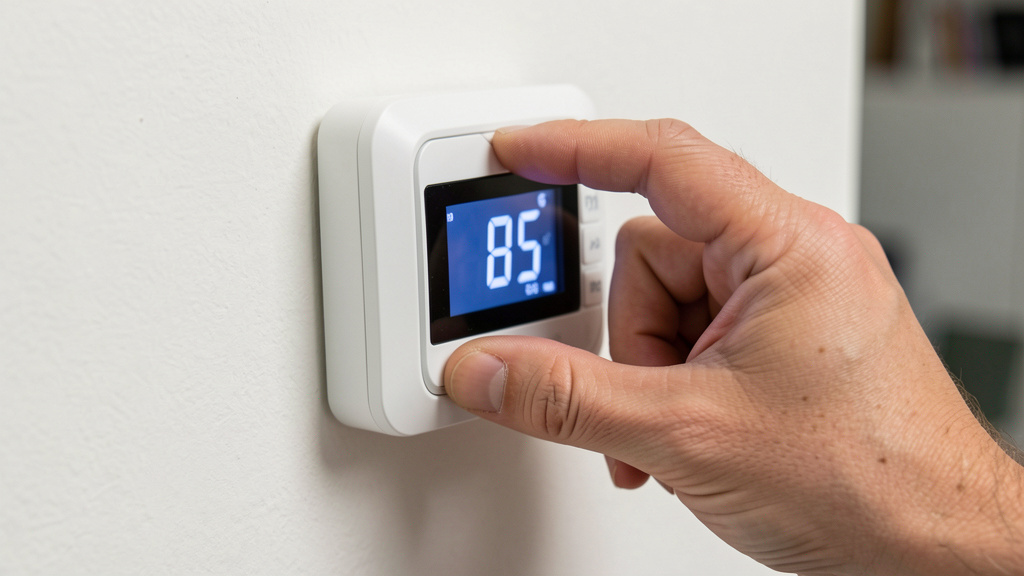
A Step-by-Step Framework to Diagnose, Stabilize, and Resolve Heating and Cooling Emergencies—Safely and Confidently
When your HVAC system fails during extreme weather, every minute matters. This guide provides a clear, safety-focused framework to assess your situation, implement immediate protective measures, troubleshoot common issues, and make informed decisions—without risking further damage or personal harm. Whether you’re facing unexpected cold during winter or oppressive heat in summer, you’ll find practical, actionable guidance tailored to your specific scenario.
Introduction
Few household situations create more urgency than discovering your home is rapidly becoming too hot or too cold during extreme weather. Your instinct may be to act immediately—but rushing without a structured approach can lead to safety hazards, unnecessary expenses, or delayed resolution. This guide exists because HVAC emergencies require more than fragmented tips or generic advice. They demand a calm, methodical process that prioritizes human safety while addressing system functionality. The framework presented here aligns with established safety standards from organizations including the Air Conditioning Contractors of America (ACCA) and the National Fire Protection Association (NFPA). It is designed to serve diverse living situations—from historic homes to modern apartments, and households with vulnerable occupants—providing clarity when it matters most.
The TRIAGE Framework: Your Emergency Response Blueprint
Before interacting with any equipment, adopt the TRIAGE mindset. Adapted from emergency response principles and tailored for HVAC situations, TRIAGE creates a decision architecture to prevent panic-driven choices. It stands for:
Temperature Assessment
Risk Identification
Immediate Stabilization
Actionable Diagnosis
Guidance Selection
Evaluation & Next Steps
This framework embeds rationale within each step so correct actions feel logical and inevitable. For example: Why verify temperatures with an independent thermometer before adjusting settings? Because thermostats can malfunction or reside in microclimates (near windows, electronics, or drafts), leading to misdiagnosis. Why document observable symptoms before power cycling? Because transient error indicators may disappear after reboot, removing valuable diagnostic clues. TRIAGE empowers you to become a calm, informed coordinator—whether you resolve the issue yourself or streamline communication with arriving professionals.
Step 1: Temperature Assessment (The “T” in TRIAGE)
Begin with your environment, not the equipment. Use a reliable standalone thermometer (not a phone weather app) to measure temperatures in three key areas:
– Primary Living Space: Where most occupants spend time (e.g., main living area)
– Vulnerable Occupant Zone: Bedroom of infants, elderly individuals, or those with health considerations
– Peripheral Zone: Room farthest from the HVAC unit or with known airflow challenges
Record these readings alongside current outdoor conditions and time. This data serves critical purposes:
1. Safety Context: Temperatures approaching uncomfortable extremes with vulnerable individuals signal urgency requiring prompt action.
2. Diagnostic Clarity: Significant temperature differences between rooms often indicate airflow or zoning issues rather than total system failure. Uniform indoor temperatures during severe outdoor conditions may point to thermostat or control issues.
3. Professional Efficiency: Sharing these observations when contacting help allows for better preparation and prioritization.
Common Oversight: Assuming the thermostat display reflects true room temperature. Always verify with an independent tool.
Illustrative Insight: Temperature assessment has revealed scenarios where main areas remained comfortable while isolated rooms became unsafe due to closed dampers or blocked vents. Immediate focus shifted to room-specific stabilization rather than assuming whole-system failure.
Why This Step Matters: Objective data prevents misdirected efforts. Addressing a localized airflow issue is faster and safer than pursuing unnecessary component repairs.
Step 2: Risk Identification (The “R” in TRIAGE)
HVAC situations exist on a spectrum—from manageable discomfort to urgent safety concerns. Use this contextual risk guide:
| Risk Level | Heating Context Indicators | Cooling Context Indicators | Recommended Focus |
|---|---|---|---|
| Urgent Attention | Rapid temperature decline with vulnerable occupants; unusual odors near equipment; visible frost on pipes | Rising indoor temperature with high humidity; occupants showing signs of heat stress (dizziness, nausea) | Prioritize occupant safety. Implement stabilization measures immediately. Contact professional help without delay. |
| Prompt Attention | Steady temperature drift; unusual sounds from equipment; recurring tripped breakers | System running continuously without relief; noticeable humidity increase; water accumulation near unit | Begin stabilization steps. Contact an HVAC professional promptly. Monitor conditions closely. |
| Routine Attention | Minor temperature inconsistencies; intermittent operational quirks | Slight reduction in airflow; minor humidity fluctuations | Proceed methodically through diagnosis steps. Schedule service within 24–48 hours. Apply temporary comfort measures. |
Important Consideration: Risk is dynamic. A situation requiring routine attention during daylight hours may escalate if temperatures shift significantly or vulnerable individuals are affected. Reassess conditions periodically until resolved.
Why This Step Matters: This guide helps avoid two common pitfalls: underestimating genuine concerns and overreacting to minor anomalies. Decisions grounded in observable conditions—not emotion—lead to safer, more efficient outcomes.
Professional Perspective: Many service calls involve situations where early recognition of clear indicators could have prevented escalation. Awareness of your specific household context is invaluable.
Step 3: Immediate Stabilization (The “I” in TRIAGE)
Stabilization creates safety margins for people and property while buying time for diagnosis. Actions differ significantly between heating and cooling scenarios—applying incorrect tactics may worsen conditions.
🔥 For Heating Situations (Too Cold)
- Urgent/Prompt Attention:
- Relocate vulnerable individuals to the most thermally stable interior room. Close doors to unused spaces.
- Use only UL-listed electric space heaters with tip-over protection, placed well away from combustibles. Never use ovens, grills, camp stoves, or unvented combustion heaters indoors—these produce lethal carbon monoxide.
- Layer clothing effectively: moisture-wicking base layers, insulating mid-layers, and wind-resistant outer layers. Include head coverings and insulated footwear.
- Reduce drafts: Place rolled towels along door bottoms; apply temporary window insulation film to single-pane windows.
- Encourage hydration with warm, non-caffeinated beverages.
- Routine Attention:
- Verify thermostat settings are appropriate for heating mode.
- Ensure all supply vents and return air grilles are unobstructed.
- Check exposed pipes for frost; allow faucets to drip slightly if freezing is a concern.
❄️ For Cooling Situations (Too Hot)
- Urgent/Prompt Attention:
- Move vulnerable individuals to the coolest available space (typically lower level, north-facing, away from sun exposure). Close curtains or blinds on sun-facing windows immediately.
- Create airflow: Open windows on shaded sides; position a fan facing outward in the hottest room to exhaust warm air. Add a second fan facing inward on the cooler side if available.
- Apply direct cooling: Damp cloth on neck or wrists; cool mist spray with fan airflow; cool shower if feasible.
- Hydrate consistently with water or electrolyte-replenishing beverages. Avoid alcohol and caffeine.
- Critical Note: If conditions remain unsafe after initial stabilization efforts, consider relocating to a community cooling space (library, community center). Heat-related illness can escalate quickly.
- Routine Attention:
- Close all window coverings on sun-exposed sides.
- Turn off non-essential heat-generating appliances and lighting.
- Place a shallow container of water or ice in front of a fan for localized evaporative cooling.
Why Stabilization Comes First: Addressing immediate human comfort reduces stress and creates mental clarity for accurate troubleshooting. Safety protocols protect occupants while preserving equipment integrity.
Resourceful Alternatives: No box fan? Use stiff cardboard to manually move air across damp skin. No ice? Wrap frozen food items in a thin towel for temporary pulse-point cooling. Emergency solutions leverage accessible household items safely and effectively.
Step 4: Actionable Diagnosis (The “A” in TRIAGE)
With safety secured, proceed methodically. Follow this sequence—each step builds on the previous. Document observations (notes, photos) to share with professionals if needed.
🔍 Universal Safety Precautions
- Power Management: Set thermostat to “OFF.” For forced-air systems, switch the furnace power switch (resembling a light switch on the unit) to OFF. For heat pumps or central AC, locate the outdoor disconnect box and move the handle to OFF.
- Gas Systems Only: If you detect a gas odor (similar to rotten eggs), hear hissing near the furnace, or observe soot around vents—STOP. Evacuate immediately. Call your gas provider and emergency services from outside. Do not operate switches, phones, or lighters indoors.
- Visual Inspection: From a safe distance, check for obvious concerns: water near electrical components, damaged wiring, or significant ice buildup. If present, do not proceed—contact a professional.
🌡️ Thermostat Verification (A Frequent Factor)
- Power Source:
- Battery-operated? Install fresh batteries.
- Hardwired? Check the circuit breaker labeled for HVAC/furnace/air handler. If tripped, switch fully OFF, then ON. Wait 60 seconds.
- Settings Review:
- Mode: Correctly set to HEAT or COOL for current needs?
- Temperature: Set sufficiently above (heat) or below (cool) current room temperature to trigger operation?
- Fan Setting: “AUTO” for standard operation (not “ON,” which runs fan without heating/cooling).
- Overrides: Disable vacation modes, scheduling holds, or remote app locks.
- Smart Thermostats: Check companion app for alerts; verify local control functionality if Wi-Fi is unstable.
- Connection Check (If Comfortable and Power is OFF):
Remove faceplate carefully. Ensure wires at terminals are secure and free of corrosion. Loose or degraded connections warrant professional evaluation.
🌬️ Airflow and Filter Evaluation
- Locate return air grille(s). Remove cover gently.
- Filter Inspection: Is a filter present? Is it heavily coated with dust or debris? A severely restricted filter commonly causes:
- Heating: Safety limit switch activation → system shutdown to prevent overheating
- Cooling: Evaporator coil freezing → airflow blockage → system shutdown
- Action: Replace filter immediately if dirty. If no replacement is available, temporarily operate without a filter for minimal time (set fan to “ON” for air movement) while securing a replacement. Never operate long-term without a filter—debris can damage internal components.
- Airflow Test: Hold lightweight tissue near a supply vent. It should be drawn firmly toward the vent (heating) or pushed away strongly (cooling). Weak airflow suggests restriction or mechanical issues.
🌍 Outdoor Unit Assessment (Heat Pumps & AC Systems)
- Clearance Check: Remove leaves, snow, ice, or debris within two feet of the unit. Restricted airflow contributes to operational strain.
- Visual Inspection (Power OFF):
- Cooling Season: Is the coil heavily soiled? Are fins bent? (Gentle straightening with a fin comb is acceptable if available)
- Heating Season (Heat Pumps): Is ice accumulation persistent beyond normal defrost cycles?
- All Seasons: Note unusual sounds during startup attempts (grinding may indicate mechanical strain; buzzing may suggest electrical components).
- Critical Safety Reminder: Never spray water directly into the unit. Never insert tools near fan blades or internal components. Internal parts can retain hazardous energy even when power is off.
💧 Condensate Drain Check (Cooling Season)
- Locate the PVC drain line near the indoor air handler. Trace to drain pan or floor drain.
- Flow Test: Pour a small amount of water into the drain access port (if accessible). Does it drain freely? Slow movement suggests blockage.
- Clearing Method: Mix equal parts white vinegar and warm water. Pour slowly into the drain line. Wait 15 minutes. Flush gently with clean water. Avoid bleach—it can damage PVC and internal coils.
- Overflow Safeguard: If a drain pan has a float switch, ensure it moves freely. A stuck switch will shut down the system to prevent water damage.
Why Sequence Matters: Diagnosing thermostat settings before outdoor components prevents misattribution. A tripped breaker mimics compressor failure. A clogged drain halts cooling operation—replacing other parts won’t resolve it. This logical progression isolates variables efficiently.
Professional Insight: Simple oversights—like incorrect thermostat mode settings or severely restricted filters—account for many service calls. Methodical verification of foundational elements saves time and resources.
Common Diagnostic Trap: Assuming “no cooling” indicates refrigerant loss. More frequently, airflow restrictions or control issues are primary factors. Refrigerant concerns require specialized tools and licensing to address safely.
The Fundamental Principle: HVAC systems exhibit consistent failure patterns. Your most valuable contribution is precise observation—documenting what you see, hear, and measure. This factual data guides effective resolution far more reliably than speculation.
Beyond TRIAGE: Addressing Specific Scenarios
While TRIAGE resolves many situations, certain patterns benefit from targeted guidance. This section addresses nuanced scenarios often overlooked elsewhere.
🔥 Scenario: Furnace Cycles Clicking But Fails to Ignite (Gas Systems)
The repetitive “click-click-click… silence” pattern indicates an interrupted ignition sequence.
– Immediate Action: Set thermostat to OFF. Wait several minutes. Restore power once. If the pattern repeats, discontinue attempts.
– Common Contributors (in typical occurrence order):
1. Flame Sensor Condition: A small probe near burners may be coated, preventing flame confirmation. Cleaning requires specific tools and calibration.
2. Igniter Function: The hot surface igniter may fail to glow visibly. Replacement is typically required.
3. Gas Flow: Absence of gas reaching burners. Never attempt to manually adjust gas valves.
– Critical Safety Note: If gas odor is present during cycling attempts, evacuate and contact emergency services. Unburned gas accumulation is hazardous.
– Temporary Measure: Apply heating stabilization protocols. This situation requires professional service—repeated reset attempts are not advised.
❄️ Scenario: Cooling System Blows Warm Air After Power Disruption
- Initial Check: Confirm power is restored to both indoor and outdoor components (verify outdoor disconnect box).
- Common Contributors:
- Circuit Protection: Outdoor unit often has a dedicated breaker. Reset once. If it trips again immediately, discontinue—indicates an electrical fault.
- Capacitor Condition: Visible bulging or residue on cylindrical components near the fan motor. Extreme caution: Capacitors store hazardous energy. Do not touch.
- Refrigerant Circuit: After severe weather, inspect copper lines for damage. Hissing sounds or oil residue suggest leakage.
- Temporary Measure (Only if power restoration was the sole issue): Gently clear debris from the outdoor coil using a garden hose (spray upward through fins). Allow 15 minutes before restarting.
- Professional Indication: If the unit hums without fan movement, or emits loud buzzing, discontinue operation. Forcing function may cause further damage.
💧 Scenario: Water Accumulation Near Indoor Unit (Cooling Season)
- Immediate Action: Set thermostat to OFF. Place absorbent materials to contain water. Locate emergency drain pan shutoff (if equipped) and activate.
- Diagnostic Path:
- Drain Line Blockage: Most frequent cause. Follow condensate drain steps in Step 4.
- Thawing Evaporator Coil: If prior operation occurred with restricted airflow, ice may have formed and is now melting. Do not restart until fully thawed (several hours) and filter is replaced.
- Drain Pan Integrity: Older units may develop cracks in the collection pan.
- Damage Mitigation: Use a wet/dry vacuum on the drain access port if safe. Place a container under secondary overflow outlets. Document extent for potential insurance discussion if structural damage occurs.
- Timeliness Note: Address moisture near electrical components promptly to reduce secondary risks.
🌬️ Scenario: Noticeably Reduced Airflow Throughout Home
- Systematic Verification (Check in order):
- Filter: Replace if questionable.
- Return Vents: Ensure all are fully open and unobstructed by furniture or curtains.
- Supply Vents: Confirm none are closed (common in unused rooms).
- Access Panel: On the air handler/furnace, is the service panel fully secured? Many units include a safety switch that halts fan operation if open.
- Blower Assembly: Internal accumulation requires professional cleaning.
- Ductwork: Potential collapse or disconnection in concealed sections.
- Temporary Measure: Set fan to “ON” to maximize air circulation during diagnosis.
- Caution Sign: If airflow improves significantly only when the filter is removed, the blower system may be strained. Operating without a filter accelerates wear—professional evaluation is recommended.
Navigating the DIY vs. Professional Decision
Uncertainty about when to proceed independently versus seeking help is common. Use this clear decision pathway:
-
Is there an immediate safety concern? (Gas odor, carbon monoxide alarm activation, burning smells near electrical components, water contacting electrical parts)
→ YES: Evacuate if necessary. Contact emergency services and your HVAC professional.
→ NO: Proceed to step 2. -
Have stabilization measures been implemented successfully? (Occupants are in a safe thermal environment)
→ NO: Continue stabilization efforts. Reassess risk.
→ YES: Proceed to step 3. -
Has diagnosis been completed using the TRIAGE steps?
→ NO: Complete Steps 1–4 thoroughly.
→ YES: Proceed to step 4. -
Does the identified issue align with safe, accessible actions?
→ YES: Proceed cautiously with one attempt. If unresolved, contact a professional.
→ NO: Contact a qualified HVAC technician.
✅ Actions Generally Suitable for Homeowners (When Risk is Low and Power is Managed)
- Replacing standard air filters
- Resetting a tripped circuit breaker (one time only)
- Clearing debris from around the outdoor unit perimeter
- Flushing the condensate drain line with vinegar solution
- Adjusting thermostat settings and verifying mode selection
- Ensuring vents and grilles are unobstructed
🚫 Actions Requiring Professional Expertise
- Electrical Components: Capacitors, contactors, circuit boards, internal wiring
- Refrigerant Handling: Leak detection, repair, or recharging (regulated by environmental law)
- Gas System Components: Igniters, flame sensors, gas valves, pressure adjustments
- Internal Mechanical Work: Blower assemblies, compressors, fan motors
- Duct Modifications: Sealing, resizing, or rerouting ductwork
Why These Boundaries Exist: Certain components retain hazardous energy after power-off. Refrigerant handling requires specialized recovery equipment and certification. Gas system adjustments carry carbon monoxide risks. These are not skill-based limitations but critical safety and regulatory boundaries.
Selecting a Qualified Technician:
– Verify licensing through your state or local contractor board
– Confirm adequate liability insurance coverage
– Ask about diagnostic process and fee structure upfront
– Request written findings before authorizing repairs
– Be cautious of high-pressure sales tactics or demands for immediate large payments
Temporary Comfort Strategies While Awaiting Resolution
Bridge the gap between stabilization and permanent repair with these practical approaches.
🌡️ During Extended Heating Challenges
- Create a Thermal Sanctuary: Identify the smallest, best-insulated room. Use it as a shared warming space.
- Body Heat Synergy: Occupying the space together can modestly raise ambient temperature.
- Controlled Heat Sources: Fill sturdy plastic bottles with warm (not boiling) water. Wrap in cloth. Place near core body areas.
- Insulated Resting: Sleep on the floor (heat rises; floor may retain residual warmth). Use wool or synthetic blankets that retain insulating properties when damp.
- Critical Warning: Never operate vehicles inside garages for heat—carbon monoxide poisoning risk is severe and immediate.
❄️ During Extended Cooling Challenges
- Evaporative Enhancement: Place shallow water containers in front of fans. Add ice if available. Position near seating areas.
- Strategic Ventilation:
- Daytime: Keep sun-facing windows and blinds closed. Open shaded-side windows slightly with exhaust fan.
- Nighttime: When outdoor air is cooler, open multiple windows to encourage cross-breeze.
- Targeted Cooling: Apply cool, damp cloths to wrists, neck, temples, and ankles—areas with accessible blood vessels.
- Hydration Practice: Sip water consistently. Consider adding a small amount of salt and citrus to water for electrolyte support. Avoid sugary drinks.
- Apparel Strategy: Wear loose, light-colored, breathable fabrics. Lightly dampening clothing before sitting in airflow enhances cooling.
🌐 Community Resources Worth Knowing
- Cooling/Warming Centers: Public libraries, community centers, and senior facilities often open designated spaces during extreme weather. Contact local non-emergency municipal lines for locations.
- Utility Assistance Programs: Many providers offer crisis support, payment plans, or repair referrals for qualifying households.
- Neighbor Coordination: Proactively identify trusted neighbors for mutual wellness checks during weather extremes. Apps like neighborhood networks can facilitate discreet support requests.
Understanding Costs and Insurance Considerations
Financial concerns naturally accompany emergencies. Approach this aspect with clarity:
- Cost Variability: Repair expenses depend heavily on location, system age, component availability, and labor rates. Always request a clear diagnostic fee and written estimate before authorizing work.
- Insurance Context: Policies typically cover sudden, accidental damage from specific perils (e.g., lightning strike, storm debris impact). Gradual wear, component aging, or maintenance-related issues are generally not covered.
- Documentation Practice: Photograph conditions before cleanup. Retain technician reports citing probable cause. This supports any insurance discussion.
- Informed Decisions:
- Ask if diagnostic fees apply toward repair costs.
- Inquire about manufacturer warranties on parts.
- Request itemized quotes for significant repairs.
- Explore payment options or financing if offered by reputable companies.
- Preventive Value: Regular professional maintenance often identifies minor issues before they escalate, potentially avoiding emergency service needs and extending system lifespan. Many providers offer service agreements with priority scheduling.
Building Future Resilience: A Phased Prevention Approach
True preparedness unfolds through consistent, manageable actions.
📅 Phase 1: Immediate Post-Event (First Week)
- Review: Note what occurred and what actions helped. What would you do differently next time?
- Filter System: Acquire correctly sized replacement filters. Set recurring calendar reminders for changes (frequency depends on pets, occupancy, and environment).
- Thermostat Check: Verify accuracy against a standalone thermometer. Adjust calibration settings if available.
- Assemble a Basic Kit:
- Correct-size spare air filters
- UL-listed space heater (for heating climates)
- Box fan and extension cord
- Digital thermometer/hygrometer
- Printed contact list: HVAC provider, utility emergency line, insurance agent
📅 Phase 2: System Support (Next Month)
- Outdoor Unit Care: Maintain 18+ inches of clearance around the unit. Install a mesh guard (¼” hardware cloth) to deter debris and pests. In snow-prone areas, consider a removable angled shield to prevent heavy accumulation.
- Drain Line Maintenance: Pour a small amount of vinegar down the condensate line monthly during cooling season to inhibit algae growth.
- Thermostat Enhancement: Consider a smart thermostat with features like maintenance reminders, remote access, and low-temperature alerts for unoccupied homes.
- Visible Duct Check: Inspect accessible duct sections for obvious disconnections or damage. Seal minor joints with UL-181 rated foil tape (not standard duct tape).
📅 Phase 3: Long-Term Readiness (Ongoing)
- Scheduled Maintenance: Arrange bi-annual professional inspections (spring for cooling systems, fall for heating). Confirm technicians check safety controls, airflow, electrical connections, and drainage.
- System Age Awareness:
- Under 10 years: Focus on consistent maintenance.
- 10–15 years: Monitor repair frequency; begin researching replacement options.
- Over 15 years: Proactively obtain quotes. Older systems often operate less efficiently.
- Household Coordination: Share emergency contacts with trusted neighbors. Discuss mutual check-in protocols during severe weather forecasts.
- Community Connection: Learn about local emergency resources (cooling centers, warming shelters) before they are urgently needed.
Prevention Insight: Consistent, minor actions—like timely filter changes and professional tune-ups—contribute significantly to system reliability. Many emergency situations stem from overlooked early indicators. Attentiveness is a powerful preventive tool.
Your Questions, Answered
Q: My AC is blowing air, but it’s not cold. Does this mean it’s low on refrigerant?
A: While refrigerant levels can affect cooling, low refrigerant is usually a symptom of a leak, not the root cause. More commonly, restricted airflow (from a dirty filter or blocked coil) causes the evaporator to freeze, blocking heat exchange. First, replace the filter, ensure vents are open, and allow the system to rest several hours to thaw completely. If cooling doesn’t return, contact a technician. Adding refrigerant without repairing a leak is ineffective and environmentally regulated.
Q: The furnace makes a loud “bang” when starting. Is this dangerous?
A: A loud ignition bang can indicate delayed ignition, where gas accumulates before lighting. This warrants attention. Turn off the furnace at the thermostat and dedicated power switch. Do not restart. Contact a qualified technician promptly. Causes may include dirty burners or other combustion issues. Continued operation is not advised.
Q: Can I use my oven or grill to heat the house during a heating emergency?
A: Absolutely not. Ovens, grills, camp stoves, or charcoal briquettes used indoors produce carbon monoxide (CO)—an odorless, colorless gas that can cause serious illness or death within minutes. Even electric ovens are fire hazards when used for space heating. Use only electric space heaters certified for indoor use, placed away from combustibles. When in doubt, relocate to a designated warming space.
Q: After a power outage, my thermostat screen is blank. Is it broken?
A: Often, this relates to power restoration. First, check the HVAC circuit breaker. Many thermostats draw power through the system’s transformer. If the breaker is fine, try replacing batteries (if applicable) or locating a small reset button. If hardwired with no display after power returns, the low-voltage transformer may need attention—a technician can assess this efficiently. Note any error codes before resetting.
Q: How do I know if my heat pump is in normal defrost mode versus malfunctioning?
A: Defrost mode is routine in cold, humid conditions. Signs include: outdoor fan pausing, visible vapor/steam, slightly cooler air from vents for 5–15 minutes, then returning to normal. If defrost cycles last much longer, occur constantly, or leave thick ice on the unit, the defrost system may need service. Temporarily switch to “Emergency Heat” (if available) and schedule a technician visit.
Q: Water is leaking from my ceiling near an AC vent. Is this urgent?
A: Yes. This typically indicates a clogged condensate drain or failed drain pan, causing overflow into ductwork. Turn off cooling at the thermostat. Place containers below the leak. Check the primary drain line access near the indoor unit for blockage. If accessible, attempt a vinegar flush. Significant water damage (staining, sagging) warrants contacting both an HVAC technician and a water mitigation professional—mold can develop quickly.
Q: My system keeps tripping the circuit breaker. Can I install a higher-amp breaker?
A: Never. Breakers trip to prevent fire hazards. Installing a higher-amp breaker without resolving the underlying cause (such as a failing motor or short circuit) creates severe risk. Turn off the system. Contact both an HVAC technician and a licensed electrician. They will identify whether the issue lies with the equipment, wiring, or circuit design.
Q: Is it acceptable to run my AC without a filter for one night?
A: Only as an absolute, short-term exception (under four hours) while securing a replacement. Operating without a filter allows dust and debris to coat the evaporator coil and blower assembly. This reduces efficiency significantly and can lead to ice formation or motor strain. Always replace filters promptly—keeping spares on hand prevents this dilemma.
Q: During cold weather, my heat pump blows cool air and has ice on the outdoor unit. Is this normal?
A: Light frost during defrost cycles is typical. However, thick, persistent ice accumulation is not. Heat pumps become less efficient in very cold temperatures; many systems automatically engage supplemental heat. If airflow feels consistently cool below freezing temperatures, your backup heat may need evaluation. Switch to “Emergency Heat” mode temporarily and schedule a technician assessment to avoid excessive energy use.
Q: How can I verify an HVAC technician’s qualifications before service?
A: Reputable professionals welcome verification. Before arrival:
– Request license number and verify via your state/local contractor board website.
– Ask for proof of insurance (certificate of liability).
– Review business ratings and recent customer feedback.
– Confirm they provide a written diagnostic report before repairs begin.
Upon arrival:
– Verify company vehicle branding and technician identification.
– Expect clear explanation of findings without high-pressure sales language.
Trust your judgment—if something feels uncertain, it’s reasonable to postpone and seek another opinion.
Q: My elderly parent lives alone without central AC. How can I prepare for heat emergencies?
A: Proactive planning is vital. Install a simple standalone thermometer with large digits in their main living area. Identify nearby cooling centers and arrange reliable transportation. Prepare a “cooling kit”: battery-powered fan, spray bottle, reusable cold packs, electrolyte packets. Program emergency contacts for one-touch dialing. Coordinate with neighbors for wellness checks during heat advisories. Consider a medical alert system with environmental sensors.
Q: A technician said my system is “low on refrigerant.” Should I approve a recharge?
A: Proceed thoughtfully. Refrigerant operates in a sealed loop—it doesn’t deplete under normal conditions. Low levels indicate a leak. Ethical service includes:
1. Locating and repairing the leak source
2. Evacuating the system properly
3. Recharging to manufacturer specifications
Be cautious of offers for “quick recharges” without leak repair. Request a written explanation of the leak location and repair method before authorizing work. Proper repair ensures safety, efficiency, and regulatory compliance.
Conclusion and Next Step
HVAC emergencies test our composure, but they need not overwhelm us. By applying the TRIAGE framework—assessing conditions objectively, identifying true risk factors, stabilizing safely, diagnosing methodically, selecting appropriate guidance, and evaluating outcomes—you transform uncertainty into purposeful action. Hold fast to three enduring principles: Safety before speed. Observation before assumption. Professional expertise before hazardous improvisation. These anchors protect your well-being, your home, and your peace of mind.
The 24-Hour Rule
Within the next day, complete one concrete step toward greater readiness:
✅ If your system is currently operational: Locate your air filter. Note its dimensions. Order two replacements or pick up spares locally. Set a calendar reminder for your next change.
✅ If you recently navigated an emergency: Assemble your basic emergency kit (spare filter, thermometer, contact list). Place it near your thermostat or HVAC unit.
✅ If you feel uncertain: Bookmark this guide. Share the “DIY vs. Professional” decision pathway with a trusted neighbor. Send a simple text: “Let’s check in on each other during extreme weather.”
This single action builds momentum. It shifts you from reactive concern to proactive stewardship. True comfort stems not only from temperature control but from the confidence that you possess a clear, compassionate system for navigating challenges.
The Broader Perspective
HVAC systems are integral to modern home comfort, yet they reflect a larger truth about household resilience: preparedness is cultivated through consistent, thoughtful actions—not last-minute efforts. By respecting both the capabilities and limitations of your system, and honoring your own boundaries, you foster a sustainable relationship with your home. When temperature extremes arise again, you’ll respond with calm clarity. And in that space between challenge and resolution lies something profound: enduring peace of mind.
Explore Our Complete System:
Understanding Your HVAC System: A Homeowner’s Primer | Seasonal HVAC Maintenance Checklist to Avoid Breakdowns | How to Choose the Right HVAC Contractor: A Verified Guide | Energy-Efficient Upgrades: When Repair Isn’t Enough | Indoor Air Quality During System Downtime: Temporary Solutions | HVAC Warranties and Insurance Claims: What You Need to Know | Building a Home Emergency Preparedness Kit Beyond HVAC