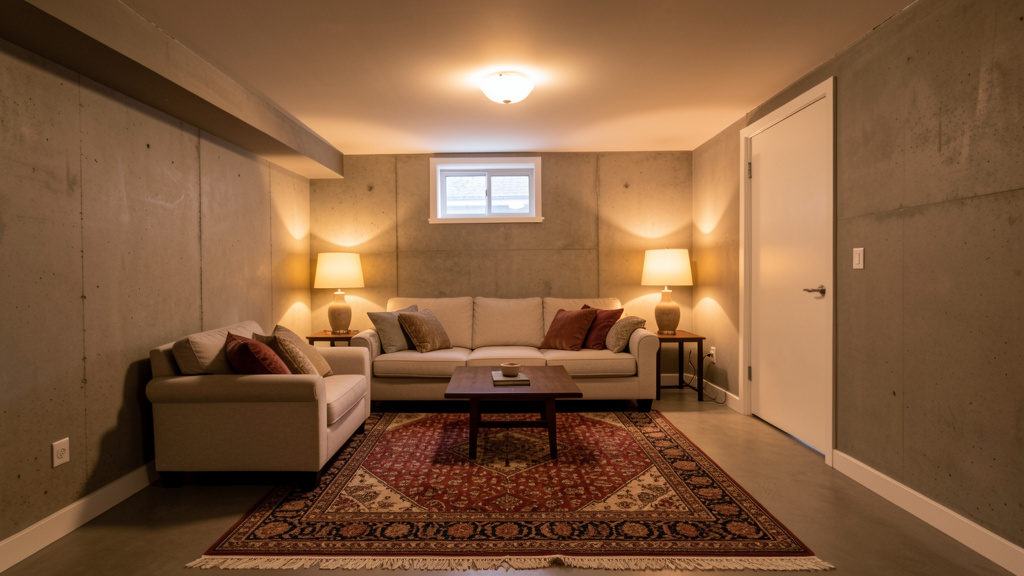
A Step-by-Step Framework for Planning, Building, and Enjoying Your New Basement Space—Without Costly Mistakes
Turning your basement into livable space represents one of the most valuable home improvements possible. Yet without a clear, moisture-aware plan aligned with safety standards, common pitfalls like hidden mold, failed inspections, or uncomfortable environments can undermine the entire project. This guide provides a systematic, phase-based approach grounded in building science principles and current International Residential Code (IRC) and National Electrical Code (NEC) frameworks. You’ll gain actionable strategies for assessment, moisture management, systems integration, and human-centered design—prioritizing long-term safety, comfort, and adaptability over cosmetic shortcuts.
Introduction
Across North America, basements hold immense potential as underutilized living areas. Transforming this space demands more than drywall and paint; it requires thoughtful integration of moisture dynamics, structural awareness, safety protocols, and psychological comfort. Unlike fragmented tutorials focusing on isolated tasks, this framework weaves every critical dimension into a cohesive sequence. You’ll understand not only how to frame a wall but why moisture barriers must precede it, when professional consultation is essential, and how to design for the unique realities of below-grade living. Whether envisioning a serene guest suite, vibrant family zone, productive office, or flexible multi-generational space, these principles ensure your finished basement remains dry, safe, energy-conscious, and deeply functional for years. This is space-making rooted in respect for your home’s integrity and your family’s evolving needs.
The 5-Phase Basement Transformation Framework
Successful basement finishing follows a non-negotiable sequence. Installing flooring before confirming moisture stability, framing before verifying egress compliance, or selecting finishes before assessing headroom triggers cascading issues: hidden mold, inspection failures requiring demolition, or spaces that feel cramped and unusable. The 5-Phase Framework eliminates guesswork by aligning each action with building science and real-world constraints. This is an adaptive roadmap—some phases require licensed professionals; others empower confident DIY execution. The goal: transform uncertainty into clarity, one deliberate step at a time.
Phase 1: Assessment & Planning – The Blueprint for Success
Before purchasing materials or contacting contractors, invest significant time in thorough assessment. This phase determines the majority of your project’s long-term success. Approach it methodically: observe, measure, document, validate.
Step 1.1: Conduct a Comprehensive Basement Audit
Perform a multi-day inspection under varying conditions—during rain, after snowmelt, on humid days—to observe dynamic patterns. Document with dated photos, sketches, and notes.
-
Moisture Indicators: Scan walls, floors, and ceiling joints for efflorescence (chalky mineral deposits), rust on fixtures, peeling paint, warped wood, persistent musty odors, or visible mold. Use a digital moisture meter on concrete surfaces; readings consistently above 15% suggest active moisture intrusion warranting professional evaluation. Place silica gel packs in corners overnight—if damp by morning, humidity levels require attention.
-
Structural Integrity: Examine foundation walls under bright light. Hairline vertical cracks (<1/8 inch) are often cosmetic in settled foundations. Prioritize attention to: horizontal cracks (indicating lateral pressure), stair-step cracks in block walls (suggesting settlement), cracks wider at top than bottom, wall bowing, or separation from floor joists. Measure floor flatness with a 6-foot level; dips exceeding 1 inch over 10 feet may complicate flooring. Note ceiling height variations critical for headroom calculations.
-
Existing Systems Mapping: Create a detailed utility map. Locate and photograph: main electrical panel (note available breaker slots and capacity), plumbing stacks (identify material and condition), HVAC ducts, water heater, sump pump (test operation), and existing wiring/pipes. Measure clearances: codes typically require 36 inches of unobstructed workspace in front of panels and water heaters. Note obstructions like low beams, columns, or protruding pipes impacting layout.
-
Headroom and Spatial Dimensions: Measure floor-to-ceiling height at minimum nine points (corners and center). Record the lowest measurement. IRC requires 7 feet (84 inches) of clear headroom for habitable spaces. Exceptions allow beams, ducts, or pipes to project down to 6 feet 4 inches (76 inches) if spaced more than 4 feet apart. For stairs, measure riser height and tread depth; inconsistencies may indicate settling requiring reconstruction. Document window dimensions (width, height, sill height) and door locations.
-
Egress Evaluation: For any space intended as a bedroom, office, family room, or other habitable area below grade, IRC Section R310 mandates a compliant emergency escape and rescue opening. Measure existing windows: the net clear opening (unobstructed space when fully open) must be at least 5.7 square feet (5.0 sq ft for grade-level windows), with minimum width of 20 inches and height of 24 inches. Sill height cannot exceed 44 inches above finished floor. If windows open into a well, the well must be ≥36 inches wide with sufficient projection for full operation. If no compliant egress exists, address this before framing begins—it is often the most complex aspect of finishing.
Pro Tip: Create a scaled sketch (1/4 inch = 1 foot) on graph paper or using free tools like SketchUp Free. Mark all measurements, utilities, problem areas, and openings. This becomes your indispensable master reference, preventing layout errors during framing.
Step 1.2: Define Vision, Function, and Human Factors
Clarity on intended use drives every material choice and layout decision. Avoid vague goals like “make it nicer.” Instead, answer:
-
Primary and Secondary Functions: Will this space serve one purpose (home theater) or multiple roles (guest room by day, playroom by afternoon)? List all intended activities. A home gym requires durable flooring and robust ventilation. A media room demands acoustic treatment, controlled lighting, and strategic outlet placement. A bedroom necessitates egress compliance, closet space, and privacy considerations.
-
User Profiles and Accessibility: Who will use this space regularly? Consider ages, mobility needs, sensory preferences. For young children: rounded furniture corners, tamper-resistant outlets (NEC requirement), non-slip flooring, accessible storage. For aging relatives: zero-threshold entries, lever-style handles, grab bar prep in bathrooms, task lighting at multiple heights. For remote workers: dedicated quiet zones, ample full-spectrum lighting, sufficient power/data ports.
-
Psychological Comfort Factors: Basements inherently lack above-grade cues: limited natural light, potential enclosure sensation, cooler temperatures. Proactively design countermeasures: light-colored walls to reflect available light, strategic mirror placement for visual depth, layered artificial lighting with dimmers, and warm materials (textured rugs, wood accents). Consider circadian lighting systems adjusting color temperature throughout the day.
-
Storage Integration: Even in finished spaces, storage is essential. Identify needs: seasonal decor, sports equipment, linens. Plan built-ins during framing: framing cavities for shallow shelves beside stairs, soffits above doorways for concealed storage, dedicated closet areas. Distribute storage logically near points of use rather than cramming into one corner.
Step 1.3: Develop a Realistic Budget and Phased Timeline
Costs vary significantly based on location, material quality, and labor scope. Industry data (Remodeling Magazine, HomeAdvisor) indicates broad ranges of $35–$110 per square foot. A realistic budget prevents financial strain.
-
Contingency Fund (Essential): Allocate 15–25% of your total estimated budget exclusively for unforeseen issues. Common surprises: hidden plumbing leaks, outdated wiring requiring replacement, foundation cracks needing engineering review, or soil complications during egress installation. Never use this fund for upgrades; it exists solely for problem resolution.
-
Professional Services Line Items: Research local rates. Typical needs: structural engineer consultation, licensed electrician, plumber, HVAC technician, permit fees, inspection fees. Obtain multiple detailed quotes per trade. Verify licenses, insurance, and references. Clarify scope: does “electrical rough-in” include running new circuits from the panel?
-
Material Cost Tiers: Research current prices. Create sample budgets:
- Budget Tier: Standard fiberglass insulation, basic vinyl plank flooring, stock cabinets, builder-grade fixtures.
- Mid-Range Tier: Rigid foam board insulation, luxury vinyl plank (LVP) with attached underlayment, semi-custom cabinetry, LED recessed lighting.
-
Premium Tier: Closed-cell spray foam insulation, engineered hardwood (if moisture conditions permit), custom built-ins, smart lighting, acoustic panels.
-
DIY Labor Valuation: If performing work yourself, assign an hourly value to your time. This reveals true project cost and helps decide where professional help delivers better value (e.g., complex electrical vs. painting).
Timeline Development: A typical 800–1,200 sq ft basement takes 8–16 weeks with contractors; longer for DIY. Build a visual timeline:
– Weeks 1–3: Finalize plans, secure permits, order long-lead items.
– Weeks 4–6: Moisture mitigation, egress window installation (if needed), framing.
– Weeks 7–9: Rough-in inspections, insulation, electrical/plumbing/HVAC rough-in.
– Weeks 10–12: Drywall installation, taping, mudding, priming.
– Weeks 13–15: Flooring, trim, painting, fixture installation.
– Week 16: Final inspection, punch list, deep clean, furnishing.
Buffer time: Add 1–2 weeks between major phases for inspection scheduling, weather delays (for exterior work), or material backorders. Track progress weekly.
Step 1.4: Navigate Permits, Codes, and Professional Consultation
Permits are structured safety checkpoints—not bureaucratic obstacles. Working without required permits risks stop-work orders, fines, forced demolition, invalidated insurance claims, and complications during home sale. More critically, inspections catch errors before they are hidden behind drywall.
Permit Process Workflow:
1. Pre-Application Meeting: Contact your local building department. Many offer free consultations. Bring your scaled sketch and describe your project scope. Ask: “What permits are required? What drawings or engineering stamps are needed? Are there local amendments to IRC/NEC?”
2. Application Submission: Submit required documents: site plan, floor plan with dimensions, egress window details, electrical layout, insulation specifications. Some jurisdictions require structural calculations for egress headers.
3. Plan Review Period: Allow 2–6 weeks for review. Respond promptly to requests for clarification.
4. Inspection Schedule: Schedule inspections at mandated stages: Framing Inspection (after walls are up, before insulation/drywall), Rough-In Inspection (after electrical/plumbing/HVAC installed but before covered), Final Inspection (after all work is complete).
Critical Code Areas Requiring Special Attention:
– Egress: Non-negotiable for habitable spaces. Local interpretations vary; some require egress for any finished basement area. Confirm early.
– Electrical: NEC Article 210.8(A)(5) requires GFCI protection for all 125V, 15A and 20A receptacles in basements. AFCI protection is typically required on circuits supplying living areas. Tamper-resistant receptacles are mandatory. Minimum outlet spacing: no point along a wall line more than 6 feet from an outlet.
– Fire Safety: IRC R302.13 requires fireblocking in concealed spaces at ceiling level and vertically at 10-foot intervals. Use 2×4 lumber, 3/4-inch plywood, or approved fireblocking foam. Smoke alarms must be installed in the basement and interconnected with alarms on other levels. Carbon monoxide alarms required near sleeping areas and fuel-burning appliances.
– Stairs: Maximum riser height 7.75 inches; minimum tread depth 10 inches; consistent riser heights within 3/8 inch; handrails required on at least one side if 4+ risers; handrail height 34–38 inches above nosing; minimum headroom 6 feet 8 inches.
The Fundamental Principle: Building codes embody lessons from past failures, designed to protect life, health, and property. Integrating compliance from the outset transforms constraints into opportunities for safer, smarter design.
Phase 2: Moisture Control & Foundation Prep – The Non-Negotiable Foundation
Moisture is the single greatest threat to basement integrity and indoor air quality. Mold can develop within 24–48 hours on damp organic materials. Structural damage from prolonged exposure compromises safety. This phase addresses water at its source—external (bulk water) and internal (humidity, vapor drive). Skipping moisture control guarantees future failure. Invest here first; everything else depends on it.
Step 2.1: Exterior Water Management (The First Line of Defense)
Water entering your basement often originates outside. Address these before touching interior walls.
-
Gutter and Downspout Optimization: Clean gutters thoroughly. Ensure downspouts extend at least 6 feet away from the foundation using rigid extensions. Slope extensions downward away from the house. For flat lots, consider diverters channeling water to drainage areas far from the foundation. Inspect after heavy rain: water should flow freely away without pooling.
-
Grading and Site Drainage: Soil around the foundation must slope away from the house. Minimum requirement: 6 inches of drop over the first 10 feet. Verify with string level and tape measure. If insufficient: remove soil near foundation, add compactable fill, re-grade. Avoid dense shrubbery against foundation walls—they trap moisture. For persistent pooling, install a French drain: perforated pipe surrounded by gravel in a trench sloped away from the house, covered with filter fabric and soil.
-
Foundation Crack Repair and Waterproofing: For minor, non-structural cracks (<1/8 inch, vertical): clean with wire brush, dampen slightly, inject with hydraulic cement or polyurethane resin. For larger cracks, horizontal cracks, or signs of movement, consult a foundation repair specialist. They may recommend epoxy injection (structural integrity) or polyurethane injection (water sealing). Exterior waterproofing (rubberized membrane or dimpled drainage mat applied to outside walls) is highly effective but requires excavation—best coordinated with other exterior projects.
Step 2.2: Interior Moisture Mitigation Systems
Even with perfect exterior management, basements experience humidity from the ground and internal activities.
- Interior Perimeter Drainage and Sump Pump System: For basements with flooding history, visible intrusion, or high water tables, this is the gold standard. A trench is cut around the interior perimeter, lined with perforated pipe and gravel, connected to a sump basin. Critical considerations:
- Sump pump must be adequately sized; check GPH rating against expected water volume.
- Install a battery backup system (or water-powered backup pump) for operation during power outages—common during storms.
- Ensure discharge line extends at least 20 feet away from the foundation.
-
Test the pump monthly by pouring water into the basin; it should activate promptly and drain completely.
Installing a sump system before finishing is a wise investment for damp basements. Consult a waterproofing contractor for assessment. -
Dehumidification Strategy: A high-capacity dehumidifier is essential during construction and highly recommended for ongoing use. Select a unit rated for your basement’s square footage and climate (e.g., “50-pint” capacity for 1,000 sq ft in humid regions). Key features: built-in humidistat, continuous drainage option (via hose to floor drain or sump pit), auto-restart after power loss, low-temperature operation. Maintain relative humidity between 30–50% year-round. Place centrally with clear airflow; clean the filter monthly. For whole-house integration, consider an HVAC-connected dehumidifier installed by a professional.
Step 2.3: Interior Waterproofing and Vapor Retarders
Applied directly to foundation walls, these products block moisture vapor transmission—a constant process where water molecules move through concrete.
-
Masonry Waterproofing Sealers: Products like Drylok Extreme or Xypex penetrate concrete pores to chemically bond and block water. Crucial: Effective only on damp walls, not actively leaking ones. Surface must be clean, dry, and free of efflorescence. Apply with thick-nap roller; most require two coats. Follow manufacturer drying times precisely. Note: These do not replace drainage solutions for hydrostatic pressure.
-
Rigid Foam Board Insulation as Primary Vapor Barrier: Building science consensus (Building Science Corporation, industry research) strongly recommends installing extruded polystyrene (XPS) or expanded polystyrene (EPS) foam board directly against the foundation wall before framing. Why this works:
- Creates a continuous thermal break, keeping the concrete wall warmer and reducing condensation risk.
- Acts as a highly effective vapor retarder (XPS permeability <1.0 perm).
- Provides significant R-value (XPS: R-5 per inch; EPS: R-4 per inch).
-
Resists moisture absorption (XPS absorbs <0.3% water by volume).
Installation: Cut boards to fit wall height. Adhere with polyurethane construction adhesive rated for foam and concrete (apply in beads). Seal all seams meticulously with foil-faced tape designed for foam board. Extend boards down to the slab but stop 1 inch above to avoid contact with potential standing water. This method is superior to framing a wall with an air gap and filling with fiberglass batts, which can trap moisture. -
Drainage Mats for Added Protection: In cases of minor, persistent dampness, install a dimpled plastic membrane (e.g., Delta-MS) over the concrete wall before the rigid foam board. The dimples create a 1/4-inch air gap, allowing moisture to drain vertically. The foam board is then adhered to the membrane face. This adds cost but provides exceptional peace of mind in challenging conditions.
Critical Insight: Moisture control is the non-negotiable foundation of every successful basement finish. Investing time and resources here prevents future damage, protects occupant health, and ensures finishes last decades. Never proceed to framing until moisture levels are confirmed stable through testing and observation.
Step 2.4: Floor Slab Preparation and Moisture Testing
Basement floors wick moisture directly from the ground. Installing flooring without verifying slab dryness leads to adhesive failure, warping, mold growth, and ruined materials.
- Comprehensive Moisture Testing (Do Not Skip): Perform multiple tests:
- Plastic Sheet Test (Qualitative): Tape a 2×2 foot sheet of clear polyethylene (6-mil) tightly to the slab in several locations. Wait 72 hours. Condensation under the sheet indicates moisture vapor emission.
- Calcium Chloride Test (Quantitative – ASTM F1869): Measures moisture vapor emission rate (MVER). Kits available at hardware stores. Place pre-weighed dish under sealed dome. After 60–72 hours, re-weigh. Most flooring manufacturers require MVER < 3–5 lbs. Higher readings require mitigation.
-
Relative Humidity (RH) Probe Test (Most Accurate – ASTM F2170): Holes drilled into slab, probes inserted, RH measured at 40% depth. Requires specialized equipment; often performed by flooring contractors. Target RH < 75–80% for most flooring types.
-
Moisture Mitigation Solutions Based on Test Results:
- For MVER < 3 lbs / RH < 75%: Apply a penetrating concrete sealer (silane/siloxane-based). Proceed with vapor barrier installation.
- For MVER 3–10 lbs / RH 75–90%: Install a dedicated moisture vapor barrier membrane. Options:
- Epoxy or Polyurethane Membrane: Trowel- or roller-applied liquid curing into a seamless layer. Requires professional installation.
- Sheet Membrane: 6-mil polyethylene sheeting overlapped 6+ inches and taped at seams.
- Integrated Underlayment: Products like DRIcore Subfloor combine a dimpled plastic moisture barrier with a rigid OSB top layer. Creates a 1/4-inch air gap, provides a level surface, adds R-value (~R-1.5), and simplifies installation. Highly recommended for DIYers.
-
For MVER > 10 lbs / RH > 90% or Active Leaks: Stop. Consult a waterproofing professional. Solutions may include installing a perimeter drain system with sump pump. Do not proceed with flooring until moisture is resolved.
-
Subfloor Considerations: If headroom allows (ceiling height > 8 feet), adding a raised subfloor system (like DRIcore) provides significant benefits: thermal break (warmer floors), level surface over minor slab imperfections, and integrated moisture management. Install panels tightly butted, staggered seams. Secure per manufacturer instructions. Leave 1/4-inch expansion gap around perimeter walls.
Phase 3: Framing, Insulation & Systems – Building the Skeleton
With a verified dry envelope, this phase constructs the interior environment: walls, thermal barriers, and critical utility systems. Precision ensures smooth progress in finishing phases and long-term performance.
Step 3.1: Layout, Framing Materials, and Techniques
-
Precision Layout: Transfer your approved floor plan to the prepared floor. Use a laser level or chalk line to snap guidelines for all wall locations. Verify squareness using the 3-4-5 triangle method. Mark stud locations (typically 16 inches on center for standard drywall; 24 inches on center saves material but requires 5/8-inch drywall). Account for door swings, window placements, and utility access points. Double-check all dimensions.
-
Material Selection for Moisture Resistance:
- Bottom Plate (Sole Plate): Must be pressure-treated lumber (PT) rated for ground contact (look for “UC4B” stamp). Resists rot from incidental moisture.
- Top Plate and Studs: Standard kiln-dried SPF 2x4s or 2x6s are suitable if the wall assembly includes a proper vapor barrier (like rigid foam on the foundation side). Alternatives:
- Metal Studs: Galvanized steel studs (25-gauge minimum). Advantages: straight, lightweight, non-combustible, resistant to mold/rot/insects. Disadvantages: require specialized tools, conduct cold (thermal bridging). Best for non-load-bearing partition walls.
- Advanced Wood Products: Borate-treated lumber offers enhanced moisture resistance at higher cost.
-
Fireblocking: Use standard 2×4 lumber or 3/4-inch plywood scraps. Required by code at ceiling level within wall cavities and vertically at maximum 10-foot intervals.
-
Framing Execution Best Practices:
- Air Gap Management: If rigid foam board is installed directly against the foundation (Phase 2.3), frame the wall directly against the foam. The foam acts as the vapor barrier. If framing with an air gap (not recommended), maintain a minimum 1-inch gap between the framed wall and foundation wall to allow airflow. Never allow wood framing to touch bare concrete.
- Bottom Plate Installation: Place PT bottom plate on the floor. Leave a consistent 1/2-inch gap between the plate and the foundation wall (if no foam barrier) or against the foam board. After framing, fill this gap with closed-cell spray foam to seal air leaks and prevent insect entry. Do not use fiberglass insulation here—it compresses and loses effectiveness.
- Wall Assembly: Build walls in place (stick framing) due to low headroom and obstructions. Plumb each stud meticulously with a 4-foot level before nailing. Use a story pole to ensure uniform top plate height. Install fireblocking horizontally between studs at ceiling height and mid-wall as required. Frame openings for doors and windows with proper headers (size determined by span and local code).
- Utility Chases: Frame dedicated vertical chases (typically 2×6 walls) for plumbing stacks or future conduit runs. Include access panels at strategic points for maintenance. Label chases on your master sketch.
Common Framing Mistakes to Avoid:
– Framing walls out of plumb or level, causing drywall installation issues and visible waves.
– Forgetting the gap between bottom plate and slab, leading to moisture wicking.
– Placing studs directly against cold foundation walls without insulation, creating thermal bridges.
– Omitting fireblocking, failing inspection and compromising fire safety.
– Framing too tightly around existing pipes or ducts, making future repairs impossible.
Step 3.2: Insulation Strategies for Comfort and Efficiency
Insulation choices impact energy use, comfort (eliminating cold spots), condensation control, and sound management. Prioritize continuous insulation on the exterior side of the framed wall (against the foundation) to minimize thermal bridging.
- Recommended Assembly (Building Science Best Practice):
- Foundation wall
- Rigid foam board insulation (XPS or EPS), sealed at seams
- Framed wall cavity (2×4 or 2×6)
- Optional: Cavity insulation (mineral wool, fiberglass, or spray foam)
-
Interior air barrier (typically drywall with sealed seams)
This “double layer” approach keeps the entire wall assembly warm, preventing condensation within the cavity. The rigid foam provides the primary thermal break; cavity insulation adds incremental R-value. -
Insulation Material Comparison:
| Material | R-Value per Inch | Moisture Resistance | Fire Resistance | Best Application | Key Considerations |
|—|—|—|—|—|—|
| XPS Foam Board | R-5 | Excellent (closed-cell) | Moderate | Directly against foundation wall | Seams must be taped; use adhesive rated for foam/concrete; preferred for below-grade |
| EPS Foam Board | R-4 | Good | Moderate | Directly against foundation wall | Less expensive than XPS; slightly higher moisture absorption; ensure high-density |
| Closed-Cell Spray Foam | R-6 to R-7 | Excellent | Good | Filling framed cavities after rigid foam barrier | Professional installation only; seals air leaks completely; high cost |
| Mineral Wool Batts | R-4 | Excellent (hydrophobic) | Excellent | Framed wall cavities with rigid foam barrier | Resists mold, pests; good sound absorption; no vapor barrier facing needed |
| Fiberglass Batts | R-3.1 to R-4 | Poor (absorbs moisture) | Poor | Only in framed cavities with rigid foam barrier AND verified dry conditions | Must use unfaced batts; kraft-faced acts as vapor barrier on wrong side; avoid in damp climates | -
Climate-Specific Guidance (IRC Minimums – Exceed for Better Performance):
- Cold Climates (Zones 5-8): Minimum R-15 continuous insulation on walls. Ideal: 2 inches XPS (R-10) against foundation + R-13 mineral wool in 2×4 cavity = Total R-23. Consider 2×6 framing for deeper cavity.
- Mixed Climates (Zones 3-4): Minimum R-10 continuous insulation. Ideal: 1.5 inches XPS (R-7.5) + R-13 batts = Total R-20.5.
- Hot/Humid Climates (Zones 1-2): Minimum R-5 continuous insulation. Focus shifts to vapor control and dehumidification. 1 inch XPS (R-5) is often sufficient; cavity insulation adds soundproofing.
-
Floors: If adding a raised subfloor (DRIcore), its R-1.5 value helps. For significant comfort improvement, install rigid foam board under a new plywood subfloor before finished flooring (requires sufficient headroom). Target R-10 to R-19 if feasible.
-
Critical Installation Details:
- Seal all seams in rigid foam board with foil-faced tape. Use adhesive sparingly (bead pattern) to allow minor drainage behind board.
- If using cavity insulation, cut batts precisely to fit snugly without compression. Do not block airflow in drainage mats if used.
- Never install a vapor barrier (like poly sheeting) on the interior side of the wall in cold climates—it traps moisture within the wall assembly. The rigid foam on the foundation side serves as the vapor retarder. In very hot/humid climates, consult local building resources for vapor barrier placement guidance.
- Insulate rim joists (where floor framing meets foundation wall) meticulously. This area is a major source of heat loss and air leakage. Use rigid foam board cut to fit or closed-cell spray foam. Seal edges with spray foam.
Step 3.3: Electrical Rough-In – Safety, Function, and Future-Proofing
Electrical work in basements carries heightened risks due to potential moisture exposure. NEC requirements are strict for good reason. While some jurisdictions allow permitted homeowner electrical work, the complexity and safety implications make hiring a licensed electrician highly advisable for panel work and rough-in. Understanding requirements empowers effective planning and quality verification.
- Circuit Planning and Load Calculation:
- Dedicated Circuits: Required for high-wattage appliances: mini-fridge, microwave, space heater, aquarium, treadmill. Typically 15-amp or 20-amp circuits. Label clearly at the panel.
- General Lighting Circuit: One 15-amp circuit often suffices for LED lighting (low wattage). Use 14/2 NM-B cable (Romex).
- General Outlet Circuits: Plan multiple 20-amp circuits (using 12/2 NM-B cable) for outlets. IRC requires outlets on any wall space 2 feet or wider, with no point along the wall more than 6 feet from an outlet. In large open areas, this may require 2–3 circuits to avoid overloading. Consider AFCI protection on all 120V branch circuits supplying outlets in living areas—required by NEC in many jurisdictions. AFCI breakers detect dangerous arcing conditions.
- GFCI Protection: NEC Article 210.8(A)(5) mandates GFCI protection for all 125V, 15A and 20A receptacles in basements. Achieved via GFCI breakers (protects entire circuit) or GFCI receptacles (protects itself and downstream outlets). Test monthly. Place GFCI receptacles strategically: first outlet on a circuit can protect others downstream.
-
Load Check: Before adding circuits, verify your main electrical panel has sufficient capacity (amperage) and physical space for new breakers. Upgrading a panel is costly but necessary if overloaded.
-
Outlet, Switch, and Lighting Layout:
- Outlet Height: Standard is 12–18 inches above finished floor. For desks, entertainment centers, or kitchenettes, install outlets at 36–42 inches (counter height) or higher behind TVs to hide cords. Use “old work” boxes that clamp to drywall later for these placements.
- Switch Placement: Install switches at the bottom of the stairs (required by code) and at the top of the stairs leading into the basement (three-way switch configuration). Place additional switches at room entrances. Consider smart switches or dimmers for ambiance control (ensure compatibility with LED bulbs).
- Lighting Design: Plan layered lighting:
- Ambient: Recessed LED downlights (IC-rated if near insulation), track lighting, or flush-mount fixtures. Space recessed lights 4–6 feet apart for even coverage. Avoid placing directly over seating areas to prevent glare.
- Task: Under-cabinet lighting in wet bars, vanity lights in bathrooms, adjustable desk lamps.
- Accent: Wall sconces, picture lights, LED strip lighting in coves or under shelves.
-
Future-Proofing: Run empty conduit (ENT or flexible metal conduit) between key locations: near future TV locations to media closet, from potential desk areas to networking panel. Install extra low-voltage boxes for data, audio, or security cameras. Label all wires clearly at both ends with weather-resistant tags.
-
Critical Safety Devices:
- Smoke Alarms: Install interconnected smoke alarms (hardwired with battery backup preferred) in the basement hallway and at the bottom of the stairs. Must be interconnected with alarms on other levels per IRC R314.2. Test monthly; replace units every 10 years.
- Carbon Monoxide (CO) Alarms: Required within 10 feet of bedroom doors and near fuel-burning appliances. Interconnected units provide earliest warning. Test monthly; replace per manufacturer schedule (typically 5–7 years).
- Radon Mitigation: If radon testing (highly recommended before finishing) shows levels at or above 4.0 pCi/L, install a passive or active radon mitigation system during rough-in. This involves sealing the slab, installing a vent pipe through the foundation, and (for active systems) a fan. Much easier and cheaper to install before walls are up. Consult a certified radon mitigator.
Step 3.4: Plumbing and HVAC Integration
Adding plumbing fixtures (bathroom, wet bar, utility sink) or modifying HVAC requires careful coordination. These systems have strict code requirements and significant implications for layout and budget.
- Plumbing Rough-In Considerations:
- Feasibility Assessment: Determine if your sewer line is above or below the basement floor slab. If above, standard gravity-fed plumbing works. If below (common in slab-on-grade homes), you’ll need an upflush toilet system (e.g., Saniflo) that macerates waste and pumps it upward to the main drain line. These systems add cost and require access for maintenance but avoid expensive slab cutting.
- Rough-In Process: A licensed plumber should handle this. They will:
- Install new drain-waste-vent (DWV) pipes with correct slope (1/4 inch per foot minimum).
- Run supply lines (hot and cold) with shut-off valves at each fixture location.
- Install vent pipes that extend through the roof (critical for proper drainage and preventing sewer gas entry).
- Pressure-test all lines before inspection.
- Fixture Planning: Decide on exact fixture locations early. Standard rough-in measurements: toilet flange 12 inches from finished wall (measure to center of bolts), sink drain 18–20 inches above floor, shower valve height 48 inches. Frame openings accordingly. Include access panels behind toilets and under sinks for future repairs.
-
Water Heater Relocation: If the water heater is in the area being finished, plan its relocation early. Requires plumbing, gas line (if applicable), electrical, and ventilation modifications. May need a dedicated closet with louvered door for combustion air.
-
HVAC Strategies for Basement Comfort:
- Challenge: Basements are naturally cooler in summer but can feel damp and chilly in winter. Standard HVAC systems often underserve basements.
- Solutions:
- Duct Extension: Most common. An HVAC technician extends supply and return ducts from the existing system. Critical: The system must have sufficient capacity (BTUs) to handle the added square footage. Oversized ducts cause noise; undersized ducts provide inadequate airflow. Requires load calculation (Manual J).
- Ductless Mini-Split System: Highly effective solution. One outdoor condenser connects to one or more indoor air-handling units. Advantages: zoned temperature control, high-efficiency heating/cooling, built-in dehumidification mode, no ductwork required. Ideal for basements. Requires professional installation and electrical circuit.
- Supplemental Heating: For mild climates or as backup: electric baseboard heaters (simple install, high operating cost), hydronic radiant floor heating (excellent comfort, requires integration during subfloor phase), or a high-efficiency space heater (only for occasional use; ensure proper ventilation and clearance).
- Ventilation: Essential for air quality. Options:
- Exhaust fans in bathrooms (vented outside, not into attic) and kitchens (minimum 50 CFM for bathrooms, 100+ CFM for kitchens).
- Energy Recovery Ventilator (ERV) or Heat Recovery Ventilator (HRV): Whole-house systems bringing in fresh, filtered outdoor air while exhausting stale indoor air, transferring heat/humidity between streams for efficiency. Best installed during initial HVAC rough-in. Highly recommended for modern, airtight homes.
Phase 4: Drywall, Finishes & Fixtures – Bringing the Space to Life
This phase transforms the structural shell into a visually cohesive, comfortable, and personalized environment. Attention to detail prevents common issues like cracks at seams, uneven surfaces, poor acoustics, or finishes that degrade prematurely.
Step 4.1: Drywall Selection, Installation, and Finishing
- Material Selection for Moisture Resistance:
- Standard Paper-Faced Drywall: Avoid in basements. Paper facing is highly susceptible to mold growth if exposed to moisture.
- Mold/Moisture-Resistant Drywall (Green Board): Has a waxy coating on the paper facing. Better than standard, but the paper core can still absorb moisture. Suitable only for areas with excellent moisture control and low risk (e.g., interior partition walls away from foundation). Not recommended for walls adjacent to foundation.
- Paperless Drywall (e.g., DensArmor Plus): Fiberglass mat facing instead of paper. Highly resistant to mold and moisture. Excellent choice for entire basement. Slightly more expensive but worth the investment.
- Cement Board (e.g., HardieBacker, Durock): For areas with high moisture exposure: shower/tub surrounds, directly behind wet bars, or as a base layer in utility areas. Requires special thin-set mortar and screws. Must be tiled or finished with compatible coatings.
-
Thickness: 1/2 inch is standard for walls. Use 5/8 inch for ceilings (better sag resistance) or for fire-rated assemblies.
-
Professional Installation Techniques:
- Hanging: Hang panels horizontally on walls to minimize visible seams and hide minor framing imperfections. Start at the top; use temporary braces to hold panels while screwing. Leave a consistent 1/2-inch gap between the bottom edge of the drywall and the floor slab (or subfloor). This gap prevents moisture wicking and will be covered by baseboard. Use corrosion-resistant drywall screws; space screws 12 inches apart on studs, 7 inches on edges. Never use nails—they pop out over time.
- Seams and Corners: Apply fiberglass mesh tape or paper tape to all seams. Paper tape provides a smoother finish but requires more skill; mesh tape is more forgiving. For inside corners, use pre-creased paper or metal corner bead. Outside corners require metal corner bead for durability.
- Joint Compound Application: Use setting-type compound (“hot mud”) for the first coat—it dries chemically, not by evaporation, so it shrinks less and sets faster. Follow with lightweight all-purpose compound for subsequent coats. Apply three coats minimum:
- Bedding coat: Embed tape fully.
- Fill coat: Widen the joint, feathering edges.
- Finish coat: Final feathering for smoothness.
-
Sanding: Sand lightly between coats with fine-grit sandpaper (120–150 grit) on a pole sander. Use a bright light at a low angle to reveal imperfections. Wear a respirator. For Level 4 finish (smooth, suitable for flat/eggshell paint), ensure seams are invisible under raking light.
-
Priming and Painting:
- Priming: After final sanding and thorough cleaning (tack cloth to remove dust), apply a high-quality drywall primer. This seals the surface, ensures uniform paint absorption, and highlights any remaining flaws for touch-up. For added mold resistance, use a primer with mildewcide.
- Paint Selection: Choose paints labeled “mold and mildew resistant.” Satin or eggshell finishes are ideal for basements: durable, washable, and reflective enough to enhance light without glare. Avoid flat/matte finishes—they show scuffs and are harder to clean. Light colors (soft whites, warm beiges, pale grays) maximize perceived space and light reflection. Consider painting the ceiling 1–2 shades lighter than walls to enhance height perception.
- Application: Use high-quality rollers (3/8-inch nap for smooth walls) and angled brushes for cutting in. Maintain a “wet edge” to avoid lap marks. Apply two topcoats for uniform coverage and durability. Ensure adequate ventilation during and after painting.
Step 4.2: Flooring Selection and Installation – Prioritizing Performance
Basement flooring must withstand higher moisture exposure than upper levels. Avoid materials prone to warping, swelling, or mold growth. Selection depends on moisture test results, budget, desired aesthetics, and intended use.
- Top Recommended Options (Ranked by Performance):
- Luxury Vinyl Plank (LVP) or Tile (LVT): The premier choice for most basements. 100% waterproof core (WPC or SPC), realistic visuals, durable wear layer, comfortable underfoot (especially with attached underlayment), and easy to install/maintain. Floating installation simplifies replacement of damaged planks. Look for products with built-in vapor barriers. Ideal for high-traffic areas, playrooms, and spaces where spills are likely.
- Ceramic or Porcelain Tile: Extremely durable, waterproof, and long-lasting. Porcelain is denser and less porous than ceramic. Requires a level subfloor (use self-leveling compound if needed). Install with flexible polymer-modified thin-set mortar and grout. Add area rugs with non-slip pads for comfort and warmth. Excellent for wet bars, bathrooms, or entry zones. Choose textured surfaces for slip resistance.
- Engineered Hardwood: Only consider if moisture tests consistently show low readings (MVER < 3 lbs, RH < 75%) AND you have a reliable dehumidification system. Must be installed per manufacturer specs—often glue-down directly to slab (with moisture barrier) or floating over approved underlayment. Avoid solid hardwood entirely—it will warp and buckle. Engineered wood has a real wood veneer over stable plywood core. More expensive but adds significant aesthetic warmth.
- Polished/Sealed Concrete: A modern, industrial-chic option. Grind existing slab smooth, apply densifier, and seal with penetrating sealer or high-gloss epoxy/polyurethane. Highly durable, moisture-resistant, and low-maintenance. Can feel cold; add area rugs. Requires professional equipment for best results. Ideal for contemporary designs or workshop areas.
-
Carpet: Provides warmth, sound absorption, and comfort. Only use with synthetic fibers (nylon, polyester, olefin) and a moisture-resistant cushion (rebond or synthetic fiber pad). Must be installed after confirming low moisture levels. Consider modular carpet tiles (e.g., FLOR) for easy replacement of stained sections. Best suited for media rooms, bedrooms, or low-traffic zones. Avoid in areas prone to spills or high humidity.
-
Installation Best Practices:
- Acclimation: Unbox flooring materials and let them sit in the basement for 48–72 hours before installation to adjust to temperature and humidity.
- Subfloor Prep: Ensure subfloor is clean, dry, level, and smooth. Fill cracks or holes with patching compound. For floating floors (LVP, engineered wood), install a vapor barrier underlayment if not built into the product (6-mil poly sheeting overlapped and taped).
- Expansion Gaps: Leave manufacturer-specified expansion gaps (typically 1/4 to 1/2 inch) around all perimeter walls and fixed objects. Cover gaps with baseboard or quarter-round molding.
- Transitions: Use appropriate transition strips between different flooring types and at doorways (T-molding, reducer strips). Ensure transitions are level and secure to prevent tripping.
- Professional Help: For tile, epoxy coatings, or complex patterns, hiring an experienced installer ensures longevity and avoids costly mistakes.
Step 4.3: Trim, Doors, Fixtures, and Final Details
These elements provide the polished finish that ties the space together and enhances functionality.
- Baseboards and Casing:
- Material: Avoid solid wood or standard MDF in high-moisture risk areas. Choose PVC/vinyl trim (completely moisture-proof, paintable), primed finger-jointed pine (sealed thoroughly on all sides before installation), or moisture-resistant MDF with vinyl veneer. PVC is ideal for basements—won’t warp, rot, or swell.
-
Installation: Install after flooring. Use finishing nails and construction adhesive for secure attachment. Miter corners precisely. Caulk the top edge where trim meets wall for a seamless look; paint after caulk dries. Standard height: 3.5 to 5.25 inches. Taller baseboards (5.25″+) can enhance perceived height in rooms with lower ceilings.
-
Doors:
- Interior Doors: Hollow-core doors are sufficient for most interior applications. Solid-core doors offer better sound insulation (ideal for media rooms, bedrooms). Pre-hung doors (door + frame) simplify installation. Ensure proper swing direction—doors should open into the room, not block hallways or stairs.
-
Egress Doors: If installing a new exterior egress door, it must meet IRC requirements: minimum clear opening width 32 inches, height 78 inches, swing outward (away from basement), and be operable from the inside without keys/tools. Must include weatherproofing and proper flashing. Hire a professional for installation to ensure water-tightness and security.
-
Lighting Fixtures and Hardware:
- Recessed Lights: Install IC-rated (Insulation Contact) housings if near insulation. Use LED retrofit kits for energy efficiency and minimal heat output. Ensure correct spacing for even light distribution.
- Surface-Mount Fixtures: Flush or semi-flush mounts are ideal for lower ceilings. Choose styles that complement your design aesthetic.
- Task and Accent Lighting: Install under-cabinet LED tape lights in wet bars or desks. Use adjustable track heads or wall sconces to highlight artwork or architectural features.
-
Switches and Outlets: Install matching switch plates and outlet covers. Consider tamper-resistant receptacles (required by NEC) and Decora-style switches for a modern look. Label circuit breakers clearly at the panel.
-
Final Touches:
- Caulking and Sealing: Apply paintable silicone caulk along baseboard tops, where walls meet ceilings, and around window/door casings. This seals gaps, prevents dust accumulation, and gives a professional finish.
- Vent Covers: Replace standard HVAC registers with decorative, magnetic, or adjustable models that match your style. Ensure they allow proper airflow.
- Window Treatments: Install moisture-resistant options: faux wood blinds, vinyl roller shades, or aluminum mini-blinds. Avoid fabric curtains near windows prone to condensation. For egress windows, ensure treatments do not obstruct the emergency escape path.
Phase 5: Final Touches & Long-Term Maintenance
The project culminates not with the last nail, but with thoughtful transition into daily use and a commitment to ongoing care. This phase ensures safety compliance, user satisfaction, and long-term durability.
Step 5.1: Final Inspection, Punch List, and Deep Clean
-
Schedule Final Building Inspection: Contact your building department once all work is complete: drywall painted, flooring installed, fixtures operational, smoke/CO alarms installed and tested. The inspector will verify compliance with all permit requirements: egress window operation, handrail heights, GFCI/AFCI functionality, fireblocking, smoke alarm interconnection, etc. Address any noted corrections immediately—these are typically minor.
-
Create and Execute a Punch List: Before moving furniture in, conduct a meticulous walkthrough. Document every imperfection:
- Paint touch-ups (nail holes, scuffs, uneven coverage)
- Loose trim or baseboard
- Uneven caulk lines
- Misaligned outlet covers or switch plates
- Sticky doors or drawers
- Gaps in flooring transitions
-
Fixture operation checks (lights, fans, outlets)
Resolve all items on the punch list. This attention to detail transforms a “finished” space into a professionally finished space. -
Construction Deep Clean: Construction generates fine dust that infiltrates every surface. Clean thoroughly:
- Vacuum all floors multiple times (use HEPA filter vacuum if possible).
- Mop hard surfaces with appropriate cleaner.
- Wipe down all walls, trim, windows, and fixtures with a damp microfiber cloth.
- Clean light fixtures and vent covers.
- Replace HVAC air filters to capture residual dust circulating in the system.
- Remove all construction debris and packaging materials from the site.
Step 5.2: Furnishing, Decorating, and Humanizing the Space
Furniture placement and decor significantly impact functionality and psychological comfort. Approach this intentionally.
- Layout Principles:
- Traffic Flow: Maintain clear pathways (minimum 36 inches wide) between furniture groupings. Avoid blocking vents, outlets, egress windows, or door swings.
- Focal Points: Arrange seating around a natural focal point: fireplace, TV wall, or window. In media rooms, calculate optimal viewing distance (1.5x screen diagonal for 4K TVs).
- Zoning: Define areas within open plans using area rugs, lighting changes, or low bookshelves. Example: rug and sofa group for conversation area; desk and task lighting for work zone; storage cabinets along one wall.
-
Scale and Proportion: Choose furniture scaled to the room. Avoid oversized pieces that overwhelm the space. In lower-ceiling rooms, select sofas and chairs with exposed legs to create visual airiness.
-
Lighting Layering in Practice:
- Ambient: Overhead fixtures provide general illumination. Dim to 50% for evening relaxation.
- Task: Adjustable floor lamps beside reading chairs, under-cabinet lights for kitchenettes, swing-arm wall lamps over beds.
- Accent: LED strip lighting inside glass-front cabinets, picture lights over artwork, uplights in corners to bounce light off walls and reduce shadows.
-
Controls: Install dimmer switches on all ambient and accent circuits. Consider smart bulbs or switches for scheduling (e.g., gradual morning light) or voice control.
-
Psychological Comfort Enhancements:
- Color and Texture: Incorporate warm textures: chunky knit throws, woven baskets, wood accents. Use art with warm tones or nature scenes to counteract subterranean feelings.
- Biophilic Design: Add low-light tolerant plants (snake plant, ZZ plant, pothos) in well-draining pots. Use nature-inspired artwork or materials (stone, wood).
- Acoustics: Basements can be echo-prone. Add soft surfaces: area rugs, fabric-upholstered furniture, heavy curtains, acoustic panels (disguised as art). This improves sound quality for media and conversation.
- Personalization: Display meaningful photos, collections, or hobbies. This transforms the space from a generic room into your sanctuary.
Step 5.3: Establishing a Proactive Maintenance Routine
A finished basement requires ongoing vigilance to preserve its condition. Integrate these checks into your household rhythm.
- Daily/Weekly:
- Empty dehumidifier bucket if not using continuous drain (or verify drain hose is clear).
- Wipe up spills immediately, especially on flooring near wet bars or bathrooms.
-
Vacuum or sweep high-traffic areas to prevent abrasive grit from scratching floors.
-
Monthly:
- Test all GFCI outlets: press “TEST” button (should click off), then “RESET”. Repeat for AFCI breakers if accessible.
- Test smoke and carbon monoxide alarms: press test button; replace batteries if chirping or per manufacturer schedule.
- Inspect sump pump: pour bucket of water into basin; pump should activate and drain completely. Check discharge line outside for blockages.
-
Check window wells for debris (leaves, twigs) that could impede drainage or egress.
-
Seasonally (Spring/Fall):
- Inspect exterior foundation perimeter: verify grading slopes away, clean gutters and downspouts, check for new cracks or vegetation growth against walls.
- Service HVAC equipment: replace filters, check mini-split filters, verify operation.
- Inspect interior walls and floors near foundation for new moisture signs: efflorescence, musty odors, discoloration. Run moisture meter on suspect areas.
-
Clean window tracks and lubricate egress window mechanisms for smooth operation.
-
Annually:
- Re-seal tile grout or concrete floors if needed (water beads should form on surface).
- Review dehumidifier settings; adjust based on seasonal humidity trends.
- Inspect all caulk lines around windows, doors, and trim; re-caulk if cracked or peeling.
- Verify radon levels if mitigation system installed (use long-term test kit).
When Things Don’t Go as Planned: Troubleshooting Common Basement Challenges
Even meticulous planning encounters unexpected hurdles. This section provides actionable solutions for frequent friction points, turning obstacles into manageable tasks.
Challenge: Insufficient Headroom (Below 7-Foot Minimum)
Symptoms: Lowest ceiling measurement is 82 inches; beams drop to 78 inches in key areas. Concern about failed inspection or uncomfortable space.
Solutions:
– Code Pathway Verification: Re-measure meticulously. IRC allows beams, girders, ducts, or pipes to project to within 6 feet 4 inches (76 inches) of the floor if spaced more than 4 feet apart and not in required egress paths. Document beam locations and heights; discuss with building inspector during framing inspection. Many basements legally qualify despite low spots.
– Design Adaptation:
– Visual Tricks: Paint ceiling and walls the same light, reflective color. Install recessed lighting instead of hanging fixtures. Use vertical stripes on walls (subtle wallpaper or paint accent) to draw the eye upward.
– Strategic Soffits: Frame soffits around low beams intentionally. Line soffit interiors with LED strip lighting to create a “floating” effect. Use soffits to house speakers, wiring, or display shelving.
– Furniture Selection: Choose low-profile sofas, armchairs, and tables. Avoid tall bookcases that emphasize ceiling height. Opt for furniture with slender profiles and exposed legs.
– Alternative Use Case: If headroom is consistently below 7 feet and cannot be remediated, redesign for non-habitable uses permitted under code: dedicated home theater (with tiered seating), wine cellar, workshop, or storage room. These uses have less stringent height requirements.
Challenge: Persistent Uneven Floors
Symptoms: Slab has a 1.5-inch dip in the center; level shows significant slope near foundation walls. Concerns about flooring installation and tripping hazards.
Solutions:
– Assessment First: Determine severity. Use a long straightedge (10-foot 2×4) and feeler gauges. Minor variations (<1/2 inch over 10 feet) can often be accommodated by flexible flooring (LVP with thick underlayment) or carpet. Significant dips require correction.
– Self-Leveling Compound (SLC): For dips up to 1.5 inches. Process:
1. Clean slab thoroughly; remove all contaminants. Etch surface lightly if very smooth.
2. Apply concrete primer/bonding agent per manufacturer.
3. Mix SLC powder with water precisely; work quickly—it sets fast.
4. Pour and spread with trowel or squeegee; it flows to find level. Use a gauge rake for thickness control.
5. Allow full cure time (24–72 hours) before walking or installing flooring.
Critical: Follow product instructions exactly. Ambient temperature and humidity affect curing. Rent industrial fans to aid drying. For dips >1.5 inches, consult a concrete contractor about mudjacking or grinding.
– Subfloor System Compensation: Products like DRIcore Subfloor panels have interlocking edges that can be shimmed during installation to create a level surface over minor slab imperfections. Place shims under panel corners as needed before locking adjacent panels.
– Design Integration: In some cases, embrace the slope. For a media room, build a gradual tiered platform for seating using framing and plywood, covered with carpet. This turns a flaw into a functional feature.
Challenge: Severely Limited Natural Light
Symptoms: Only two small windows; deep window wells block light; space feels cave-like even with lights on. Psychological impact: gloominess, disconnection.
Solutions:
– Window Well Enhancement:
– Excavation and Enlargement: Hire a contractor to excavate window wells deeper and wider (must comply with egress dimensions if applicable). Install reflective liners (galvanized steel or white polymer) to bounce light inward. Add gravel base for drainage.
– Well Covers: Install clear, UV-resistant polycarbonate well covers. They keep debris out while allowing light transmission and providing a safe walking surface. Ensure covers are removable for egress.
– Light Wells: For non-egress windows, consider installing a “light well”—a reflective shaft extending from the window up to ground level with a transparent lid. More complex but dramatically increases light penetration.
– Artificial Lighting Strategy (Most Impactful):
– Maximize Ambient Light: Install recessed LED downlights on dimmers throughout the ceiling. Use higher lumen output bulbs (e.g., 1100+ lumens per fixture) with a warm color temperature (2700K–3000K). Space fixtures closer together (4 feet apart) than in above-grade rooms.
– Wall Washing: Install wall sconces or adjustable track lights aimed at walls. Light reflecting off vertical surfaces reduces shadows and creates perceived depth. Use picture lights above artwork.
– Task and Accent Layers: Ensure every seating area has dedicated task lighting (floor lamps with adjustable arms). Under-cabinet lighting in wet bars or desks adds focused brightness.
– Smart Lighting: Install tunable white LED systems that adjust color temperature throughout the day (cooler 4000K in morning for alertness, warmer 2700K in evening for relaxation). Schedule gradual dimming at dusk.
– Reflective Surfaces and Color:
– Paint walls, ceiling, and trim in light, reflective colors (off-whites, pale grays with warm undertones). Avoid cool grays or dark colors.
– Use glossy or semi-gloss finishes on trim and doors to reflect light.
– Incorporate mirrors strategically: place opposite windows (even small ones) to double light perception; use large mirror panels on walls. Frame mirrors to integrate with decor.
– Choose flooring with subtle sheen (LVP with matte finish still reflects more than carpet).
Challenge: Unexpected Moisture Discovery During Construction
Symptoms: After framing begins, condensation forms on cold water pipes; damp spot appears on wall after rain; musty odor develops.
Immediate Action Protocol:
1. STOP WORK. Do not proceed with insulation, drywall, or flooring. Continuing traps moisture and guarantees mold growth.
2. Identify Source: Is it a leak (water dripping from ceiling), condensation (beads of water on cold surfaces), or vapor drive (dampness without visible water)?
– Leak: Trace to origin (roof, plumbing, foundation crack). Contact plumber or roofer immediately.
– Condensation: Common on cold water supply lines or ductwork in humid weather. Solution: Insulate pipes/ducts with closed-cell foam pipe insulation (1/2-inch thick minimum). Run dehumidifier continuously.
– Vapor Drive: Moisture migrating through concrete. Revisit Phase 2: verify exterior drainage, check sump pump, confirm dehumidifier is running. Perform moisture tests again.
3. Dry Thoroughly: Remove affected materials (framing, insulation). Use high-velocity fans and commercial-grade dehumidifiers. Monitor moisture meter readings daily until walls and slab read consistently below 15% moisture content for 72+ hours.
4. Address Root Cause: Fix the underlying issue before rebuilding. This may require professional help (waterproofing contractor, plumber). Document the issue and solution for your records.
5. Rebuild with Enhanced Protection: When restarting, add extra moisture barriers: drainage mat behind framing, upgraded dehumidifier capacity, or additional rigid foam insulation.
Challenge: Budget Overruns and Scope Creep
Symptoms: Contingency fund depleted by unexpected foundation repair; tempted to cut corners on insulation or egress to stay on budget; project stalled due to financial strain.
Strategic Recovery Plan:
– Re-Prioritize Ruthlessly: Categorize all remaining tasks:
– Non-Negotiable (Safety/Code): Egress window, fireblocking, GFCI outlets, smoke alarms. Never compromise here.
– High-Impact Functionality: Moisture control systems, adequate insulation, proper lighting layout. Essential for long-term usability.
– Aesthetic Upgrades: Premium flooring, custom cabinetry, high-end fixtures. Areas where value engineering is possible.
– Phased Completion Strategy:
– Phase A (Essential Shell): Complete framing, insulation, electrical rough-in (basic outlets/lights), drywall, paint, and budget flooring (e.g., basic LVP). Pass final inspection. This creates a safe, functional, insulated space. Move in essential furniture.
– Phase B (Enhancements): Add wet bar, bathroom, custom built-ins, upgraded lighting, area rugs, and decor over next 6–12 months as budget allows. This maintains project momentum without financial panic.
– Value Engineering Tactics:
– Flooring: Choose a mid-tier LVP instead of premium; save $2–$4/sq ft. Add area rugs later for warmth and style.
– Cabinetry: Use stock RTA (Ready-to-Assemble) cabinets from home centers instead of custom. Paint them for a custom look. Install open shelving in some areas instead of upper cabinets.
– Lighting: Install basic recessed housings now; upgrade to decorative trim kits or smart bulbs later.
– DIY Where Safe: Take on painting, trim installation, and furniture assembly yourself. Hire professionals only for electrical panel work, plumbing rough-in, and HVAC modifications.
– Transparent Communication: If working with contractors, discuss budget constraints openly. Ask: “Where can we adjust specifications without compromising safety or core functionality?” A reputable contractor will offer solutions.
Your Questions, Answered
Q: How much value does a finished basement add to a home?
A: According to industry reports like Remodeling Magazine’s Cost vs. Value Report, a midrange basement remodel typically recoups approximately 70–75% of its cost at resale in many markets. However, the primary value is functional—adding usable square footage tailored to your family’s needs. In competitive real estate markets, a well-finished, code-compliant basement with proper egress and thoughtful design can be a decisive factor for buyers. Crucially, quality matters: a poorly executed finish with moisture issues or non-compliant elements may not add value. Focus on creating a space you enjoy daily; financial return follows quality execution and alignment with local market expectations.
Q: Can I finish my basement myself, or do I need to hire contractors?
A: Many homeowners successfully complete significant portions themselves (demolition, framing, drywall hanging, painting, trim installation, flooring). However, critical systems typically require licensed professionals due to safety risks, code complexity, and insurance/liability considerations: electrical panel modifications and rough-in, plumbing rough-in and fixture installation, HVAC modifications, structural changes like egress window installation, and foundation repairs. A hybrid approach is common and cost-effective: handle tasks within your verified skill set, hire pros for specialized work. Always secure required permits—DIY work still requires inspections. Assess your skills honestly; when uncertain about a specific task, consult a professional for guidance on that element.
Q: What is the absolute most common mistake people make when finishing a basement?
A: Ignoring moisture control. Installing drywall, insulation, and flooring over a damp foundation or without addressing vapor drive leads to mold growth, material degradation, poor indoor air quality, and costly remediation. The second most frequent error is inadequate planning for egress and headroom requirements, resulting in failed inspections or uncomfortable spaces. Always resolve moisture issues definitively before framing begins, and verify all dimensional requirements against current IRC standards before finalizing your layout. These foundational steps cannot be retrofitted easily or affordably.
Q: How long does it realistically take to finish a basement?
A: Timeline varies significantly based on size (square footage), complexity (adding bathroom vs. open rec room), DIY vs. contractor labor, permit processing times, and unforeseen issues. A typical 800–1,200 sq ft basement with a contractor takes 10–16 weeks from demolition to move-in. DIY projects often span 4–8 months due to weekends-only work and learning curves. Critical path items include permit approval, moisture mitigation (if needed), egress window installation (weather-dependent), and inspection scheduling. Build buffer time (1–2 weeks) between major phases for delays. Track progress weekly against your timeline.
Q: Do I need a permit to finish my basement?
A: In most jurisdictions across North America, yes. Permits are generally required when creating habitable space, altering electrical/plumbing systems, adding egress windows, or making structural changes. Permits ensure work is inspected for safety and code compliance at critical stages. Skipping permits risks stop-work orders, fines, forced demolition of non-compliant work, invalidated insurance claims, and significant complications during home sale. Always contact your local building department early to understand specific requirements. The pre-application consultation is a valuable, often free, step to clarify expectations.
Q: What type of insulation is best for basement walls?
A: Building science consensus strongly recommends rigid foam board insulation (XPS or high-density EPS) installed directly against the foundation wall before framing. This creates a continuous thermal break, acts as an effective vapor retarder, resists moisture absorption, and prevents condensation within the wall assembly. Cavity insulation (like mineral wool batts) can be added within the framed wall for incremental R-value, but the continuous layer of rigid foam is critical. Avoid installing fiberglass batts directly against concrete or without a verified moisture barrier, as they can trap moisture and lose effectiveness. Always seal seams in the rigid foam with appropriate tape.
Q: Can I install carpet in my basement?
A: Carpet can be installed only if moisture levels are consistently low (verified through multiple tests like calcium chloride or RH probe) and a reliable dehumidification system is in place for ongoing use. Even then, it carries higher risk than waterproof options like LVP or tile. If chosen, use synthetic fibers (olefin, nylon, polyester) and a moisture-resistant cushion (rebond or synthetic fiber pad). Modular carpet tiles (e.g., FLOR) allow easy replacement of stained or damaged sections. For areas prone to spills, high humidity, or where peace of mind is prioritized, area rugs over a waterproof floor provide warmth and style with lower risk. Always prioritize moisture testing before finalizing flooring decisions.
Q: How do I prevent my basement from feeling like a basement?
A: Combat the subterranean feel through intentional design: maximize light (layered artificial lighting with dimmers, light wall colors, strategic mirrors), add warmth (textured rugs, wood accents, warm-toned art), ensure excellent air quality (proper ventilation, dehumidification), and incorporate biophilic elements (low-light plants like snake plant or ZZ plant, nature-inspired artwork). Thoughtful layout with defined zones, appropriate furniture scale, and personal touches transforms the space. Focus on creating visual depth and psychological comfort—this is as important as technical execution.
Q: What should I do if I find mold during the project?
A: Stop work immediately in the affected area. Small, isolated areas (less than 10 square feet) on non-porous surfaces may be cleaned following EPA-recommended methods with appropriate PPE (N95 mask, gloves, eye protection), but hidden mold, large infestations, or mold on porous materials (drywall, wood framing) require assessment by a qualified mold remediation professional. Critically, identify and fix the moisture source first; otherwise, mold will return. Never cover mold with drywall, paint, or insulation. Document the issue, the remediation steps taken, and verification of the resolved moisture source. When in doubt, consult a professional—health and safety are paramount.
Q: Is it worth adding a bathroom in the basement?
A: A bathroom significantly increases functionality and appeal, especially for guest suites, in-law areas, entertainment zones, or multi-generational living. It enhances daily usability and can be a strong selling point. However, it adds complexity, cost (plumbing rough-in, potential need for an upflush system if sewer line is below slab), and requires careful planning for venting, drainage slope, and access panels. Evaluate your budget, available space, long-term needs, and local plumbing code requirements. If feasible within your project scope and budget, it is often considered a high-impact addition that elevates the entire space’s utility and value.
Conclusion and Next Step
Recap: The Three Pillars of Basement Success
A successful basement transformation rests on three interconnected foundations:
1. Moisture Mastery: Every decision must prioritize keeping water out and humidity controlled. This is the non-negotiable bedrock of durability, health, and long-term enjoyment.
2. Code-Conscious Planning: Building codes exist to protect occupants. Integrating egress, electrical safety, fireblocking, and structural requirements from the earliest planning stages prevents costly rework and ensures a safe, legal space.
3. Human-Centered Design: Beyond technical compliance, the space must serve the people who use it. Thoughtful attention to lighting, acoustics, layout, accessibility, and psychological comfort transforms a finished basement from a mere room into a cherished, functional part of your home.
The 24-Hour Rule: Your Immediate Next Step
Within the next 24 hours, take one concrete, manageable action to move your project forward:
– If you are in the dreaming phase: Grab your phone and take five clear, well-lit photos of your basement—corners, walls, windows, utility areas, floor. Save them in a dedicated folder titled “[Your Address] Basement Project.” This simple act transforms an abstract idea into a tangible starting point.
– If you have begun planning: Contact your local building department via phone or website to request their pre-application checklist or schedule a brief consultation. Knowing the exact permit requirements upfront eliminates guesswork and prevents future delays.
– If construction has started: Perform a quick moisture check. Place a 2×2 foot sheet of clear plastic on the floor in two different locations, tape all edges securely, and note the time. In 24 hours, check for condensation underneath. This immediate test provides critical data for your next decisions.
The Big Picture: Your Basement in the Ecosystem of Home
A thoughtfully finished basement is more than added square footage; it’s a strategic enhancement to your home’s functionality, resilience, and adaptability. When executed with attention to moisture control, safety, and human comfort, it becomes a versatile asset that evolves with your family’s needs—whether as a quiet retreat, vibrant gathering space, productive workspace, or practical solution for changing household dynamics. By investing deliberately in this space, you strengthen the entire home ecosystem: improving energy efficiency through proper insulation, enhancing indoor environmental quality with smart ventilation strategies, and creating a sanctuary that supports well-being for years to come. Progress, not perfection, is the goal. Each deliberate step builds toward a space that serves you safely, comfortably, and joyfully.
Explore Our Complete Home Transformation System:
[The Attic Conversion Handbook: From Storage to Livable Space] | [Whole-House Moisture Management: A Seasonal Guide] | [Electrical Safety Fundamentals for Homeowners] | [Universal Design Principles: Creating Accessible Living Spaces] | [Sustainable Material Selection Guide for Renovations] | [HVAC Optimization for Older Homes] | [Seasonal Home Maintenance Calendar: Protect Your Investment]